Slow Metabolism on Keto Diet: Causes, Fixes, and Lab Tests
Slow metabolism on keto diet often comes from too few calories, thyroid slowdown, or poor sleep and stress. Targeted labs available—no referral needed.





Slow metabolism on keto usually is not “damage.” It is most often metabolic adaptation from eating less than you think, a thyroid hormone shift that lowers active thyroid (T3), or a sleep-and-stress pattern that keeps your body in conservation mode. A few targeted labs can help you tell which one is driving your plateau so you stop guessing. Keto can be a great tool, but it changes water balance, appetite, training fuel, and hormones that control how much energy you burn at rest. That is why two people can eat “the same macros” and get totally different results, and why you might feel cold, flat, or tired even when you are doing everything “right.” Below, you will see the most common reasons keto feels like it slowed your metabolism, what tends to help in real life, and which tests are worth checking. If you want help connecting your symptoms, food intake, and labs into one plan, PocketMD can talk it through with you, and Vitals Vault labs can help you measure what your body is doing instead of relying on willpower.
Why keto can feel like it slowed your metabolism
You are eating too little
Keto often kills appetite, which sounds helpful until your body quietly responds by lowering how much energy you burn at rest. You might notice feeling colder than usual, having low drive to move, or stalling even though you are “perfect” with carbs. A practical check is to track intake for 7 days with a food scale and compare it to your estimated needs, because most people undercount without realizing it.
Active thyroid hormone drops (low T3)
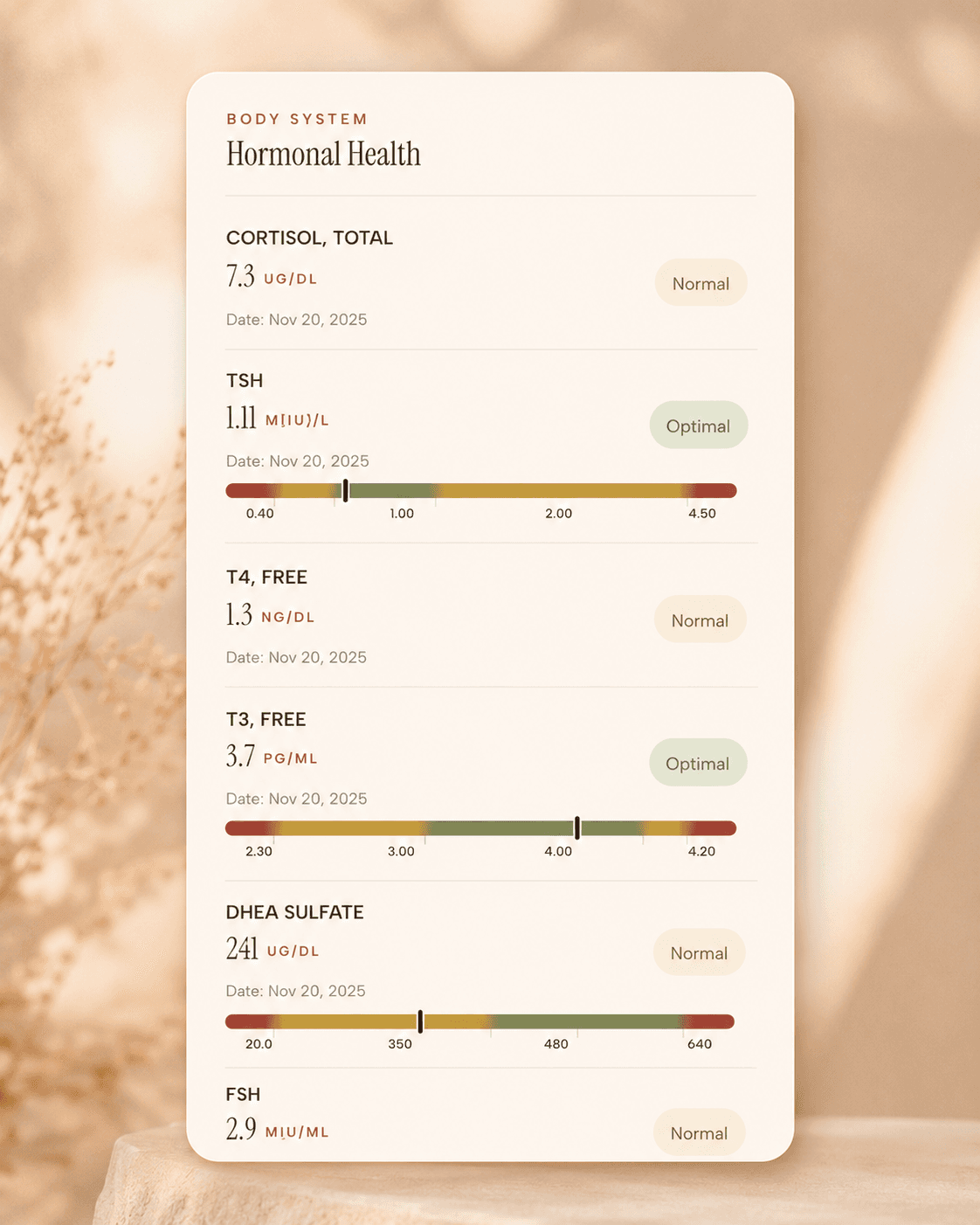
When calories or carbs stay low for a while, your body can convert less thyroid hormone into its active form, which is why you can feel sluggish, constipated, or cold even if your basic thyroid test looks “normal.” This is not the same as true hypothyroidism, but it can still make weight loss feel like pushing through mud. If you already have thyroid disease or symptoms are strong, checking TSH, free T4, and free T3 helps you avoid blaming yourself for biology.
Protein is too low for you
Keto is not automatically high-protein, and if your protein intake drifts low, you can lose muscle while dieting. Less muscle means fewer calories burned at rest, and it also makes workouts feel harder, which reduces your daily movement without you noticing. A simple takeaway is to set a protein target first and treat fat as the “lever” you adjust, not the nutrient you chase.
Sleep loss and stress raise cortisol
Poor sleep and chronic stress push your body toward energy conservation, and they also make hunger and cravings louder even on keto. You can feel wired at night but tired in the morning, and your scale can stall because stress hormones increase water retention and reduce spontaneous movement. If your plateau started when your sleep got worse, fixing sleep timing and light exposure can move the needle faster than changing macros again.
You are misreading scale changes
Early keto weight loss is often water loss from lower insulin and depleted glycogen, so the first week can look dramatic. When that water shift stabilizes, it can feel like your metabolism “broke,” even though you are simply back to losing fat at a slower, more realistic rate. Taking waist measurements and using a 7-day weight average gives you a clearer signal than reacting to one weigh-in.
What actually helps you get unstuck
Run a 2-week “reality check” log
For 14 days, track body weight (morning), steps, sleep hours, and food with a scale, and keep your routine as steady as possible. This is not forever, but it tells you whether the plateau is intake, movement, or water noise. If your average weight is flat and your intake is truly low, that is a clue you may need a smarter plan than “eat even less.”
Raise protein and keep carbs steady
Aim for a protein target you can hit daily, because it supports muscle and keeps you fuller without needing to drown meals in added fat. If you are already very low-carb, keep carbs consistent for a couple of weeks so you can see what protein changes do without adding another variable. Many people feel warmer, stronger in the gym, and less “flat” within 7–10 days.
Use fat as a dial, not a goal
Dietary fat is easy to overdo on keto because it is calorie-dense and it does not always trigger fullness the way protein does. If you are stalled, try keeping meals protein-forward and letting fat come mostly from whole foods rather than “fat bombs” or heavy cream add-ons. The point is not to fear fat, but to stop accidentally turning keto into a surplus.
Add low-intensity movement daily
When your body is conserving energy, it often cuts your unconscious movement first, which can erase your calorie deficit without you noticing. A daily step target that you actually hit, even if it is just a 10-minute walk after two meals, can restore that missing burn without spiking hunger. This is especially useful if hard workouts are leaving you wiped out on keto.
Consider a planned diet break
If you have been dieting hard for months, a 1–2 week period at maintenance calories can improve training performance, sleep, and adherence, which often makes the next fat-loss phase more effective. This is not a “cheat week,” and you still want protein high and food quality solid. If you have a history of bingeing, plan it carefully and use a written structure so it feels safe and controlled.
Useful biomarkers to discuss with your clinician
TSH
TSH is the master regulator of thyroid function, controlling the production of thyroid hormones T4 and T3. In functional medicine, we use narrower TSH ranges than conventional medicine to identify subclinical thyroid dysfunction early. Even mildly elevated TSH can indicate thyroid insufficiency, leading to fatigue, weight gain, depression, and metabolic dysfunction. TSH levels are influenced by stress, nutrient deficiencies, autoimmune conditions, and environmental toxins. Optimal TSH supports energy, metabolism…
Learn moreFree T4 Index (T7)
FTI provides a more accurate assessment of thyroid function when binding protein levels are abnormal (pregnancy, oral contraceptives, liver disease). It estimates the amount of thyroid hormone available to tissues regardless of binding protein changes. The Free Thyroxine Index (FTI or T7) estimates free T4 by multiplying total T4 by T3 uptake, correcting for binding protein variations.
Learn moreCortisol, Total
Cortisol is the primary stress hormone that regulates metabolism, immune function, and blood pressure. In functional medicine, cortisol assessment is crucial for understanding stress response and its impact on overall health. Chronic elevation suppresses testosterone production and immune function, while low cortisol indicates adrenal insufficiency. Optimal cortisol rhythm supports energy, mood stability, and hormone balance. Cortisol orchestrates the body's stress response and daily energy rhythms. Balanced cor…
Learn moreLab testing
Check TSH, free T4, free T3, fasting insulin, and morning cortisol at Quest
starting from $99 panel with 100+ tests, one visit
No referral needed
About 1 week
Schedule online — results typically within a week
Clear next steps
Guidance included, with follow-up care available
HSA / FSA
Eligible for pre-tax health spending accounts
Pro Tips
Do one week of “no guesswork keto” by weighing calorie-dense fats like oils, butter, cream, nuts, and cheese, because those are where keto plateaus often hide even when carbs are low.
If you lift, track performance for two weeks. When your reps or loads are sliding down while your calories are low, your body is often adapting by reducing output, which looks like a metabolism slowdown.
Try a consistent weigh-in routine and use a 7-day average. Keto water shifts can mask fat loss for days, especially after salty meals, hard workouts, or poor sleep.
If you feel cold and tired, do not assume it is “just keto flu” if it has lasted more than a couple of weeks. That is the moment to check thyroid labs and reassess how aggressive your deficit is.
Pick one lever at a time for 14 days: either adjust calories, or adjust steps, or adjust training volume. When you change everything at once, you cannot tell what actually fixed the stall.
Frequently Asked Questions
Can keto actually slow your metabolism?
Keto itself does not permanently slow your metabolism, but prolonged calorie restriction on keto can trigger metabolic adaptation, which means your body burns fewer calories at rest and you move less without noticing. It can also lower active thyroid hormone (free T3) in some people, which can feel like a slowdown. If you are stalled for 3–4 weeks, track intake and steps for 14 days and consider checking TSH and free T3.
Why am I not losing weight on keto even with a calorie deficit?
Most “deficits” are estimated, and keto foods can be deceptively calorie-dense, so your real intake may be higher than you think. The other common issue is water retention from stress, poor sleep, or hard training, which can hide fat loss on the scale for a week or two. Use a food scale for oils, nuts, cheese, and cream, and judge progress by a 7-day average plus waist measurements.
Does keto affect thyroid function?
Keto and dieting can reduce free T3, which is the more active thyroid hormone, even when TSH stays in the lab “normal” range. That shift can make you feel cold, sluggish, or constipated, and it can reduce how many calories you burn. If symptoms are persistent, ask for TSH, free T4, and free T3 rather than relying on TSH alone.
How long should a keto weight loss plateau last before I worry?
A true plateau is usually 3–4 weeks of no change in your 7-day average weight and no change in waist size, despite consistent intake and activity. Shorter stalls are often normal water fluctuations, especially after salty meals, travel, or poor sleep. If it has been a month, do a 2-week tracking audit and consider labs like TSH and fasting insulin to look for a hidden driver.
What labs are most useful if keto makes me tired and cold?
TSH and free T3 are the most direct way to check whether a thyroid shift could be contributing to fatigue, cold intolerance, and a stalled scale. Fasting insulin can add context if you suspect insulin resistance is making fat loss slower than expected. Bring your results and your symptom timeline to a clinician, or use PocketMD to help you decide what to ask for next.
What research says about keto, thyroid, and metabolic adaptation
Energy restriction triggers metabolic adaptation that can slow resting energy expenditure beyond what weight loss predicts
Very-low-carbohydrate ketogenic diets can reduce circulating T3 while weight loss occurs, even when TSH stays in range
AHA scientific statement on low-carbohydrate diets reviews benefits, limitations, and long-term adherence considerations