Why You Look Pale Before You Eat
Pale skin before eating often comes from low iron anemia, low blood sugar dips, or dehydration reducing blood flow. Targeted labs available—no referral needed.





Pale skin before eating usually happens because your body is running low on oxygen-carrying red blood cells (often from iron deficiency), your blood sugar is dipping on an empty stomach, or you are a bit dehydrated and your circulation shifts away from your skin. The pattern matters: if it shows up reliably before meals and improves after you eat or drink, that points you toward a smaller set of causes. Simple labs can help you tell the difference so you are not guessing. Seeing yourself (or your child) look washed out right before a meal can be unsettling, especially if it comes with fatigue, shakiness, or feeling “off.” Pallor is tricky because it can be about pigment, blood flow, or blood itself, and those can overlap. In this guide, you will learn the most common reasons it happens before eating, what you can try right away, and which blood tests are most useful. If you want help matching your exact pattern to the most likely cause, PocketMD can walk through your symptoms with you, and targeted labs through VitalsVault can confirm what is going on.
Why you look pale before you eat
Iron deficiency lowers oxygen delivery
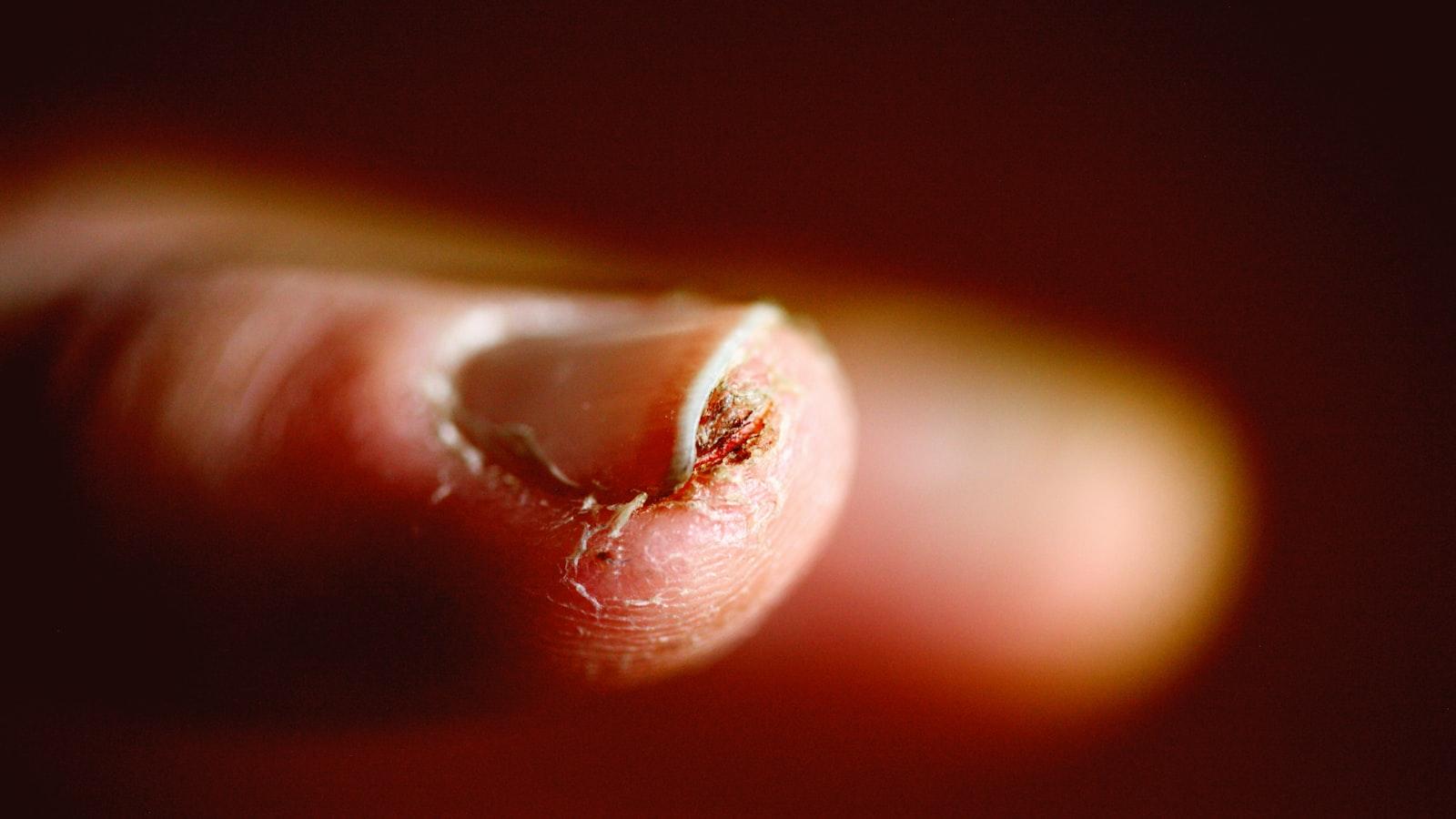
If you are low on iron, your body struggles to make hemoglobin, the protein that carries oxygen in red blood cells. On an empty stomach, you may notice the problem more because you are already a little stressed and your body prioritizes blood flow to your brain and core instead of your skin. The giveaway is that pallor often comes with fatigue, shortness of breath on stairs, or brittle nails, so it is worth checking ferritin and a complete blood count rather than assuming it is “just low energy.”
Blood sugar dip before meals
Some people get a noticeable blood sugar drop when they go too long without eating, which can trigger adrenaline to keep you functioning. That adrenaline can make you look pale because it tightens small blood vessels in your skin, and it can also cause shakiness, sweating, and a racing heart. If a small snack reliably fixes the pallor within 10–20 minutes, try shortening the gap between meals and include protein or fat so the effect lasts.
Dehydration and low blood volume
When you are even mildly dehydrated, your circulating blood volume is lower, so your body protects blood pressure by narrowing skin blood vessels. You can look paler and feel lightheaded when you stand up, especially before your first meal of the day if you have not had fluids overnight. A practical test is to drink 12–16 oz of water and see whether your color and dizziness improve before you reach for food.
Vagal response to hunger or nausea
Hunger can come with nausea, stomach cramping, or a “hollow” feeling, and that can trigger a reflex that slows your heart and drops blood pressure (vasovagal response). When that happens, blood flow to the skin decreases and you can suddenly look gray or clammy. If you also feel like you might faint, sit or lie down, elevate your legs, and treat it as a signal to avoid long fasting windows until you know why it is happening.
Hidden blood loss or low B12
Sometimes pallor before meals is the first visible clue that you are anemic for a reason that needs attention, such as heavy periods, bleeding in the gut, or low vitamin B12 affecting red blood cell production. You might also notice new headaches, unusual tiredness, or a sore tongue, and the paleness can be more obvious when you are hungry and run down. If your CBC shows anemia or your ferritin is very low, the next step is not just supplements — it is finding the source, especially if you have black stools, vomiting blood, or rapidly worsening weakness.
What actually helps before meals
Use a “steady snack” strategy
If your paleness comes with shakiness or anxiety right before meals, treat it like a blood sugar timing problem until proven otherwise. Aim for smaller, more frequent meals for a week, and include protein plus fiber at breakfast so you are not running on a quick carb spike. Many people do better with a mid-morning snack that has 10–20 g of protein, because it prevents the steep drop that triggers that pale, clammy look.
Hydrate before you get hungry
Overnight dehydration is common, and it can make you look washed out before breakfast even if your diet is fine. Try drinking water soon after waking, and add electrolytes if you sweat a lot or you are prone to lightheadedness. If your pallor improves more from fluids than from food, that is useful information to bring to your clinician.
Treat iron deficiency the right way
If labs point to low iron stores, food alone often cannot refill the tank quickly, especially if you are losing iron through periods. Many people tolerate iron better when they take it every other day, and taking it with vitamin C can improve absorption, while taking it with calcium can reduce it. The key is to recheck ferritin after about 6–8 weeks so you know you are actually rebuilding stores rather than just hoping.
Build a simple symptom-and-meal log
For two weeks, write down when you look pale, how long it lasts, and what else you feel in your body right then. Note the time since your last meal and whether water, salt, or a snack helps fastest, because that separates “blood sugar” from “blood volume” patterns surprisingly well. Bring that log to a visit, because it turns a vague symptom into something your clinician can act on.
Know when it is urgent
Paleness that comes with chest pain, fainting, severe shortness of breath, confusion, or black/tarry stools is not a “wait and see” situation. Those combinations can signal significant anemia, bleeding, or a heart rhythm problem, and you should seek urgent care. If the pallor is mild but persistent for more than two weeks, schedule an evaluation and ask specifically about anemia and iron studies.
Useful biomarkers to discuss with your clinician
Iron, Total
Serum iron measures the amount of iron circulating in your blood at the time of testing. In functional medicine, we recognize that serum iron alone provides limited information about iron status, as it fluctuates throughout the day and is affected by recent iron intake, inflammation, and diurnal variation. However, when combined with other iron studies, it helps assess iron metabolism and transport. Iron is essential for oxygen transport, energy production, DNA synthesis, and immune function. Optimal serum iron…
Learn moreFerritin
Ferritin is your body's iron storage protein, reflecting total iron stores in the body. In functional medicine, ferritin assessment is crucial for identifying both iron deficiency and iron overload, conditions that can significantly impact energy levels and overall health. Low ferritin is the earliest sign of iron deficiency, often occurring before anemia develops. This can cause fatigue, weakness, restless leg syndrome, and cognitive impairment. Conversely, elevated ferritin may indicate iron overload, inflamma…
Learn moreGlucose
Fasting glucose is a fundamental marker of glucose metabolism and insulin function. In functional medicine, we recognize that even 'normal' glucose levels in the upper range may indicate early insulin resistance. Optimal fasting glucose reflects efficient glucose regulation and insulin sensitivity. Elevated fasting glucose suggests the body's inability to maintain normal glucose levels overnight, indicating hepatic insulin resistance or insufficient insulin production. This marker is essential for early detectio…
Learn moreLab testing
Check CBC, ferritin, and iron saturation at Quest
starting from $99 panel with 100+ tests, one visit
No referral needed
About 1 week
Schedule online — results typically within a week
Clear next steps
Guidance included, with follow-up care available
HSA / FSA
Eligible for pre-tax health spending accounts
Pro Tips
Check your gums and the inside of your lower eyelid in natural light, because those areas show true pallor better than your cheeks, which can look different based on temperature and lighting.
If you suspect blood sugar dips, try a 7-day experiment: eat within an hour of waking and include 20–30 g of protein at breakfast, then see if the “pale before lunch” pattern fades.
If you are taking iron, avoid taking it with coffee, tea, or calcium within two hours, because those can block absorption and make it feel like supplements “don’t work.”
For kids who look pale before meals, take a photo in the same spot and lighting each time and note energy level and appetite, because trends over weeks are more helpful than one scary moment.
If your pallor comes with standing dizziness, do a simple home check: measure your pulse lying down and again after standing for 2 minutes; a big jump suggests a circulation issue worth discussing.
Frequently Asked Questions
Why do I look pale when I’m hungry?
When you are hungry, your stress hormones can rise to keep your blood sugar steady, and that can tighten skin blood vessels so you look paler. Hunger can also trigger a vagal response that drops blood pressure, which reduces blood flow to your skin and makes you look washed out. If eating improves your color within 10–20 minutes, try shorter gaps between meals and consider checking a CBC and ferritin if fatigue is also present.
Can low iron make you look pale before meals?
Yes. Low iron can lead to anemia, which means less hemoglobin to carry oxygen, and pallor is one of the classic visible signs. It is often more noticeable when you are tired or have not eaten because you feel weaker and your circulation shifts away from the skin. Ask for ferritin, a CBC, and iron saturation so you can confirm iron deficiency instead of guessing.
Is pale skin before eating a sign of low blood sugar?
It can be, especially if you also feel shaky, sweaty, anxious, or like your heart is pounding. Those symptoms come from adrenaline, which can make your skin look pale and clammy while your body tries to protect your brain from a glucose dip. If this happens often, keep a log of timing and what fixes it, and discuss formal evaluation if you ever faint or have confusion.
What ferritin level is considered low if I’m symptomatic?
Many labs list a wide “normal” range, but in people with fatigue, hair shedding, or pallor, ferritin below about 30 ng/mL is commonly treated as iron deficiency. A practical repletion goal is often above 50 ng/mL, although your clinician may personalize the target based on inflammation, bleeding risk, and symptoms. Recheck ferritin after 6–8 weeks of treatment to make sure it is rising.
When should pale skin be treated as an emergency?
Seek urgent care if pallor comes with chest pain, fainting, severe shortness of breath, confusion, or signs of bleeding such as black/tarry stools or vomiting blood. Those combinations can indicate significant anemia, active bleeding, or a cardiovascular problem that needs immediate evaluation. If it is not urgent but it keeps happening for more than two weeks, schedule a visit and ask specifically about anemia and iron studies.