Night Sweats With Depression: Causes, Relief, and Lab Tests
Night sweats with depression often come from sleep disruption, medication effects, or hormone shifts. Targeted labs available at Quest—no referral needed.





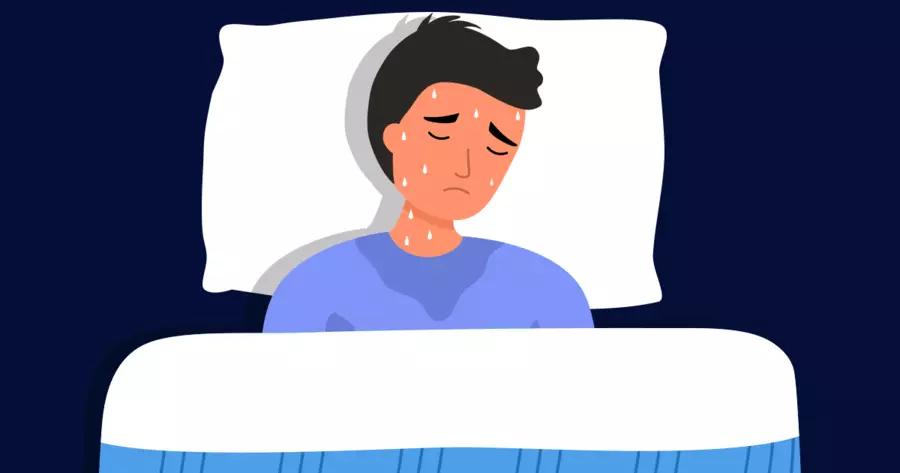
Night sweats with depression are most often tied to sleep disruption from depression itself, side effects from antidepressants, or hormone shifts such as perimenopause or low testosterone. Less commonly, they can be your body’s “alarm system” reacting to an infection or another medical condition that also affects mood. A few targeted blood tests can help sort out which bucket you’re in so you’re not guessing. If you’re waking up drenched, it’s not just uncomfortable. It can turn sleep into something you dread, and poor sleep can make depression feel heavier the next day. The tricky part is that sweating at night is a symptom with many look-alikes: some are fixable with small changes, some need a medication tweak, and a few deserve prompt medical attention. This guide walks you through the most common causes, what tends to help, and how tools like PocketMD and targeted labs can support a clearer plan.
Why night sweats can show up with depression
Antidepressant-related sweating
Many antidepressants can turn up your body’s sweat response, especially SSRIs and SNRIs, because serotonin and norepinephrine also interact with your brain’s temperature control center (hypothalamus). The pattern is often “fine during the day, soaked at night,” and it may start within days to weeks of a dose change. A practical takeaway is to write down when the sweating began relative to starting or adjusting a medication, because that timeline is extremely useful for your prescriber when considering dose timing, a switch, or an add-on to reduce sweating.
Depression disrupting deep sleep
Depression can fragment your sleep and increase nighttime arousals, which means your body keeps flipping between sleep stages instead of settling into steady deep sleep. Those micro-awakenings can trigger adrenaline-like surges, and sweating is one of the ways your body “dumps” that activation. If your sweating is paired with vivid dreams, early-morning waking, or feeling wired at 3 a.m., treating the sleep pattern is often as important as treating the mood.
Perimenopause or menopause hormone shifts
Falling estrogen during the menopause transition can make your brain’s thermostat more sensitive, so a small internal change can trigger a heat-and-sweat episode that wakes you up. These episodes often feel like a wave of heat in your chest and face followed by drenching sweat, even if the room is cool. If your periods are changing, or you’re also getting daytime hot flashes, it’s worth discussing menopause-focused options because the right treatment can improve both sleep and mood.
Low testosterone affecting sleep
In men, low testosterone can worsen sleep quality and increase nighttime awakenings, and that “broken sleep” can show up as sweating even without a true fever. It can also overlap with low mood, low motivation, and reduced libido, which makes the whole picture feel confusing. If you notice a gradual shift in energy and sexual function along with night sweats, ask about a morning testosterone evaluation rather than assuming it’s “just depression.”
Infection or inflammatory illness
Some infections and inflammatory conditions trigger night sweats because your immune system is releasing chemical messengers that raise your internal set point, even if you never catch a high fever. This matters because the “sick” feeling can mimic depression, and the sleep disruption can worsen mood quickly. If you have persistent fevers, unexplained weight loss, swollen lymph nodes, a new cough, or drenching sweats most nights for more than two weeks, it’s worth getting checked promptly rather than trying to push through.
What actually helps you sweat less at night
Review meds and timing with your prescriber
If sweating started after an antidepressant change, the most effective fix is often medication-specific rather than “more willpower.” Your clinician might adjust the dose, switch to a different antidepressant, or change when you take it so peak levels don’t hit overnight. Bring a simple note that includes the start date, dose, and how many nights per week you wake up soaked, because that makes the conversation faster and more productive.
Build a cooler sleep microclimate
Night sweats are easier to manage when heat can escape quickly, so focus on airflow and fabrics rather than piling on “cooling” gadgets. Try a fan aimed across the bed, moisture-wicking sleepwear, and a lighter blanket you can pull on and off without fully waking. If you’re changing sheets nightly, keep a spare set and a towel within reach so you can reset the bed in under two minutes and get back to sleep.
Treat the sleep pattern, not just mood
When depression is driving fragmented sleep, a targeted sleep plan can reduce sweating by reducing nighttime arousals. Consistent wake time, a short wind-down routine, and limiting long daytime naps often help within one to two weeks because your brain starts consolidating sleep again. If insomnia is persistent, ask about cognitive behavioral therapy for insomnia (CBT-I), which has strong evidence and can be used alongside depression treatment.
Reduce common nighttime triggers
Some triggers don’t cause sweating on their own, but they lower your threshold so you sweat more easily once you’re asleep. Alcohol is a big one because it can initially sedate you and then rebound into lighter sleep with sweating later in the night. If you want a clean experiment, avoid alcohol for seven nights and keep dinner at least three hours before bed, then compare how often you wake up sweaty.
Get evaluated for hormone options
If your pattern fits perimenopause or low testosterone, treating the underlying hormone issue can improve both night sweats and mood-related symptoms like fatigue and irritability. For menopause-related sweats, options can include non-hormonal prescriptions or hormone therapy when appropriate, and the best choice depends on your age, symptoms, and health history. For possible low testosterone, the key is confirming it with a properly timed morning test before considering any treatment.
Useful biomarkers to discuss with your clinician
Testosterone, Total, Ms
Total testosterone is the primary male sex hormone responsible for muscle mass, bone density, libido, energy levels, and cognitive function. In functional medicine, we recognize testosterone as a key marker of vitality and aging. Low testosterone (hypogonadism) affects up to 40% of men over 45 and is linked to metabolic syndrome, cardiovascular disease, depression, and reduced quality of life. Optimal testosterone levels support healthy body composition, sexual function, motivation, and overall masculine vitalit…
Learn moreEstradiol
Estradiol in men is produced from testosterone via aromatase enzyme. In functional medicine, we recognize that men need optimal estradiol levels for bone health, cognitive function, and cardiovascular protection. However, excessive estradiol can suppress testosterone production and cause feminizing effects. The testosterone-to-estradiol ratio is crucial for male health, with optimal balance supporting vitality while preventing estrogen dominance. Balanced estradiol levels in men support bone health and cognitive…
Learn moreCortisol, Total
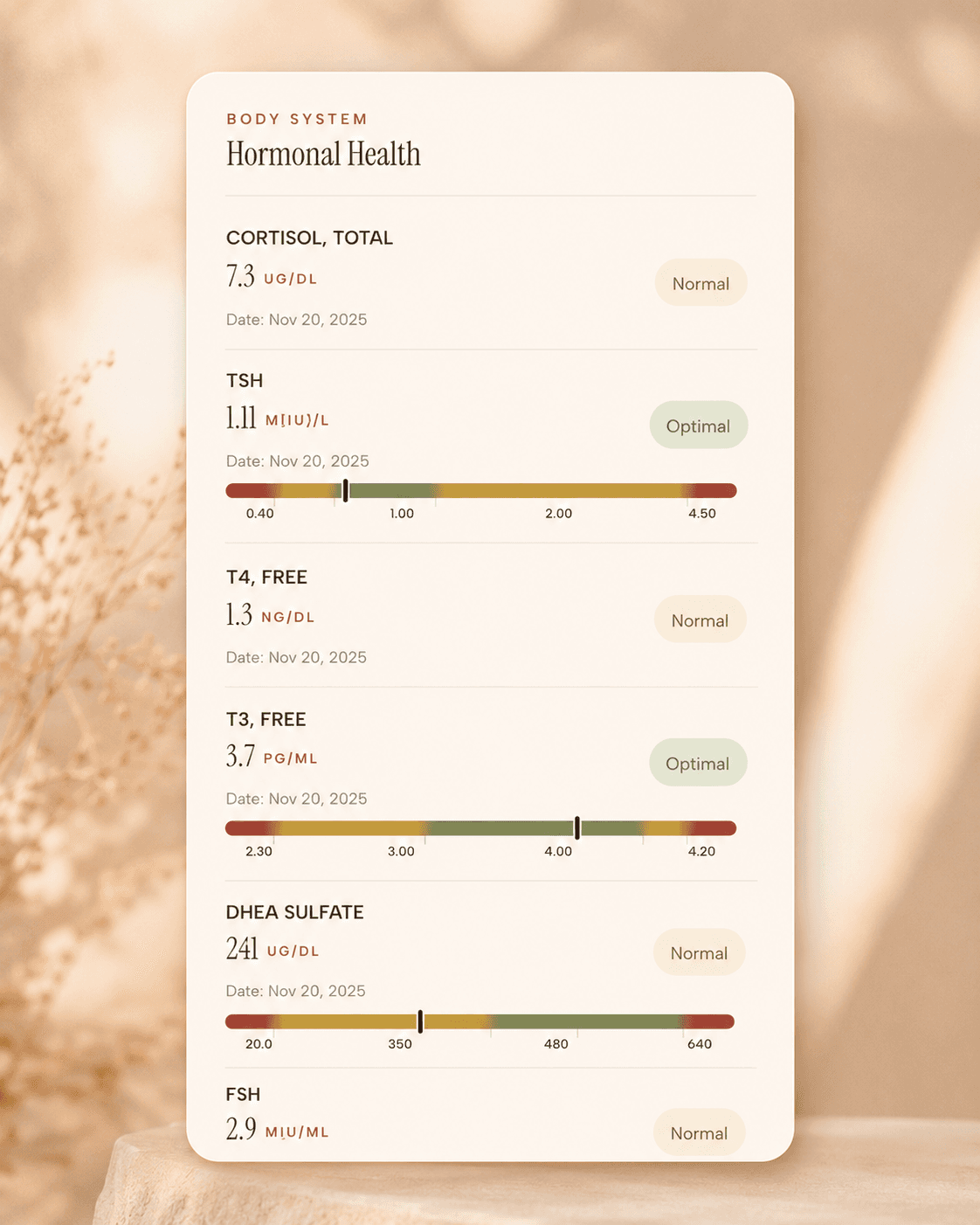
Cortisol is the primary stress hormone that regulates metabolism, immune function, and blood pressure. In functional medicine, cortisol assessment is crucial for understanding stress response and its impact on overall health. Chronic elevation suppresses testosterone production and immune function, while low cortisol indicates adrenal insufficiency. Optimal cortisol rhythm supports energy, mood stability, and hormone balance. Cortisol orchestrates the body's stress response and daily energy rhythms. Balanced cor…
Learn moreLab testing
Get TSH, CBC, and CRP checked at Quest
starting from $99 panel with 100+ tests, one visit
No referral needed
About 1 week
Schedule online — results typically within a week
Clear next steps
Guidance included, with follow-up care available
HSA / FSA
Eligible for pre-tax health spending accounts
Pro Tips
Do a 10-night “pattern check”: rate each night sweat from 0–10, note your bedtime, alcohol (yes/no), and whether you changed any medication in the last month. The goal is not perfection — it’s spotting a repeatable trigger or timeline.
If you wake up soaked, change only your top layer first. A dry shirt and a towel over the wet spot is often enough to get you back to sleep without fully remaking the bed.
Try taking your temperature when you wake up sweaty for three nights in a row. If you repeatedly have a true fever (about 100.4°F / 38°C or higher), that shifts the conversation toward infection or inflammation rather than “just sleep.”
If you suspect medication sweating, don’t stop your antidepressant abruptly. Instead, message your prescriber with a clear one-liner like: “Night sweats started 10 days after increasing to 50 mg, now 5 nights/week,” and ask about options.
If you’re in the menopause transition, keep your bedroom cool but also track daytime hot flashes. When both are present, treatments aimed at vasomotor symptoms often improve sleep faster than sleep supplements do.
Frequently Asked Questions
Can depression itself cause night sweats?
Yes. Depression can fragment your sleep and increase nighttime arousals, and those mini “stress surges” can trigger sweating even when your room is cool. You’re more likely to notice it if you wake early, have vivid dreams, or feel unrefreshed most mornings. If the sweating tracks with worse insomnia, treating the sleep pattern is a high-yield next step.
Which antidepressants cause night sweats the most?
Night sweats are commonly reported with SSRIs and SNRIs, although any medication that affects serotonin or norepinephrine can contribute. The clue is timing: sweating that starts within days to weeks of starting, increasing, or switching a medication is more likely to be a side effect. Bring the exact start date and dose to your prescriber so they can suggest a targeted adjustment.
When should I worry that night sweats are something serious?
It’s worth getting checked promptly if you have drenching sweats most nights for more than two weeks along with fever, unexplained weight loss, swollen lymph nodes, a new persistent cough, or feeling generally unwell. Those combinations raise concern for infection or other inflammatory conditions that need evaluation. If you’re unsure, a CBC and CRP can be a practical first screen to discuss with a clinician.
What blood tests help explain night sweats with depression?
TSH can identify an overactive or underactive thyroid pattern that affects sweating, sleep, and mood. A CBC can point toward infection, anemia, or other blood-count changes that can mimic or worsen depression symptoms. CRP helps gauge whether inflammation is part of the picture, and a low value (often under ~1 mg/L) makes ongoing inflammation less likely.
How can I stop waking up drenched in sweat tonight?
Start with a fast, practical setup: a fan for airflow, a dry shirt within reach, and a lighter blanket you can adjust without fully waking. Avoid alcohol tonight and keep your bedroom a bit cooler than usual, because both changes reduce the chance of rebound sweating in the second half of the night. If you’re on an antidepressant and the timing fits, plan to message your prescriber tomorrow rather than trying to tough it out.
Research worth knowing about
SSRIs and SNRIs can cause excessive sweating (antidepressant-induced hyperhidrosis) and it is a common reason people stop meds
Cognitive behavioral therapy for insomnia (CBT-I) improves sleep and is recommended as first-line treatment for chronic insomnia
The Menopause Society position statement on hormone therapy for vasomotor symptoms (hot flashes/night sweats)