Why You’re Sleeping Lightly When You’re Stressed
Light sleep under stress often comes from high cortisol, anxiety-driven hypervigilance, or circadian disruption. Targeted labs—no referral needed.





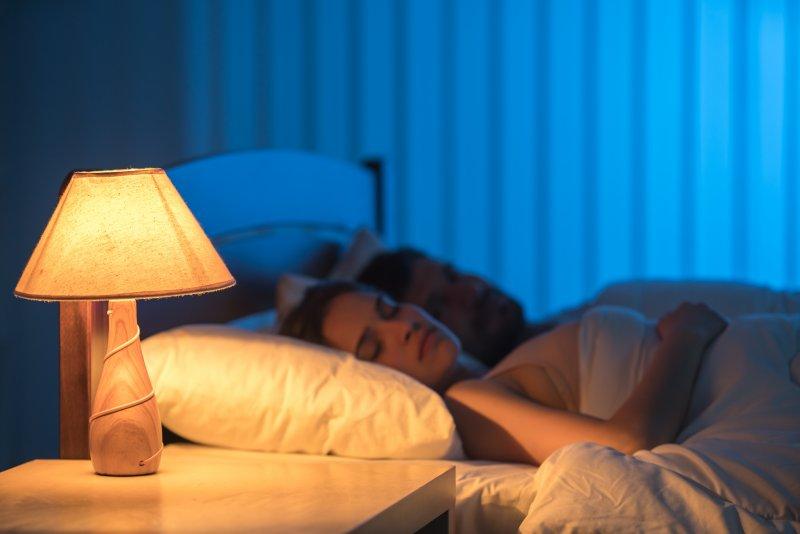
Light sleep under stress usually happens because your stress system stays “on” at night, which keeps your brain easier to wake and makes deep sleep harder to reach. Common drivers include a shifted body clock from late light or irregular schedules, anxiety-style hypervigilance, and hormone signals like cortisol running too high or at the wrong time. A few targeted labs can help you tell the difference between stress-only sleep disruption and a fixable medical contributor. When you’re stressed, your body prioritizes alertness over restoration, even if you feel exhausted. That can look like waking at every small sound, dreaming more, or feeling like you never got into the “heavy” part of sleep. The good news is that light sleep is often reversible once you match the solution to the real driver. This guide walks you through the most likely causes, what actually helps, and how tools like PocketMD and Vitals Vault labs can help you choose a smarter next step instead of guessing.
Why you sleep lightly under stress
Your stress alarm stays on
When stress is high, your body keeps releasing “stay alert” signals like adrenaline and cortisol, even after you get into bed. That makes your sleep more fragile, so you pop awake after a normal sleep-cycle shift instead of rolling into deeper sleep. If you notice a racing mind, a tight chest, or waking to tiny noises, treat it like a nervous-system problem, not a willpower problem.
Your body clock is shifted
Late-night light, screens, and irregular sleep times can push your internal clock later, which means you may be trying to sleep when your brain still thinks it’s daytime. You can fall asleep from exhaustion, but your sleep stays lighter and you wake more easily, especially in the early morning. If your “best sleep” happens after sunrise or on days off, circadian timing is likely part of the story.
Caffeine is lingering in your system
Caffeine blocks your sleep-pressure chemical (adenosine), and in many people it still has a meaningful effect 8–10 hours after the last dose. Under stress, you often use more caffeine and your body clears it more slowly, which can turn deep sleep into light, restless sleep without you feeling “wired.” A simple test is to move caffeine earlier by two hours for a week and see if your middle-of-the-night wakeups drop.
Low iron reduces sleep depth
Low iron stores can make your legs feel jumpy at night and can fragment sleep even when your hemoglobin is normal. This can show up as frequent awakenings, a hard time getting comfortable, or a partner noticing leg movements. If you are menstruating, pregnant/postpartum, vegetarian, or have heavy periods, checking ferritin is one of the highest-yield ways to find a fixable contributor.
Thyroid overdrive keeps you alert
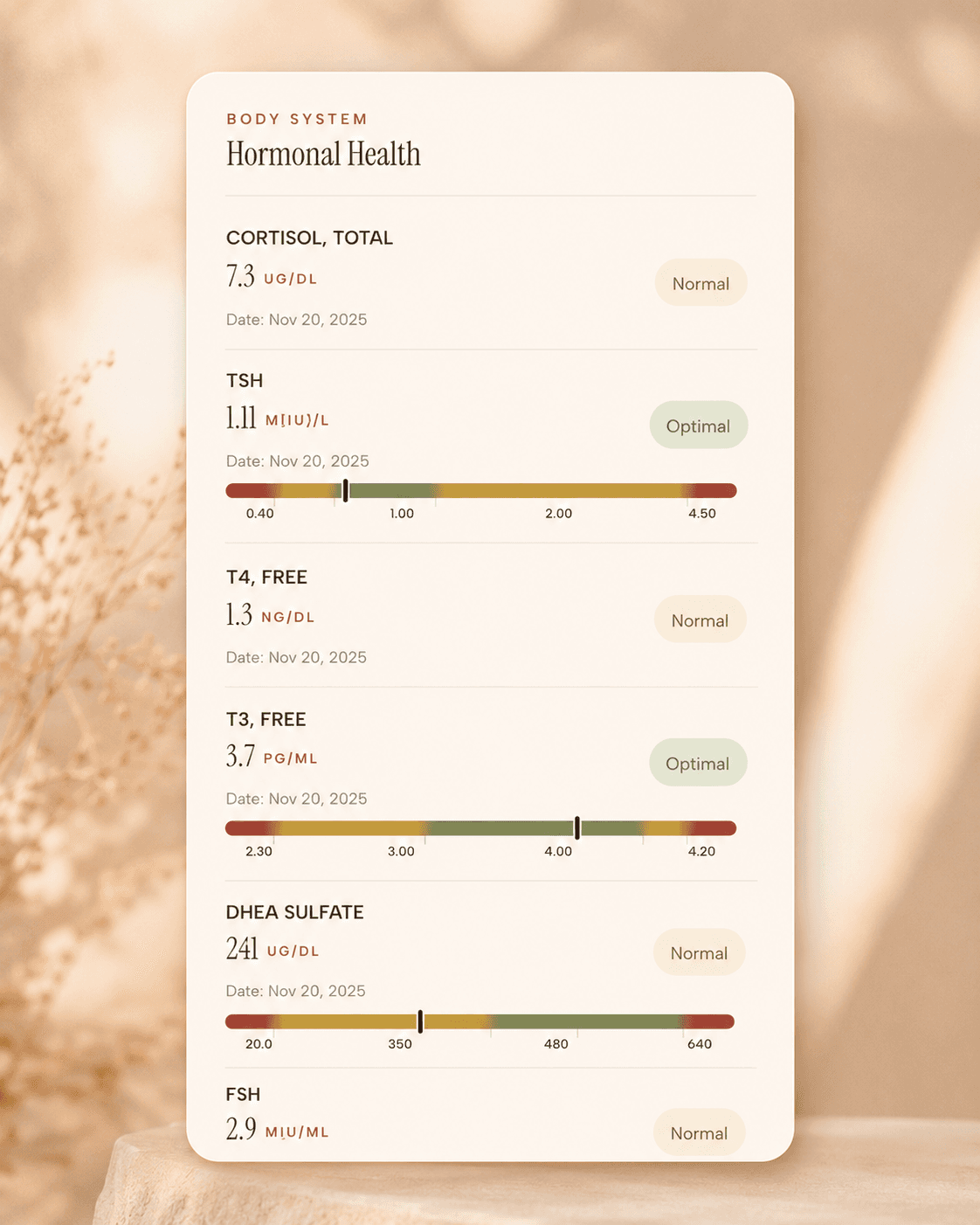
If your thyroid is running fast, your whole system runs fast, which can feel like light sleep, heat intolerance, a pounding heart, or waking too early. Even mild thyroid shifts can make stress feel louder in your body, so you wake more easily and struggle to settle back down. If you also have unexplained weight change, tremor, or persistent palpitations, a thyroid test is worth prioritizing.
What actually helps you sleep deeper
Do a 20-minute wind-down ritual
Your goal is to teach your brain that bedtime is a predictable “off switch,” not a second work shift. Pick a short routine you can repeat nightly, such as a warm shower, dim lights, and a paper book, and keep it the same even on weekends. Consistency matters more than perfection because your nervous system learns by repetition.
Anchor your morning light
Bright light within the first hour after waking is one of the fastest ways to stabilize your body clock, which helps you build deeper sleep pressure by night. Go outside for 10–15 minutes, or sit by a bright window, and do it at roughly the same time each day. If you work nights, you can still use this idea by anchoring light to your “morning,” meaning the time you wake up for your main day.
Use a “worry window” earlier
If your brain saves all your processing for 2 a.m., give it a scheduled slot while you’re still awake. Spend 10 minutes in the early evening writing down what’s stressing you, what you can do tomorrow, and what can wait, then close the notebook and treat it as done for the day. This works because it reduces the feeling that you’ll forget something important unless you keep rehearsing it in bed.
Adjust caffeine like a medication
Instead of “quit caffeine,” try a targeted change: set a caffeine cutoff that is at least 8 hours before your planned bedtime, and keep the dose steady for a week. If you are a slow metabolizer, you may need a 10–12 hour buffer, which is why afternoon coffee can quietly wreck deep sleep. If headaches are a problem, taper by reducing the dose every 3–4 days rather than stopping abruptly.
Consider CBT-I for wakeups
CBT-I (cognitive behavioral therapy for insomnia) is not talk therapy; it is a structured program that retrains sleep drive and reduces the fear of being awake. It is especially helpful when stress has taught your brain to associate bed with alertness, checking the clock, or problem-solving. If you have had sleep-maintenance insomnia for more than 3 months, CBT-I is often more effective than supplements because it changes the pattern at the source.
Lab tests that help explain light sleep under stress
Cortisol, Total
Cortisol is the primary stress hormone that regulates metabolism, immune function, and blood pressure. In functional medicine, cortisol assessment is crucial for understanding stress response and its impact on overall health. Chronic elevation suppresses testosterone production and immune function, while low cortisol indicates adrenal insufficiency. Optimal cortisol rhythm supports energy, mood stability, and hormone balance. Cortisol orchestrates the body's stress response and daily energy rhythms. Balanced cor…
Learn moreIron, Total
Serum iron measures the amount of iron circulating in your blood at the time of testing. In functional medicine, we recognize that serum iron alone provides limited information about iron status, as it fluctuates throughout the day and is affected by recent iron intake, inflammation, and diurnal variation. However, when combined with other iron studies, it helps assess iron metabolism and transport. Iron is essential for oxygen transport, energy production, DNA synthesis, and immune function. Optimal serum iron…
Learn moreFerritin
Ferritin is your body's iron storage protein, reflecting total iron stores in the body. In functional medicine, ferritin assessment is crucial for identifying both iron deficiency and iron overload, conditions that can significantly impact energy levels and overall health. Low ferritin is the earliest sign of iron deficiency, often occurring before anemia develops. This can cause fatigue, weakness, restless leg syndrome, and cognitive impairment. Conversely, elevated ferritin may indicate iron overload, inflamma…
Learn moreLab testing
Check cortisol timing, thyroid function, and iron stores at Quest
starting from $99 panel with 100+ tests, one visit
No referral needed
About 1 week
Schedule online — results typically within a week
Clear next steps
Guidance included, with follow-up care available
HSA / FSA
Eligible for pre-tax health spending accounts
Pro Tips
Try a two-week “wake-up audit”: each time you wake, jot the time and the first thing you notice (hot, noise, worry, bathroom). Patterns usually point to the driver faster than guessing.
If you wake and feel alert, do not negotiate with your brain in bed. Get up, keep lights dim, do something boring for 10–15 minutes, and return only when you feel sleepy again.
For shift work, protect one consistent sleep block as your non-negotiable “anchor sleep,” and then add a shorter nap if needed. Your brain handles one stable block better than a different schedule every day.
If you use magnesium, choose magnesium glycinate and take it 1–2 hours before bed, then judge it by whether you wake less and fall back asleep faster over 7 nights. If it causes loose stools, the dose is too high or the form is not a fit.
If you suspect restless legs, test the rule: symptoms get worse at rest, feel better with movement, and peak in the evening. If that is you, ferritin is a more useful next step than trying random sleep supplements.
Frequently Asked Questions
Why do I feel like I’m sleeping but not deeply?
Under stress, your brain stays closer to “on call,” so you spend more time in lighter stages and wake more easily between normal sleep cycles. That can make you remember more awakenings and feel unrefreshed even if you were in bed for 7–8 hours. Start by stabilizing your wake time for a week and tracking wakeups, because consistency is what allows deeper sleep to return.
How can I tell if stress is the main cause of my light sleep?
Stress-driven light sleep often comes with a racing mind, a tense body, and wakeups that happen after a thought, a noise, or a small sensation rather than a clear physical trigger. It also tends to improve on low-stress days or vacations, even if your schedule is similar. If it does not budge with stress changes, consider checking ferritin, TSH/free T4, and morning cortisol to look for a medical contributor.
Is waking up at 3 a.m. a cortisol problem?
Sometimes, but not always. Early waking can happen when your stress system is overactive, when your body clock is shifted earlier than your bedtime, or when something physical wakes you and you cannot fall back asleep. If 3 a.m. wakeups are frequent and you feel “wide awake,” a morning cortisol test plus a consistent morning light routine can help you see whether timing is part of the issue.
What ferritin level is too low for sleep?
For sleep fragmentation and restless-legs symptoms, many clinicians treat ferritin below about 50 ng/mL as potentially too low even if the lab marks it “normal.” Low ferritin can make your legs feel uncomfortable at night and can break up deep sleep. If your ferritin is low, ask about iron dosing and also about the likely cause, such as heavy periods or low dietary iron.
When should I worry that light sleep is something serious?
Get medical help promptly if light sleep comes with chest pain, fainting, severe shortness of breath, or a new irregular heartbeat, because those are not “just stress.” Also take it seriously if you snore loudly, gasp, or have high blood pressure, since sleep apnea can masquerade as light, broken sleep. If your sleep has been disrupted for more than 3 months, consider CBT-I and basic labs so you are not stuck in the cycle.