Night Sweats in Your 60s: What They Usually Mean
Night sweats in your 60s often come from hormone shifts, sleep apnea, or infection. Use targeted blood tests and guidance—no referral needed.





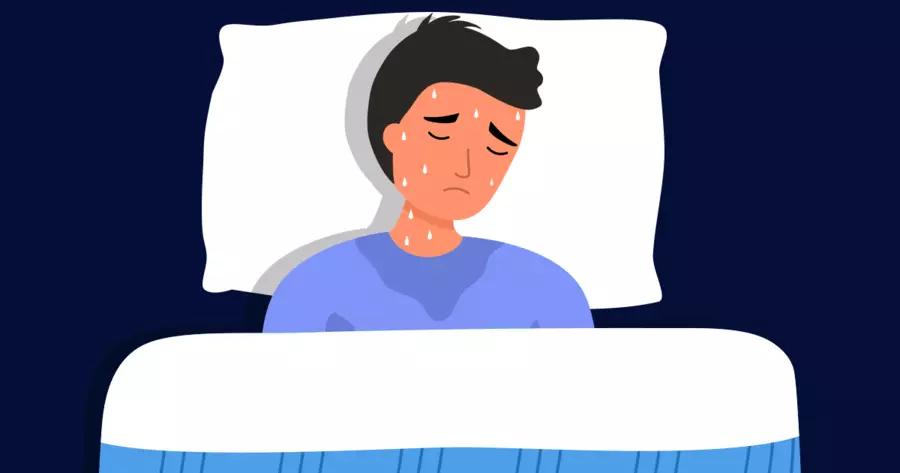
Night sweats in your 60s are most often caused by hormone-related temperature swings, breathing problems during sleep (sleep apnea), or your body fighting inflammation or infection. Sometimes medications or an overactive thyroid can push your nervous system into “overheat” mode too. A few targeted labs can help you sort out which bucket you’re in, so you’re not guessing in the dark. It’s hard to stay calm when you wake up drenched and have to change your shirt or sheets. You also can’t help thinking about the scary stuff, like cancer, because night sweats get mentioned in those lists. The truth is that most people in their 60s have a common, fixable explanation, but you do want to pay attention to patterns and a few red flags. This guide walks you through the most likely causes, what helps in real life, which blood tests are actually useful, and when it’s worth getting a clinician’s eyes on the whole picture (PocketMD can help you think it through, and Vitals Vault labs can help you confirm the basics).
Why you get night sweats in your 60s
Hot flashes that happen at night
Even years after menopause, your brain’s temperature control center (hypothalamus) can stay jumpy, so small shifts in room temperature, stress, or alcohol can trigger a sudden heat dump. It often feels like you go from fine to soaked in minutes, and then you cool off quickly afterward. If your sweats come with a wave of heat and a racing heart but no fever, treat it like a hot-flash pattern and track triggers for two weeks.
Sleep apnea and adrenaline surges
When your airway narrows during sleep, your oxygen dips and your body jolts you with adrenaline to reopen the airway. That adrenaline can make you sweat, even if the room is cool, and you may not remember waking fully. If you also snore, wake with a dry mouth, or feel unrefreshed, a sleep study is one of the highest-yield next steps because treating apnea often improves sweating fast.
Infection or hidden inflammation
Night sweats can be your immune system running “high,” even when you don’t have a dramatic daytime fever. In your 60s, urinary infections, dental infections, pneumonia, and chronic infections can smolder and show up as fatigue plus sweaty nights. If you notice new aches, cough, burning with urination, or a clear change in energy, it’s worth checking inflammatory markers and a blood count and getting examined rather than just changing pajamas.
Thyroid running too fast
If your thyroid is overactive, your metabolism speeds up and you generate more internal heat, which can show up as sweating, heat intolerance, and a faster pulse. People often describe feeling “wired but tired,” with shakier hands or more frequent bowel movements. A simple thyroid test can rule this in or out, and it matters because treating the thyroid problem usually fixes the sweating rather than just masking it.
Medication or alcohol effects at night
Some antidepressants, steroids, diabetes medications that can cause low blood sugar, and even regular evening alcohol can push your nervous system toward sweating. The timing is a clue: if sweating started after a new prescription, dose change, or a new bedtime drink habit, that’s not a coincidence. Bring a list of your meds and supplements to your clinician and ask directly, “Could any of these cause night sweats or low blood sugar overnight?”
What actually helps stop night sweats
Run a 14-night pattern check
Write down what time you woke sweaty, how soaked you were (1–10), and whether you felt hot, panicky, or feverish. Then add one detail that’s easy to forget: what happened in the hour before bed, including alcohol, spicy food, a hot shower, or a new medication timing. This kind of simple log often reveals a repeatable trigger within two weeks, which is more actionable than guessing.
Cool the bed, not just the room
If you’re sweating through sheets, the problem is often heat trapped close to your skin. Try moisture-wicking sleepwear and breathable bedding, and consider a cooling mattress pad or a fan aimed across the bed rather than at your face. The goal is to let heat escape quickly so you don’t cycle into another sweat episode after you fall back asleep.
Treat possible sleep apnea seriously
If snoring, gasping, or morning headaches are part of your story, don’t settle for “it’s just aging.” A home sleep test is often enough to diagnose obstructive sleep apnea, and treatments like CPAP or a fitted oral appliance can reduce adrenaline spikes that drive sweating. You’ll usually notice improvements in daytime energy and blood pressure too, which is a nice bonus.
Adjust evening habits that spike sweats
Alcohol can trigger sweating as it wears off, and late heavy meals can keep your body heat high for hours. Try a two-week experiment where you move alcohol earlier (or pause it), finish dinner at least three hours before bed, and keep the bedroom slightly cooler than you think you need. If your sweats improve clearly, you’ve found a lever you can control without adding a medication.
Know when you need prompt evaluation
Night sweats deserve faster medical attention if you also have unexplained weight loss, persistent fever, new swollen lymph nodes, coughing up blood, or drenching sweats that are new and escalating. Those combinations raise the odds of a significant infection, blood disorder, or another systemic problem that needs treatment, not just comfort measures. If any of those are true for you, book an urgent visit and bring your symptom log so the timeline is clear.
Lab tests that help explain night sweats in your 60s
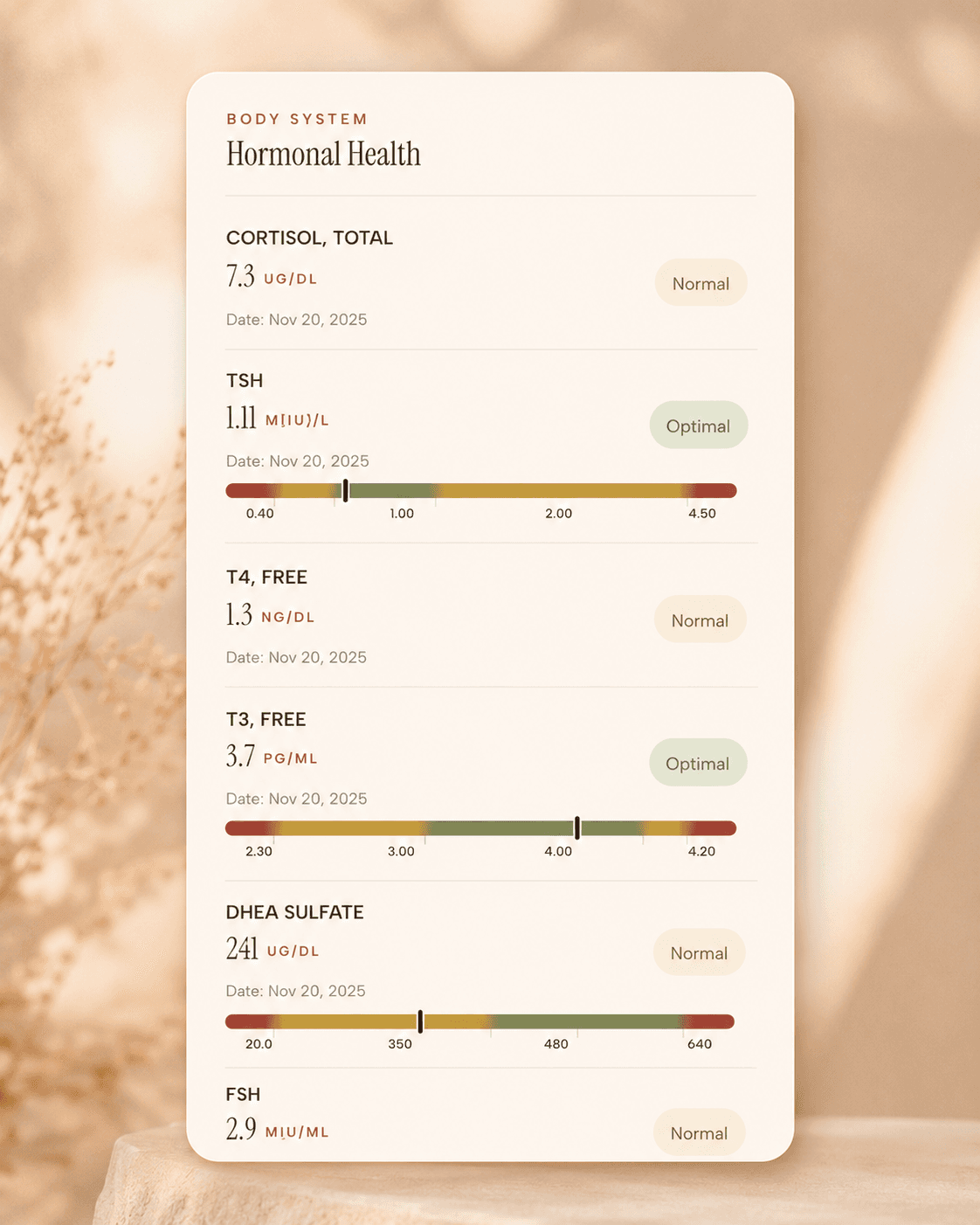
TSH
TSH is the master regulator of thyroid function, controlling the production of thyroid hormones T4 and T3. In functional medicine, we use narrower TSH ranges than conventional medicine to identify subclinical thyroid dysfunction early. Even mildly elevated TSH can indicate thyroid insufficiency, leading to fatigue, weight gain, depression, and metabolic dysfunction. TSH levels are influenced by stress, nutrient deficiencies, autoimmune conditions, and environmental toxins. Optimal TSH supports energy, metabolism…
Learn moreCortisol, Total
Cortisol is the primary stress hormone that regulates metabolism, immune function, and blood pressure. In functional medicine, cortisol assessment is crucial for understanding stress response and its impact on overall health. Chronic elevation suppresses testosterone production and immune function, while low cortisol indicates adrenal insufficiency. Optimal cortisol rhythm supports energy, mood stability, and hormone balance. Cortisol orchestrates the body's stress response and daily energy rhythms. Balanced cor…
Learn moreWhite Blood Cell Count
White blood cell count (WBC) measures the total number of immune cells and is fundamental for assessing immune system health. In functional medicine, WBC count reflects immune system activity, infection status, and overall health resilience. Low WBC may indicate immunosuppression, nutritional deficiencies, or bone marrow dysfunction. High WBC suggests infection, inflammation, stress, or hematologic conditions. The WBC differential provides detailed information about specific immune cell types and their functions…
Learn moreLab testing
Get CRP, CBC, and TSH checked at Quest
starting from $99 panel with 100+ tests, one visit
No referral needed
About 1 week
Schedule online — results typically within a week
Clear next steps
Guidance included, with follow-up care available
HSA / FSA
Eligible for pre-tax health spending accounts
Pro Tips
Do a “sweat signature” check: if you wake hot and then cool off fast, it behaves like a hot flash; if you wake sweaty but not hot and you’re gasping or snoring, think sleep apnea and prioritize a sleep test.
Keep a spare set of pajamas and a towel within arm’s reach so you can change quickly and get back to sleep; the faster you cool and dry, the less likely you are to fully wake up and spiral into insomnia.
If you take a medication that can lower blood sugar, ask your clinician whether a bedtime snack with protein (like yogurt or nuts) is appropriate for you; overnight lows can trigger sweating and vivid dreams.
Try a two-week “timing reset” where you move your hottest shower earlier in the evening and keep the last hour before bed calm and cool; it helps your body temperature drop, which is a key signal for sleep.
If your sweats are new, drenching, and happening most nights, take your temperature once when you wake sweaty and once in the afternoon for three days; that simple data helps separate hot-flash patterns from true fever patterns.
Frequently Asked Questions
Are night sweats in your 60s normal or a bad sign?
They can be “normal” in the sense that common causes like hot flashes, sleep apnea, and medication effects are frequent in your 60s. They’re more concerning when they’re new and drenching and you also have weight loss, persistent fever, or swollen lymph nodes. If you’re unsure, start with a symptom log and consider basic labs like a CBC, CRP, and TSH to narrow the possibilities.
What’s the difference between night sweats and a fever?
With a fever, your temperature is truly elevated and you often feel chilled before you sweat as the fever breaks. With hot-flash-type sweats, you usually feel a sudden wave of heat and then cool off quickly, and your temperature may be normal when you check it. Taking your temperature when you wake sweaty for a few nights can give you a surprisingly clear clue.
Can sleep apnea really cause night sweats?
Yes. When breathing repeatedly pauses or narrows, your body releases adrenaline to reopen the airway, and that surge can trigger sweating even in a cool room. If you snore, wake with a dry mouth, or feel tired despite enough hours in bed, ask about a home sleep study because treating apnea often improves sweating within weeks.
Which blood tests are most useful for night sweats?
A complete blood count (CBC) can flag infection or abnormal blood cell patterns, CRP can show whether inflammation is active, and TSH can screen for an overactive thyroid that drives heat and sweating. These tests don’t diagnose every cause, but they help you decide whether you’re dealing with a hormone/sleep issue versus an inflammatory one. If results are abnormal, the next step is usually targeted follow-up rather than repeating the same tests.
When should I worry about lymphoma with night sweats?
Night sweats alone are rarely enough to point to lymphoma, but the concern rises if you also have unexplained weight loss, persistent fevers, or new, firm swollen lymph nodes that don’t go away. In that situation, don’t wait it out at home—book a prompt evaluation and bring a clear timeline of symptoms. A CBC is a reasonable starting test, but imaging or specialist review may be needed based on your exam.
Research and guidelines worth knowing
North American Menopause Society (NAMS) position statement on hormone therapy (updated guidance on vasomotor symptoms)
AASM clinical practice guideline for positive airway pressure (PAP) treatment of obstructive sleep apnea in adults
International Workshop on CLL: “B symptoms” (including night sweats) as part of lymphoma/leukemia assessment criteria