Hot Flashes in Your 60s: What They Mean and What Helps
Hot flashes in your 60s often come from low estrogen, thyroid overactivity, or medication effects. Targeted blood tests available—no referral needed.





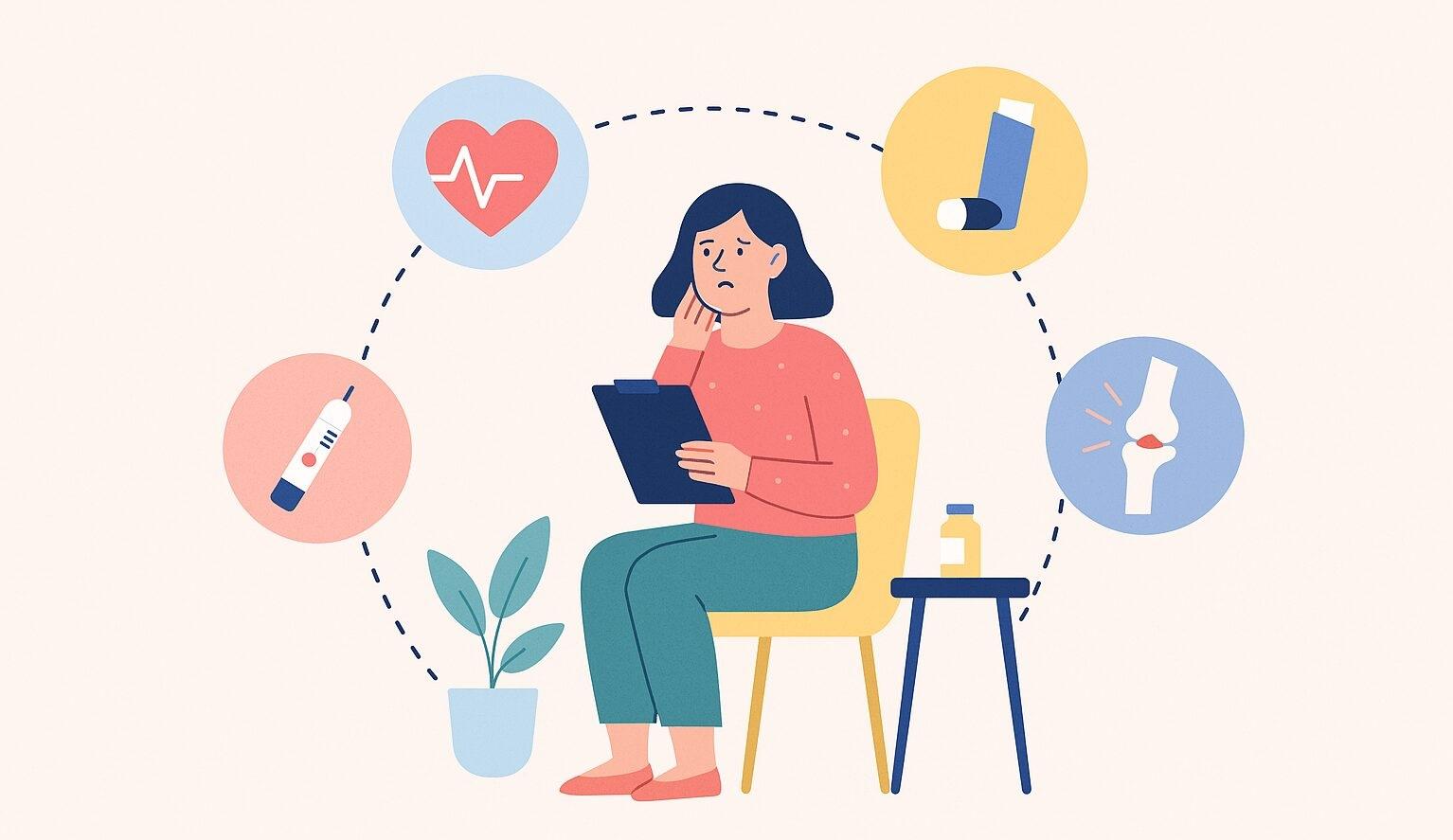
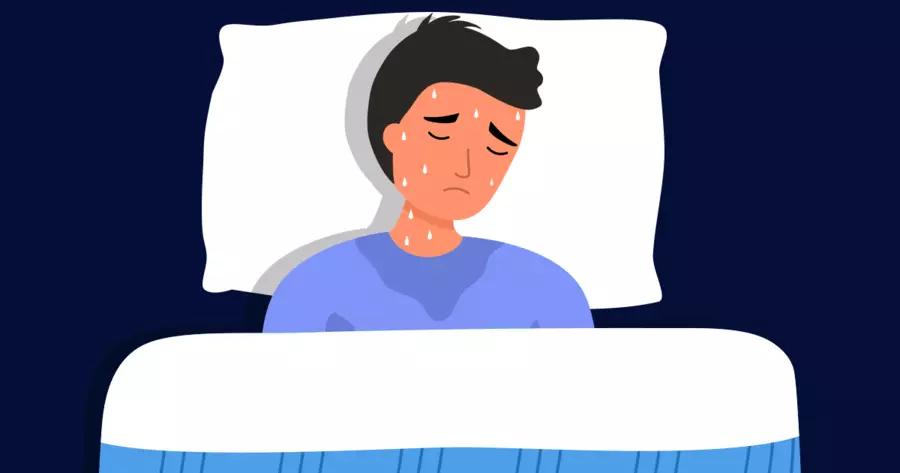
Hot flashes in your 60s are usually your brain’s temperature control system reacting to hormone changes that can persist after menopause, but they can also be driven by thyroid overactivity or medication side effects. The pattern matters: sudden heat with sweating and a racing heart is common, and blood tests can help sort out whether hormones, thyroid, or another trigger is in the driver’s seat. It can feel unfair to still be dealing with this years after your last period, especially when sleep gets wrecked and you start planning your day around “will I overheat?” The tricky part is that hot flashes are a real body signal, but the same sensation can come from several different pathways. Below you’ll see the most common reasons hot flashes show up in your 60s, what tends to help in real life, and which labs can clarify the picture. If you want help connecting your exact symptoms, meds, and history, PocketMD can walk through it with you, and Vitals Vault labs can give you objective data to bring to your clinician.
Why you can still get hot flashes in your 60s
Your brain’s thermostat stays sensitive
Even after menopause, lower estrogen can keep the part of your brain that controls body temperature (hypothalamus) “twitchy,” so small changes feel big. That is why a warm room, a hot drink, or mild stress can suddenly flip into a wave of heat and sweating. If your flashes come in quick surges that last a few minutes and then fade, this mechanism is often the reason. A simple trigger log for two weeks can show whether heat, alcohol, or emotional stress is consistently setting you off.
Thyroid overactivity can mimic flashes
If your thyroid is running fast, your body burns energy harder at rest, which can feel like internal heat, sweating, and a pounding heartbeat. This can look exactly like a hot flash, but it tends to come with other clues such as new tremor, frequent bowel movements, or unexplained weight loss. The helpful takeaway is that thyroid-related heat episodes are very treatable once identified, and a TSH with free T4 is usually enough to flag the problem. If your flashes are new or suddenly worse in your 60s, this is one of the first things worth checking.
Medication side effects and interactions
Several common medications can trigger flushing by widening blood vessels or nudging brain chemicals involved in temperature control. In your 60s, this often shows up after a dose change or a new prescription, and it can be especially noticeable with some antidepressants, opioids, steroids, and certain blood pressure medicines. The practical move is to look back at the two to four weeks before the hot flashes started and note any medication or supplement changes, including “as needed” meds. Bring that timeline to your prescriber so they can consider a swap, a slower titration, or a different dosing time.
Stopping estrogen or cancer therapies
If you have had breast cancer or you are on hormone-blocking treatment, hot flashes can be intense because your body is being pushed toward very low estrogen on purpose. That drop can tighten the temperature “comfort zone,” which means you can swing from fine to drenched quickly, especially at night. The key takeaway is that you still have options even when estrogen therapy is off the table, including nonhormonal prescription treatments and targeted lifestyle changes. If your hot flashes started after starting or stopping tamoxifen, aromatase inhibitors, or estrogen, tell your oncology team because they can often adjust the plan without compromising care.
Sleep disruption and blood sugar swings
Poor sleep makes your stress hormones run higher the next day, and that can lower your threshold for a flush. Nighttime hot flashes also overlap with blood sugar dips, especially if you go to bed after a sugary snack or you skip dinner and wake up sweaty at 3 a.m. You do not need a perfect diet to test this idea; try a protein-forward evening snack and see whether the 2–4 a.m. wake-ups ease over a week. If you also have loud snoring or morning headaches, sleep apnea can be part of the story and is worth discussing.
What actually helps with hot flashes
Build your personal trigger plan
Hot flashes are often predictable once you look closely, but your triggers might not match your friend’s. Track each episode for 10–14 days and write down what happened in the 30 minutes before, plus how intense it felt on a 1–10 scale. When you spot a repeat pattern, you can make one targeted change, like switching to iced coffee or moving your warm shower earlier in the day. This approach sounds simple, but it often cuts frequency more than random “try everything” advice.
Use fast cooling during a surge
When a flash hits, your goal is to cool the skin quickly so your brain’s thermostat stops overreacting. A small fan helps, but a cold pack on the back of your neck or a cool washcloth on your face works faster because those areas are temperature-sensitive. If you get night sweats, keep a spare top and a towel by the bed so you can change quickly and fall back asleep instead of fully waking up. The win is not just comfort; it is protecting your sleep, which reduces tomorrow’s flashes too.
Consider nonhormonal prescriptions
If hot flashes are disrupting sleep or daily life, nonhormonal medications can reduce them without using estrogen. Low-dose paroxetine, venlafaxine, gabapentin, and the newer neurokinin-3 receptor blockers work through brain signaling that influences heat regulation, so they can help even years after menopause. The best choice depends on your other symptoms, because gabapentin may be useful if nights are the main problem, while an SSRI/SNRI can be a better fit if anxiety or low mood is also present. Ask your clinician about expected benefit within 1–4 weeks and what side effects to watch for.
Hormone therapy when it’s appropriate
For some people, hormone therapy can still be an option in their 60s, but the decision is more individualized because baseline risks change with age and time since menopause. The point is not “yes or no,” it is “what is your risk profile, and what symptom relief do you need?” If you are considering it, come prepared with your personal and family history of blood clots, stroke, breast cancer, and heart disease, because that is what drives the conversation. If estrogen is not safe for you, it is still worth asking about non-estrogen options rather than just enduring the symptoms.
Fix the sleep-hot flash loop
Hot flashes and poor sleep feed each other, so breaking the loop can make everything easier. Set your bedroom up like a sleep tool: breathable sheets, a lighter duvet, and a cool room, and avoid heavy blankets that trap heat and trigger sweating. If you wake up sweaty at the same time most nights, try shifting alcohol earlier or skipping it for a week, because alcohol fragments sleep and can trigger late-night flushing. If you suspect sleep apnea, treating it can reduce nighttime sweating and improve energy even if hot flashes do not disappear overnight.
Useful biomarkers to discuss with your clinician
Estradiol
Estradiol in men is produced from testosterone via aromatase enzyme. In functional medicine, we recognize that men need optimal estradiol levels for bone health, cognitive function, and cardiovascular protection. However, excessive estradiol can suppress testosterone production and cause feminizing effects. The testosterone-to-estradiol ratio is crucial for male health, with optimal balance supporting vitality while preventing estrogen dominance. Balanced estradiol levels in men support bone health and cognitive…
Learn moreTSH
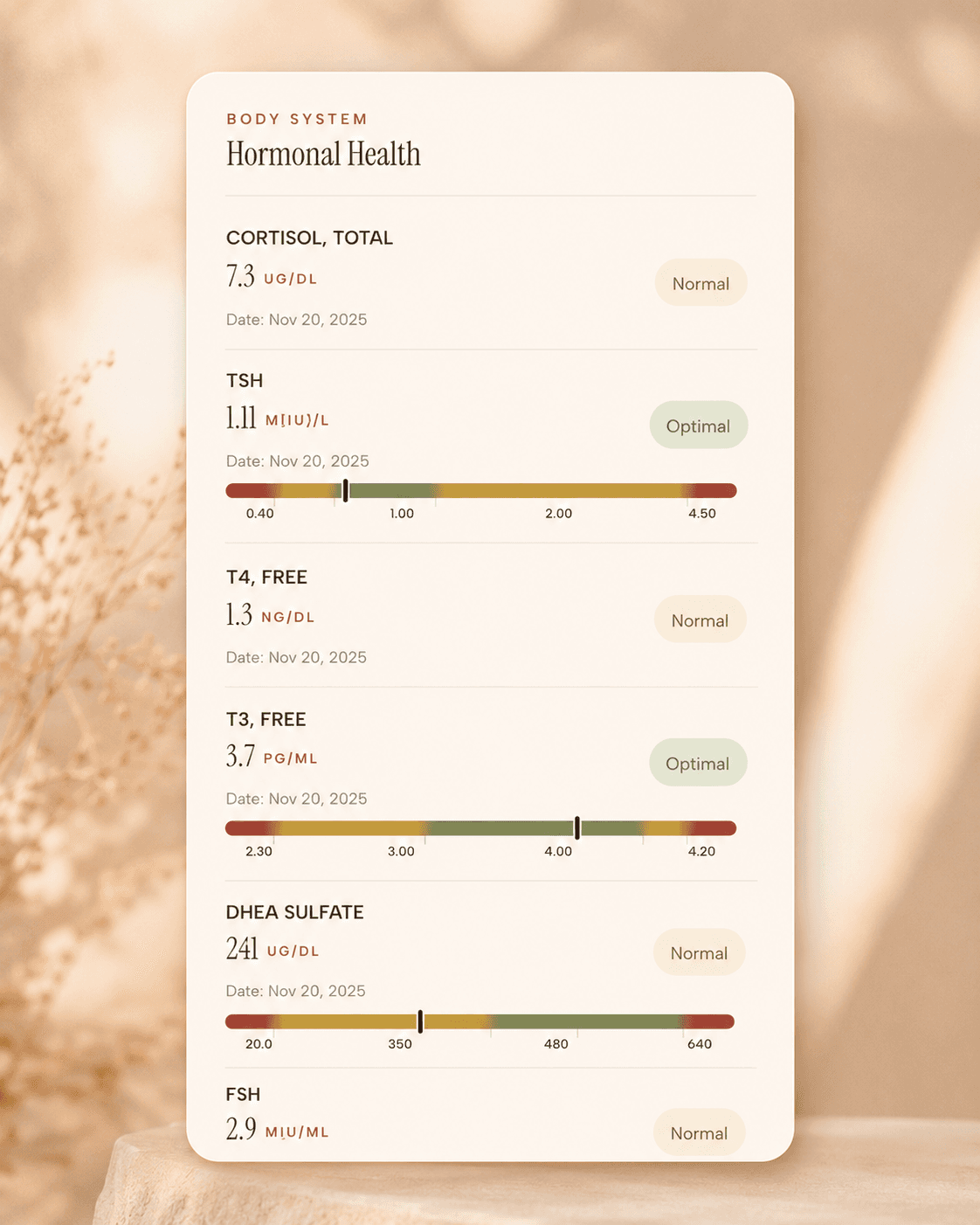
TSH is the master regulator of thyroid function, controlling the production of thyroid hormones T4 and T3. In functional medicine, we use narrower TSH ranges than conventional medicine to identify subclinical thyroid dysfunction early. Even mildly elevated TSH can indicate thyroid insufficiency, leading to fatigue, weight gain, depression, and metabolic dysfunction. TSH levels are influenced by stress, nutrient deficiencies, autoimmune conditions, and environmental toxins. Optimal TSH supports energy, metabolism…
Learn moreDhea Sulfate
DHEA-S levels reflect adrenal function and decline naturally with age. It's used to evaluate adrenal tumors, congenital adrenal hyperplasia, and androgen excess conditions like PCOS. Some consider it a marker of biological aging and stress resilience. DHEA-Sulfate (DHEA-S) is a hormone produced by the adrenal glands that serves as a precursor to sex hormones (testosterone and estrogen). It's the most abundant steroid hormone in the body.
Learn moreLab testing
Get TSH, free T4, and estradiol checked at Quest
starting from $99 panel with 100+ tests, one visit
No referral needed
About 1 week
Schedule online — results typically within a week
Clear next steps
Guidance included, with follow-up care available
HSA / FSA
Eligible for pre-tax health spending accounts
Pro Tips
Try the “neck cool-down” trick: keep a gel cold pack in the fridge and place it on the back of your neck for 60–90 seconds when a flash starts, because it can shut down the surge faster than waiting it out.
If night sweats wake you, change your goal from “fall back asleep perfectly” to “get back to bed fast.” Keep a dry shirt by the bed and swap it quickly so you do not lie there damp and wide awake.
If you drink alcohol, run a one-week experiment where you either skip it or move it earlier in the evening, because late alcohol is a common trigger for 2–4 a.m. sweating even when you feel fine at bedtime.
When you log hot flashes, include what you were doing emotionally, not just what you ate. Many people find that a tense phone call or rushing out the door is a bigger trigger than food, which means pacing and breathing breaks can be surprisingly effective.
If you are on a new medication and the timing matches your hot flashes, do not stop it abruptly. Call the prescriber and ask, “Could this be causing flushing, and is there a safer alternative or a slower dose change?”
Frequently Asked Questions
Is it normal to have hot flashes in your 60s?
Yes. For some people, hot flashes persist for years after menopause because low estrogen keeps your brain’s temperature control system extra sensitive. They can also show up again if you start or stop hormones, change medications, or develop thyroid overactivity. If your flashes are new or suddenly much worse, ask about checking TSH with free T4 and reviewing recent medication changes.
Why did my hot flashes come back years after menopause?
Hot flashes can return when something lowers your “trigger threshold,” such as poor sleep, increased stress, alcohol later in the evening, or a new medication that affects blood vessels or brain signaling. Sometimes the reason is medical, like thyroid overactivity, which can cause heat intolerance and sweating that feels identical to a flash. A two-week symptom log plus a TSH/free T4 test often clarifies whether this is a lifestyle pattern or a treatable condition.
What is the best nonhormonal treatment for hot flashes in older women?
The “best” option depends on your main problem: gabapentin is often helpful when night sweats and sleep disruption are the biggest issue, while an SSRI/SNRI such as low-dose paroxetine or venlafaxine can help when mood or anxiety is also part of the picture. Newer neurokinin-3 receptor blockers are another option for moderate-to-severe symptoms. Ask your clinician what improvement to expect within 1–4 weeks and how to adjust if side effects show up.
Can thyroid problems cause hot flashes and sweating?
They can. When your thyroid is overactive, your body generates more heat and you may sweat easily, feel shaky, or notice a racing heart, which can be mistaken for menopause hot flashes. A simple blood test—TSH with free T4—can usually detect this, and treating the thyroid problem often reduces the heat episodes. If you have new palpitations, weight loss, or tremor along with flushing, put thyroid testing near the top of your list.
When should I worry that hot flashes are something serious?
Get urgent care if the “hot flash” comes with chest pain, fainting, severe shortness of breath, confusion, or a high fever, because those are not typical menopause patterns. You should also get checked sooner if you have drenching night sweats with unexplained weight loss, swollen lymph nodes, or symptoms that are steadily escalating. For everything else, schedule a visit to review medications and consider labs like TSH/free T4 and estradiol so you are not guessing.