Mental Fatigue at Night: Causes, Relief, and Lab Tests
Mental fatigue at night often comes from sleep debt, stress hormones staying high, or low iron/B12. Targeted labs available at Quest—no referral needed.





Mental fatigue at night usually happens because your brain is running on empty from sleep debt, all-day cognitive load, or stress hormones that never fully “turn off.” It can also be a body-fuel issue, like low iron stores or low vitamin B12, which makes thinking feel slow and effortful. A few targeted labs can help you figure out which bucket you’re in so you stop guessing. This symptom is common in burned-out professionals, caregivers, and students because your day is packed with decisions, interruptions, and emotional labor. By evening, your attention system is simply less resilient, so small tasks feel huge and you may feel oddly numb or unmotivated. The good news is that nighttime mental fatigue is often reversible once you identify the main driver. If you want help sorting your pattern, PocketMD can talk it through with you, and Vitals Vault labs can confirm (or rule out) common nutrient and thyroid contributors.
Why your brain crashes at night
Sleep debt and fragmented sleep
If you are consistently short on sleep, your brain builds up “sleep pressure,” which makes focus and working memory feel like they are stuck in mud by evening. Even if you are in bed long enough, frequent awakenings can prevent deep sleep, so you wake up technically “rested” but run out of mental fuel later. A simple clue is that you feel better after one or two nights of truly uninterrupted sleep. Try treating your next two nights like an experiment: protect a fixed wake time and aim for a quiet, dark window that allows at least 7.5–8.5 hours in bed.
Decision fatigue from constant switching
Your brain pays a real energy cost every time you switch tasks, context, or emotional roles, which is why multitasking feels productive but leaves you drained. By night, you may notice you can still scroll or watch TV, but anything that requires planning or creativity feels impossible. That pattern usually means your attention system is overloaded rather than “lazy.” The takeaway is to reduce switching earlier in the day by batching messages and making a short “tomorrow list” before dinner so your brain can stop holding open loops.
Stress hormones stay elevated
When your stress system is on all day, your body can keep cortisol (your main stress hormone) higher into the evening, which makes you feel wired but mentally tired at the same time. You might feel restless, irritable, or emotionally flat, and you can’t “land” even when work is done. This matters because high evening arousal blocks the recovery you need for the next day. A practical move is to create a 20–30 minute downshift ritual that signals safety to your nervous system, such as a slow walk after dinner followed by a warm shower and low light.
Low iron stores (low ferritin)
Ferritin is your iron storage tank, and when it is low, your brain and muscles can struggle to use oxygen efficiently. You can feel mentally foggy, easily overwhelmed, and strangely exhausted after normal thinking, even if you are not anemic on a standard blood count. This is especially common if you have heavy periods, donate blood, or eat little red meat. If this sounds like you, ferritin testing is often more revealing than a basic “iron” number, and correcting low stores can noticeably improve evening stamina over weeks.
Low B12 or thyroid slowdown
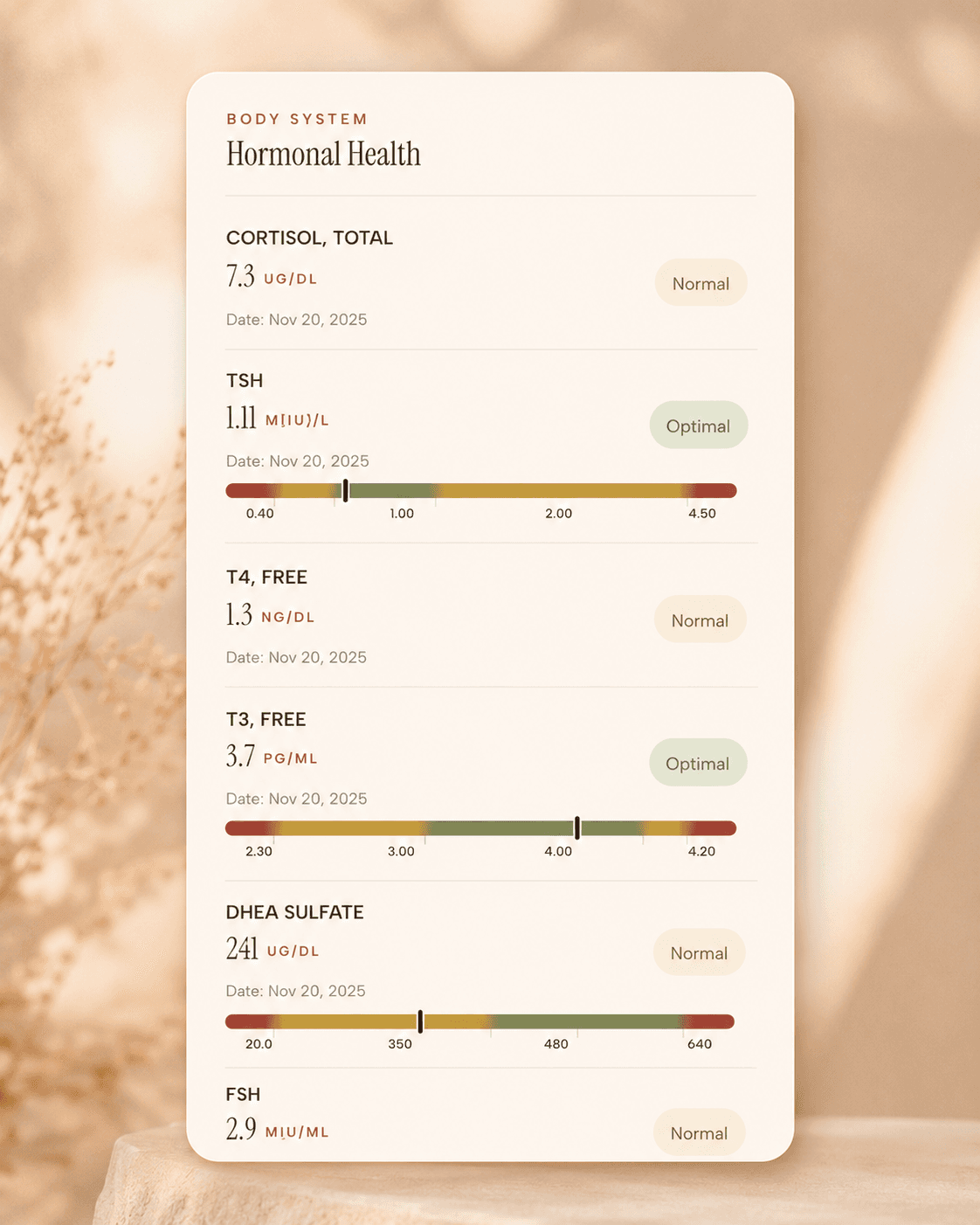
Vitamin B12 supports nerve function and brain signaling, so when it is low, concentration can fade and your thoughts can feel slow or “far away.” A sluggish thyroid (hypothyroidism) can create a similar experience because it slows your overall metabolic pace, which often shows up as evening brain fog plus cold intolerance, constipation, or dry skin. These are worth checking because they are treatable and easy to miss when you blame everything on stress. If you have persistent symptoms for more than a few weeks, a vitamin B12 level and a thyroid test can clarify whether there is a body-level contributor.
What actually helps you feel sharper
Do a two-week “energy audit”
For 14 days, rate your mental energy at 10am, 3pm, and 9pm on a 1–10 scale, and write one sentence about what your day looked like. Patterns show up fast, like crashes after late caffeine, long meetings, or skipping lunch. This matters because your brain fatigue is often predictable, which means it is also preventable. Once you see the pattern, you can change one lever at a time instead of trying to overhaul your whole life.
Set a hard stop for decisions
If your nights are ruined by decision fatigue, the fix is not “more willpower,” it is fewer decisions after a certain hour. Pick a time, like 7:30pm, after which you do not make plans, answer complex messages, or start new tasks. Your brain gets to recover, and you stop training yourself to work when you are depleted. Use a short template like “I’ll reply tomorrow morning” so you do not negotiate with yourself every night.
Use a real wind-down, not scrolling
Scrolling feels like rest, but it keeps your brain in a novelty loop, which delays sleepiness and makes you feel mentally “fried.” A better wind-down is low-stimulation and sensory, such as stretching while listening to one familiar playlist, or reading paper pages under warm light. The goal is to lower input so your attention system can reset. If you try this for five nights, you will usually notice your brain feels less brittle by late evening.
Time caffeine like a medication
Caffeine can be a hidden reason you feel tired-but-wired at night because it blocks sleep pressure for hours. A practical rule is to keep caffeine to the morning and stop at least 8 hours before your target bedtime, and earlier if you are sensitive. This matters because even if you fall asleep, caffeine can reduce deep sleep, which sets you up for another evening crash tomorrow. If you are cutting back, taper over a week to avoid headaches and rebound fatigue.
Treat the body-level cause you find
If labs show low ferritin, you and your clinician can decide whether diet changes, iron supplementation, or investigating heavy bleeding makes the most sense. If vitamin B12 is low, the fix may be oral B12, injections, or addressing absorption issues, especially if you take metformin or acid-blocking medicines. If thyroid testing suggests hypothyroidism, treating it can improve energy and mental clarity, but it should be guided by symptoms plus repeat labs. The point is that targeted treatment beats generic “self-care” when your biology is part of the problem.
Useful biomarkers to discuss with your clinician
Ferritin
Ferritin is your body's iron storage protein, reflecting total iron stores in the body. In functional medicine, ferritin assessment is crucial for identifying both iron deficiency and iron overload, conditions that can significantly impact energy levels and overall health. Low ferritin is the earliest sign of iron deficiency, often occurring before anemia develops. This can cause fatigue, weakness, restless leg syndrome, and cognitive impairment. Conversely, elevated ferritin may indicate iron overload, inflamma…
Learn moreVitamin B12
Vitamin B12 (cobalamin) is essential for DNA synthesis, red blood cell formation, neurological function, and energy metabolism. In functional medicine, we recognize that B12 deficiency is surprisingly common, especially in older adults, vegetarians, vegans, and those with digestive issues. B12 deficiency can cause irreversible neurological damage if left untreated. The vitamin is crucial for methylation reactions, which affect cardiovascular health, detoxification, and gene expression. Even subclinical deficienc…
Learn moreCortisol, Total
Cortisol is the primary stress hormone that regulates metabolism, immune function, and blood pressure. In functional medicine, cortisol assessment is crucial for understanding stress response and its impact on overall health. Chronic elevation suppresses testosterone production and immune function, while low cortisol indicates adrenal insufficiency. Optimal cortisol rhythm supports energy, mood stability, and hormone balance. Cortisol orchestrates the body's stress response and daily energy rhythms. Balanced cor…
Learn moreLab testing
Check ferritin, vitamin B12, and TSH at Quest
starting from $99 panel with 100+ tests, one visit
No referral needed
About 1 week
Schedule online — results typically within a week
Clear next steps
Guidance included, with follow-up care available
HSA / FSA
Eligible for pre-tax health spending accounts
Pro Tips
Try a “shutdown sentence” at the end of work: write the next three concrete steps for tomorrow on paper, then close the notebook. Your brain relaxes when it trusts you will not forget.
If you get mental fatigue at night with a second wind, move your hardest thinking earlier and reserve evenings for low-stakes tasks. Your attention system has a daily rhythm, and fighting it usually backfires.
Do a one-week caffeine reset experiment: keep the same total amount, but move your last dose earlier by 60–90 minutes each day until it is morning-only. Notice whether your evening mind feels calmer and your sleep feels deeper.
If you suspect low iron, look for “quiet” clues like getting winded on stairs, restless legs at night, or craving ice. Those details make ferritin results more meaningful when you talk with a clinician.
Use light on purpose: get outdoor light within an hour of waking, and dim lights for the last hour before bed. That simple contrast helps your brain know when to be alert and when to power down.
Frequently Asked Questions
Why do I feel mentally exhausted at night even if I didn’t do much physical activity?
Mental fatigue is often driven by cognitive load, not muscles, so a day full of decisions, interruptions, and emotional stress can drain you even if you barely moved. Your brain uses glucose and oxygen constantly, and it gets less efficient when you are sleep-deprived or stressed. If this happens most nights for more than 2–3 weeks, consider checking ferritin, vitamin B12, and TSH to rule out common body-level contributors.
Is mental fatigue at night a sign of burnout?
It can be, especially if you also feel cynical, emotionally numb, or like you cannot recover even after a weekend. Burnout overlaps with sleep debt and chronic stress activation, which is why evenings often feel like a “crash.” The actionable step is to track when the fatigue started and what changed, then protect a daily recovery block that is not screen-based.
Can low iron cause brain fog at night?
Yes. Low iron stores show up as low ferritin, and that can cause fatigue and brain fog even when your hemoglobin is normal. Many people with symptoms feel better when ferritin is above roughly 50 ng/mL, although the right target depends on your situation. If you have heavy periods or donate blood, ferritin is a particularly high-yield test to check.
What’s the difference between mental fatigue and sleepiness?
Sleepiness is your body pushing you toward sleep, so your eyelids feel heavy and you could doze off. Mental fatigue feels more like your brain cannot process, plan, or care, even if you are not yawning. If you are mentally fatigued but not sleepy, stress hormones, late caffeine, or overstimulation are common culprits, so try a low-light wind-down and earlier caffeine cutoff for five nights.
When should I worry about mental fatigue at night?
Pay closer attention if the fatigue is new and severe, if it comes with confusion, fainting, chest pain, or shortness of breath, or if you cannot function at work or school. Also take it seriously if you have unintentional weight loss, persistent low mood, or symptoms of thyroid problems like cold intolerance and constipation. If it is persistent but not urgent, start with a two-week log and consider ferritin, vitamin B12, and TSH testing to guide next steps.