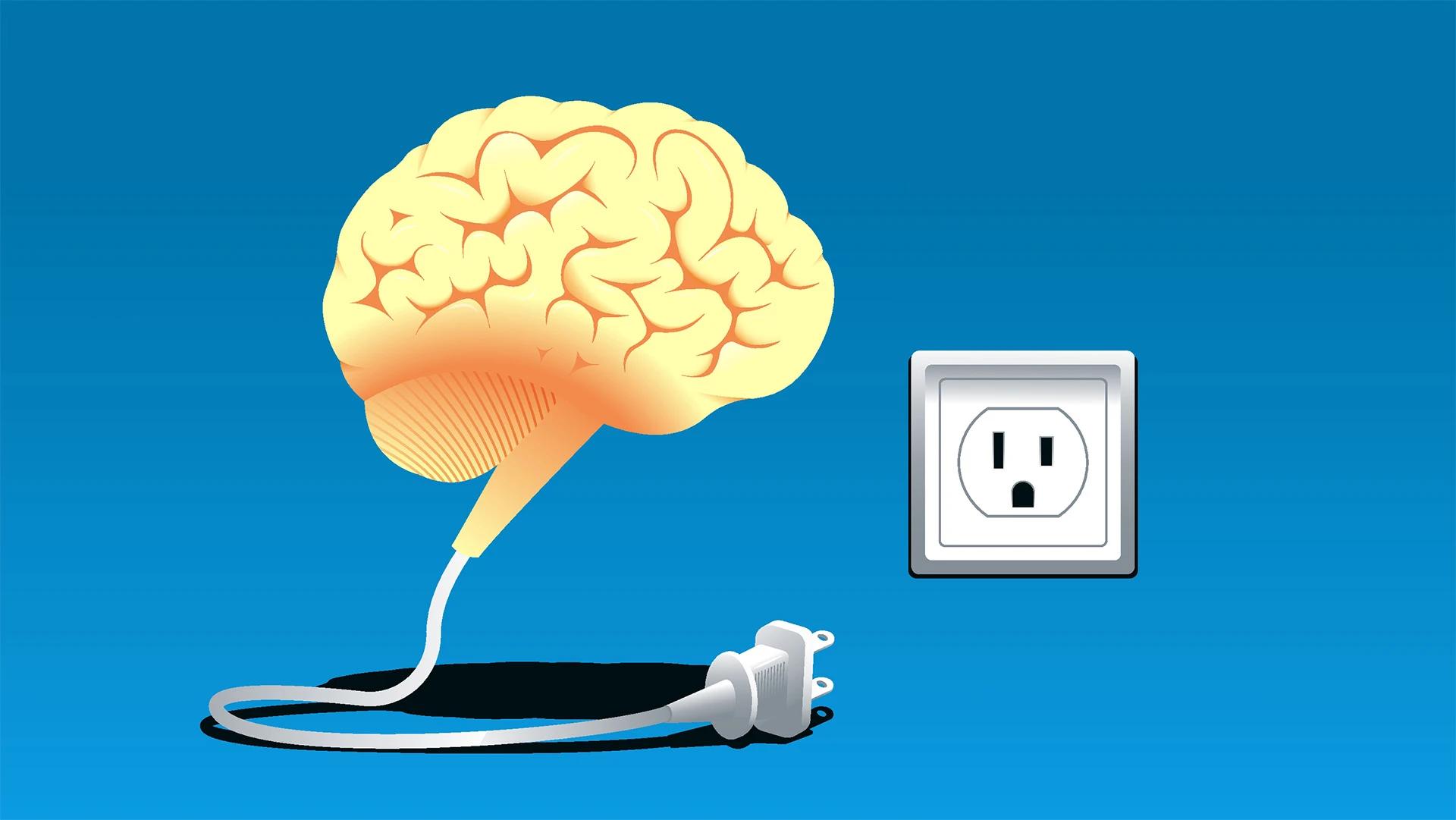
Memory Loss in Your 40s: What It Usually Means
Memory loss in 40s often comes from poor sleep, thyroid slowdown, or low B12, not dementia. Targeted blood tests available at Quest—no referral needed.






Memory loss in your 40s is most often your brain running on the wrong “fuel,” not your brain permanently failing. The usual culprits are poor or fragmented sleep, stress and overload that wreck attention, and treatable medical issues like low vitamin B12 or an underactive thyroid. A few targeted labs can help sort out which bucket you’re in so you can stop guessing. It’s scary to blank on a name you know you know, or to walk into a room and forget why you’re there. In your 40s, you’re also juggling more tabs at once—work, family, aging parents, health changes—and your brain’s “search function” is the first thing to feel it. The good news is that many causes are reversible, and even when something more serious is on the table, catching it early changes what you can do. This page walks you through the most common reasons memory slips happen in your 40s, what helps in a practical way, and which blood tests are worth doing. If you want help matching your exact pattern to the most likely causes, PocketMD can talk it through with you, and Vitals Vault labs can help you confirm what’s going on.
Why memory slips show up in your 40s
Sleep debt and broken sleep
Memory is built during sleep, especially deep sleep and REM, so when you’re short on sleep or waking often, your brain stores less and retrieves worse the next day. That can feel like “I’m getting forgetful,” but it’s often really “I can’t focus long enough to encode the memory in the first place.” If your memory is noticeably worse after a few rough nights, treat sleep like the first medical intervention: protect a consistent wake time and watch for snoring, gasping, or morning headaches that can point to sleep apnea.
Stress overload steals attention
When your stress system is stuck on high alert, your brain prioritizes threat and urgency over nuance, which means details do not stick. You can end up rereading emails, forgetting why you opened an app, or losing your train of thought mid-sentence because your attention keeps getting yanked away. A useful clue is that you can remember things you care about deeply, but you drop routine tasks and small commitments. If this sounds like you, the fastest win is reducing “context switching” by batching messages and using one capture system for tasks so your brain stops trying to hold everything at once.
Low B12 affects nerve function
Vitamin B12 helps maintain the insulation around nerves and supports brain chemistry, so when it’s low, thinking can feel slow and memory can feel unreliable. Some people also notice tingling in hands or feet, a sore tongue, or unusual fatigue, but you can have cognitive symptoms without obvious anemia. If you eat little to no animal products, take acid-suppressing meds, or have gut issues, you have a higher chance of low B12. Testing matters because “low-normal” can still cause symptoms, and the fix is straightforward once you know.
Thyroid slowdown dulls thinking
When your thyroid is underactive, your whole system runs a little slower, including the speed at which you process and retrieve information. That can show up as word-finding trouble, forgetfulness, and a heavy mental fog that feels different from simple distraction. You might also notice constipation, dry skin, feeling cold, or unexplained weight gain, but cognitive changes can be the first thing you take seriously. A TSH test can quickly tell you whether thyroid function deserves a closer look.
Post-viral brain fog and inflammation
After some viral illnesses, including COVID-19, your immune system can stay activated longer than you expect, and that can disrupt sleep, energy, and concentration. The result is often “brain fog,” where you can do tasks but it takes more effort, and multitasking feels impossible. This tends to improve over time, but it’s worth ruling out treatable contributors like anemia, thyroid issues, or B12 deficiency that can ride along. If your memory changes came on after an infection and you also have shortness of breath, chest pain, or fainting, get evaluated promptly rather than trying to push through.
What actually helps your memory (without guessing)
Fix the “encoding” problem first
A lot of memory loss in your 40s is really an attention problem, which means you can’t store the memory well in the first place. Try a simple rule for one week: when something matters, pause and say it to yourself in a full sentence, then write it in one place immediately. It sounds almost too basic, but it forces your brain to tag the moment as important. If you notice fewer “Where did I put that?” moments within days, you’ve found a big lever.
Treat sleep like a prescription
Pick a consistent wake time and protect it seven days a week, because your brain clock responds more to wake time than bedtime. If you wake at 3 a.m. and your mind starts racing, keep lights low and avoid checking the time, since that trains your brain to associate the night with problem-solving. If you snore loudly, wake with a dry mouth, or feel unrefreshed after 7–8 hours, ask about sleep apnea testing, because treating it can improve memory more than any supplement.
Correct B12 the right way
If labs show low or borderline B12, the best approach depends on why it’s low. If absorption is the issue, high-dose oral B12 or injections can work, but you want a plan that includes follow-up testing so you know you’re actually repleting stores. You usually feel changes in energy first, and cognition can follow over weeks rather than overnight. Bring your medication list, especially metformin or acid blockers, into the conversation because they can be part of the story.
Address thyroid issues, not just symptoms
If your thyroid is underactive, treating it can make your thinking feel “faster” again, but it often takes several weeks to notice the difference. The goal is not simply to land inside the lab’s normal range, but to match your dose to how you feel and where your TSH settles. Do not start or stop thyroid medication based on one number you saw online, because timing, dose, and other hormones can change interpretation. A clinician can help you adjust safely and recheck labs at the right interval.
Build a brain-friendly week, not a perfect day
Your brain does better with regular movement, steady blood sugar, and fewer late-night “second winds,” but you don’t need a total lifestyle overhaul to get benefits. Aim for a 20–30 minute brisk walk on most days, and try to keep alcohol to earlier in the evening since it fragments sleep even when you fall asleep fast. If you rely on caffeine, set a cutoff time that protects your sleep, because the memory payoff comes from the night that follows. Track one metric—like “How many times did I lose my train of thought today?”—so you can see progress instead of relying on vibes.
Useful biomarkers to discuss with your clinician
Vitamin B12
Vitamin B12 (cobalamin) is essential for DNA synthesis, red blood cell formation, neurological function, and energy metabolism. In functional medicine, we recognize that B12 deficiency is surprisingly common, especially in older adults, vegetarians, vegans, and those with digestive issues. B12 deficiency can cause irreversible neurological damage if left untreated. The vitamin is crucial for methylation reactions, which affect cardiovascular health, detoxification, and gene expression. Even subclinical deficienc…
Learn moreTSH
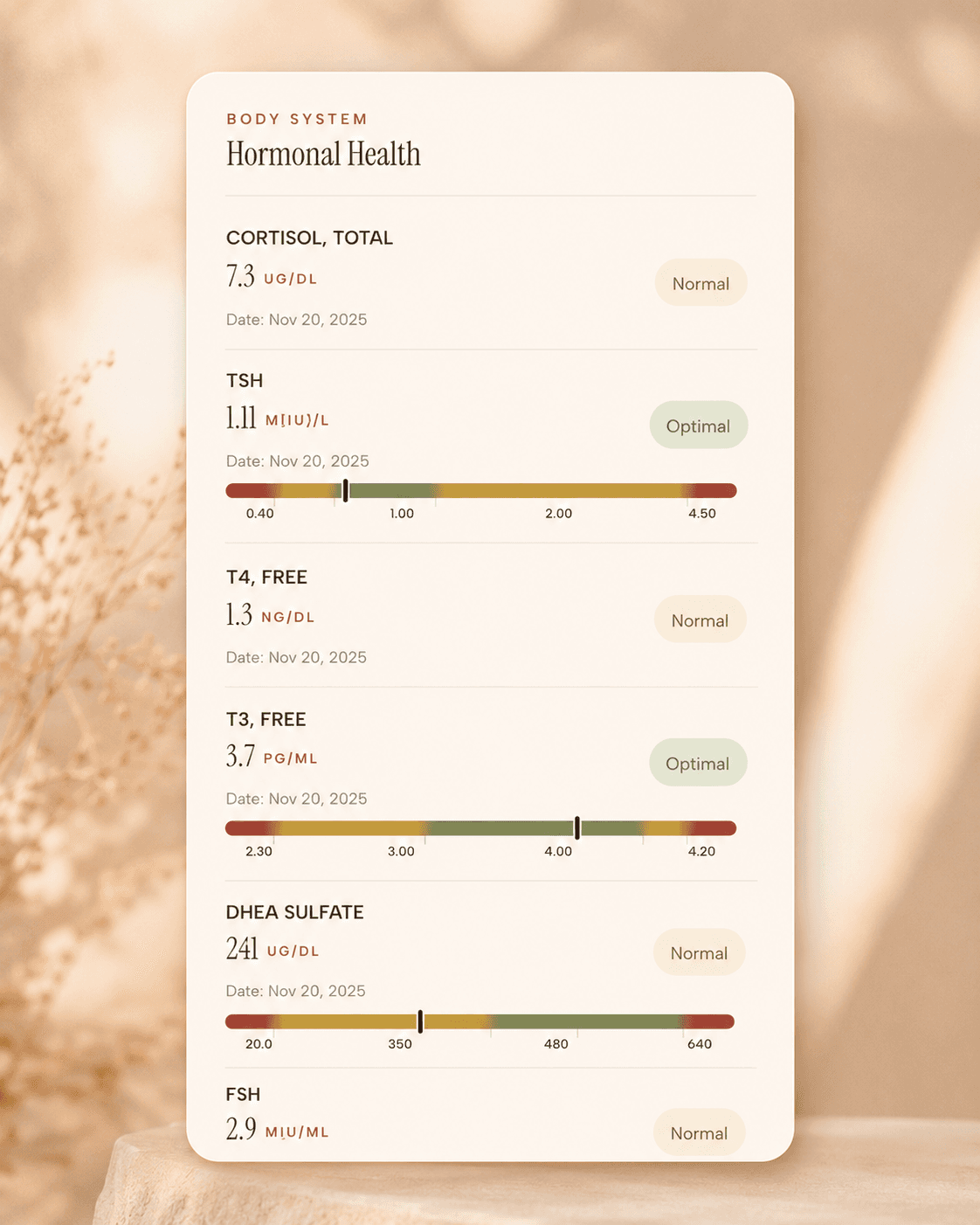
TSH is the master regulator of thyroid function, controlling the production of thyroid hormones T4 and T3. In functional medicine, we use narrower TSH ranges than conventional medicine to identify subclinical thyroid dysfunction early. Even mildly elevated TSH can indicate thyroid insufficiency, leading to fatigue, weight gain, depression, and metabolic dysfunction. TSH levels are influenced by stress, nutrient deficiencies, autoimmune conditions, and environmental toxins. Optimal TSH supports energy, metabolism…
Learn moreHomocysteine
Homocysteine is an amino acid metabolite that serves as an independent risk factor for cardiovascular disease, stroke, and cognitive decline. In functional medicine, elevated homocysteine indicates methylation dysfunction and B-vitamin deficiencies. High homocysteine promotes endothelial dysfunction, oxidative stress, and thrombosis. It's particularly important because it's easily modifiable through B-vitamin supplementation (B6, B12, folate). Homocysteine levels are also associated with Alzheimer's disease risk…
Learn moreLab testing
Check vitamin B12, thyroid (TSH), and inflammation (hs-CRP) at Quest
starting from $99 panel with 100+ tests, one visit
No referral needed
About 1 week
Schedule online — results typically within a week
Clear next steps
Guidance included, with follow-up care available
HSA / FSA
Eligible for pre-tax health spending accounts
Pro Tips
Do a two-week “memory pattern” log where you rate your sharpness from 1–10 at the same time each day and write one sentence about sleep quality, stress level, and alcohol timing. Patterns jump out fast, and that tells you what to fix first.
If you keep forgetting why you walked into a room, try saying your intention out loud as you stand up, like “I’m going to the kitchen for my keys.” It sounds silly, but it reduces the doorway effect and improves follow-through.
When you’re worried about dementia, test your “cue response”: if a hint helps you retrieve the memory, that often points toward attention or stress rather than true storage loss. Write down two examples to share with your clinician.
If you suspect B12 issues, do not start mega-dosing for months without checking levels, because it can mask what’s really going on. Get a baseline lab first, then recheck after 8–12 weeks to confirm you’re moving the needle.
Pick one external brain: a single notes app or notebook where every appointment, task, and idea goes immediately. The goal is not to be more disciplined—it is to stop your brain from burning energy on remembering to remember.
Frequently Asked Questions
Is memory loss in your 40s normal or a sign of dementia?
Occasional forgetfulness can be normal, especially when you’re stressed, sleep-deprived, or multitasking, because attention is what “records” memories. Dementia is more likely when problems are progressive, interfere with daily function, and show up as getting lost in familiar places or repeating questions without awareness. If your changes are new, worsening over months, or noticed by others, it’s worth a formal evaluation rather than self-diagnosing. Start by writing down 3–5 real examples and bring them to your clinician.
What are the red flags with memory loss that need urgent care?
Get urgent help if memory problems come on suddenly over minutes to hours, especially with one-sided weakness, trouble speaking, severe headache, or confusion, because that can signal a stroke. Also seek prompt evaluation if you have new hallucinations, severe personality change, or you cannot manage basic safety tasks like taking meds correctly. Those patterns are not “just stress.” If you’re unsure, it’s safer to be checked the same day.
Can low vitamin B12 really cause forgetfulness and brain fog?
Yes. Low B12 can affect nerve function and brain signaling, and it can show up as brain fog, slowed thinking, or memory slips even before obvious anemia appears. Many clinicians get concerned when B12 is below about 300 pg/mL, and borderline results sometimes need confirmation with methylmalonic acid or homocysteine. If you are vegetarian, take metformin, or use acid-suppressing meds, testing is especially worthwhile. Ask for a repeat level after treatment so you know it’s working.
Can thyroid problems cause memory loss in your 40s?
An underactive thyroid can make your thinking feel slower and your recall less reliable, and it often comes with fatigue that sleep does not fix. A TSH test is the usual first step, and many people feel best when TSH is roughly 0.5–2.5 mIU/L, although the right target depends on your situation. If TSH is high, your clinician may add free T4 and thyroid antibodies to clarify the cause. If you have symptoms plus an abnormal TSH, treating the thyroid can meaningfully improve cognition over weeks.
How do I tell the difference between ADHD, stress, and memory loss?
ADHD and chronic stress often look like memory loss because you miss details during the moment, which means the memory never gets stored well. A clue is that reminders or structure help a lot, and you can focus intensely on interesting tasks but struggle with routine ones. True memory storage problems tend to persist even when you slow down, reduce distractions, and use cues. If this pattern has been lifelong or started in childhood, consider an ADHD evaluation, and still rule out sleep problems and thyroid or B12 issues.