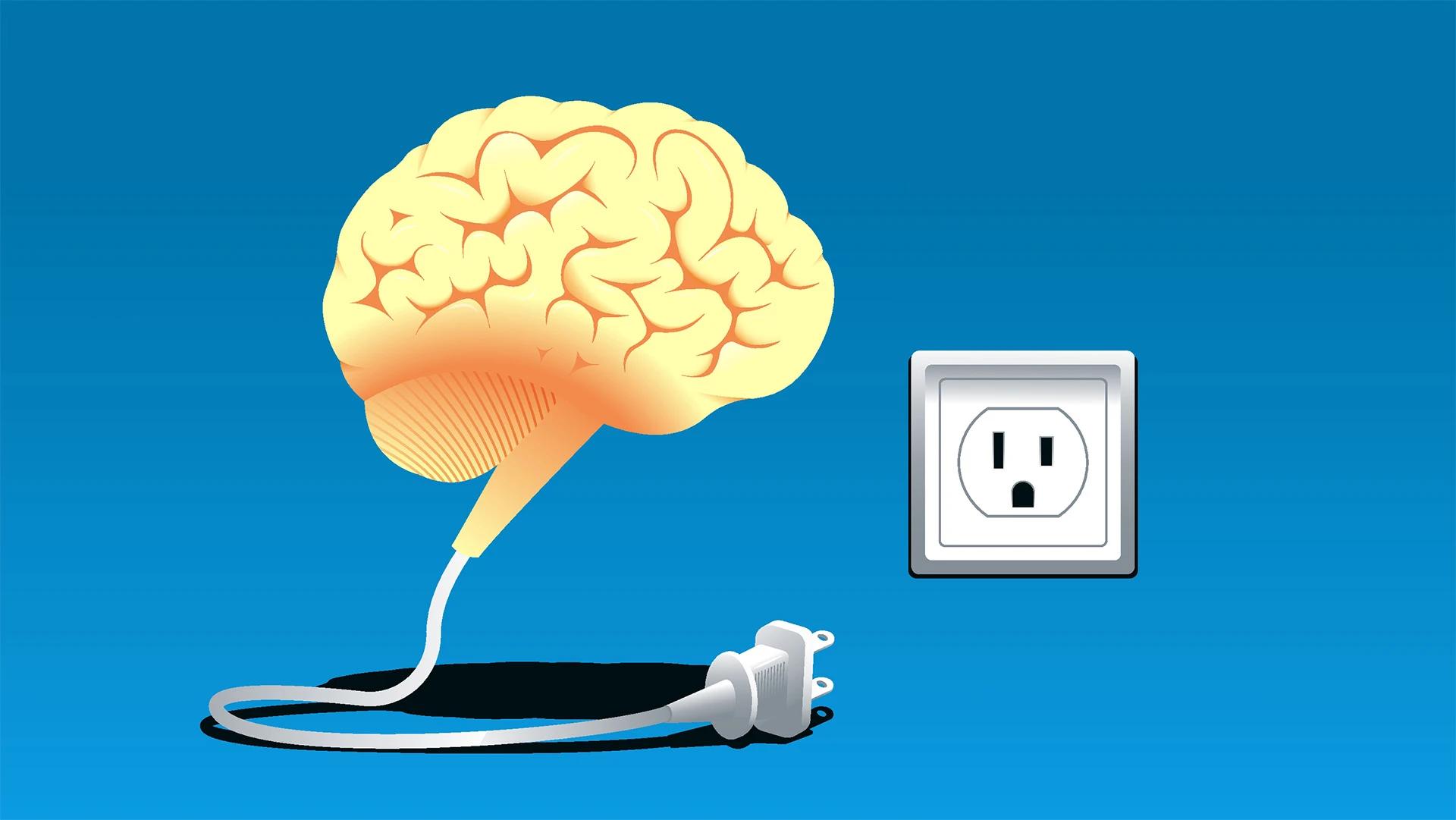
Memory Loss in Your 50s: What It Usually Means
Memory loss in your 50s often comes from sleep problems, thyroid or B12 issues, or stress and depression. Targeted labs available—no referral needed.






Memory loss in your 50s is often caused by things that are treatable, like poor sleep (including sleep apnea), low vitamin B12, thyroid slowdown, depression, or medication side effects. It can also be the start of a progressive brain condition, but that is not the most common explanation. A few targeted blood tests and a clear symptom timeline can help you figure out which bucket you’re in. What makes this scary is the uncertainty: you might forget a name, miss an appointment, or walk into a room and blank on why you’re there, and your mind jumps straight to Alzheimer’s. In reality, your brain’s “memory system” is sensitive to sleep quality, stress hormones, inflammation after illness, and even how well your body is making red blood cells. This guide walks you through the most common causes, what helps in real life, and which labs are most useful. If you want help sorting your specific pattern, PocketMD can talk it through with you, and Vitals Vault labs can help you check the most common reversible contributors.
Why memory slips show up in your 50s
Sleep apnea and broken sleep
When your sleep is shallow or repeatedly interrupted, your brain doesn’t get enough deep sleep to “file” memories and clear metabolic waste. That can look like losing words mid-sentence, forgetting what you just read, or feeling mentally slow even if you spent eight hours in bed. If you snore, wake up with a dry mouth, or feel sleepy in the afternoon, it’s worth asking about a sleep study because treating sleep apnea often improves memory within weeks.
Low vitamin B12
Vitamin B12 helps your nerves work properly and supports the brain’s chemical messaging, so low levels can show up as forgetfulness, low mood, or a “foggy” feeling. It is especially common if you take acid blockers, eat little animal protein, or have gut absorption issues. The practical takeaway is simple: don’t guess with supplements if you can test first, because very low B12 needs a clear replacement plan and follow-up.
Thyroid slowdown (hypothyroidism)
If your thyroid is underactive, your whole system runs a bit slower, including attention, processing speed, and recall. You might notice you need more effort to focus at work, and you may also feel colder than usual, constipated, or gain weight more easily. A TSH blood test is a straightforward way to check this, and treating an underactive thyroid can make your thinking feel “sharper” again.
Stress, anxiety, or depression
When your brain is stuck in threat mode, it prioritizes scanning for problems over forming new memories, which means you can feel forgetful even though your memory circuits are intact. Depression can also flatten motivation and attention, so tasks don’t “stick” the way they used to. If your memory issues are worse during high-stress weeks or you’re losing interest in things you normally enjoy, treating mood and stress is not a side quest — it can be the main fix.
Early neurodegenerative change
Sometimes memory loss in your 50s is an early sign of a progressive condition, especially if the pattern is steadily worsening over months and it is affecting your ability to manage finances, work tasks, or familiar routes. A red flag is when other people notice the change before you do, or when you are repeating the same questions and not remembering the answers later. If this sounds like you, don’t wait it out; a primary care visit and a formal cognitive screen can clarify whether you need a neurology referral.
What actually helps your memory (starting this week)
Treat sleep like a medical issue
If you suspect sleep apnea, the most effective “memory supplement” is getting it diagnosed and treated, often with CPAP or an oral device. Even without apnea, you can improve recall by protecting a consistent wake time and getting bright outdoor light within an hour of waking, because that anchors your brain’s sleep rhythm. After two to three weeks of steadier sleep, many people notice fewer word-finding stalls and less mental fatigue.
Do a medication reality check
A surprising number of common meds can dull attention, including some sleep aids, allergy pills that cause drowsiness, certain bladder medications, and higher-dose cannabis products. The key is not to stop anything abruptly, but to bring a list to your clinician and ask, “Which of these could affect memory, and what are safer alternatives?” One small change can make a bigger difference than a dozen lifestyle tweaks.
Use a 10-minute memory screen
A brief cognitive test in clinic can separate “I feel off” from a measurable change in attention, language, or short-term memory. That matters because it guides what happens next: sometimes you just need sleep and mood support, and sometimes you need imaging or specialist evaluation. If you’re tracking your own baseline, repeat the same tool every few months rather than switching tests, so you can see real trends instead of noise.
Strength train for brain support
Resistance training improves insulin sensitivity and blood flow, and both are tied to brain performance as you age. You do not need an extreme plan; two to three sessions per week that challenge your legs, hips, back, and pushing muscles is enough to matter. If you pair it with a short walk after meals, you often get an extra boost in focus because your blood sugar spikes are smaller.
Build a “frictionless” reminder system
When your working memory feels unreliable, you need fewer decisions, not more willpower. Pick one capture tool for everything — a notes app, a pocket notebook, or voice memos — and make it a rule that tasks only count if they land there. This reduces the daily anxiety of “I’m forgetting something,” which itself can worsen memory.
Useful biomarkers to discuss with your clinician
Vitamin B12
Vitamin B12 (cobalamin) is essential for DNA synthesis, red blood cell formation, neurological function, and energy metabolism. In functional medicine, we recognize that B12 deficiency is surprisingly common, especially in older adults, vegetarians, vegans, and those with digestive issues. B12 deficiency can cause irreversible neurological damage if left untreated. The vitamin is crucial for methylation reactions, which affect cardiovascular health, detoxification, and gene expression. Even subclinical deficienc…
Learn moreTSH
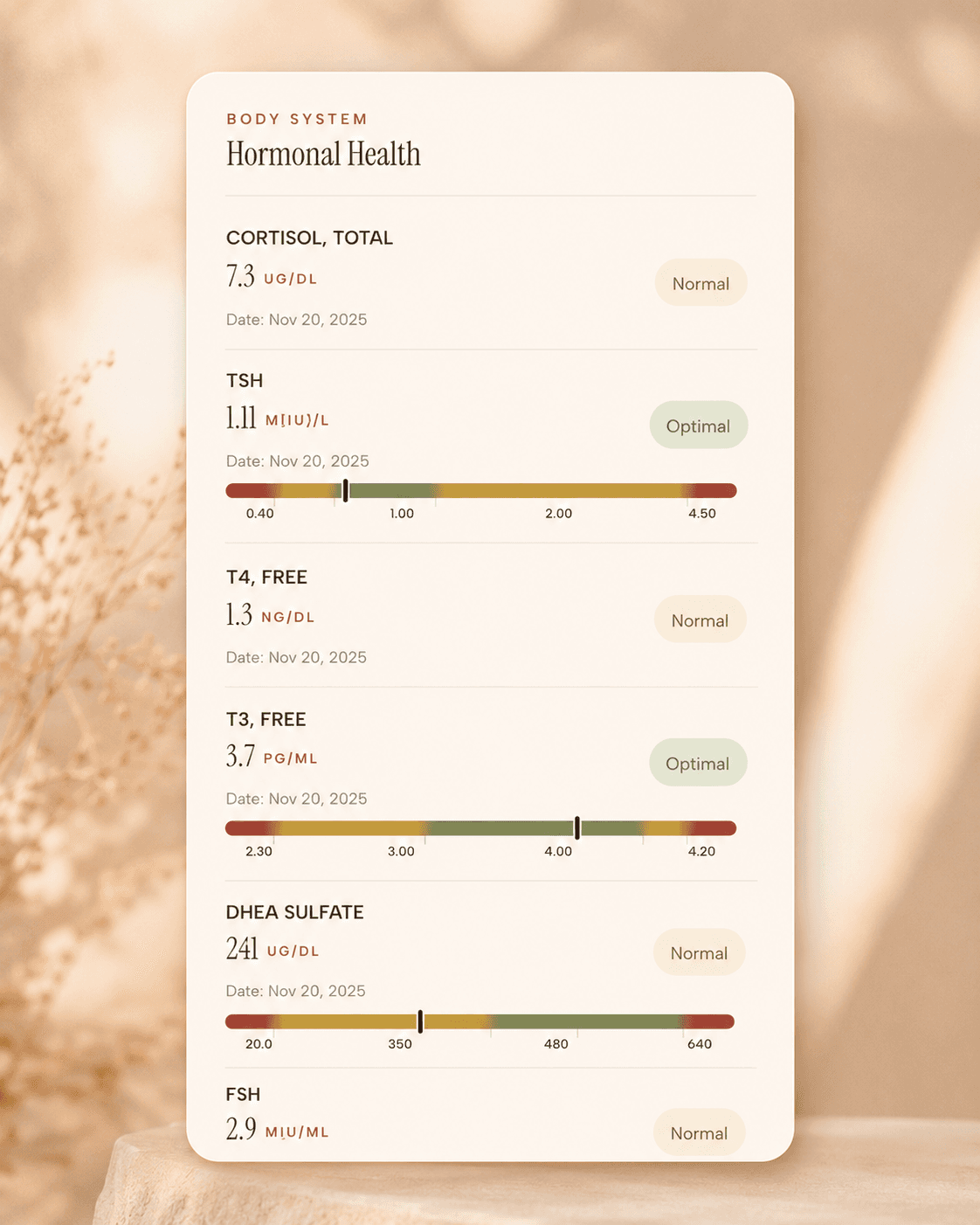
TSH is the master regulator of thyroid function, controlling the production of thyroid hormones T4 and T3. In functional medicine, we use narrower TSH ranges than conventional medicine to identify subclinical thyroid dysfunction early. Even mildly elevated TSH can indicate thyroid insufficiency, leading to fatigue, weight gain, depression, and metabolic dysfunction. TSH levels are influenced by stress, nutrient deficiencies, autoimmune conditions, and environmental toxins. Optimal TSH supports energy, metabolism…
Learn moreHomocysteine
Homocysteine is an amino acid metabolite that serves as an independent risk factor for cardiovascular disease, stroke, and cognitive decline. In functional medicine, elevated homocysteine indicates methylation dysfunction and B-vitamin deficiencies. High homocysteine promotes endothelial dysfunction, oxidative stress, and thrombosis. It's particularly important because it's easily modifiable through B-vitamin supplementation (B6, B12, folate). Homocysteine levels are also associated with Alzheimer's disease risk…
Learn moreLab testing
Check B12, thyroid (TSH), and long-term blood sugar (HbA1c) at Quest
starting from $99 panel with 100+ tests, one visit
No referral needed
About 1 week
Schedule online — results typically within a week
Clear next steps
Guidance included, with follow-up care available
HSA / FSA
Eligible for pre-tax health spending accounts
Pro Tips
Try a two-week “memory pattern” log: write down the slip, what you were doing, how you slept the night before, and whether you were stressed or rushing. Patterns like “only on poor sleep days” or “only in meetings” are incredibly diagnostic.
If names are your problem, use the “say it twice” trick: repeat the person’s name once in the first sentence and once when you leave. You are forcing your brain to encode it instead of letting it float by.
When you read something important, close the page and summarize it out loud in one sentence. That tiny retrieval effort is what turns reading into memory.
If you suspect sleep apnea, record 30 seconds of your sleep sounds with your phone on two different nights. Bringing that to a visit often speeds up getting a sleep study ordered.
Pick one place for essentials at home and never negotiate with yourself about it. Keys, wallet, and glasses should live in the same bowl or hook, because reducing daily “search stress” frees up attention for everything else.
Frequently Asked Questions
Is memory loss in your 50s normal aging or something serious?
Some increase in “tip-of-the-tongue” moments can be normal, but memory loss that is getting steadily worse or interfering with work, finances, driving, or daily routines deserves evaluation. Treatable causes like sleep apnea, low vitamin B12, thyroid problems, and depression are common in your 50s and can mimic something more serious. If the change is noticeable to others or you are repeating the same questions, book a cognitive screen and basic labs.
What are the red flags for early dementia in your 50s?
Red flags include progressive worsening over months, getting lost in familiar places, trouble managing bills or complex tasks you used to handle, and repeating stories or questions without remembering you already asked. Personality changes or new problems with language can also be clues. If any of these are happening, ask for a formal cognitive assessment rather than relying on self-tests.
Can low B12 really cause memory problems?
Yes. Low vitamin B12 can affect nerve function and brain signaling, which can feel like forgetfulness, slower thinking, or brain fog. Many clinicians pay closer attention when B12 is below about 300 pg/mL, especially if symptoms fit, and deficiency is more likely below 200 pg/mL. The actionable step is to test and then recheck after treatment to confirm your level actually improved.
Can sleep apnea cause forgetfulness even if I’m not overweight?
Absolutely. Sleep apnea is about airway anatomy and sleep physiology, not just weight, and it can fragment sleep enough to impair attention and memory. Clues include loud snoring, gasping, morning headaches, and daytime sleepiness, but some people mainly notice brain fog. If you suspect it, ask about a home sleep test because treatment can improve cognition surprisingly fast.
Which blood tests are most useful for memory loss in your 50s?
The most practical starting trio is vitamin B12, TSH (thyroid), and HbA1c (average blood sugar), because abnormalities in these are common, measurable, and often reversible. If those are normal but symptoms persist, your clinician may add tests like folate, CBC, CMP, or inflammatory markers depending on your story. Start by getting the basics checked and bring your results to a visit so they can be interpreted in context.