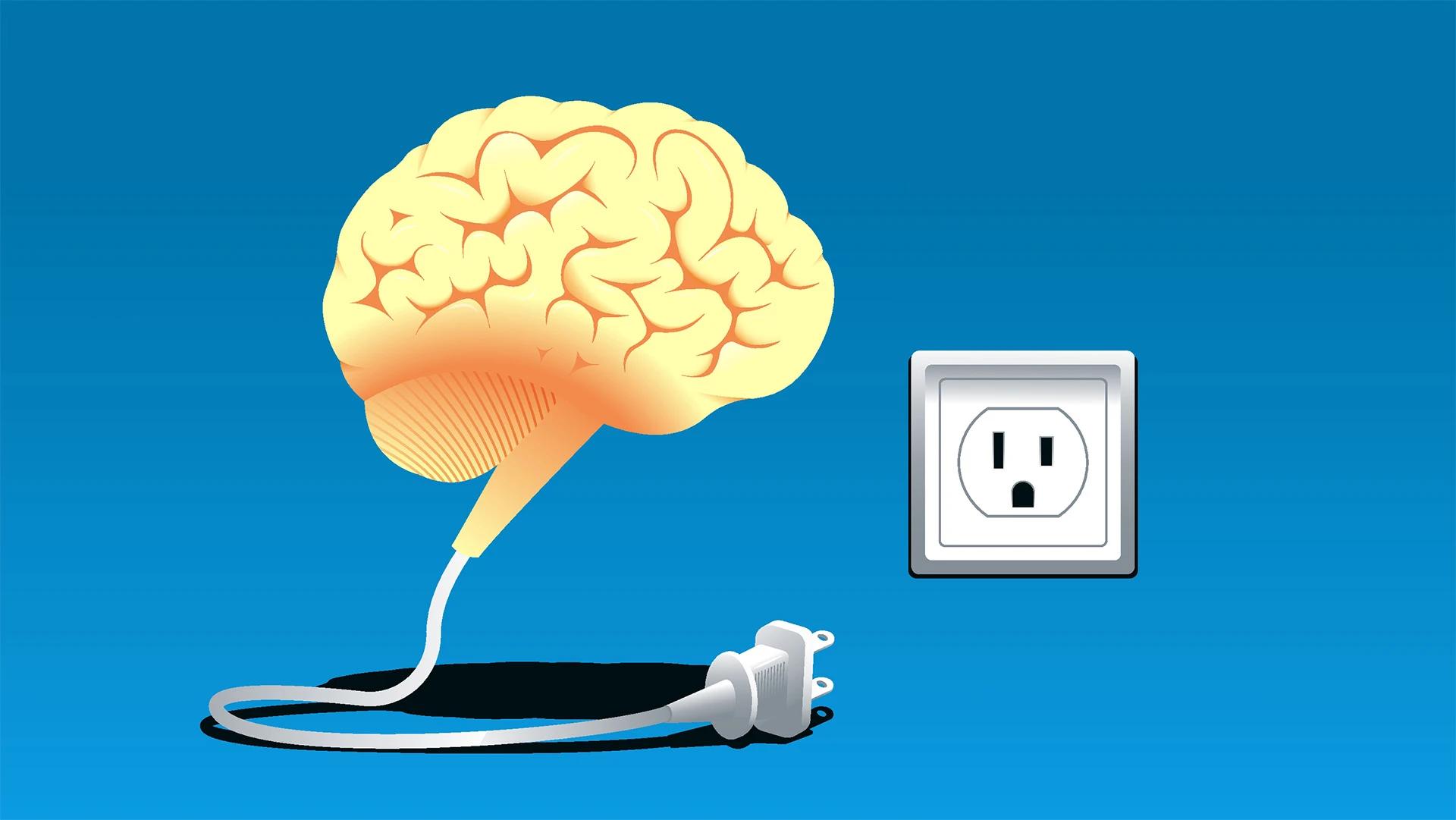
Why You’re Having Memory Loss in Your 30s
Memory loss in your 30s is often from poor sleep, stress overload, or thyroid/B12 issues. Targeted labs can help pinpoint it—no referral needed.






Memory loss in your 30s is usually not dementia. It is most often your brain struggling to store and retrieve information because you are sleep-deprived, chronically stressed, or dealing with a fixable body issue like low vitamin B12 or an underactive thyroid. A few targeted labs can help sort out which bucket you are in so you are not guessing. Still, it is unsettling when you blank on a familiar name, walk into a room and forget why, or reread the same email three times. In your 30s you are often juggling work pressure, parenting, irregular sleep, and sometimes post-viral changes after COVID, which can all hit attention and recall. This page walks you through the most common causes, what helps in a practical way, and which blood tests are most useful; if you want help matching your exact pattern to the most likely cause, PocketMD can talk it through with you, and Vitals Vault labs can help you check the reversible stuff.
Why memory slips happen in your 30s
Sleep debt and fragmented sleep
Your brain files memories during deep sleep and REM, so when you are short on sleep or waking repeatedly, new information never gets stored cleanly. That can feel like “my memory is getting worse,” but it is often more like your brain never had a chance to save the file. If your forgetfulness is worse after late nights, snoring, or a new baby, treat sleep as the first medical intervention, not a luxury.
Stress overload and constant multitasking
When your stress system is stuck on high alert, your attention narrows and your working memory gets crowded out by worry and to-do lists. You might notice you lose your train of thought mid-sentence or you cannot recall what you just read, especially during busy weeks. A useful clue is that you can remember things fine when you are relaxed, which points toward attention being the bottleneck rather than true memory loss.
Low vitamin B12 affecting nerves
Vitamin B12 helps maintain the insulation around nerves (myelin), and when it is low you can get brain fog, slower recall, and sometimes tingling in your hands or feet. The tricky part is that your B12 can be “low-normal” and still not be enough for you, especially if you eat little animal protein, take acid blockers, or have gut issues. If you suspect this, ask for B12 testing and do not start mega-doses blindly, because it can mask other problems.
Thyroid slowdown (hypothyroidism)
When your thyroid is underactive, your whole system runs a little slower, including processing speed and word-finding. It can show up as “I feel dull” or “I can’t think fast,” and it often comes with dry skin, constipation, feeling cold, or unexplained weight gain. The good news is that thyroid-related cognitive symptoms often improve noticeably once the underlying thyroid problem is identified and treated.
Post-viral brain fog after COVID
After COVID, some people develop lingering inflammation and autonomic changes that make concentration and recall feel unreliable, especially in the afternoon or after exertion. It often feels like you are mentally “buffering,” and pushing harder can backfire. If this is your pattern, pacing and structured recovery matter, and it is also worth checking for treatable contributors like anemia, thyroid changes, or B12 deficiency that can ride along with post-viral fatigue.
What actually helps your memory (without guessing)
Fix sleep like it’s a prescription
Aim for a consistent wake time for two weeks, because your brain responds more to regularity than to one “catch-up” night. If you snore, wake with headaches, or feel unrefreshed after 7–8 hours, ask about sleep apnea screening, since untreated apnea can look like memory loss. A simple win is to protect the last hour before bed from work messages, because mental arousal is a common reason you fall asleep but do not stay asleep.
Reduce cognitive load on purpose
If your brain is juggling too many open loops, it will feel forgetful even when it is healthy. Pick one capture system you actually use (notes app or a small notebook) and write tasks down immediately, then schedule two short “review” times daily so you are not constantly scanning your mind. This is not a productivity hack; it is a way to free working memory so you can remember conversations and names again.
Train recall with spaced repetition
When you want to remember names, terms, or new work material, rereading is the slow path. Instead, test yourself briefly, then revisit the information after 1 day, 3 days, and 7 days, because that spacing forces your brain to strengthen retrieval. Even five minutes a day can make your memory feel more reliable because you are practicing the exact skill you think you are losing.
Treat the reversible medical causes
If labs show low B12 or thyroid dysfunction, addressing it can improve memory and mental energy in weeks to months, not years. The key is to treat the cause, not just the symptom, which means confirming the deficiency and following a plan your clinician agrees with. If you are already supplementing, tell your clinician, because supplements can change test interpretation and dosing decisions.
Know when to get checked urgently
Most forgetfulness in your 30s is benign, but sudden confusion, new trouble speaking, one-sided weakness, or the “worst headache” of your life is an emergency. More gradual red flags include getting lost in familiar places, major personality change, or memory problems that are clearly worsening month to month. If any of those fit, book an in-person evaluation rather than trying to solve it with lifestyle tweaks.
Useful biomarkers to discuss with your clinician
Vitamin B12
Vitamin B12 (cobalamin) is essential for DNA synthesis, red blood cell formation, neurological function, and energy metabolism. In functional medicine, we recognize that B12 deficiency is surprisingly common, especially in older adults, vegetarians, vegans, and those with digestive issues. B12 deficiency can cause irreversible neurological damage if left untreated. The vitamin is crucial for methylation reactions, which affect cardiovascular health, detoxification, and gene expression. Even subclinical deficienc…
Learn moreTSH
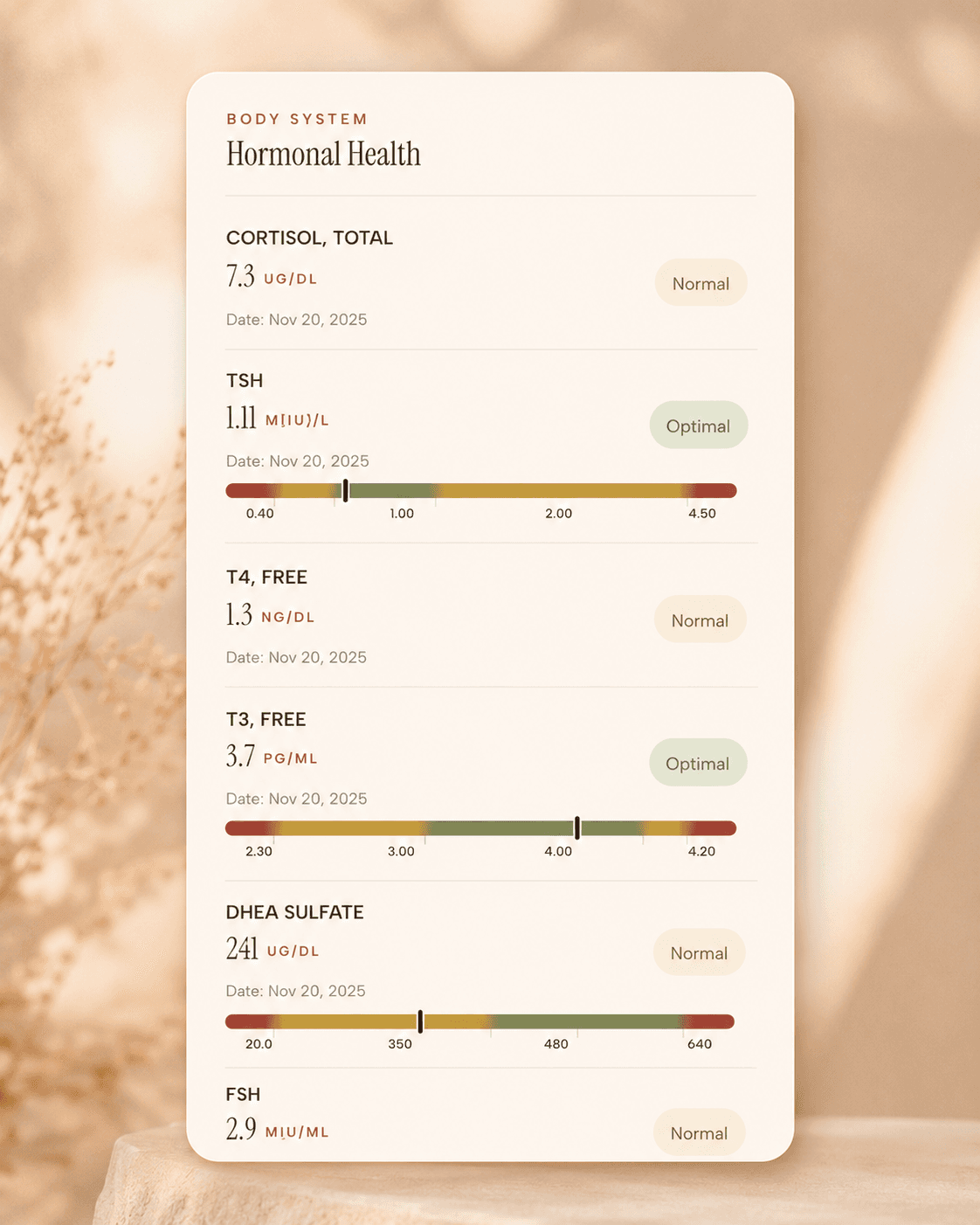
TSH is the master regulator of thyroid function, controlling the production of thyroid hormones T4 and T3. In functional medicine, we use narrower TSH ranges than conventional medicine to identify subclinical thyroid dysfunction early. Even mildly elevated TSH can indicate thyroid insufficiency, leading to fatigue, weight gain, depression, and metabolic dysfunction. TSH levels are influenced by stress, nutrient deficiencies, autoimmune conditions, and environmental toxins. Optimal TSH supports energy, metabolism…
Learn moreFolate, Serum
Folate (vitamin B9) is crucial for DNA synthesis, cell division, and one-carbon metabolism. In functional medicine, adequate folate is essential for cardiovascular health, cognitive function, and preventing neural tube defects during pregnancy. Folate works synergistically with B12 and B6 in methylation reactions that affect homocysteine levels, neurotransmitter synthesis, and gene expression. The synthetic form, folic acid, may not be well-utilized by individuals with MTHFR gene variants, making natural folate…
Learn moreLab testing
Check B12, thyroid, and inflammation markers at Quest
starting from $99 panel with 100+ tests, one visit
No referral needed
About 1 week
Schedule online — results typically within a week
Clear next steps
Guidance included, with follow-up care available
HSA / FSA
Eligible for pre-tax health spending accounts
Pro Tips
Do a two-week “memory pattern” log: write down when slips happen, how you slept the night before, and whether you were multitasking. Patterns usually show up fast, and they point you toward the right fix.
If names are the problem, use a repeat-and-link trick: say the name out loud once, then connect it to a detail you can picture (“Maya with the red mug”). That tiny effort improves recall more than trying harder later.
If you suspect post-COVID brain fog, try pacing with a timer: 25 minutes of focused work, then 5 minutes of true rest with your eyes off screens. The goal is to prevent the afternoon crash that makes memory feel unreliable.
When you start a new supplement for cognition, change only one thing at a time and keep the dose steady for two weeks. Otherwise you will never know what helped, and you can accidentally overdo stimulants that worsen sleep.
If you keep rereading the same paragraph, switch to retrieval: close the tab and write a two-sentence summary from memory, then check what you missed. That is how you teach your brain to pull information back on demand.
Frequently Asked Questions
Is memory loss in your 30s a sign of Alzheimer’s?
Usually, no. In your 30s, memory complaints are far more often related to sleep disruption, stress, depression/anxiety, thyroid problems, or vitamin B12 deficiency than to Alzheimer’s disease. If you are functioning well overall but feel “foggy,” start by checking sleep and reversible medical causes, and consider labs like TSH and vitamin B12.
What’s the difference between forgetfulness and brain fog?
Forgetfulness is often a retrieval problem, like you know the name is in there but it will not come out. Brain fog is more like slowed processing and poor attention, so information never gets encoded clearly in the first place. If you are losing track while reading or during conversations, that points more toward attention and fatigue than true memory storage issues.
Can low B12 really cause memory problems even if my blood count is normal?
Yes. Neurologic symptoms from low B12 can show up before anemia does, which is why a “normal” CBC does not rule it out. If your B12 is below about 400 pg/mL and you have symptoms, asking about MMA can help confirm whether your tissues are actually B12-deficient. Bring your diet and any acid-blocker use to that conversation because they change risk.
How do I know if my thyroid is affecting my memory?
Thyroid-related cognitive symptoms often come with slowed thinking, low energy, feeling cold, constipation, dry skin, or weight changes. A useful first check is TSH with free T4, because a high TSH can signal an underactive thyroid that can mimic depression and brain fog. If results are borderline, ask your clinician how they fit your symptoms rather than treating a number in isolation.
When should I worry about memory loss and see a doctor fast?
Get urgent care if memory trouble comes with sudden confusion, new trouble speaking, one-sided weakness, fainting, or a severe sudden headache. For non-emergencies, book an evaluation if you are getting lost in familiar places, your family notices a clear change, or symptoms are steadily worsening over months. Write down a few concrete examples before the visit so you do not blank when you are asked to describe it.