Why Is Your Libido Lower After Exercise?
Low libido after exercise often comes from low energy availability, cortisol spikes, or low testosterone/estrogen. Targeted labs at Quest—no referral needed.





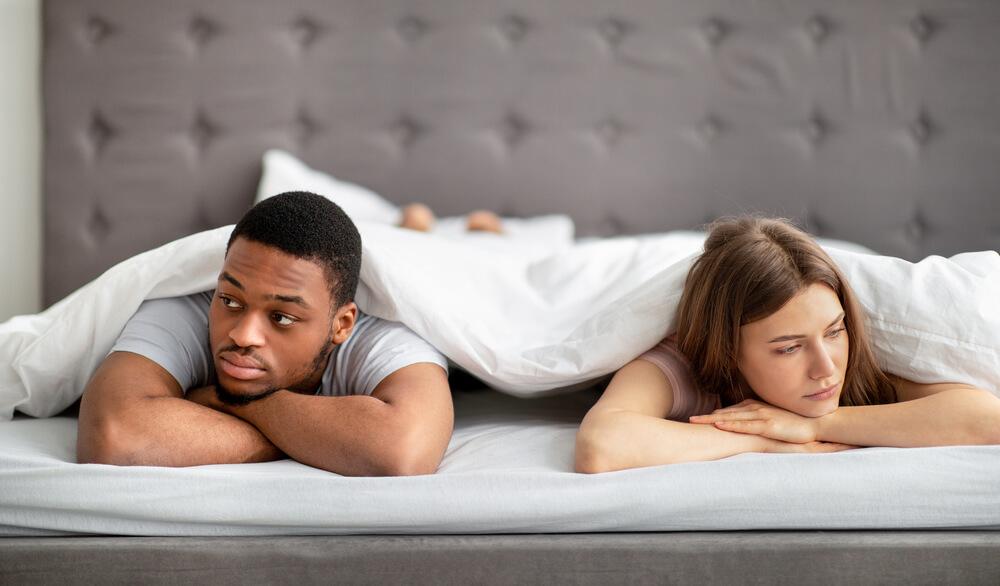
Low libido after exercise usually means your body is prioritizing recovery over reproduction, often because you are under-fueled, under-recovered, or running high on stress hormones like cortisol. It can also happen when sex hormones dip, such as lower testosterone in men or disrupted estrogen and ovulation in women, especially with intense training or weight loss. A few targeted blood tests can help you figure out which pattern fits you. This can feel confusing because exercise is “supposed” to boost mood and confidence, so when your sex drive drops you may worry something is wrong with you or your relationship. In reality, libido is a sensitive signal that your brain uses to decide whether your body has enough energy, sleep, and safety to invest in sex. The good news is that you can usually fix the driver without giving up fitness. If you want help sorting your specific situation, PocketMD can help you connect your training, symptoms, and labs into a clear next step.
Why your libido drops after exercise
You are under-fueled for training
If you burn a lot of energy but do not replace enough of it, your brain reads that as a shortage and quietly turns down “non-urgent” functions like sex drive. This is often called low energy availability, and it can show up as low libido, feeling cold, irritability, or stalled progress despite working hard. The takeaway is simple but not easy: your libido is a clue that your current training load and your current fueling are not matching.
Stress hormones stay switched on
Hard workouts temporarily raise your stress hormone (cortisol), which is normal, but if you train intensely while sleeping poorly or feeling chronically stressed, that cortisol signal can stay elevated. When that happens, your body tends to favor alertness and recovery over arousal, so you may feel “wired but not interested.” If your libido drop is worst after late-day training or during high-stress weeks, this pattern is especially likely.
Overtraining and poor recovery
When your training load outpaces recovery, your nervous system can shift into a more fatigued, flat state, which often feels like low motivation in general, including for sex. You might notice that even light touch feels less appealing, or that you can get aroused mentally but your body does not “follow through.” A practical clue is performance that plateaus or backslides along with a higher resting heart rate or unusually heavy legs.
Sex hormones dip with intense training
In men, heavy endurance training or significant calorie deficit can lower testosterone, which can reduce spontaneous desire and make erections less reliable. In women, intense training plus low energy can disrupt ovulation, which lowers estrogen and progesterone and often blunts libido while also changing periods. If your libido drop comes with fewer morning erections, cycle changes, or vaginal dryness, it is worth checking hormones rather than assuming it is “just stress.”
Thyroid slowdown or iron issues
Sometimes the real issue is not the workout itself, but an underlying problem that exercise exposes because it adds demand. Low thyroid function can make you feel sluggish, mentally foggy, and less interested in sex, while low iron can leave you wiped out after workouts and too depleted to feel desire. If you also have constipation, hair shedding, or breathlessness that feels out of proportion to your fitness, bring that up with a clinician and consider labs.
What actually helps (without quitting workouts)
Match carbs to workout intensity
If libido drops after hard sessions, try adding carbohydrates around training rather than only “eating clean” later. A simple experiment is 30–60 grams of carbs in the hour before or after intense work, because that can reduce the stress response and support thyroid and sex hormone signaling. You are not doing this to “earn food,” you are doing it to tell your brain you are safe and well-fueled.
Build in true recovery days
Your body needs low-stress days to rebuild hormones and nervous system balance, not just lighter versions of the same grind. Aim for at least one full rest day per week, and consider a deload week every 4–8 weeks if you train hard year-round. If your libido returns on rest days, that is useful data that the fix is recovery, not willpower.
Move intense workouts earlier
Late-day high-intensity training can push cortisol and adrenaline into the evening, which can make you tired but not sleepy and blunt sexual interest at night. If you can, shift intervals, heavy lifting, or long runs earlier in the day and keep evenings for easier movement. Many people notice libido improves simply because sleep improves.
Protect sleep like it is training
Libido is tightly linked to sleep because your body makes and regulates key hormones overnight, including testosterone and the hormones that control ovulation. If you are getting under 7 hours most nights, your sex drive may be the first thing to dip even before your performance crashes. Treat a consistent bedtime, a dark room, and a wind-down routine as part of your program, not a luxury.
Review meds and supplements honestly
Some common medications can lower libido, and exercise can make the timing feel connected even when it is not. Antidepressants (especially SSRIs), some blood pressure meds, and hormonal contraception can all play a role, and “fat burner” stimulants can worsen the wired-but-not-interested feeling. If the change started after a new prescription or supplement stack, ask your prescriber about alternatives rather than silently pushing through.
Useful biomarkers to discuss with your clinician
Testosterone, Total, Ms
Total testosterone is the primary male sex hormone responsible for muscle mass, bone density, libido, energy levels, and cognitive function. In functional medicine, we recognize testosterone as a key marker of vitality and aging. Low testosterone (hypogonadism) affects up to 40% of men over 45 and is linked to metabolic syndrome, cardiovascular disease, depression, and reduced quality of life. Optimal testosterone levels support healthy body composition, sexual function, motivation, and overall masculine vitalit…
Learn moreCortisol, Total
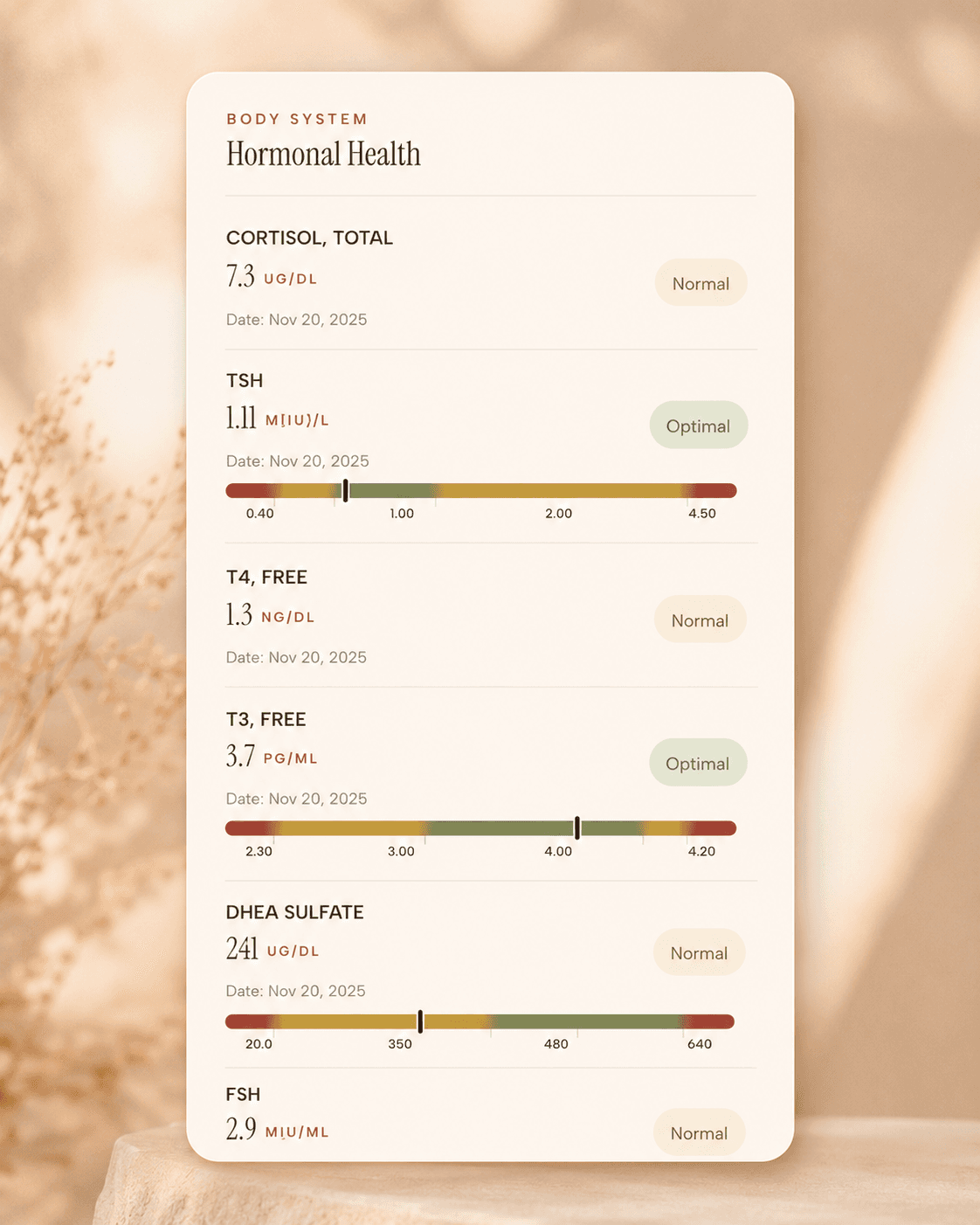
Cortisol is the primary stress hormone that regulates metabolism, immune function, and blood pressure. In functional medicine, cortisol assessment is crucial for understanding stress response and its impact on overall health. Chronic elevation suppresses testosterone production and immune function, while low cortisol indicates adrenal insufficiency. Optimal cortisol rhythm supports energy, mood stability, and hormone balance. Cortisol orchestrates the body's stress response and daily energy rhythms. Balanced cor…
Learn moreEstradiol
Estradiol in men is produced from testosterone via aromatase enzyme. In functional medicine, we recognize that men need optimal estradiol levels for bone health, cognitive function, and cardiovascular protection. However, excessive estradiol can suppress testosterone production and cause feminizing effects. The testosterone-to-estradiol ratio is crucial for male health, with optimal balance supporting vitality while preventing estrogen dominance. Balanced estradiol levels in men support bone health and cognitive…
Learn moreLab testing
Check testosterone, thyroid, and cortisol at Quest
starting from $99 panel with 100+ tests, one visit
No referral needed
About 1 week
Schedule online — results typically within a week
Clear next steps
Guidance included, with follow-up care available
HSA / FSA
Eligible for pre-tax health spending accounts
Pro Tips
Run a two-week experiment where you keep your workouts the same but add a deliberate post-workout meal within 60 minutes that includes both carbs and protein. If libido improves, you just learned that recovery fuel was the bottleneck.
Track your morning resting heart rate for a week. If it is trending up while your libido trends down, that combination often points to under-recovery even if you are still “getting through” workouts.
If you train in the evening, try swapping just two sessions per week to earlier in the day and keep the intensity the same. If your sleep and libido both improve, timing was part of the problem.
If you have periods, note whether libido is lower alongside cycle changes like longer gaps, lighter bleeding, or missed periods. That pattern is a strong hint that your body is conserving energy and you should address fueling and training load sooner rather than later.
If your libido drop is creating relationship tension, pick a neutral time to say, “My body feels depleted after workouts, and I’m working on it.” That one sentence can prevent your partner from interpreting a physiology problem as rejection.
Frequently Asked Questions
Is it normal to have low libido after working out?
It can be normal after very hard sessions because your body temporarily shifts toward recovery, and arousal can feel less important in that window. It is less “normal” if your sex drive stays low for weeks, especially if you also have fatigue, sleep problems, or cycle changes. If it is persistent, checking morning cortisol, TSH, and total testosterone can help narrow the cause.
Can overtraining cause low sex drive?
Yes. When training load chronically exceeds recovery, your nervous system and hormones adapt by dialing down functions that are not essential for survival, and libido is one of the first to go. A common pattern is plateauing performance plus low motivation and worse sleep. A deload week and more calories around training are often the fastest first test.
Why is my libido lower after cardio than lifting?
Long or intense cardio can create a bigger energy deficit and a stronger cortisol response, especially if you do it fasted or you do not refuel well afterward. That combination can blunt sex hormones and make you feel flat later in the day. Try shortening one cardio session, adding 30–60 grams of carbs around it, and see whether your desire returns within a week.
What labs should I get for low libido after exercise?
A practical starting trio is total testosterone, TSH, and a morning cortisol level because they map to sex hormone status, thyroid-driven energy, and stress physiology. If you have periods and they are changing, you may also need cycle-timed reproductive hormones, but those are best chosen based on your pattern. Bring your training volume, sleep, and weight changes to the conversation so the results are interpreted in context.
When should I worry about low libido after exercise?
Pay attention if the change is sudden, lasts longer than a month, or comes with red flags like missed periods, unexplained weight loss, depression, erectile dysfunction, or feeling faint during workouts. Those combinations can signal low energy availability, thyroid problems, medication effects, or a hormone issue that deserves proper evaluation. If you are unsure, start by logging training, sleep, and fueling for two weeks and consider targeted labs to speed up the answer.