Why Your Libido Drops After You Eat
Low libido after eating often comes from a post-meal blood sugar dip, heavy digestion stealing energy, or medication effects. Targeted labs, no referral needed.





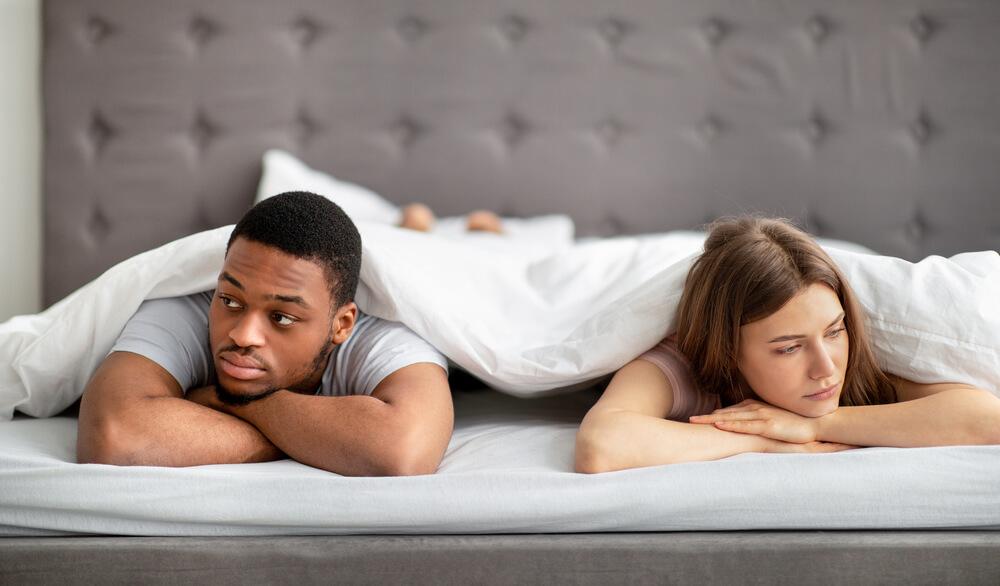
Low libido after eating usually happens because your body shifts into “digestion mode,” your blood sugar rises and then drops, or a medication or hormone issue makes that post‑meal slump hit harder than it should. It can feel like your desire gets switched off right when you finally have time to connect with your partner. A few targeted labs can help you tell the difference between a blood sugar problem, a thyroid or testosterone issue, and a medication side effect. This symptom is more common than people admit, partly because it sounds awkward and partly because it can be subtle: you might still love your partner, but after dinner you just want the couch, not sex. The tricky part is that “after eating” is a timing clue, not a diagnosis. In the sections below, you’ll see the most likely body-level reasons, what you can try right away, and which tests are actually useful. If you want help matching your pattern to the most likely cause, PocketMD can walk through your meals, meds, sleep, and labs with you in plain language.
Why your libido drops after you eat
Your body prioritizes digestion
After a bigger meal, more blood flow and nervous-system attention go to your stomach and intestines, which naturally pulls resources away from “performance” functions like arousal. You might feel sleepy, heavy, or mentally foggy, and that makes desire harder to access even if the relationship is solid. If this is your pattern, the simplest clue is timing: the drop is strongest after large, high-fat meals and improves with smaller portions.
Blood sugar spike, then a crash
A high-carb meal can push your blood sugar up quickly, and your body answers with insulin to bring it down. If that response overshoots, you can dip low enough to feel shaky, irritable, anxious, or suddenly exhausted, which is not exactly a libido-friendly state. Pay attention to whether your desire drops alongside cravings for something sweet or a need to lie down within 1–3 hours after eating.
Insulin resistance blunts arousal
If your cells are resistant to insulin, you can swing between higher blood sugar and higher insulin after meals, even before you have diabetes. Over time, that metabolic stress is linked with lower testosterone signaling, worse blood vessel function, and lower sexual satisfaction in all genders. A practical takeaway is that this cause often travels with belly weight gain, afternoon sleepiness, and feeling “wired but tired” after a carb-heavy lunch.
Medication side effects show up post-meal
Some medications that affect libido also have peak effects after you take them with food, which can make the timing look like it is the meal’s fault. Common examples include antidepressants (especially SSRIs), some blood pressure meds, and certain acid-reflux drugs that can indirectly affect nutrient absorption and energy. If your low desire started within weeks of a new prescription or dose change, bring the timing to your prescriber because small adjustments can sometimes help.
Hormone or thyroid imbalance underneath
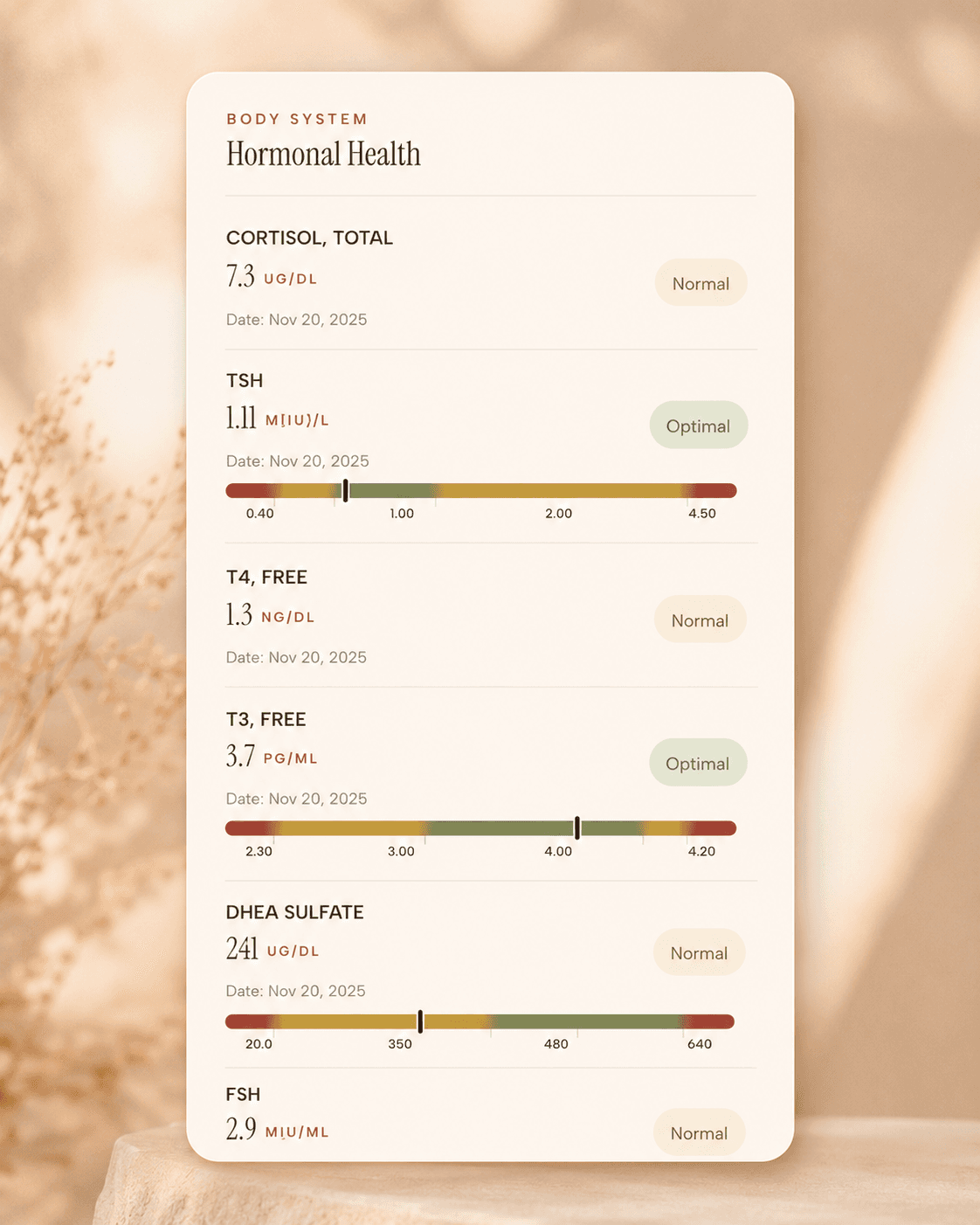
Meals can unmask a baseline problem because digestion is a stress test for your system: if your thyroid is underactive, or your testosterone is low, you have less “reserve,” so the post-meal dip feels dramatic. You might notice low morning energy, fewer spontaneous sexual thoughts, or slower recovery after workouts, not just a dinner-time issue. This is where labs are useful, because guessing based on symptoms alone is frustrating and often wrong.
What actually helps (without guessing)
Try a “lighter dinner” experiment
For one week, keep dinner satisfying but smaller, and stop eating when you feel comfortably full rather than stuffed. Many people notice that libido returns simply because the post-meal sleepiness disappears. If you want a clear test, compare two similar evenings: one with a heavy dinner and one with a lighter dinner, and note desire and energy 60–180 minutes later.
Build meals to avoid a crash
If you suspect a blood sugar dip, aim for meals that digest more slowly by pairing carbs with protein and fiber, and by avoiding “naked carbs” like a big bowl of pasta on its own. The goal is not a perfect diet; it is a steadier energy curve so your brain does not interpret the post-meal period as an emergency nap. A simple sign it is working is fewer cravings and a more stable mood after eating.
Move for 10 minutes after eating
A short walk after meals helps your muscles use glucose without needing as much insulin, which can reduce the spike-and-crash feeling. It also shifts you out of that heavy, stuck-on-the-couch state that kills desire. Keep it easy and conversational, because the point is metabolism and circulation, not a workout.
Time intimacy before the big meal
If dinner reliably knocks you out, treat that as useful information rather than a personal failing. Many couples do better with intimacy earlier in the evening, or even before dinner on weekends, because arousal is easier when you are not in full digestion mode. This is a practical workaround while you investigate the underlying cause.
Review meds and alcohol with your clinician
If you take an SSRI, blood pressure medication, or hormone therapy, ask specifically about sexual side effects and whether timing with food matters for your dose. Alcohol at dinner can also worsen the post-meal slump and reduce genital blood flow, even if it lowers anxiety at first. The actionable step is to bring a one-page timeline of meals, meds, and symptoms to the visit so the pattern is obvious.
Lab tests that help explain low libido after eating
Glucose
Fasting glucose is a fundamental marker of glucose metabolism and insulin function. In functional medicine, we recognize that even 'normal' glucose levels in the upper range may indicate early insulin resistance. Optimal fasting glucose reflects efficient glucose regulation and insulin sensitivity. Elevated fasting glucose suggests the body's inability to maintain normal glucose levels overnight, indicating hepatic insulin resistance or insufficient insulin production. This marker is essential for early detectio…
Learn moreInsulin
Insulin is a master metabolic hormone that regulates glucose uptake, fat storage, and numerous cellular processes. In functional medicine, fasting insulin levels are one of the earliest and most sensitive markers of metabolic dysfunction. Elevated insulin (hyperinsulinemia) often precedes diabetes by years or decades and is central to metabolic syndrome. High insulin levels promote fat storage, inflammation, and contribute to numerous chronic diseases including cardiovascular disease, PCOS, and certain cancers.…
Learn moreTestosterone, Total, Ms
Total testosterone is the primary male sex hormone responsible for muscle mass, bone density, libido, energy levels, and cognitive function. In functional medicine, we recognize testosterone as a key marker of vitality and aging. Low testosterone (hypogonadism) affects up to 40% of men over 45 and is linked to metabolic syndrome, cardiovascular disease, depression, and reduced quality of life. Optimal testosterone levels support healthy body composition, sexual function, motivation, and overall masculine vitalit…
Learn moreLab testing
Check fasting insulin, HbA1c, and free testosterone at Quest
starting from $99 panel with 100+ tests, one visit
No referral needed
About 1 week
Schedule online — results typically within a week
Clear next steps
Guidance included, with follow-up care available
HSA / FSA
Eligible for pre-tax health spending accounts
Pro Tips
Run a 7-day “timing log” where you note what you ate, how much, and your desire level at 30, 90, and 180 minutes after the meal; patterns show up faster than you’d expect.
If the drop happens after lunch more than dinner, try shifting your biggest carb portion to dinner and keeping lunch protein-forward, then see whether afternoon desire and energy rebound.
If you get shaky, sweaty, or suddenly anxious after meals, try a small balanced snack (like yogurt or nuts) before the crash would normally hit; if symptoms improve, blood sugar swings move higher on the list.
If you take a medication with food, write down the exact time you take it and when the libido drop starts; that timing detail is often what helps a clinician adjust the plan safely.
If intimacy matters to you but dinner reliably flattens you, plan connection for before the meal and keep dinner lighter afterward; it is a strategy, not a defeat.
Frequently Asked Questions
Is it normal to have low libido after eating?
It can be normal to feel less interested in sex right after a large meal because your body shifts blood flow and nervous-system focus toward digestion. It becomes more of a “thing” when the drop is strong, predictable, or paired with symptoms like shakiness, brain fog, or a need to sleep. If it is happening most days, tracking timing and checking HbA1c or fasting insulin can help you find a fix instead of guessing.
Why do I feel sleepy after dinner and lose interest in sex?
A heavy dinner can trigger a strong rest-and-digest response, and a high-carb meal can also set you up for a blood sugar dip 1–3 hours later. Sleepiness is your body’s way of saying it is diverting energy, which makes arousal harder even if you want closeness. Try a smaller dinner plus a 10-minute walk afterward for a week and see if the pattern changes.
Can blood sugar problems cause low libido after meals?
Yes. Big swings in glucose and insulin can leave you tired, irritable, or anxious after eating, and those states shut down desire quickly. HbA1c helps show whether this is part of a longer-term pattern, and fasting insulin can reveal insulin resistance even when glucose looks normal. If you suspect this, start by pairing carbs with protein and fiber and re-check how you feel 90 minutes after meals.
Which hormone tests are worth doing for low libido?
Free testosterone (calculated) is often more informative than total testosterone because it reflects what is actually available to tissues. If your symptoms include low morning energy, fewer spontaneous sexual thoughts, or reduced exercise recovery, hormone testing becomes more relevant. Bring your results and symptom timeline to a clinician so the numbers are interpreted in context rather than in isolation.
When should I worry that low libido after eating is something serious?
If low libido comes with chest pain, shortness of breath, fainting, or new erectile dysfunction that is persistent, it is worth getting checked because sexual function can reflect blood vessel health. You should also get help sooner if the symptom started suddenly after a new medication, or if you have intense post-meal shakiness that could suggest significant glucose swings. A practical next step is to book a visit and ask specifically about metabolic labs like HbA1c and fasting insulin.