Why You Get Mood Swings After Eating
Mood swings after eating often come from blood sugar spikes, food sensitivities, or hormone shifts like thyroid issues. Targeted labs available, no referral needed.






Mood swings after eating usually happen because your blood sugar rises fast and then drops, because certain foods trigger an immune or gut response that affects your brain, or because a hormone issue like thyroid imbalance is amplifying normal stress signals. The good news is that a few targeted labs and a short symptom log can often show which pattern fits you. This symptom can feel personal, like you are “overreacting,” but your body can genuinely push your mood around after meals through insulin, stress hormones, and brain chemicals. It is also common to notice it more during PMS or perimenopause, when your baseline emotional “buffer” is thinner. In the guide below, you will learn the most likely causes, what actually helps in real life, and which tests can make the situation clearer. If you want help connecting your exact meal pattern to likely causes, PocketMD can talk it through with you, and Vitals Vault labs can help you check the most relevant markers.
Why You Get Mood Swings After Eating
Blood sugar spike, then crash
If you eat a meal that hits your bloodstream quickly, your body releases a bigger insulin surge to clear the sugar. For some people that overshoots, and your blood sugar dips lower than your brain likes, which can feel like sudden irritability, anxiety, shakiness, or a “doom” feeling about 1–4 hours later. A useful clue is timing: if your mood tanks after a sweet drink, pastry, or big bowl of white rice, this pattern moves up the list.
Insulin resistance driving swings
Even without a dramatic crash, insulin resistance can make your energy and mood feel unstable because your cells are not responding smoothly to insulin. You may feel wired after eating, then tired and snappy, and you might notice stronger cravings soon after a meal. This matters because it is modifiable, and the earlier you catch it, the easier it is to reverse with targeted changes rather than willpower battles.
Food sensitivity and inflammation
Some foods can trigger immune signaling that affects your brain, which can show up as low mood, agitation, or brain fog rather than hives or swelling. This is not the same as a classic allergy, and it can be subtle, especially if you eat the same “trigger” food daily. If your mood shift comes with bloating, loose stools, or headaches, it is worth testing an elimination approach instead of assuming it is “just stress.”
Gut-brain signaling after meals
Your gut talks to your brain through nerves, hormones, and the microbes that help digest food. If you have reflux, IBS-type symptoms, or constipation, a meal can trigger discomfort and stress signaling that your brain interprets as irritability or emotional fragility. The takeaway is simple: if your mood swing tracks with abdominal pressure or nausea, treating the gut pattern can improve mood even if nothing else changes.
Thyroid imbalance amplifying emotions
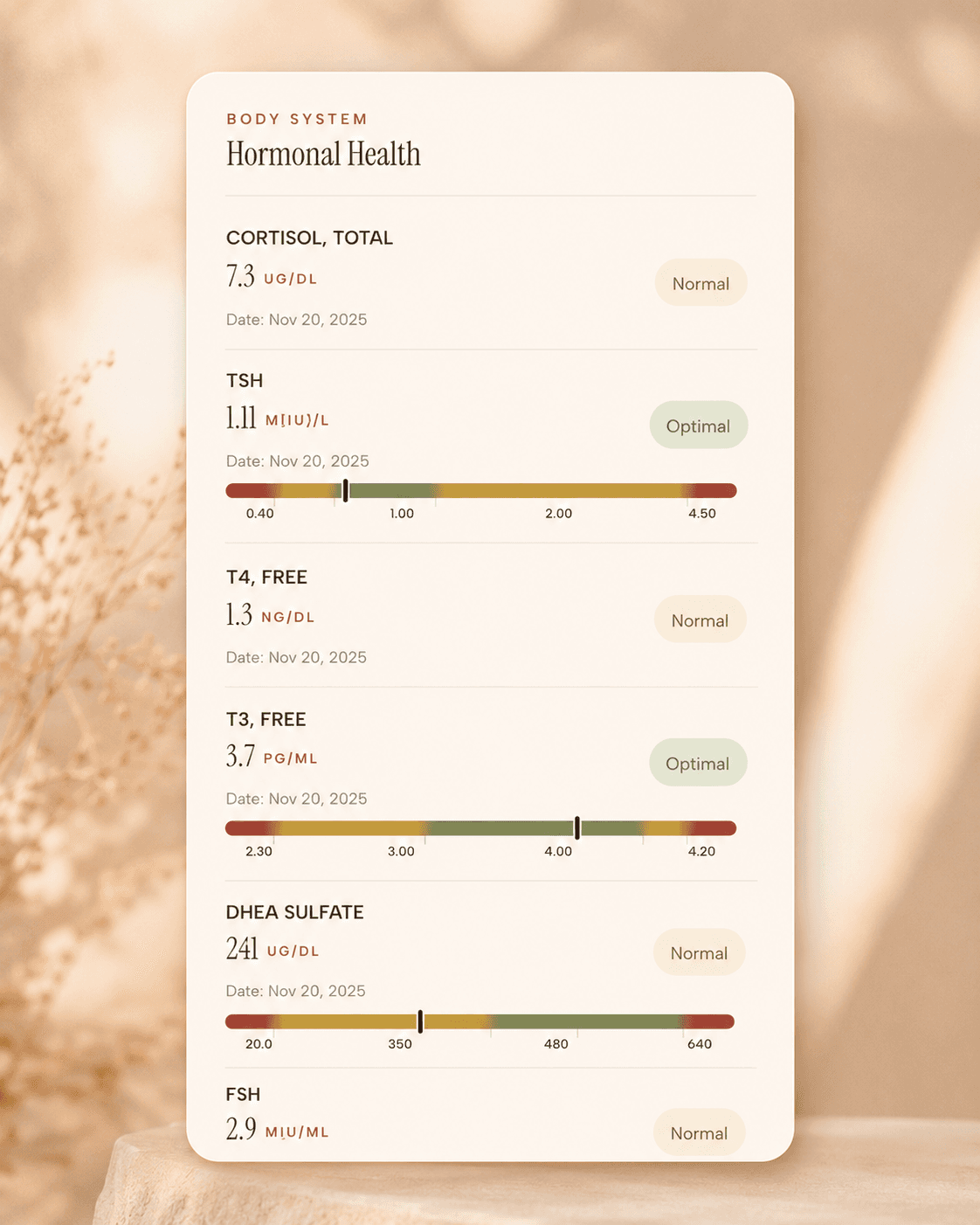
When your thyroid is underactive or overactive, your baseline mood regulation can get shaky, and meals can become the “spark” that sets off a bigger reaction. An overactive thyroid can feel like anxiety and agitation, while an underactive thyroid can feel like low mood and emotional flatness, and both can worsen PMS-type mood sensitivity. If you also have heat or cold intolerance, hair changes, or a persistent change in heart rate, checking TSH is a practical next step.
What Actually Helps After-Meal Mood Swings
Build meals that slow glucose
Aim for a “slow-release” plate by leading with protein and fiber, then adding carbs, instead of starting with the sweet or starchy part. In real life that can mean eggs plus berries instead of cereal, or chicken and vegetables before rice. If your mood drop usually hits mid-afternoon, this one change at lunch often makes the rest of the day feel calmer.
Try a 10-minute post-meal walk
A short walk after eating helps your muscles pull glucose out of the bloodstream without needing as much insulin. That smoother curve can translate into fewer emotional spikes and fewer cravings later. Keep it easy enough that you can breathe through your nose, because the goal is stability, not a workout.
Use a targeted elimination trial
If you suspect a food trigger, pick one common culprit you eat often and remove it completely for two weeks, then reintroduce it for two days while watching mood and gut symptoms. This is more reliable than removing five foods at once, because you can actually learn what your body is reacting to. If dairy or gluten is your top suspect, do it as a clean trial, not “mostly avoiding,” because small exposures can muddy the result.
Caffeine timing, not just amount
Caffeine on an empty stomach can push stress hormones up and make a later blood sugar dip feel like panic or anger. If you love coffee, try having it after breakfast that includes protein, and avoid stacking it right after a sugary snack. Many people are surprised that the same caffeine dose feels completely different when it is “buffered” by food.
Know when it needs urgent help
If your after-meal mood change comes with thoughts of self-harm, feeling out of control, or symptoms of mania like needing very little sleep and feeling unusually driven or impulsive, treat that as a medical priority rather than a nutrition puzzle. The same goes for confusion, fainting, or severe shaking after meals, which can signal dangerous low blood sugar. In those situations, reach out for urgent care or emergency services, and bring a simple timeline of what you ate and what you felt.
Lab tests that help explain mood swings after eating
Glucose
Fasting glucose is a fundamental marker of glucose metabolism and insulin function. In functional medicine, we recognize that even 'normal' glucose levels in the upper range may indicate early insulin resistance. Optimal fasting glucose reflects efficient glucose regulation and insulin sensitivity. Elevated fasting glucose suggests the body's inability to maintain normal glucose levels overnight, indicating hepatic insulin resistance or insufficient insulin production. This marker is essential for early detectio…
Learn moreInsulin
Insulin is a master metabolic hormone that regulates glucose uptake, fat storage, and numerous cellular processes. In functional medicine, fasting insulin levels are one of the earliest and most sensitive markers of metabolic dysfunction. Elevated insulin (hyperinsulinemia) often precedes diabetes by years or decades and is central to metabolic syndrome. High insulin levels promote fat storage, inflammation, and contribute to numerous chronic diseases including cardiovascular disease, PCOS, and certain cancers.…
Learn moreHemoglobin A1C
Hemoglobin A1C (HbA1c) reflects average blood glucose levels over the past 2-3 months by measuring the percentage of hemoglobin proteins that have glucose attached. In functional medicine, HbA1c is a cornerstone marker for metabolic health, insulin sensitivity, and diabetes risk assessment. Optimal levels (4.6-5.3%) indicate excellent blood sugar regulation and reduced risk of metabolic disease. Levels above 5.4% but below 5.7% suggest early metabolic dysfunction and increased cardiovascular risk, even before pr…
Learn moreLab testing
Check fasting glucose, fasting insulin, and TSH at Quest
starting from $99 panel with 100+ tests, one visit
No referral needed
About 1 week
Schedule online — results typically within a week
Clear next steps
Guidance included, with follow-up care available
HSA / FSA
Eligible for pre-tax health spending accounts
Pro Tips
Run a 14-day “mood-after-meals” log where you rate mood 0–10 at 30, 90, and 180 minutes after eating, because timing is the fastest way to separate a glucose crash from a food-trigger or gut discomfort pattern.
If you suspect a crash, do one experiment: eat the same breakfast three days in a row, then swap only the carb source on day four (for example, oats to eggs), and see whether your 2–4 hour mood dip changes.
When you feel the swing coming on, try a small stabilizing snack that is mostly protein and fiber, like Greek yogurt or nuts, because it can soften a drop without restarting the roller coaster the way candy or juice can.
If PMS or perimenopause is part of your story, track where you are in your cycle when the symptom is worst, because the same meal can feel fine one week and emotionally explosive the next.
If you take stimulant ADHD meds or thyroid medication, note the exact timing relative to meals for one week, because absorption and peak effects can change with food and mimic “mood swings after eating.”
Frequently Asked Questions
Can blood sugar really cause mood swings after eating?
Yes. When your blood sugar rises quickly and then drops, your brain reads it as a threat and can trigger irritability, anxiety, shakiness, or sudden sadness. The pattern often shows up 1–4 hours after a high-sugar or refined-carb meal. If this sounds like you, try a protein-first breakfast for a week and consider checking fasting glucose and fasting insulin.
Why do I get angry or anxious after lunch?
Lunch is a common trigger because it is often carb-heavy, eaten quickly, and paired with caffeine or stress, which can amplify an insulin-driven dip later. If your mood shift reliably hits mid-afternoon, it is worth testing a slower lunch with more protein and fiber and taking a 10-minute walk right after. If the pattern persists, fasting insulin can help reveal whether insulin resistance is contributing.
Is this reactive hypoglycemia?
It could be, but “reactive low blood sugar” [reactive hypoglycemia] is often overused online. A clue is symptoms like shakiness, sweating, and intense hunger along with mood changes, typically a few hours after eating, and improvement after a balanced snack. If you ever faint, get confused, or have severe symptoms, get medical care promptly and ask about documenting glucose during episodes.
Can thyroid problems make mood swings worse after meals?
They can. Thyroid imbalance can lower your emotional resilience, so normal post-meal shifts in energy feel bigger and more uncomfortable, and you might interpret them as sudden mood changes. A simple screening test is TSH, and many people feel best when it is roughly 0.5–2.5 mIU/L, depending on the full thyroid picture. If you also have temperature intolerance, hair changes, or a persistent heart-rate shift, put thyroid testing on your short list.
When should I worry that mood swings after eating are something serious?
Worry less about the label and more about the impact and safety. If you have thoughts of self-harm, feel out of control, or have symptoms of mania such as very little sleep with unusually high energy and impulsive decisions, seek urgent mental health support. If you have confusion, fainting, or severe shaking after meals, get urgent medical care and bring a timeline of what you ate and when symptoms hit.