Joint Pain With Depression: What It Means and What Helps
Joint pain with depression often comes from inflammation, sleep disruption, or medication effects. Targeted labs can clarify the cause—no referral needed.






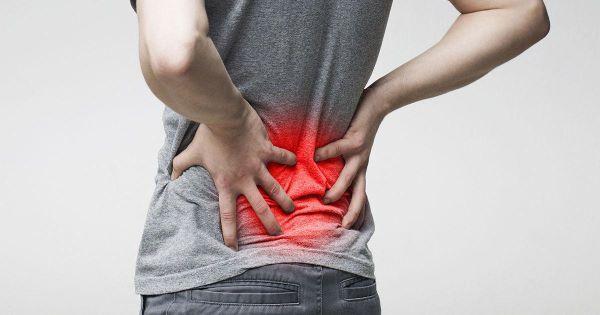
Joint pain with depression is often a two-way loop: inflammation can amplify pain sensitivity, low mood can change how your brain processes pain, and poor sleep can make both feel worse. Sometimes the trigger is more concrete, like an autoimmune flare, osteoarthritis, or a medication side effect. Targeted blood tests can help sort out which pattern fits you so you are not guessing. This combo is common, and it is frustrating because it can make you feel “stuck” in your body. When your joints hurt, you move less, and when you move less, your mood and stiffness can drop even further. The good news is that you can usually improve the cycle by treating pain and mood together rather than treating them like separate problems. If you want help thinking through your specific symptoms, PocketMD can help you map your pattern, and Vitals Vault labs can help confirm whether inflammation or a deficiency is playing a role.
Why joint pain and depression show up together
Inflammation turns pain volume up
When your immune system stays “on” longer than it should, inflammatory signals can make your nerves more reactive, which means normal movement can feel sharper or more exhausting. That same inflammatory state is also linked with low mood and brain fog, so you can feel physically sore and emotionally flat at the same time. If your joints are warm, swollen, or stiff for more than 30–60 minutes in the morning, it is worth treating this as a possible inflammation story rather than “just stress.”
Sleep loss makes joints feel worse
Depression often disrupts sleep, and poor sleep lowers your pain threshold the next day, which can make your joints feel “bruised” even without new injury. It also slows muscle recovery, so workouts and daily chores leave a bigger after-effect. If your pain is clearly worse after a bad night, that is a clue that improving sleep continuity may reduce pain even before you change anything else.
Osteoarthritis plus low mood spiral
Wear-and-tear joint changes (osteoarthritis) can cause aching with activity and stiffness after sitting, and the constant negotiation with your body can quietly drain your mood. Depression then reduces motivation to move, which weakens the muscles that protect your joints and makes the next flare more likely. If your pain is most noticeable in weight-bearing joints like knees or hips and improves once you “warm up,” this pattern is common and very workable with the right plan.
Autoimmune arthritis can start subtly
Conditions like rheumatoid arthritis or lupus can begin with vague joint pain, fatigue, and a heavy, low feeling that looks like depression from the outside. The key difference is that the immune system is actively irritating the joint lining, so symptoms can migrate, flare, and come with swelling or prolonged morning stiffness. If you are also getting unexplained fevers, mouth sores, a new rash, or one joint that is rapidly swelling, you should get evaluated sooner rather than later.
Medication effects and withdrawal aches
Some antidepressants can cause muscle and joint aches in a subset of people, and stopping or missing doses can trigger “flu-like” body pain that feels like your joints are inflamed. Anti-inflammatory pain relievers can also irritate your stomach, which can worsen appetite and mood if you are already struggling. If the timing of your aches lines up with a new medication, a dose change, or missed doses, bring that timeline to your prescriber before you assume the pain is a new disease.
What actually helps when both are happening
Treat movement like medicine, gently
When you are depressed, “exercise more” can feel impossible, so make the goal smaller and more specific: 10 minutes of easy walking or cycling after lunch, five days a week, for two weeks. That dose is often enough to lubricate joints, reduce stiffness, and give your brain a predictable mood lift without triggering a flare. If pain spikes above a 6 out of 10 during or after, scale down intensity rather than quitting entirely.
Use heat for stiffness, ice for flares
Heat relaxes tight muscles around a joint and can make morning stiffness less punishing, especially in osteoarthritis. Ice is better when a joint feels hot, puffy, or newly irritated because it calms local inflammation and numbs pain. Try 15–20 minutes and then reassess; the “right” choice is the one that improves function for the next few hours.
Build a pain plan you can follow
Depression makes decision fatigue real, so it helps to pre-decide what you will do on a bad day versus a decent day. A simple plan might be: gentle range-of-motion first, then a topical anti-inflammatory gel, then a short walk if your pain eases. If you need oral pain relievers, use the lowest effective dose and ask your clinician about safety if you have kidney disease, ulcers, or you take blood thinners.
Address inflammation with food you’ll eat
You do not need a perfect diet, but shifting one meal a day toward an anti-inflammatory pattern can matter over time. Aim for a protein you tolerate plus colorful plants and a fat like olive oil, which tends to be easier to maintain than strict elimination diets. If you notice that alcohol or ultra-processed snacks reliably worsen next-day pain, that personal data is more useful than any generic rule.
Treat depression as part of pain care
Therapies that target both mood and pain processing, like cognitive behavioral therapy for chronic pain, can reduce the “alarm” your nervous system learns over time. Medication can also help, but the best choice depends on your symptoms, because some options are more activating while others are more calming. If your mood is low most days for two weeks and pain is limiting your life, ask for a plan that addresses both together rather than bouncing between specialists.
Lab tests that help explain joint pain with depression
Hs Crp
High-sensitivity C-reactive protein (hs-CRP) is a key marker of systemic inflammation and cardiovascular risk. In functional medicine, we recognize hs-CRP as one of the most important predictors of heart disease, stroke, and metabolic dysfunction. Levels above 1.0 mg/L indicate increased inflammation that may be driven by poor diet, chronic infections, autoimmune conditions, or metabolic syndrome. Optimal levels below 0.5 mg/L are associated with the lowest cardiovascular risk and overall inflammatory burden. hs…
Learn moreFerritin
Ferritin is your body's iron storage protein, reflecting total iron stores in the body. In functional medicine, ferritin assessment is crucial for identifying both iron deficiency and iron overload, conditions that can significantly impact energy levels and overall health. Low ferritin is the earliest sign of iron deficiency, often occurring before anemia develops. This can cause fatigue, weakness, restless leg syndrome, and cognitive impairment. Conversely, elevated ferritin may indicate iron overload, inflamma…
Learn moreVitamin D, 25-Oh, Total
Total 25-hydroxyvitamin D represents the best measure of vitamin D status, combining both D2 and D3 forms. This is the storage form of vitamin D and reflects recent intake and synthesis. In functional medicine, total 25(OH)D is used to assess vitamin D sufficiency and guide supplementation. Optimal levels (40-80 ng/mL) are associated with reduced risk of cancer, cardiovascular disease, autoimmune conditions, and all-cause mortality. Vitamin D acts as a hormone affecting immune function, bone health, mood, and ce…
Learn moreLab testing
Get CRP, vitamin D, and thyroid tests at Quest
starting from $99 panel with 100+ tests, one visit
No referral needed
About 1 week
Schedule online — results typically within a week
Clear next steps
Guidance included, with follow-up care available
HSA / FSA
Eligible for pre-tax health spending accounts
Pro Tips
Try a two-week “pain and mood” log where you rate joint pain and mood from 0–10 each evening, and write one sentence about sleep quality. Patterns like “bad sleep predicts pain” usually jump out fast and give you a clear first target.
If mornings are the worst, do a 3-minute joint warm-up before you check your phone: slow ankle circles, gentle knee bends holding a counter, and shoulder rolls. The point is to tell your nervous system that movement is safe before it braces.
When you feel a flare coming, switch from intensity to consistency: keep the same routine but cut the load in half. Your joints often tolerate “same habit, smaller dose” better than stopping and restarting.
If you take an antidepressant, set a non-negotiable reminder for the same time daily for two weeks. It is a simple way to rule out missed-dose withdrawal aches that can masquerade as a new pain condition.
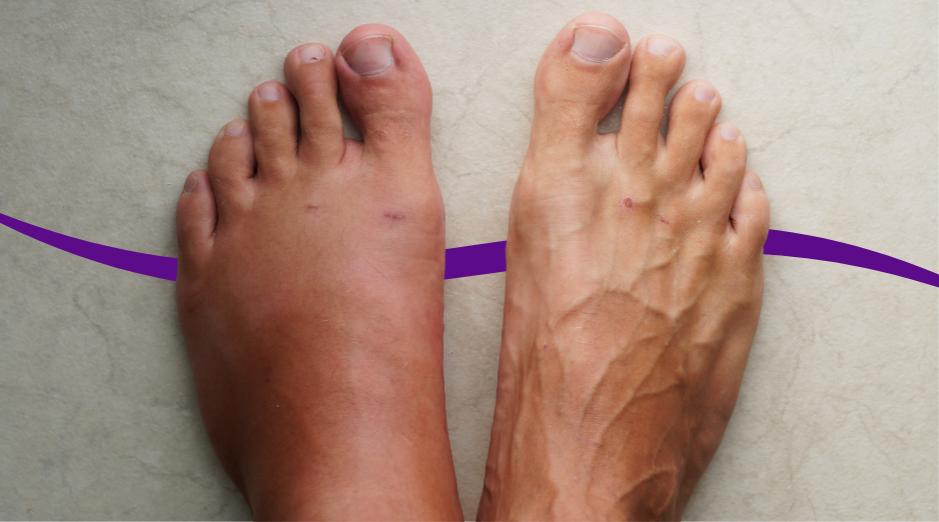
If one joint becomes suddenly red, hot, and extremely painful, treat that as different from your usual aches. That pattern can signal infection or crystal arthritis (gout), and it deserves urgent evaluation rather than home experimentation.
Frequently Asked Questions
Can depression actually cause joint pain?
Depression can make joint pain feel stronger because it changes pain processing in your brain and often disrupts sleep, which lowers your pain threshold the next day. It can also lead to less movement, which increases stiffness and makes joints feel “rusty.” If your pain started with a depressive episode and you do not have swelling or prolonged morning stiffness, treating sleep and mood often improves the pain too.
How do I know if my joint pain is inflammatory or just wear-and-tear?
Inflammatory pain often comes with swelling, warmth, and morning stiffness that lasts longer than 30–60 minutes, and it may improve as you move. Wear-and-tear pain (osteoarthritis) tends to worsen with activity and feel stiff after sitting, but it usually has less visible swelling. A blood test like CRP can support the picture, and persistent swollen joints are a good reason to ask for an inflammatory arthritis evaluation.
What blood tests are most useful for joint pain with depression?
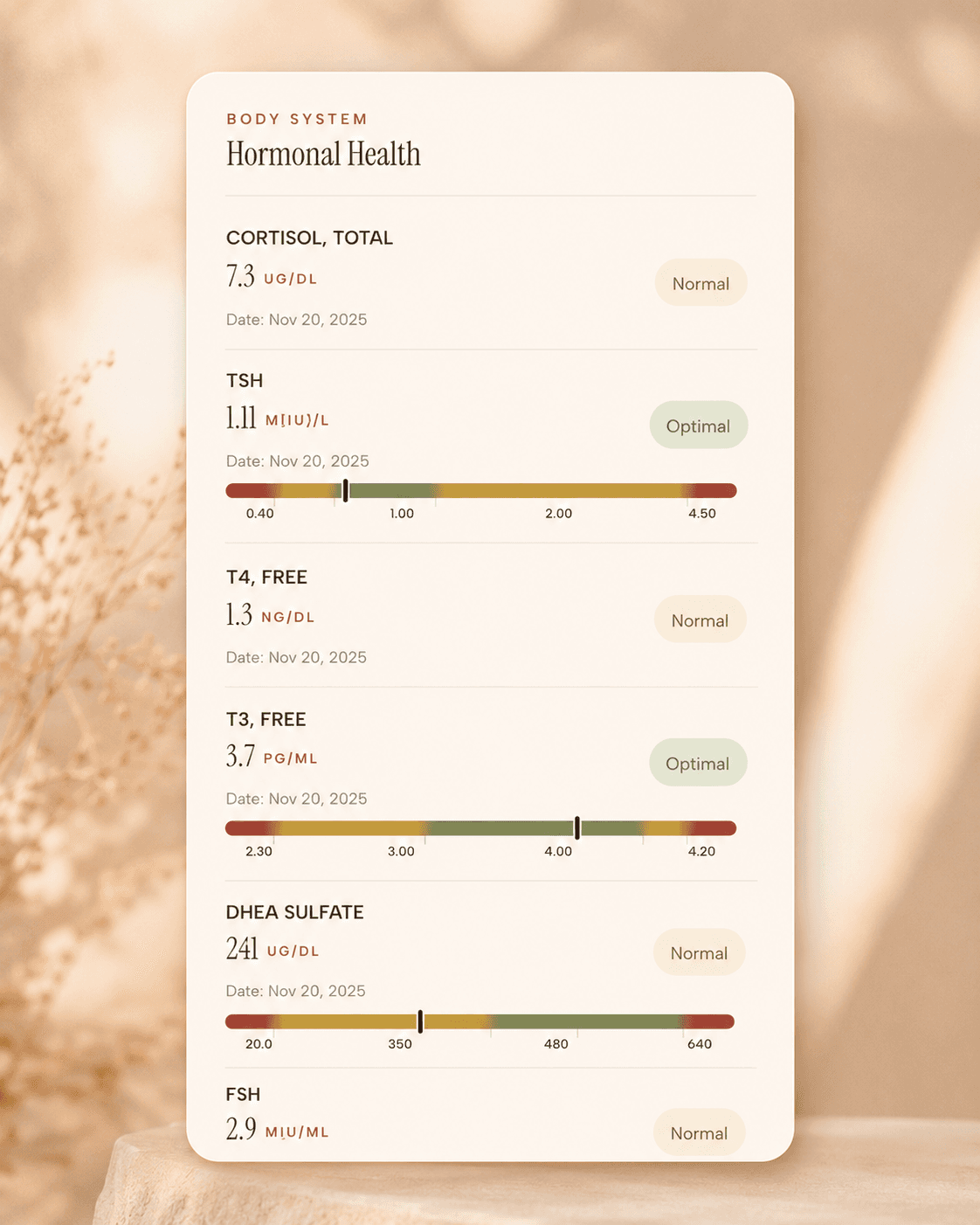
CRP can show whether your body is running “hot” with inflammation, 25-hydroxy vitamin D can uncover a deficiency linked with diffuse aches and low energy, and TSH can flag thyroid imbalance that mimics depression and causes body pain. These tests do not diagnose everything, but they often clarify which direction to investigate next. If results are abnormal, bring the numbers and your symptom timeline to your clinician for targeted follow-up.
Can antidepressants cause body aches or joint pain?
Yes, some people develop muscle or joint aches after starting or changing an antidepressant, and missing doses can cause withdrawal symptoms that feel like the flu. The most useful clue is timing: symptoms that begin within days to weeks of a change deserve a medication review. Do not stop abruptly on your own; ask your prescriber about tapering or switching if the pattern fits.
When should I worry about joint pain with depression?
You should get prompt medical attention if you have a single joint that becomes suddenly red, hot, and very painful, if you cannot bear weight, or if you have fever with a swollen joint. You should also seek help quickly if depression includes thoughts of self-harm, because pain can intensify those feelings. If your symptoms are persistent but not urgent, schedule a focused visit and bring a two-week log of pain, mood, sleep, and swelling.
Research worth knowing about
Depression and inflammation are linked in a subset of people, which may explain why some joint pain and mood symptoms travel together
EULAR recommendations support physical activity and self-management as core treatment for inflammatory arthritis, including fatigue and pain impacts
CDC guidance on osteoarthritis emphasizes exercise, weight management, and pain strategies that improve function and quality of life