Joint Pain After Having a Baby: What It Means and What Helps
Joint pain in postpartum women often comes from hormone shifts, loose ligaments, or thyroid changes. Targeted labs available at Quest—no referral needed.





Joint pain after having a baby is usually a mix of hormone-driven ligament looseness, new repetitive strain from feeding and carrying, and postpartum thyroid changes that can make your whole body feel achy and stiff. Some people also get an autoimmune flare after delivery, which can turn “normal sore” into true inflammatory joint pain. Simple blood tests can help sort out which bucket you’re in, so you’re not guessing. Postpartum life asks a lot from your joints at the exact moment your sleep, recovery, and muscle support are still catching up. That can make pain feel scary, especially if you worry you’re damaging your body or you can’t exercise the way you used to. This page walks you through the most common reasons postpartum joint pain happens, what tends to help in real life, and which labs are most useful. If you want help connecting your specific pattern of symptoms to next steps, PocketMD can talk it through with you, and Vitals Vault labs can help you check the most relevant markers without a referral.
Why joint pain shows up postpartum
Loose ligaments after pregnancy hormones
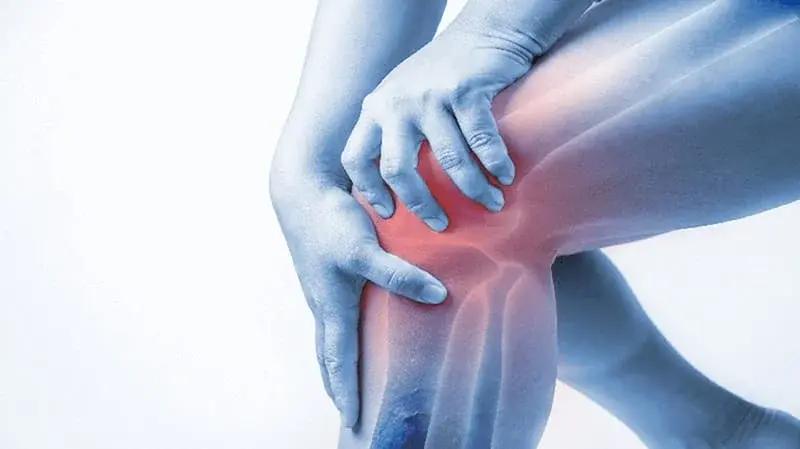
During pregnancy your body increases hormones that soften connective tissue so your pelvis can widen for birth, and that “looser” feeling can linger for months. When ligaments are slack, your joints rely more on muscle control for stability, so simple movements can feel wobbly or sharp, especially in hips, knees, and the low back. The takeaway is that pain here often improves with targeted strengthening and alignment work rather than stretching more.
Repetitive strain from baby care
Feeding, pumping, lifting a car seat, and bouncing a baby put the same joints in the same angles for long stretches, which can irritate tendons and small joints. This is why postpartum pain often shows up as wrist and thumb pain, shoulder pinching, or aching elbows even if you were strong before pregnancy. If one side is worse, that asymmetry is a clue that changing holds and adding short “reset” breaks can make a big difference.
Postpartum thyroid inflammation
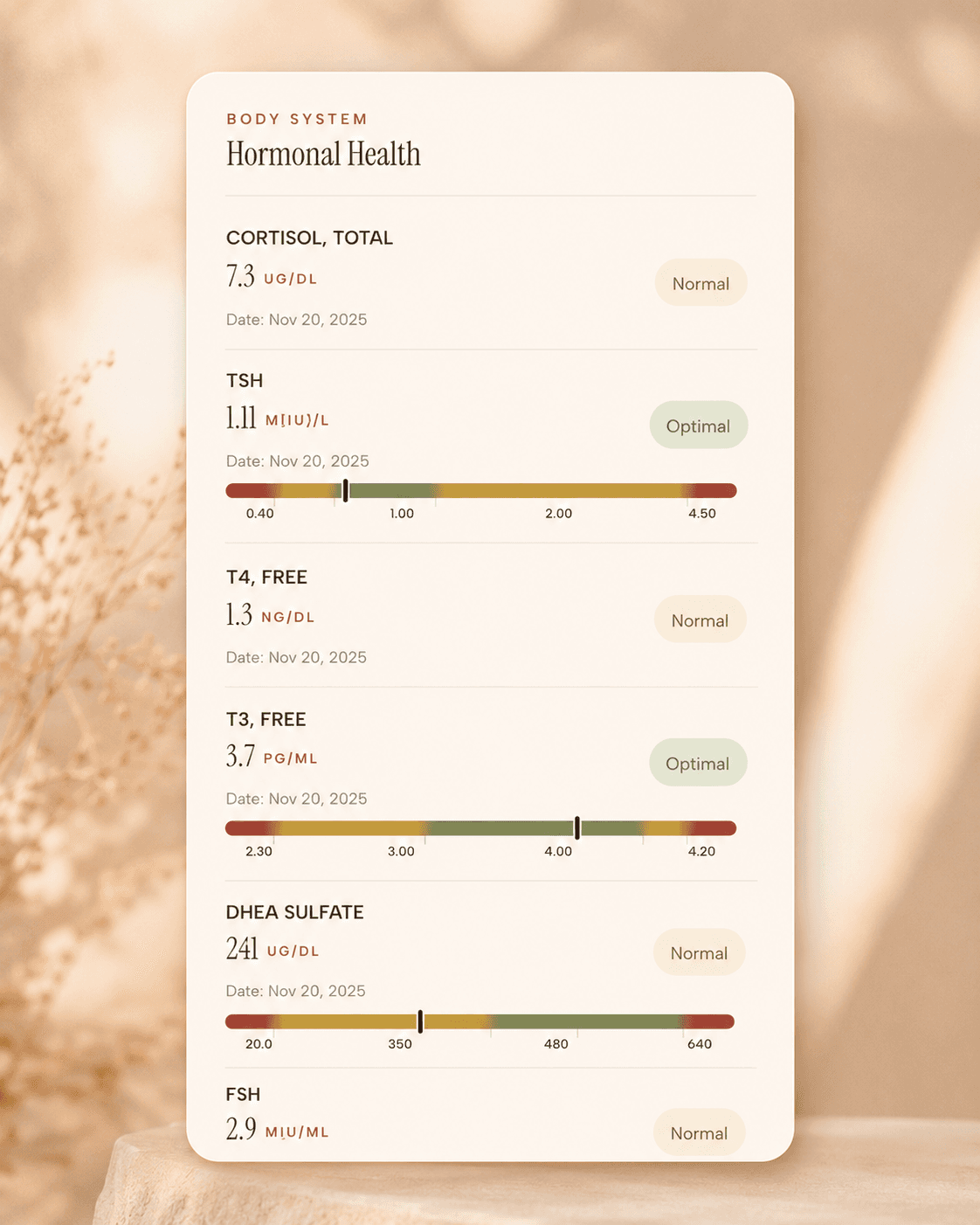
After delivery, some people develop thyroid inflammation (postpartum thyroiditis) that can swing from “too fast” to “too slow.” When thyroid hormone runs low, your muscles and joints can feel heavy, stiff, and sore, and you might also notice fatigue, constipation, dry skin, or feeling unusually cold. Because this is treatable, it’s worth checking TSH and free T4 if your joint pain comes with whole-body symptoms or doesn’t match your activity level.
Autoimmune arthritis flare after delivery
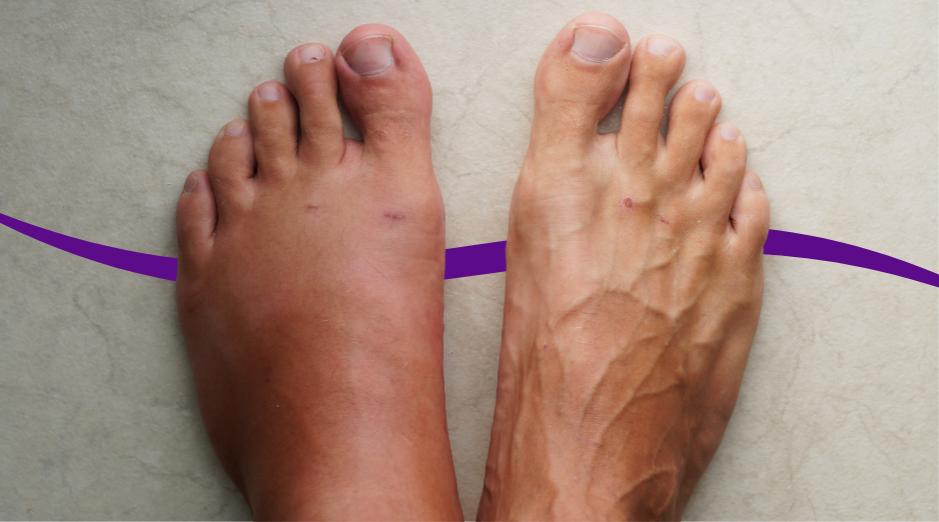
Pregnancy can calm some autoimmune conditions, but the immune system often rebounds postpartum, which can unmask or flare inflammatory arthritis. This pain tends to feel different: you may wake up with morning stiffness that lasts more than 30–60 minutes, and joints can feel warm, puffy, or tender on both sides. If you notice swelling, persistent stiffness, or new trouble making a fist, getting evaluated early matters because treatment can prevent long-term joint damage.
Low sleep amplifies pain signals
Sleep loss doesn’t just make you tired; it turns up your nervous system’s sensitivity to pain, so normal postpartum soreness can feel intense and constant. You might notice that your joints ache more after a night of fragmented sleep even if you did less the day before. The practical takeaway is that pain control sometimes starts with protecting one longer sleep block and using support tools so your body can downshift.
What actually helps postpartum joint pain
Stabilize first, then stretch
If your joints feel loose or unstable, long stretching sessions can make you feel better for 10 minutes and worse later because you’re pulling on already-relaxed tissue. Try 8–12 minutes of gentle strengthening instead, focusing on glutes, deep core, and upper-back muscles that support feeding posture. A postpartum physical therapist can tailor this quickly, especially if you had pelvic pain or a C-section.
Fix the feeding and carrying setup
Small ergonomic changes reduce tendon overload more than you’d expect. Use pillows so the baby comes to you rather than you hunching to the baby, and switch sides and holds intentionally instead of defaulting to your “strong” arm. If your wrist or thumb hurts, a short-term brace during feeds and phone scrolling can calm the tendon irritation while it heals.
Use heat for stiffness, ice for flares
Heat helps when your joints feel stiff and “rusty,” because it relaxes muscle guarding and improves blood flow. Ice is better when a specific spot feels hot, swollen, or sharply irritated after activity, which often points to tendon inflammation. Pick one painful joint and test the response for 10–15 minutes so you learn what your body prefers.
Anti-inflammatory pain relief that fits breastfeeding
If you’re breastfeeding, you still have options, but the best choice depends on your health history and how often you need relief. Ibuprofen is commonly used postpartum and is generally considered compatible with breastfeeding, and topical anti-inflammatory gel can help for localized wrist or knee pain with less whole-body exposure. If you need daily medication for more than a week or two, that’s a sign to check in with a clinician about the underlying cause rather than just pushing through.
Treat the driver when labs point to it
When joint pain is coming from thyroid shifts or inflammatory disease, exercises and braces alone won’t fully fix it because the “volume knob” is internal. Thyroid replacement for true hypothyroidism, or anti-inflammatory treatment for autoimmune arthritis, can dramatically reduce pain and morning stiffness over weeks. If your symptoms and labs don’t line up neatly, PocketMD can help you decide what to ask for next and how urgent it is.
Useful biomarkers to discuss with your clinician
TSH
TSH is the master regulator of thyroid function, controlling the production of thyroid hormones T4 and T3. In functional medicine, we use narrower TSH ranges than conventional medicine to identify subclinical thyroid dysfunction early. Even mildly elevated TSH can indicate thyroid insufficiency, leading to fatigue, weight gain, depression, and metabolic dysfunction. TSH levels are influenced by stress, nutrient deficiencies, autoimmune conditions, and environmental toxins. Optimal TSH supports energy, metabolism…
Learn moreHs Crp
High-sensitivity C-reactive protein (hs-CRP) is a key marker of systemic inflammation and cardiovascular risk. In functional medicine, we recognize hs-CRP as one of the most important predictors of heart disease, stroke, and metabolic dysfunction. Levels above 1.0 mg/L indicate increased inflammation that may be driven by poor diet, chronic infections, autoimmune conditions, or metabolic syndrome. Optimal levels below 0.5 mg/L are associated with the lowest cardiovascular risk and overall inflammatory burden. hs…
Learn moreFerritin
Ferritin is your body's iron storage protein, reflecting total iron stores in the body. In functional medicine, ferritin assessment is crucial for identifying both iron deficiency and iron overload, conditions that can significantly impact energy levels and overall health. Low ferritin is the earliest sign of iron deficiency, often occurring before anemia develops. This can cause fatigue, weakness, restless leg syndrome, and cognitive impairment. Conversely, elevated ferritin may indicate iron overload, inflamma…
Learn moreLab testing
Check thyroid and inflammation markers (TSH, free T4, CRP) at Quest
starting from $99 panel with 100+ tests, one visit
No referral needed
About 1 week
Schedule online — results typically within a week
Clear next steps
Guidance included, with follow-up care available
HSA / FSA
Eligible for pre-tax health spending accounts
Pro Tips
Do a 7-day “joint map” on your phone: each day, write which joints hurt, when it’s worst (morning versus evening), and whether they look puffy. Patterns like morning stiffness plus swelling point you toward inflammation rather than simple strain.
If your wrists or thumbs hurt, try a two-part fix for one week: wear a thumb-spica brace during feeds and scrolling, and switch to a neutral-wrist hold by supporting the baby with pillows. If pain drops by even 30%, you’ve found a major driver.
For knee or hip pain, test your stability with a slow sit-to-stand from a chair. If your knee caves inward or you shift weight to one side, prioritize glute and hip strengthening before you return to running or high-impact workouts.
If you suspect thyroid involvement, don’t wait months hoping it passes. Ask for TSH and free T4 now, and repeat in 4–6 weeks if symptoms are evolving, because postpartum thyroiditis can change phases over time.
When you can, protect one longer sleep block by trading off early-morning duty or using pumped milk or formula for one feed. Even a consistent 4–5 hour stretch can noticeably lower pain sensitivity within a week.
Frequently Asked Questions
How long does postpartum joint pain usually last?
For many people, joint pain improves over the first 3–6 months as hormones settle, sleep stabilizes, and you rebuild strength. Wrist and shoulder pain from overuse can linger longer if your feeding and carrying positions never change. If pain is worsening after 6–8 weeks, or you have swelling and long morning stiffness, it’s worth getting evaluated and considering labs like TSH, free T4, and CRP.
Can breastfeeding cause joint pain?
Breastfeeding itself does not “damage” your joints, but it can contribute indirectly through posture, repetitive holds, and sleep disruption. Some people also stay in a lower-estrogen state while breastfeeding, which can make tissues feel drier or more sensitive. If your pain is mainly in wrists, shoulders, or neck, changing your setup and using short-term bracing is often the fastest win.
What does postpartum arthritis feel like compared to normal soreness?
Inflammatory arthritis is more likely when you have morning stiffness that lasts longer than 30–60 minutes, swelling or warmth in the joints, and symptoms on both sides of the body. Normal postpartum soreness tends to be more activity-linked and improves as you warm up. If you’re seeing swelling or persistent stiffness, ask about inflammatory markers like CRP and a rheumatology evaluation.
Can postpartum thyroid problems cause joint pain?
Yes. When thyroid hormone is low, you can feel diffuse muscle and joint aches, stiffness, and slowed recovery, and you might also notice fatigue, constipation, dry skin, or feeling cold. The most useful first tests are TSH and free T4, and repeating them in 4–6 weeks can matter because postpartum thyroiditis can shift over time. If your labs are abnormal, treating the thyroid issue often improves the joint pain too.
When should I worry about postpartum joint pain and seek urgent care?
Seek urgent care if you have a hot, very swollen joint with fever, you cannot bear weight after a fall, or you have severe redness and rapidly worsening pain, because infection or injury needs fast treatment. Call sooner rather than later if you have new one-sided leg swelling with chest pain or shortness of breath. For everything else that is persistent but not emergent, schedule a check-in and bring a short symptom log so you get a clearer plan.