Chronic Pain After Pregnancy: Why It Happens and What Helps
Chronic pain in postpartum women often comes from pelvic floor injury, inflammation, or thyroid shifts. Targeted labs available—no referral needed.





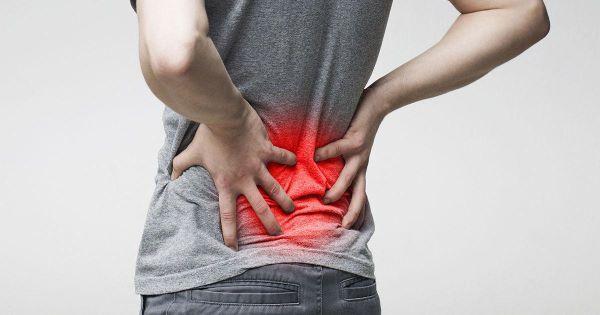
Chronic pain after having a baby is usually a mix of tissue strain from pregnancy and delivery, a sensitized pain system that stays “on,” and medical issues that can be missed in the postpartum blur, like thyroid inflammation or anemia. The right plan depends on which driver is strongest for you, and a few targeted blood tests can help separate inflammation, thyroid shifts, and nutrient depletion. If you feel like you should be “back to normal” by now but your body disagrees, you are not imagining it. Postpartum pain can be pelvic and deep, or it can be widespread and achy, and sleep loss can turn the volume up on all of it. The good news is that you can usually make progress once you name the pattern: where the pain lives, what flares it, and what your labs and exam say about inflammation, hormones, and recovery. This guide walks you through the most common causes, what tends to help in real life, and how tools like PocketMD and VitalsVault labs can support the next step when you are stuck.
Why chronic pain can show up postpartum
Pelvic floor and core injury
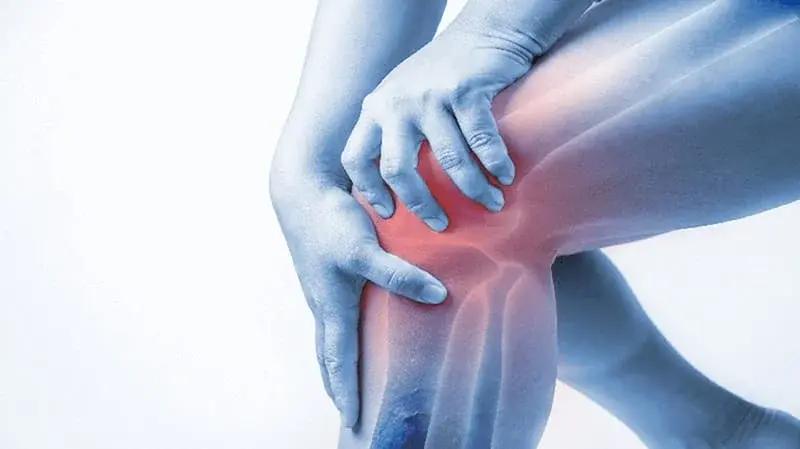
Pregnancy and birth can overstretch or tear the muscles and connective tissue that support your pelvis and spine, which can leave you with deep pelvic aching, tailbone pain, or a heavy “dragging” feeling. When those stabilizers are weak or guarding, everyday things like standing at the sink or lifting a car seat can feel surprisingly painful. A useful clue is pain that changes with position and improves when you lie down or support your abdomen with your hands, which is a strong reason to ask about pelvic floor physical therapy.
Nerve irritation after delivery
Sometimes a nerve gets irritated during labor, from prolonged positioning, swelling, or a difficult delivery, and then it keeps sending danger signals even after the tissue heals. That can feel like burning, tingling, shooting pain, or numb patches in your groin, buttock, or leg. If your pain has a “zappy” quality or you notice weakness, bring it up early because targeted rehab and nerve-friendly pain options work better when you start sooner.
Inflammation from autoimmune flares
After you deliver, your immune system shifts again, and that change can unmask or flare inflammatory conditions such as rheumatoid arthritis, psoriatic arthritis, or lupus. This pain often feels like stiffness that is worst in the morning and improves as you move, and your joints may look puffy or feel warm. If you are also getting new rashes, mouth sores, or swollen joints, it is worth checking inflammation markers and asking for a focused evaluation rather than assuming it is “just postpartum.”
Thyroid inflammation (postpartum thyroiditis)
Your thyroid can become inflamed in the months after birth, which can swing you from “sped up” to “slowed down” and leave your muscles and joints aching. When your thyroid is underactive, you may also feel unusually cold, constipated, or mentally foggy, and your recovery can feel like it has hit mud. The key takeaway is that this is measurable with a simple blood test, and treating the thyroid problem often makes the pain and fatigue easier to manage.
Pain system stays on high alert
When you are sleep-deprived, stressed, and healing, your nervous system can become more sensitive to pain signals, which is sometimes called central sensitization. That does not mean the pain is “in your head”; it means your body is amplifying input that used to be tolerable, so even light touch, gentle exercise, or a long day can trigger a flare. If your pain is widespread and comes with brain fog or unrefreshing sleep, a plan that prioritizes sleep protection, paced activity, and nervous-system calming often helps more than chasing one injured spot.
What actually helps postpartum chronic pain
Get a pelvic floor PT assessment
A pelvic floor physical therapist can check how your pelvic muscles coordinate with your breathing and core, and they can spot issues like muscle over-tightness that makes pain worse. Treatment is not just Kegels; it often includes down-training tight muscles, scar mobilization, and rebuilding strength in a way that does not flare you. If you have pain with sex, leaking, heaviness, or tailbone pain, this is one of the highest-yield next steps.
Use paced movement, not rest
Complete rest can make your muscles decondition and your pain sensitivity climb, but pushing through can backfire too. Pacing means you pick an activity level you can do on your worst day, then increase by small, planned steps, even if you feel better in the moment. A practical start is a 10-minute walk at an easy pace most days for a week, then add two minutes every 4–7 days if your next-day pain stays within a 1–2 point increase.
Treat the sleep problem directly
Sleep loss is a pain amplifier, and postpartum sleep is often fragmented even when you are doing everything “right.” If you can, trade one protected 4–5 hour block with a partner or helper a few nights a week, because a single longer stretch can reduce next-day pain sensitivity. If insomnia is the issue even when the baby sleeps, ask about postpartum-safe options such as cognitive behavioral therapy for insomnia and, when appropriate, short-term medication support.
Choose pain meds that fit breastfeeding
For many postpartum pain patterns, ibuprofen and acetaminophen are the first-line options and are generally compatible with breastfeeding when used as directed. If you need something stronger or your pain has a nerve component, your clinician can help you weigh options that target nerve pain while considering your feeding plan and your baby’s age. The takeaway is that you do not have to choose between suffering and unsafe medication, but you do need individualized guidance.
Address inflammation or thyroid drivers
If your labs or symptoms point to inflammation, anemia, or thyroid dysfunction, treating that driver can lower your baseline pain so that rehab actually works. For example, correcting low iron stores can improve exercise tolerance and reduce the “everything hurts” feeling that comes with exhaustion, and normalizing thyroid function can ease muscle aches and stiffness. Bring your results and your symptom timeline to a visit so the plan is based on your data, not guesswork.
Lab tests that help explain chronic pain in postpartum women
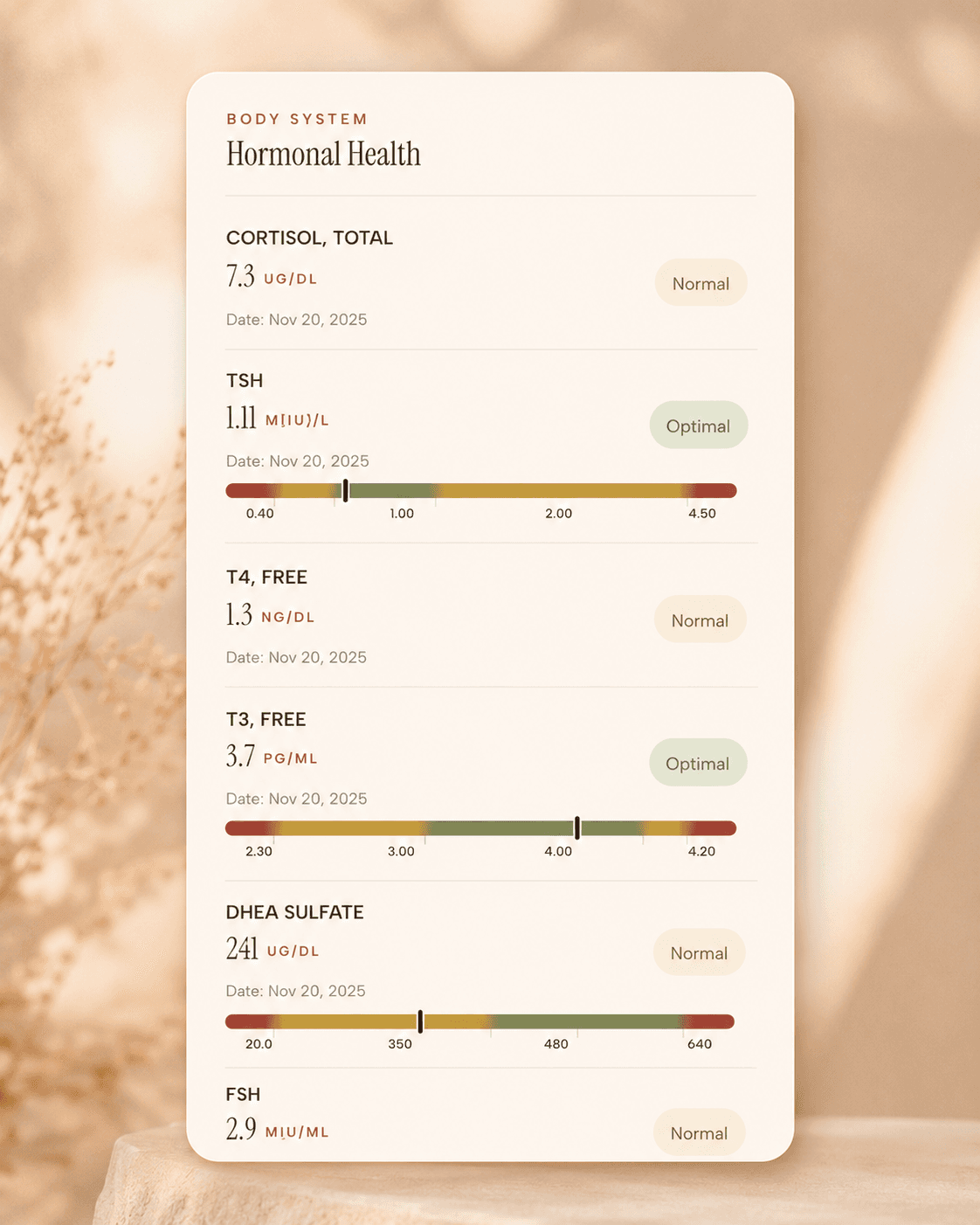
TSH
TSH is the master regulator of thyroid function, controlling the production of thyroid hormones T4 and T3. In functional medicine, we use narrower TSH ranges than conventional medicine to identify subclinical thyroid dysfunction early. Even mildly elevated TSH can indicate thyroid insufficiency, leading to fatigue, weight gain, depression, and metabolic dysfunction. TSH levels are influenced by stress, nutrient deficiencies, autoimmune conditions, and environmental toxins. Optimal TSH supports energy, metabolism…
Learn moreHs Crp
High-sensitivity C-reactive protein (hs-CRP) is a key marker of systemic inflammation and cardiovascular risk. In functional medicine, we recognize hs-CRP as one of the most important predictors of heart disease, stroke, and metabolic dysfunction. Levels above 1.0 mg/L indicate increased inflammation that may be driven by poor diet, chronic infections, autoimmune conditions, or metabolic syndrome. Optimal levels below 0.5 mg/L are associated with the lowest cardiovascular risk and overall inflammatory burden. hs…
Learn moreFerritin
Ferritin is your body's iron storage protein, reflecting total iron stores in the body. In functional medicine, ferritin assessment is crucial for identifying both iron deficiency and iron overload, conditions that can significantly impact energy levels and overall health. Low ferritin is the earliest sign of iron deficiency, often occurring before anemia develops. This can cause fatigue, weakness, restless leg syndrome, and cognitive impairment. Conversely, elevated ferritin may indicate iron overload, inflamma…
Learn moreLab testing
Check CRP, TSH, and ferritin at Quest
starting from $99 panel with 100+ tests, one visit
No referral needed
About 1 week
Schedule online — results typically within a week
Clear next steps
Guidance included, with follow-up care available
HSA / FSA
Eligible for pre-tax health spending accounts
Pro Tips
Try a two-week pain map: once a day, mark where it hurts on a simple body outline and rate it 1–10, then note what you did in the 6 hours before. Patterns like “worse after carrying” versus “worse after poor sleep” usually show up fast.
If you suspect pelvic floor involvement, do a quick check: does your pain ease when you exhale slowly and relax your belly and pelvic muscles for 60 seconds? If yes, tightness and guarding may be part of the problem, and down-training work can help.
Use the “next-day rule” for exercise: you can keep an activity if your pain returns to baseline within 24 hours. If you are still flared the next day, cut the dose in half rather than quitting entirely.
When lifting the baby or car seat, exhale on the effort and keep the load close to your body. That one change reduces pressure on healing abdominal tissue and often prevents the sharp ‘twinge’ that starts a flare.
If your pain feels inflammatory, take a photo of any visible swelling and write down how long morning stiffness lasts. ‘Stiff for 60 minutes’ is more useful to a clinician than ‘my joints hurt.’
Frequently Asked Questions
How long is postpartum pain normal?
Soreness and pelvic discomfort often improve over the first 6–12 weeks, but persistent pain beyond 3 months is a sign to reassess rather than just waiting it out. Ongoing pain can come from pelvic floor injury, nerve irritation, or an inflammatory flare that needs a different approach. If your pain is worsening, spreading, or limiting basic tasks, book a focused postpartum visit and bring a short symptom timeline.
Can postpartum thyroid problems cause body aches?
Yes. Postpartum thyroid inflammation can lead to an underactive thyroid, which often causes muscle aches, joint stiffness, fatigue, constipation, and brain fog. A TSH blood test is the usual starting point, and many people feel best when TSH is roughly 0.5–2.5 mIU/L, although your clinician will interpret it in context. If you are 2–12 months postpartum and feel “slowed down,” ask to have TSH checked.
Is it fibromyalgia or just postpartum recovery?
Fibromyalgia is more likely when pain is widespread on both sides of your body and comes with unrefreshing sleep, brain fog, and sensitivity to touch, even after the initial healing window. Postpartum recovery pain is more often localized and clearly linked to movement or a specific area like the pelvis or back. If your pain is widespread for more than 3 months, ask about central sensitization and a plan that includes paced activity and sleep treatment.
What blood tests help explain chronic pain postpartum?
CRP can show whether inflammation is part of your pain picture, TSH can catch postpartum thyroid shifts that cause aches and fatigue, and ferritin can reveal low iron stores that worsen exhaustion and pain sensitivity. These tests do not diagnose everything, but they can quickly point you toward the right lane of care. If you test, write down your postpartum month and key symptoms so results are interpreted correctly.
When should I worry about postpartum pain and seek urgent care?
Get urgent care if you have severe headache with vision changes, chest pain, shortness of breath, a hot and swollen leg, fever with worsening pelvic or breast pain, or new weakness or loss of bladder or bowel control. Those symptoms can signal conditions that need immediate treatment, not watchful waiting. If you are unsure, it is reasonable to call your obstetric team or an urgent line and describe the exact symptoms and timing.
Research worth knowing about
ACOG guidance on postpartum care as an ongoing process (includes pain, recovery, and follow-up needs)
Cochrane review: exercise and physical activity can reduce chronic pain and improve function in adults (supports paced rehab approaches)
European Thyroid Association guideline on thyroid dysfunction in pregnancy and the postpartum period (covers postpartum thyroiditis evaluation)