Joint Pain in Pregnant Women: What It Means and What Helps
Joint pain in pregnancy often comes from loosened ligaments, fluid-related swelling, or thyroid and vitamin D shifts. Targeted labs available—no referral needed.





Joint pain in pregnancy is usually caused by hormone-driven loosening of ligaments, extra fluid that increases swelling and nerve pressure, or underlying issues like low vitamin D or thyroid imbalance that pregnancy can unmask. The pattern matters: pelvic and hip pain often points to pelvic girdle strain, while hand and wrist pain often comes from swelling-related nerve compression. If it is not clear which one fits you, a few targeted labs can help narrow it down. Pregnancy changes how your joints are loaded, how your connective tissue behaves, and even how your immune system “acts,” which is why aches can show up in places that never bothered you before. Most of the time this is uncomfortable but temporary, yet you still deserve real relief that is safe for you and the baby. Below you will learn the most common reasons it happens, what tends to help in real life, and when it is worth looping in your clinician. If you want help matching your exact symptoms to the most likely cause, PocketMD can talk it through with you, and Vitals Vault labs can help you check a few high-yield markers.
Why joint pain can flare during pregnancy
Ligaments loosen to prepare your pelvis
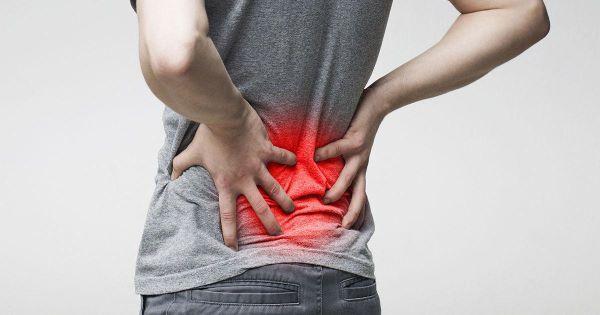
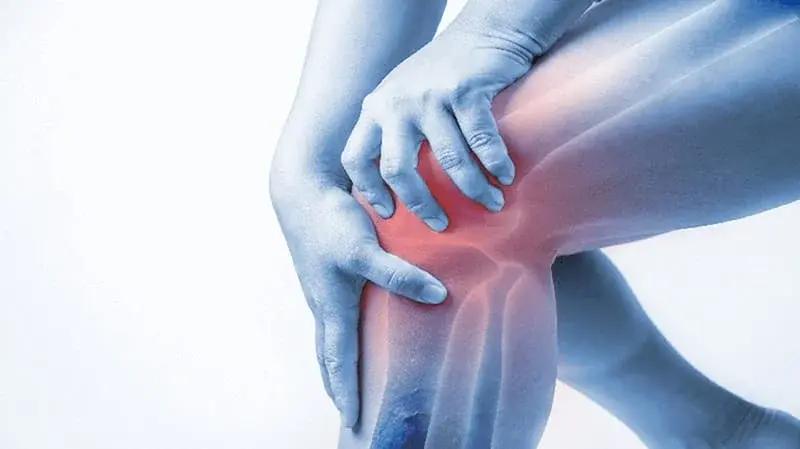
Pregnancy hormones make your ligaments more stretchy so your pelvis can adapt for delivery, but that also means your joints can feel less “stable” than usual. You might notice aching in your hips, low back, knees, or ankles, especially after standing, climbing stairs, or rolling in bed. Support matters here: a pelvic support belt and small movement changes often reduce pain faster than rest alone.
Pelvic girdle strain from altered gait
As your bump grows, your center of gravity shifts and your stride changes, which can overload the joints where your pelvis meets your spine and pubic bone. This often feels sharp or deep in the buttock, groin, or the front of your pelvis, and it can flare when you take a big step, get out of a car, or stand on one leg to put on pants. A physiotherapist who knows pregnancy can teach you stabilizing exercises that protect those joints without “overworking” them.
Fluid swelling irritates nerves in wrists
Pregnancy increases blood volume and fluid retention, and that extra fluid can crowd tight spaces like the wrist tunnel that houses your median nerve (carpal tunnel syndrome). The result is hand pain, tingling, or numbness that is often worse at night or when you wake up. A neutral-position wrist splint at night is a simple first step that can make a big difference within a week.
Vitamin D runs low
Vitamin D helps regulate bone and muscle function, and low levels can make your body feel more achy and “tender” around joints even when the joint itself is not damaged. You might notice more generalized soreness, muscle cramps, or fatigue on top of joint pain. Ask your clinician about checking 25-hydroxy vitamin D and choosing a pregnancy-appropriate dose, because the goal is usually to get into a steady, sufficient range rather than taking random high doses.
Autoimmune arthritis can flare or appear
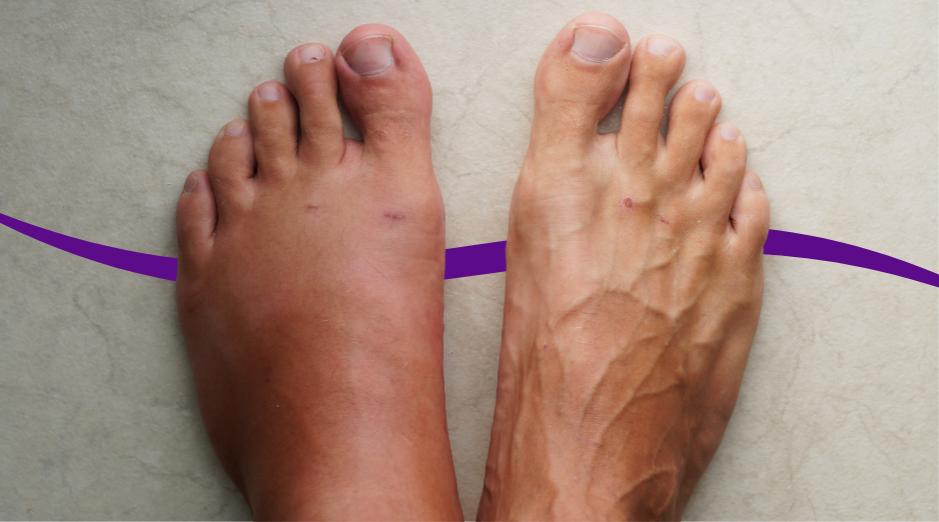
Pregnancy can calm some autoimmune conditions but it can also unmask or worsen others, and inflammatory arthritis tends to feel different from mechanical strain. You are more likely to notice morning stiffness that lasts longer than 30–60 minutes, warmth or visible swelling in small joints, or pain that improves with gentle movement but returns when you rest. If that sounds like you, bring it up promptly, because early evaluation and pregnancy-safe treatment can protect your function and reduce postpartum flares.
What actually helps (and stays pregnancy-safe)
Use joint support, not just rest
When ligaments are lax, your joints often hurt because they are working harder to stay aligned, so external support can give them a break. A pelvic support belt for hip and pubic pain, or supportive shoes with a stable sole for knee and ankle pain, can reduce the “end of day” ache. If a device makes pain sharper or causes numbness, it is a sign the fit is wrong and you should adjust it or ask a clinician to check placement.
Switch to short, frequent movement
Long bouts of sitting can stiffen joints, but long bouts of standing can overload them, so the sweet spot is usually frequent position changes. Try a two-minute walk or gentle hip circles every 30–45 minutes, and keep steps shorter when you are flaring. If you feel pelvic pain when turning in bed, moving your knees together as you roll often reduces the “shearing” feeling.
Targeted strengthening with a physio
For pelvic girdle pain, the goal is not intense workouts but better control of the deep core and glute muscles that stabilize your pelvis. A pregnancy-trained physical therapist can teach you small, precise exercises and show you how to modify stairs, getting in and out of cars, and lifting. This is one of the highest-return interventions because it addresses the mechanics driving the pain.
Heat or cold based on the feel
If your pain feels stiff and “rusty,” warmth often helps by relaxing muscles that are guarding the joint, so a warm shower or heating pad on low for 10–15 minutes can be soothing. If a joint feels puffy, hot, or freshly irritated after activity, a cold pack wrapped in a towel for 10 minutes can calm it down. The right choice is the one that makes you move more comfortably afterward.
Medication choices: ask before you assume
Acetaminophen is often the first-line option in pregnancy, but dosing and frequency still matter, especially if you are using other combination products. Anti-inflammatory pain relievers like ibuprofen are generally avoided later in pregnancy, and the timing can be important earlier on too, so it is worth a quick check-in rather than guessing. If pain is suddenly severe with a red, hot, very swollen joint, or you also have fever, call your clinician the same day because that pattern needs urgent evaluation.
Useful biomarkers to discuss with your clinician
Vitamin D, 25-Oh, Total
Total 25-hydroxyvitamin D represents the best measure of vitamin D status, combining both D2 and D3 forms. This is the storage form of vitamin D and reflects recent intake and synthesis. In functional medicine, total 25(OH)D is used to assess vitamin D sufficiency and guide supplementation. Optimal levels (40-80 ng/mL) are associated with reduced risk of cancer, cardiovascular disease, autoimmune conditions, and all-cause mortality. Vitamin D acts as a hormone affecting immune function, bone health, mood, and ce…
Learn moreTSH
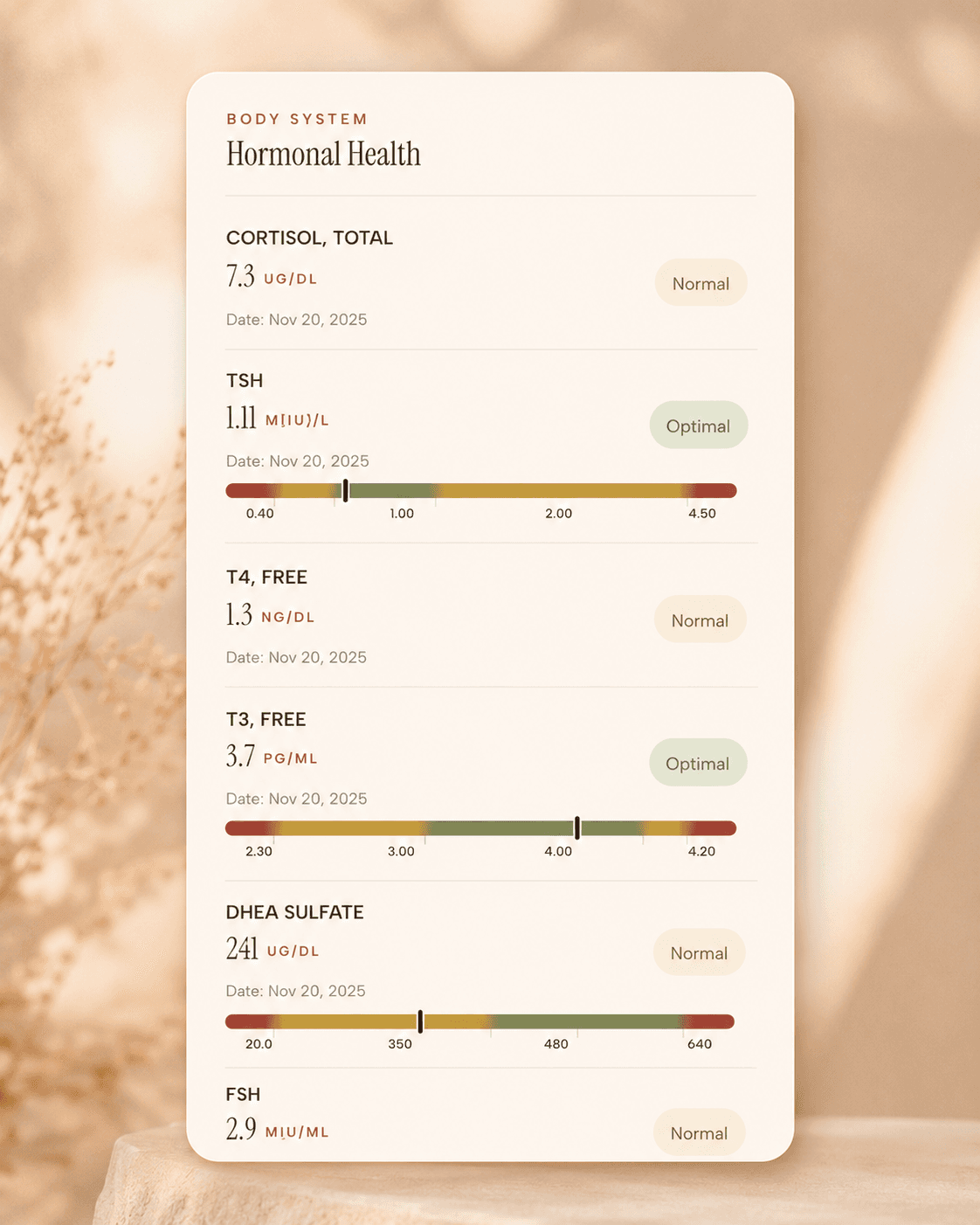
TSH is the master regulator of thyroid function, controlling the production of thyroid hormones T4 and T3. In functional medicine, we use narrower TSH ranges than conventional medicine to identify subclinical thyroid dysfunction early. Even mildly elevated TSH can indicate thyroid insufficiency, leading to fatigue, weight gain, depression, and metabolic dysfunction. TSH levels are influenced by stress, nutrient deficiencies, autoimmune conditions, and environmental toxins. Optimal TSH supports energy, metabolism…
Learn moreHomocysteine
Homocysteine is an amino acid metabolite that serves as an independent risk factor for cardiovascular disease, stroke, and cognitive decline. In functional medicine, elevated homocysteine indicates methylation dysfunction and B-vitamin deficiencies. High homocysteine promotes endothelial dysfunction, oxidative stress, and thrombosis. It's particularly important because it's easily modifiable through B-vitamin supplementation (B6, B12, folate). Homocysteine levels are also associated with Alzheimer's disease risk…
Learn moreLab testing
Check vitamin D, thyroid (TSH), and inflammation (CRP) at Quest
starting from $99 panel with 100+ tests, one visit
No referral needed
About 1 week
Schedule online — results typically within a week
Clear next steps
Guidance included, with follow-up care available
HSA / FSA
Eligible for pre-tax health spending accounts
Pro Tips
Do a 7-day “pattern check” before you spiral: write down which joints hurt, what time of day it peaks, and whether you feel true morning stiffness that lasts more than 30 minutes. That one detail often separates inflammatory pain from load-related strain.
If your pelvic pain spikes with single-leg moves, stop doing them for now and “move as a unit.” Keeping your knees together when rolling in bed and stepping into pants while seated can cut the sharp jolts dramatically.
For wrist and hand pain, try a neutral wrist splint at night for two weeks and keep your wrist straight when you scroll or hold a phone. If tingling improves, swelling-related nerve pressure was probably a big driver.
When walking hurts, shorten your stride and slow down rather than forcing distance. Many people get more relief from two 8-minute walks than one 20-minute walk because the joints never reach the overload point.
If you suspect vitamin D is part of the picture, do not guess with mega-doses. Get a 25-hydroxy vitamin D level first, then recheck after 8–12 weeks of a clinician-approved plan so you know it is actually moving into a sufficient range.
Frequently Asked Questions
Is joint pain normal during pregnancy?
It is common, especially in the hips, pelvis, low back, knees, and wrists, because pregnancy hormones loosen ligaments and fluid retention increases pressure in tight spaces. “Common” does not mean you have to suffer, though, and targeted support plus small movement changes often help quickly. If you have a red, hot, very swollen joint, fever, or sudden severe pain, contact your clinician the same day.
Why do my hands and wrists hurt more at night while pregnant?
Nighttime hand pain and tingling often comes from swelling that compresses a wrist nerve (carpal tunnel syndrome). It tends to be worse when your wrists bend during sleep, which is why a neutral-position wrist splint at night can be so effective. If you also notice numbness in the thumb, index, and middle finger, mention that pattern at your next prenatal visit.
What is pelvic girdle pain, and how do I know if I have it?
Pelvic girdle pain is pain from the joints and ligaments around your pelvis, and it often feels deep in the buttock, groin, or the front of the pubic bone. It commonly flares with stairs, getting out of a car, turning in bed, or standing on one leg. A pregnancy-trained physiotherapist can confirm it and teach stabilizing strategies that usually beat “just rest.”
Can low vitamin D cause joint pain during pregnancy?
Yes. Low 25-hydroxy vitamin D can make muscles and joints feel more achy and can add fatigue or cramps on top of pregnancy discomfort. Many clinicians aim for a level around 30–50 ng/mL (75–125 nmol/L) rather than hovering near the low cutoff. If you are supplementing, recheck in about 8–12 weeks so you know the dose is working.
When should I worry that joint pain is autoimmune arthritis in pregnancy?
Be more suspicious if you have visible joint swelling, warmth, or morning stiffness that lasts longer than 30–60 minutes, especially in the hands and feet. In that situation, tests like CRP can help show whether inflammation is part of the story, although diagnosis usually also depends on an exam and sometimes additional labs. Bring these symptoms up promptly, because pregnancy-safe treatment options exist and early care can protect your mobility.
What research says about pregnancy-related joint pain
ACOG guidance on physical activity in pregnancy and postpartum (safe movement and modification)
EULAR points to consider for managing rheumatic and musculoskeletal diseases during pregnancy (medication safety and monitoring)
Cochrane review: exercises and support interventions for pregnancy-related pelvic and back pain