Irregular Periods in Your 50s: What’s Going On?
Irregular periods in your 50s usually come from perimenopause hormone swings, thyroid shifts, or uterine growths. Targeted labs available—no referral needed.






Irregular periods in your 50s are most often caused by perimenopause, when your ovaries release eggs less predictably and your estrogen and progesterone swing from month to month. Thyroid changes and problems inside the uterus, like fibroids or polyps, can also make bleeding unpredictable or heavier. A few targeted blood tests can help sort out which pattern fits your body right now. If your cycle used to be clockwork and now it feels like your body is freelancing, you are not imagining it. In your 50s, “irregular” can mean longer gaps between periods, shorter cycles, spotting between periods, or sudden heavier bleeding. Most of the time it is part of the menopause transition, but the same symptom can also be your body’s early warning system for something that deserves treatment. This guide walks you through the most common causes, what you can do at home to regain some control, and which labs can clarify the picture. If you want help interpreting your specific pattern, PocketMD can talk it through with you, and Vitals Vault labs can help you check the most relevant hormones without a long wait.
Why your periods get irregular in your 50s
Perimenopause hormone swings
In your 50s, your ovaries often ovulate less consistently, which means progesterone drops out in some cycles and estrogen can spike or dip unpredictably. Without steady progesterone, the lining of your uterus can build up longer and then shed in a heavier, messier way. The takeaway is that “random” bleeding often has a pattern once you track it for a couple of months, especially if you note hot flashes, sleep changes, or new mood shifts alongside your cycle.
Thyroid slowdown or overdrive
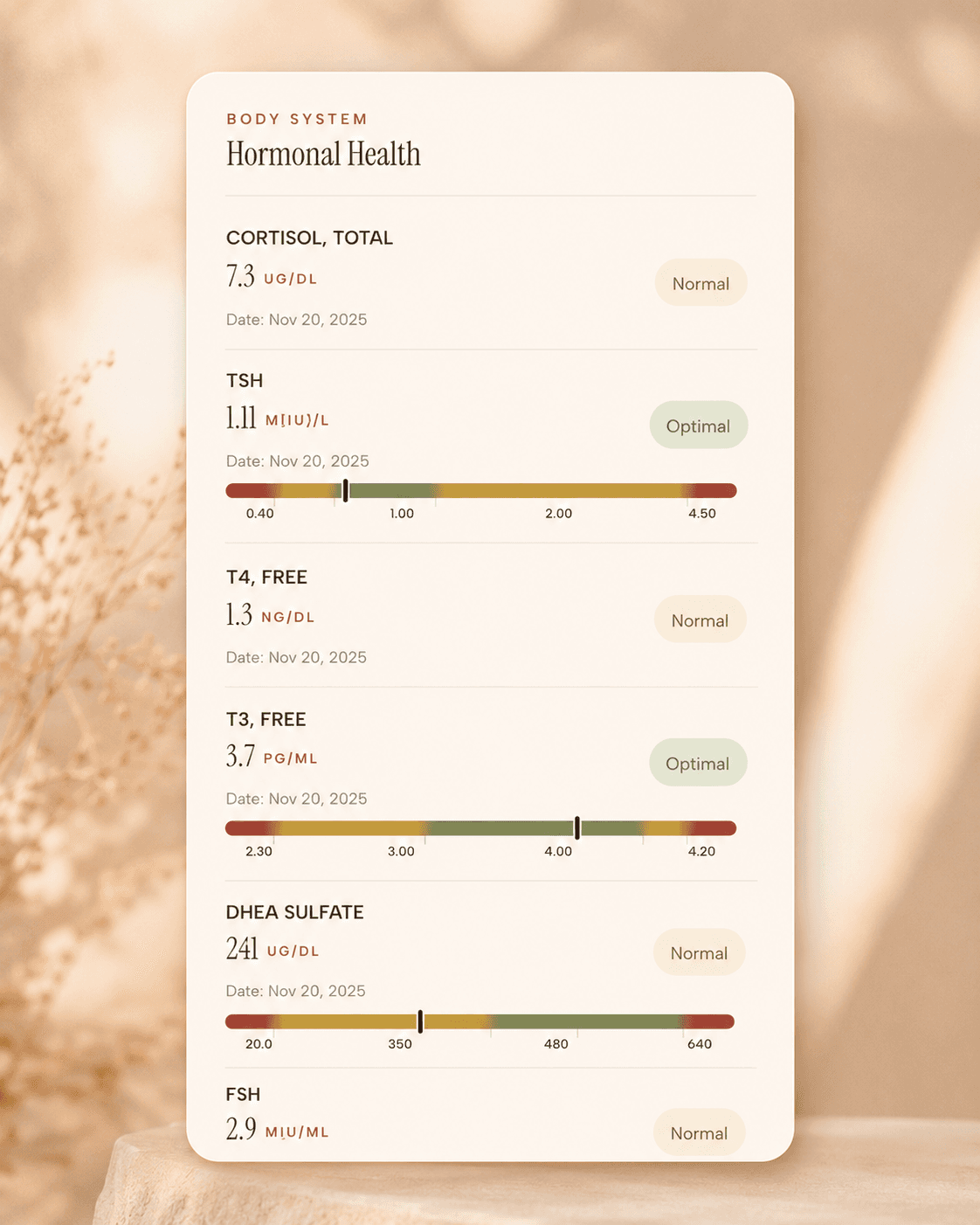
Your thyroid is your body’s pace-setter, and when it runs too slow or too fast, your brain-ovary signaling can get scrambled. That can show up as longer cycles, skipped periods, or heavier bleeding that feels out of proportion to what you used to have. If you also notice new fatigue, hair shedding, heat intolerance, or a racing heart, a simple TSH test is a smart next step because thyroid issues are treatable and can mimic “just menopause.”
Fibroids changing the flow
Fibroids are benign muscle growths in the uterus, and they can make bleeding heavier or more prolonged because they distort the uterine cavity and interfere with normal contraction. This often feels like flooding, passing clots, or needing to change protection much more often than before. If your bleeding is getting heavier over time rather than simply more spaced out, ask about a pelvic ultrasound because fibroids are common in this age range and there are multiple ways to manage them.
Uterine polyps causing spotting
Polyps are small overgrowths of the uterine lining, and they can bleed easily, especially after sex or between periods. The bleeding is often lighter than a full period but annoyingly frequent, which can make you feel like you never know when you’re “done.” A key clue is spotting that keeps recurring even when your overall cycle is spacing out, and the usual evaluation is an ultrasound and sometimes a quick in-office sampling.
Medication and device effects
Some birth control methods, hormone therapy, blood thinners, and even certain supplements can change how your uterine lining grows and sheds. That can look like breakthrough bleeding, longer spotting tails, or a cycle that seems to reset every time you adjust a dose. If the timing lines up with a new medication or a change in hormones, bring the exact start date and dose to your clinician so you can decide whether to wait it out, adjust, or switch.
What actually helps you regain predictability
Track the pattern like a detective
For two full cycles, write down the first day of bleeding, the heaviest day, and whether you’re spotting in between, because those details point to different causes. Add one line about symptoms that often travel with hormone swings, like night sweats or breast tenderness, since that supports a perimenopause pattern. Bring that short log to appointments so you spend less time trying to remember and more time making a plan.
Treat heavy bleeding early
If your main problem is volume, you do not have to “tough it out” while you wait for menopause. Options like anti-inflammatory pain relievers taken with meals during heavy days, tranexamic acid (a prescription that helps clotting), or a progestin-based approach can reduce bleeding and protect your iron stores. The practical move is to ask specifically about heavy-bleeding treatments rather than only asking, “Is this normal?”
Ask about ultrasound when flow changes
When bleeding becomes heavier, more painful, or more frequent, imaging can reveal fibroids or polyps that labs cannot. A pelvic ultrasound is usually the first step, and it helps your clinician decide whether you need watchful waiting, medication, or a procedure. This is especially useful if your cycles are irregular and you also feel pelvic pressure or new bloating that doesn’t match your usual PMS.
Check and correct iron if needed
Irregular bleeding can quietly drain iron, and low iron can make you feel exhausted, short of breath on stairs, or mentally foggy even if your bleeding seems “only a bit heavier.” If you suspect this, ask for ferritin testing and do not rely on a normal hemoglobin alone, because ferritin drops first. If ferritin is low, treating it can improve energy within weeks while you work on the underlying bleeding pattern.
Use hormone therapy thoughtfully
If you are also dealing with hot flashes, sleep disruption, or vaginal dryness, hormone therapy can sometimes improve quality of life while you ride out the transition. The key is matching the type and dose to your uterus status, because unopposed estrogen can worsen irregular bleeding if progesterone support is missing. A good next step is to discuss whether you need contraception, symptom relief, or both, since that changes which options make sense.
Useful biomarkers to discuss with your clinician
Progesterone
While primarily known as a female hormone, progesterone plays important roles in men including neuroprotection, sleep quality, and as a precursor to other hormones. In functional medicine, male progesterone assessment helps evaluate overall hormone synthesis pathways and stress response. Low progesterone in men may indicate chronic stress or adrenal dysfunction, while optimal levels support brain health and sleep quality. Progesterone in men supports neurological health, sleep quality, and serves as a building b…
Learn moreEstradiol
Estradiol in men is produced from testosterone via aromatase enzyme. In functional medicine, we recognize that men need optimal estradiol levels for bone health, cognitive function, and cardiovascular protection. However, excessive estradiol can suppress testosterone production and cause feminizing effects. The testosterone-to-estradiol ratio is crucial for male health, with optimal balance supporting vitality while preventing estrogen dominance. Balanced estradiol levels in men support bone health and cognitive…
Learn moreTSH
TSH is the master regulator of thyroid function, controlling the production of thyroid hormones T4 and T3. In functional medicine, we use narrower TSH ranges than conventional medicine to identify subclinical thyroid dysfunction early. Even mildly elevated TSH can indicate thyroid insufficiency, leading to fatigue, weight gain, depression, and metabolic dysfunction. TSH levels are influenced by stress, nutrient deficiencies, autoimmune conditions, and environmental toxins. Optimal TSH supports energy, metabolism…
Learn moreLab testing
Get TSH, FSH, and estradiol checked at Quest
starting from $99 panel with 100+ tests, one visit
No referral needed
About 1 week
Schedule online — results typically within a week
Clear next steps
Guidance included, with follow-up care available
HSA / FSA
Eligible for pre-tax health spending accounts
Pro Tips
Use a simple “bleeding score” for two cycles: note whether you needed to change protection more often than every 2 hours, and whether you passed clots larger than a quarter, because that helps your clinician gauge severity quickly.
If you are spotting, write down whether it happens after sex, after exercise, or randomly, because post-sex spotting points more toward a cervix or polyp issue than a pure hormone swing.
Pick one backup plan for unpredictable starts, like keeping a small kit in your bag and choosing darker underwear on days you feel crampy, because reducing the daily anxiety is part of treatment too.
If you are skipping periods, do not assume pregnancy is impossible until you have gone 12 months without bleeding, because ovulation can still happen sporadically in perimenopause.
When you get labs, write down what cycle day you think you were on and whether you were bleeding, because timing changes how FSH and estradiol should be interpreted.
Frequently Asked Questions
Is it normal to have irregular periods at 50 or 52?
Yes, it is very common because perimenopause can make ovulation unpredictable, which changes both timing and flow. “Normal” can include skipped months, shorter cycles, or heavier bleeding, but the pattern should still make sense over time. If you are soaking through protection every 1–2 hours, bleeding after sex, or bleeding after you have gone 12 months with no period, get checked promptly.
How do I know if irregular bleeding is perimenopause or something serious?
Perimenopause often comes with other hormone-shift clues like hot flashes, sleep disruption, and cycles that gradually space out, even if they are messy. Bleeding that steadily gets heavier, frequent spotting between periods, or bleeding after sex raises the odds of fibroids, polyps, or cervix issues and usually deserves an ultrasound or exam. A practical first step is to track two cycles and bring that log to a visit so the evaluation is targeted.
What blood tests should I get for irregular periods in my 50s?
TSH can catch thyroid problems that mimic menopause and are very treatable. FSH and estradiol can support a perimenopause pattern, especially when interpreted with your symptoms and cycle timing. If your bleeding is heavy, ask about ferritin as well, because low iron can be the main reason you feel wiped out.
Can thyroid problems cause irregular periods in your 50s?
They can, and it is one of the most common “not just menopause” explanations. Hypothyroidism often goes with heavier or longer bleeding and fatigue, while hyperthyroidism can cause lighter or skipped periods with anxiety or palpitations. If your TSH is outside a symptom-friendly range (often around 0.5–2.5 mIU/L for many people), ask what follow-up testing or treatment makes sense for you.
When should I worry about heavy bleeding in perimenopause?
Worry less about the calendar and more about the impact: soaking through a pad or tampon every hour for several hours, feeling dizzy, or developing shortness of breath can signal significant blood loss. Bleeding that lasts longer than 7–10 days repeatedly, or that comes with new pelvic pressure, also deserves evaluation for fibroids or polyps. If you are unsure, call your clinician and ask specifically whether you need urgent care versus an outpatient workup.