Irregular Periods in Your 40s: What It Usually Means
Irregular periods in your 40s usually come from perimenopause hormone swings, thyroid shifts, or low ovulation. Targeted labs, no referral needed.






Irregular periods in your 40s are most often a sign that ovulation is becoming less predictable during perimenopause, but thyroid changes and ongoing hormone patterns like PCOS can do it too. When you don’t ovulate regularly, your lining can build up and then shed at odd times, which is why you might get late periods, skipped months, or surprise spotting. A few targeted blood tests can help sort out which pattern fits your body. This symptom is frustrating because it messes with planning, travel, workouts, and sometimes your confidence about fertility. It is also emotionally loud: a missed period can instantly trigger “Is something wrong?” thoughts. The good news is that irregular does not automatically mean dangerous, but there are a few red flags you should not ignore, especially heavy bleeding or bleeding after sex. If you want help making sense of your specific pattern, PocketMD can walk through your timeline with you, and VitalsVault labs can help you check the most relevant hormones without turning this into a months-long guessing game.
Why your periods get irregular in your 40s
Perimenopause hormone swings
In your 40s, your ovaries often release eggs less consistently, and estrogen and progesterone can swing from month to month. That can make one cycle feel “normal,” then the next one show up two weeks late, or arrive early with heavier bleeding. A useful clue is variability: if your cycle length is changing by more than about 7–9 days from one month to the next, perimenopause is a common reason.
Not ovulating regularly (anovulation)
When you do not release an egg, you also do not make the steady progesterone rise that usually organizes the second half of your cycle. Your uterine lining can keep thickening under estrogen and then shed unpredictably, which can look like spotting, long cycles, or sudden heavy bleeding. If you are trying to conceive, this matters because timing intercourse perfectly will not help if ovulation is not happening.
Thyroid slowdown or overdrive
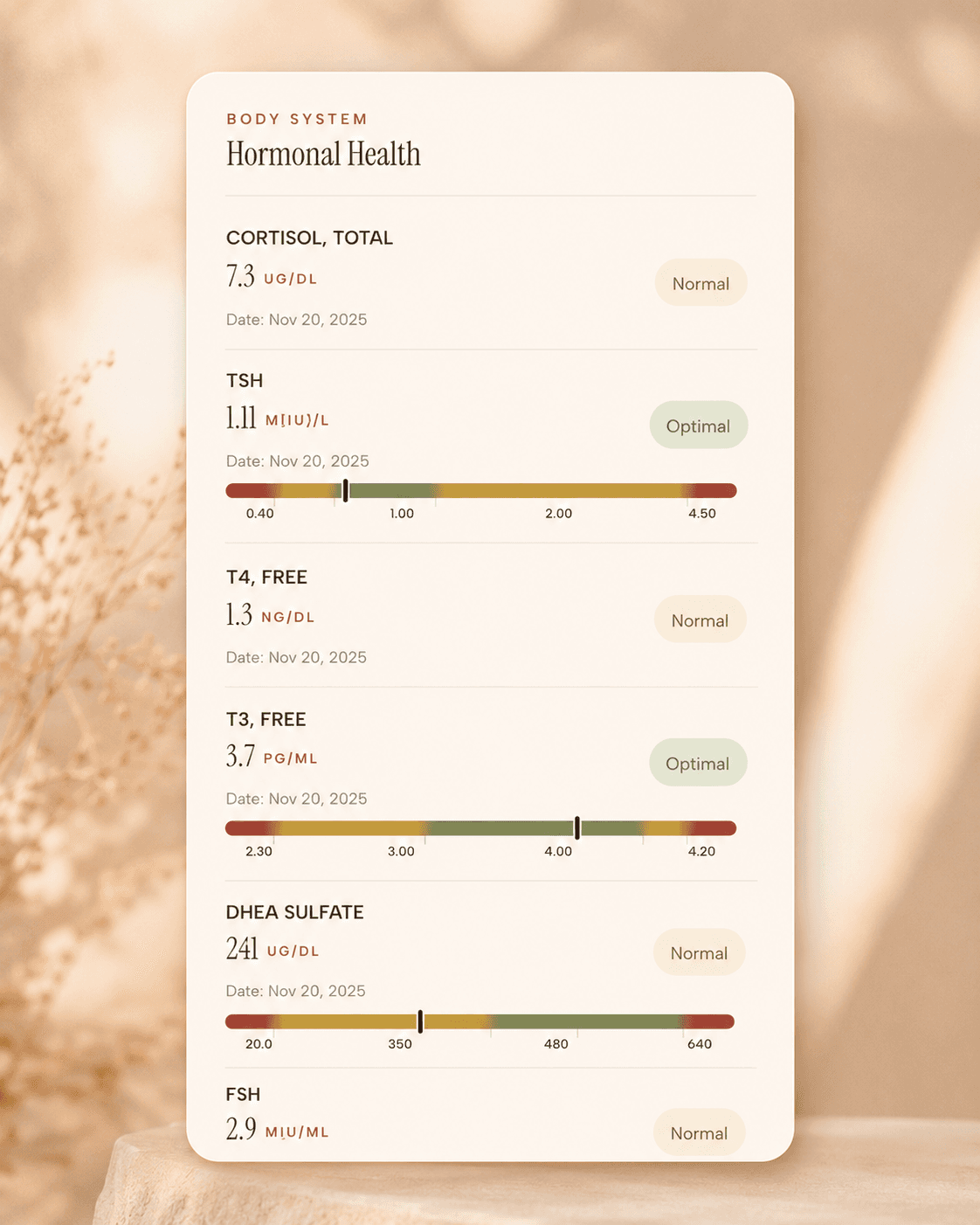
Your thyroid is your body’s pace-setter, and when it runs too slow or too fast, your brain-ovary signaling can get scrambled. You might notice irregular cycles along with changes in energy, sleep, hair shedding, constipation, heat intolerance, or a racing heart. The takeaway is simple: thyroid issues are common and treatable, so it is worth checking a TSH blood test when your cycle suddenly changes.
PCOS pattern that persists
Polycystic ovary syndrome (PCOS) is really a pattern of hormone signaling, not a single “cyst problem,” and it can continue into your 40s. If you have longer cycles, acne or chin hair, weight gain that feels stubborn, or a history of irregular periods since your teens or 20s, PCOS may still be part of the picture. In this case, cycle irregularity is often tied to insulin resistance, which means lifestyle and medication choices can make a real difference.
Uterine changes that cause bleeding
Sometimes the issue is not ovulation at all, but the uterus itself, such as fibroids, polyps, or a lining that has gotten too thick. This tends to show up as heavier bleeding, bleeding between periods, clots, or bleeding after sex rather than just a “late” period. If you are soaking through a pad or tampon every hour for a couple of hours, feeling dizzy, or bleeding after menopause, that is a reason to seek urgent care or prompt evaluation.
What actually helps you get predictable cycles
Track ovulation, not just bleeding
A calendar only tells you when bleeding happened, but ovulation tracking tells you why your timing is changing. Try morning basal body temperature for two cycles, or use ovulation predictor kits for a few weeks when your cycle is long, and watch for a clear shift. If you never see a positive test or a temperature rise, bring that data to your clinician because it points toward anovulation.
Use progesterone support when appropriate
If your pattern is long gaps followed by heavy bleeding, your clinician may use cyclic progesterone to help your lining shed in a more controlled way. This is not the same as “taking hormones forever”; it is often a time-limited strategy to reduce unpredictable bleeding and protect the lining. Ask specifically whether your bleeding pattern suggests you are missing the progesterone phase.
Consider hormonal contraception for control
Low-dose birth control pills, the hormonal IUD, or other options can smooth out the hormone swings that drive irregular bleeding, even if you are not using them for contraception. Many people choose this simply to get their life back from surprise periods and anemia risk. If you smoke, have migraine with aura, or have a history of blood clots, bring that up early because it changes which options are safest.
Address thyroid problems directly
If your TSH suggests hypothyroidism or hyperthyroidism, treating the thyroid often improves cycle regularity over a few months because your brain-ovary signaling stabilizes. The practical move is to recheck labs after treatment changes rather than assuming your cycle will “just settle.” Keep a note of when medication doses change so you can connect the dots if your period shifts again.
Protect iron if bleeding is heavy
Irregular cycles can quietly turn into low iron, especially when you have prolonged or heavy bleeding, and that can make fatigue and hair shedding feel worse. Ask for ferritin testing if you are tired, short of breath on stairs, or craving ice, and consider iron-rich foods while you wait. If your ferritin is low, treating it can improve how you feel even before your cycle becomes predictable.
Useful biomarkers to discuss with your clinician
TSH
TSH is the master regulator of thyroid function, controlling the production of thyroid hormones T4 and T3. In functional medicine, we use narrower TSH ranges than conventional medicine to identify subclinical thyroid dysfunction early. Even mildly elevated TSH can indicate thyroid insufficiency, leading to fatigue, weight gain, depression, and metabolic dysfunction. TSH levels are influenced by stress, nutrient deficiencies, autoimmune conditions, and environmental toxins. Optimal TSH supports energy, metabolism…
Learn moreEstradiol
Estradiol in men is produced from testosterone via aromatase enzyme. In functional medicine, we recognize that men need optimal estradiol levels for bone health, cognitive function, and cardiovascular protection. However, excessive estradiol can suppress testosterone production and cause feminizing effects. The testosterone-to-estradiol ratio is crucial for male health, with optimal balance supporting vitality while preventing estrogen dominance. Balanced estradiol levels in men support bone health and cognitive…
Learn moreProgesterone
While primarily known as a female hormone, progesterone plays important roles in men including neuroprotection, sleep quality, and as a precursor to other hormones. In functional medicine, male progesterone assessment helps evaluate overall hormone synthesis pathways and stress response. Low progesterone in men may indicate chronic stress or adrenal dysfunction, while optimal levels support brain health and sleep quality. Progesterone in men supports neurological health, sleep quality, and serves as a building b…
Learn moreLab testing
Get TSH, FSH, and estradiol checked at Quest
starting from $99 panel with 100+ tests, one visit
No referral needed
About 1 week
Schedule online — results typically within a week
Clear next steps
Guidance included, with follow-up care available
HSA / FSA
Eligible for pre-tax health spending accounts
Pro Tips
Do a two-cycle “pattern check”: write down cycle length, the heaviest day (how often you change protection), and any bleeding after sex. That one page of notes makes appointments dramatically more productive.
If you are trying to conceive, stop guessing and pick one method for two months: either ovulation predictor kits daily starting around day 10, or basal body temperature every morning. The goal is not perfection; it is to see whether ovulation is happening at all.
When bleeding is unpredictable, keep a small backup plan in your bag or car and set a phone reminder to restock monthly. It sounds basic, but it reduces the stress spiral that makes symptoms feel bigger.
If your cycles are getting shorter and heavier, ask specifically whether you need an ultrasound to look for fibroids or polyps. Those causes are easy to miss if the conversation stays focused only on hormones.
If you are getting night sweats, new anxiety, or sleep disruption along with irregular periods, note when it started. That cluster often points toward perimenopause, and it can change which treatments make the most sense.
Frequently Asked Questions
Is it normal to have irregular periods in your 40s?
Yes, it is common because perimenopause can make ovulation unpredictable, which changes cycle length and flow. That said, “common” is not the same as “ignore it,” especially if bleeding is very heavy, happens after sex, or comes with dizziness. Track your cycle for 2–3 months and bring the pattern to a clinician if it is worsening.
How long can you go without a period in your 40s?
During perimenopause, some people go 60–90 days without bleeding and then have a period again, but long gaps can also happen with thyroid disease, PCOS, or pregnancy. If you have gone 90 days without a period and pregnancy is possible, take a test and consider checking TSH and reproductive hormones. If you have pelvic pain or new heavy bleeding after a long gap, get evaluated sooner.
Can you still get pregnant with irregular periods in your 40s?
Yes, pregnancy is still possible as long as you are ovulating sometimes, even if it is hard to predict. Irregular cycles can make timing difficult, so ovulation predictor kits or basal body temperature tracking are often more helpful than a calendar. If you are trying for 6 months at age 40 or older, it is reasonable to ask for a fertility-focused evaluation.
What are the red flags with irregular bleeding in your 40s?
Bleeding that soaks through a pad or tampon every hour for a couple of hours, bleeding after sex, bleeding between periods that keeps recurring, or symptoms of anemia like shortness of breath and faintness deserve prompt attention. These patterns can point to fibroids, polyps, or a lining problem rather than just hormone fluctuation. If you feel lightheaded or your heart is racing with heavy bleeding, seek urgent care.
Which blood tests are most useful for irregular periods in your 40s?
A practical starting trio is TSH for thyroid-related cycle disruption, plus FSH and estradiol to support whether you are in the perimenopause transition. Results are most meaningful when paired with your cycle day and symptoms, because hormones can swing month to month in your 40s. If you want to act on the results, write down the date of your last period and bring that context to your clinician or PocketMD.