Irregular Periods in Your 30s: What It Usually Means
Irregular periods in your 30s often come from ovulation shifts, PCOS, or thyroid changes. Targeted blood tests available at Quest, no referral needed.






Irregular periods in your 30s usually mean you are not ovulating consistently, or your hormones are being pushed off rhythm by things like PCOS, thyroid shifts, or the early menopause transition. It can look like cycles that swing from 21 days to 45+ days, skipped months, or bleeding that shows up “randomly” because your uterine lining is building and shedding unevenly. A few targeted labs can often tell you which pattern you are in, which matters for fertility, contraception, and peace of mind. This symptom is frustrating because “irregular” can mean several different problems that feel similar from the outside. Stress, intense training, weight changes, and new medications can all nudge your cycle, but so can conditions that deserve treatment. If you are soaking through pads hourly, bleeding after sex, or you have a positive pregnancy test with pain or one-sided cramping, get urgent care. Otherwise, this page will help you connect your pattern to likely causes, what you can try at home, and how tools like PocketMD and Vitals Vault labs can help you decide what to do next.
Why your periods get irregular in your 30s
You’re not ovulating regularly
When you do not release an egg some cycles, your body often makes less progesterone, which is the hormone that “finishes” the cycle and triggers a predictable bleed. Without that steady progesterone drop, bleeding can show up late, light, or in stop-start bursts because your uterine lining is shedding unevenly. A practical clue is that your cycle length varies a lot month to month, and you may not see clear ovulation signs like consistent cervical mucus changes.
PCOS hormone pattern
With polycystic ovary syndrome (PCOS), your ovaries can get stuck in a “trying to ovulate” loop, which stretches cycles out and can lead to months without a true period. You might also notice acne, increased facial hair, or weight gain around your midsection, although some people have PCOS without those signs. If this sounds familiar, tracking cycle length plus symptoms can help your clinician decide whether to focus on insulin resistance, androgen levels, or ovulation support.
Thyroid slowdown or overdrive
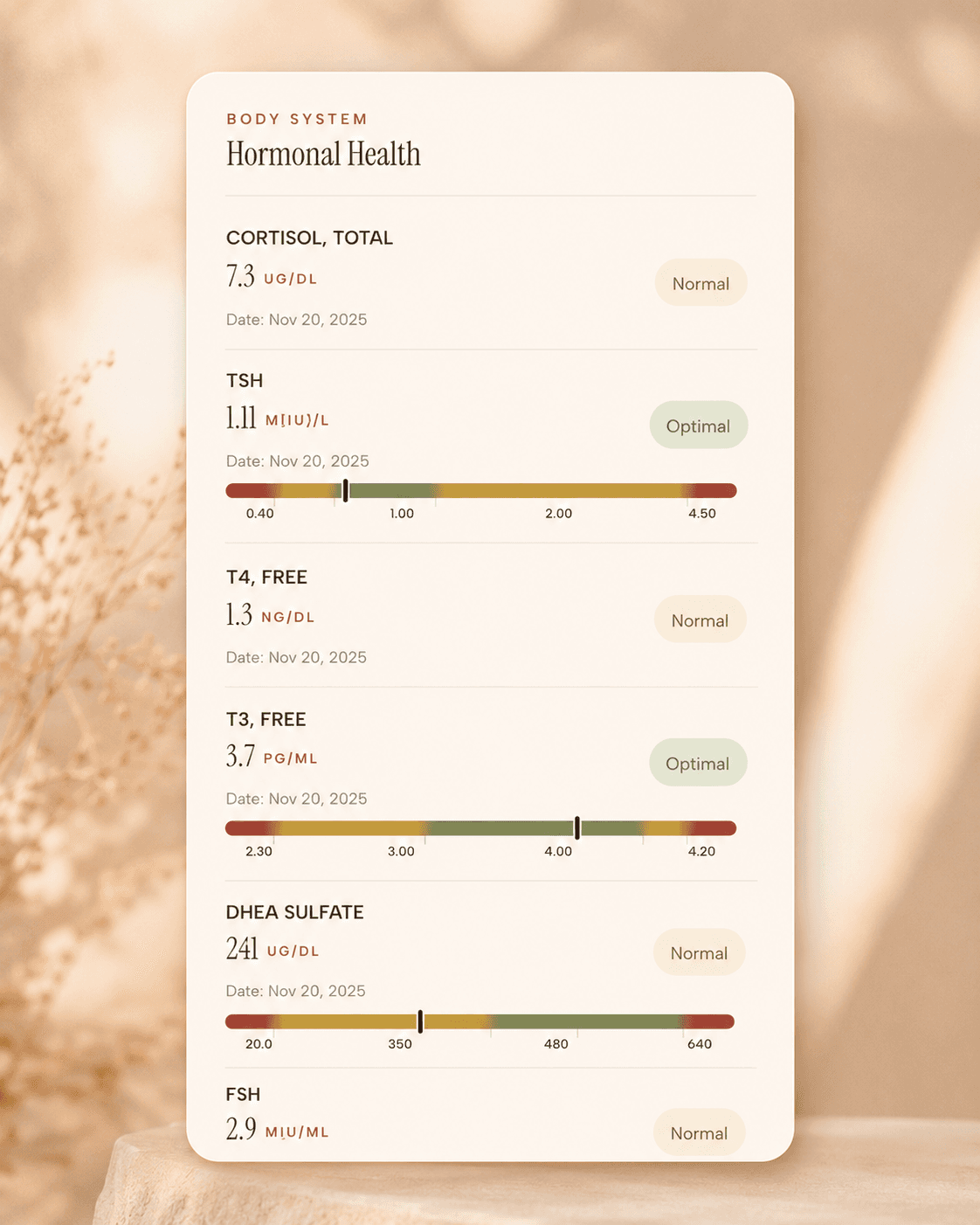
Your thyroid is one of the body’s master pace-setters, and when it runs too slow or too fast, your brain-ovary signaling can wobble. That can show up as longer cycles, skipped periods, or heavier bleeding that feels out of character for you. If you also feel unusually tired, cold, wired, shaky, or you notice hair changes, a thyroid test is one of the highest-yield checks because treatment often brings cycles back toward normal.
Higher prolactin blocking signals
Prolactin is the milk-making hormone, but when it is elevated for other reasons, it can quiet the brain signals that trigger ovulation. The result can be missed periods, very long cycles, or new nipple discharge even when you are not breastfeeding. A key takeaway is that prolactin is sensitive to timing and stress, so it is worth repeating if it is borderline high, ideally as a morning blood draw after a calm start to the day.
Early perimenopause in your 30s
Some people enter the menopause transition earlier than expected, and the first sign can be cycles that become shorter, longer, or simply unpredictable because egg supply and hormone output are less consistent. You might also notice new sleep disruption, hotter nights, or mood shifts that seem tied to your cycle. If you are trying to conceive, this cause matters because timing and fertility planning can change, and tests like AMH can help you understand the bigger picture.
What actually helps you get back to predictable
Map your cycle like a pattern
For the next 8–12 weeks, track the first day of bleeding, how heavy it is, and whether you have mid-cycle signs like stretchy cervical mucus or one-sided twinges. The goal is not perfection; it is spotting whether you are having long gaps without ovulation or frequent early bleeding. Bring that pattern to your appointment because it often shortens the workup and prevents “wait and see” from dragging on.
Use ovulation tests strategically
If your cycles are long, start ovulation predictor kits later than the box suggests and keep going until you either get a clear surge or your period arrives. In PCOS, you can get false surges, so pair the test with your body signs and consider confirming ovulation with a mid-luteal progesterone blood test if you are trying to conceive. This approach turns “random” into data you can act on.
Address energy deficit from training
If you are training hard, under-eating, or losing weight quickly, your brain can interpret that as an unsafe time for pregnancy and dial down ovulation. You might feel fine otherwise, which is why this cause gets missed, but your cycle is often the first place it shows up. A realistic fix is to increase calories and protein, add rest days, and aim for stable weight for a few months while you watch whether cycles return.
Treat the driver, not just bleeding
If thyroid or prolactin is the issue, treating that root cause can make cycles more regular without you having to “force” a period. If PCOS is the driver, improving insulin sensitivity through a structured plan (often including weight-neutral strategies and sometimes medication) can help ovulation return. The point is that the best solution depends on why your cycle is irregular, so labs and a focused history matter.
Protect your uterine lining
When you go many weeks without a true period, the lining of your uterus can keep building, which can lead to unpredictable heavy bleeding later. Your clinician may recommend cyclic progesterone or a hormonal IUD to keep the lining stable, especially if you are not trying to get pregnant right now. If you are bleeding heavily enough to feel dizzy or short of breath, ask about checking iron because low ferritin can sneak up on you.
Useful biomarkers to discuss with your clinician
Progesterone
While primarily known as a female hormone, progesterone plays important roles in men including neuroprotection, sleep quality, and as a precursor to other hormones. In functional medicine, male progesterone assessment helps evaluate overall hormone synthesis pathways and stress response. Low progesterone in men may indicate chronic stress or adrenal dysfunction, while optimal levels support brain health and sleep quality. Progesterone in men supports neurological health, sleep quality, and serves as a building b…
Learn moreEstradiol
Estradiol in men is produced from testosterone via aromatase enzyme. In functional medicine, we recognize that men need optimal estradiol levels for bone health, cognitive function, and cardiovascular protection. However, excessive estradiol can suppress testosterone production and cause feminizing effects. The testosterone-to-estradiol ratio is crucial for male health, with optimal balance supporting vitality while preventing estrogen dominance. Balanced estradiol levels in men support bone health and cognitive…
Learn moreTSH
TSH is the master regulator of thyroid function, controlling the production of thyroid hormones T4 and T3. In functional medicine, we use narrower TSH ranges than conventional medicine to identify subclinical thyroid dysfunction early. Even mildly elevated TSH can indicate thyroid insufficiency, leading to fatigue, weight gain, depression, and metabolic dysfunction. TSH levels are influenced by stress, nutrient deficiencies, autoimmune conditions, and environmental toxins. Optimal TSH supports energy, metabolism…
Learn moreLab testing
Get TSH, prolactin, and AMH checked at Quest
starting from $99 panel with 100+ tests, one visit
No referral needed
About 1 week
Schedule online — results typically within a week
Clear next steps
Guidance included, with follow-up care available
HSA / FSA
Eligible for pre-tax health spending accounts
Pro Tips
If your cycles vary by more than about 7–9 days from month to month, treat that as a clue that ovulation is inconsistent and bring that specific number to your clinician.
When you log bleeding, write down whether it is true flow or just spotting, because spotting for a week can look like “frequent periods” but often points to a different hormone pattern than heavy flow.
If you are trying to conceive with long cycles, have sex every 2–3 days starting around day 10 until you confirm ovulation, because waiting for a “perfect” fertile window can backfire when timing is unpredictable.
If you suspect PCOS, take waist measurement and blood pressure once a week for a month, because metabolic clues often travel with cycle irregularity and change what your doctor prioritizes.
If you have had 60+ days without a period and you are not pregnant, message your clinician rather than waiting it out, because you may need a plan to protect your uterine lining and reset the cycle safely.
Frequently Asked Questions
Is it normal to have irregular periods in your 30s?
Some variation is normal, but big swings in cycle length are often a sign you are not ovulating consistently. In your 30s, common reasons include PCOS, thyroid changes, elevated prolactin, and early perimenopause. If your cycles are regularly shorter than 21 days, longer than 45 days, or you skip 3 months, it is worth getting evaluated with targeted labs.
Can stress cause irregular periods even if I’m healthy?
Yes, because stress can change the brain signals that coordinate ovulation, especially if it also affects sleep, appetite, or weight. The pattern is often delayed ovulation, which makes your period late rather than “random.” If stress is the likely driver, track whether your cycles normalize within 2–3 months as your sleep and routine stabilize, and consider checking TSH if symptoms persist.
What labs should I get for irregular periods in my 30s?
High-yield starting labs often include TSH for thyroid-related cycle disruption, prolactin for ovulation suppression, and AMH if you are worried about early perimenopause or fertility timing. Depending on your symptoms, a clinician may add pregnancy testing, androgen testing, or a mid-luteal progesterone to confirm ovulation. Bring your cycle log to help choose the right next test rather than ordering everything at once.
Can PCOS start in your 30s?
PCOS often starts earlier, but it can become more noticeable in your 30s when weight, insulin resistance, or life stress changes your hormone balance. You might see longer cycles, fewer periods, or trouble predicting ovulation, sometimes with acne or hair growth changes. If you suspect PCOS, ask about a focused evaluation that includes your cycle pattern, signs of higher androgens, and metabolic screening.
When should I worry about irregular bleeding versus irregular periods?
If you are bleeding between periods, bleeding after sex, or your flow is suddenly much heavier than your usual, that is a different category than “my cycle is long.” Those patterns can come from hormone swings, but they can also signal fibroids, polyps, infection, or pregnancy-related problems. If you are soaking through a pad or tampon in an hour for several hours, or you feel faint, get urgent care and ask about checking iron and pregnancy right away.