Insulin Resistance in Working Women: What’s Driving It and What Helps
Insulin resistance in working women often comes from chronic stress, poor sleep, or PCOS-related hormone shifts. Targeted labs at Quest—no referral needed.





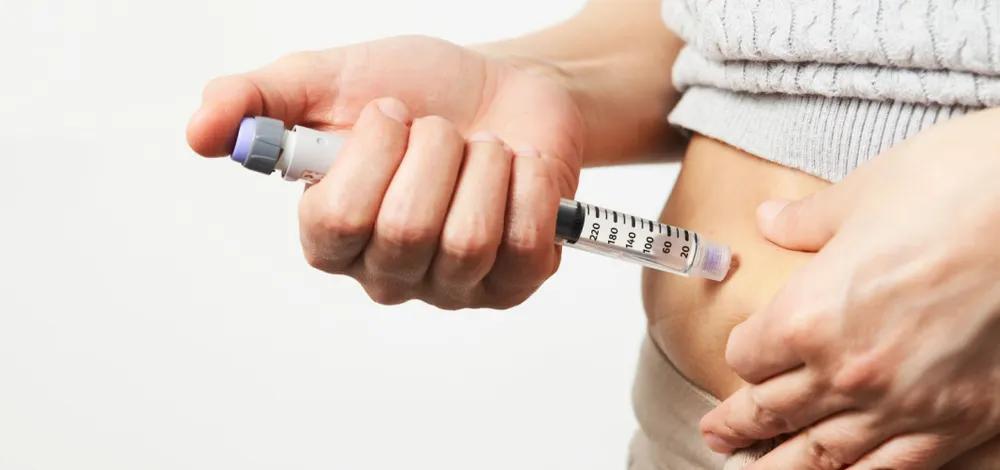
Insulin resistance in working women usually means your muscles and liver are ignoring insulin’s “open the door” signal, so your body has to make more insulin to keep blood sugar normal. The most common drivers are chronic stress with high cortisol, short or broken sleep, and hormone patterns like PCOS that push insulin higher. A few targeted labs can show whether you’re dealing with early insulin resistance, prediabetes, or a PCOS-style pattern so you can stop guessing. If you’re doing “the right things” and your weight won’t budge, your energy crashes mid‑afternoon, or your cravings feel louder than your willpower, it is not a character flaw. Insulin resistance is a physiology problem, and modern work life can amplify it through stress, sitting, rushed meals, and sleep debt. This guide walks you through the most likely causes, what tends to help in the real world, and which labs can make the picture clearer. If you want help connecting your symptoms and results into a plan, PocketMD can talk it through with you, and Vitals Vault labs can help you measure what’s actually happening.
Why insulin resistance hits hard when you’re working nonstop
Stress hormones keep sugar available
When you’re under constant pressure, your body leans on stress hormones like cortisol to keep fuel in your bloodstream so you can “perform.” That is useful in a crisis, but when it’s daily, your liver keeps releasing glucose and your cells become less responsive to insulin. You might notice you wake up hungry, feel wired-but-tired, or gain weight around your middle even without eating more. The takeaway is that stress can be a direct metabolic input, not just a mood issue, so stress management has to be practical and scheduled to work.
Sleep loss makes insulin work worse
Short sleep changes how your brain handles appetite and how your muscles respond to insulin the next day. Even a few nights of poor sleep can raise insulin needs, which often shows up as stronger cravings and a bigger energy crash after lunch. If your “healthy” routine falls apart after 3 p.m., sleep debt may be the hidden driver. Treat sleep like a metabolic tool: protecting it can improve glucose control before you change anything else.
PCOS hormone pattern raises insulin
With polycystic ovary syndrome (PCOS), your ovaries and adrenal glands can make more androgens, and insulin tends to run high because the body is trying to compensate for resistance. High insulin then pushes the cycle further, which is why you can see stubborn weight gain, acne, scalp hair thinning, or irregular periods alongside blood sugar issues. This matters because the best plan often includes insulin-lowering strategies even if your fasting glucose looks “fine.” If your cycles are irregular or you have signs of androgen excess, it’s worth evaluating for a PCOS pattern rather than blaming yourself.
Sitting all day reduces glucose uptake
Your muscles are the biggest place glucose gets stored and used, and they become far more insulin-sensitive when they contract. A workday that is mostly sitting means your body has fewer chances to clear glucose efficiently, so insulin stays higher for longer after meals. That can feel like brain fog, heavy legs, or a “food coma” after a normal lunch. The practical point is that tiny movement breaks can act like medicine because they turn muscle back on.
Ultra-processed meals spike then crash
When meals are rushed and built around refined carbs, sugary drinks, or snack foods, blood sugar rises quickly and insulin surges to bring it down. The drop afterward can feel like shakiness, irritability, and an urgent need for something sweet, which is easy to misread as “low willpower.” Over time, repeated spikes train your body toward higher insulin levels and more resistance. A simple fix is to change the order and composition of meals so glucose rises more slowly and you stay steady.
What actually helps insulin resistance (in real life)
Build meals that blunt spikes
Aim for a protein anchor at each meal, then add fiber and healthy fats so carbs absorb more slowly. In practice, that can look like eggs or Greek yogurt at breakfast, or chicken and beans with a big salad at lunch, rather than a pastry or a plain grain bowl. You are not “cutting carbs,” you are changing the glucose curve so you don’t get the post‑meal crash. If you want a quick experiment, try eating vegetables and protein first, then starch last, for a week and see how your afternoon energy changes.
Use short walks as a glucose tool
A 10–15 minute walk after lunch is one of the most reliable ways to lower post‑meal glucose because your muscles pull sugar in without needing as much insulin. It does not have to be sweaty or time-consuming, and it works even if your weight does not change right away. If you can’t leave your building, walking stairs or doing a brisk loop indoors counts. Put it on your calendar like a meeting, because consistency matters more than intensity.
Lift weights twice weekly
Strength training builds more metabolically active muscle, which gives glucose somewhere to go. That usually means lower insulin levels over time and less “I ate and now I’m sleepy” after meals. You do not need a complicated program; two full‑body sessions per week with progressive resistance is enough to move the needle. If you are new, start with machines or bodyweight and focus on form so it feels empowering, not punishing.
Protect sleep like a prescription
Set a realistic sleep target you can actually keep on work nights, and build a wind‑down that signals your brain to stop problem‑solving. Dimming lights and avoiding work email for the last 30–60 minutes helps your melatonin rhythm, which supports better glucose control the next day. If you snore, wake up choking, or feel unrefreshed after 7–8 hours, consider screening for sleep apnea because it can drive insulin resistance on its own. Better sleep often reduces cravings before you change any food rules.
Ask about meds when appropriate
If you have prediabetes, PCOS, or clear insulin resistance despite solid lifestyle changes, medication can be a legitimate tool rather than a “failure.” Metformin is commonly used to lower insulin and improve ovulation in PCOS, and GLP‑1 medications can reduce appetite while improving glucose control for some people. The right choice depends on your labs, goals, and side effects you can tolerate, so it’s worth a focused conversation with your clinician. Bring your A1C, fasting insulin, and lipid numbers to make that discussion concrete.
Useful biomarkers to discuss with your clinician
Insulin
Insulin is a master metabolic hormone that regulates glucose uptake, fat storage, and numerous cellular processes. In functional medicine, fasting insulin levels are one of the earliest and most sensitive markers of metabolic dysfunction. Elevated insulin (hyperinsulinemia) often precedes diabetes by years or decades and is central to metabolic syndrome. High insulin levels promote fat storage, inflammation, and contribute to numerous chronic diseases including cardiovascular disease, PCOS, and certain cancers.…
Learn moreGlucose
Fasting glucose is a fundamental marker of glucose metabolism and insulin function. In functional medicine, we recognize that even 'normal' glucose levels in the upper range may indicate early insulin resistance. Optimal fasting glucose reflects efficient glucose regulation and insulin sensitivity. Elevated fasting glucose suggests the body's inability to maintain normal glucose levels overnight, indicating hepatic insulin resistance or insufficient insulin production. This marker is essential for early detectio…
Learn moreHemoglobin A1C
Hemoglobin A1C (HbA1c) reflects average blood glucose levels over the past 2-3 months by measuring the percentage of hemoglobin proteins that have glucose attached. In functional medicine, HbA1c is a cornerstone marker for metabolic health, insulin sensitivity, and diabetes risk assessment. Optimal levels (4.6-5.3%) indicate excellent blood sugar regulation and reduced risk of metabolic disease. Levels above 5.4% but below 5.7% suggest early metabolic dysfunction and increased cardiovascular risk, even before pr…
Learn moreLab testing
Check A1C, fasting insulin, and triglyceride/HDL at Quest
starting from $99 panel with 100+ tests, one visit
No referral needed
About 1 week
Schedule online — results typically within a week
Clear next steps
Guidance included, with follow-up care available
HSA / FSA
Eligible for pre-tax health spending accounts
Pro Tips
Try a “lunch walk rule” for two weeks: as soon as you finish lunch, walk for 10 minutes before you sit back down. If your 3 p.m. crash improves, you just proved your muscles were the missing piece.
If breakfast is optional for you, make it strategic: either eat a protein-forward breakfast, or skip it and keep your first meal balanced. A sweet coffee plus a muffin is the worst of both worlds because it spikes insulin early and sets up cravings all day.
Use a meeting-friendly snack that does not trigger a rebound hunger wave, like a cheese stick with an apple or plain Greek yogurt with berries. You are trying to avoid the “I waited too long and now I’ll eat anything” moment.
Set a caffeine cutoff that matches your sleep, not your workload. If you need caffeine after 2 p.m. to function, treat that as a signal to fix sleep or meal composition rather than just adding more stimulants.
If your cycle is irregular, track it alongside your cravings and energy for one month. Many women notice insulin resistance feels worse in the late luteal phase, which helps you plan higher-protein meals and earlier bedtimes during that window.
Frequently Asked Questions
What are the early signs of insulin resistance in women?
Early insulin resistance often shows up as strong carb cravings, a mid‑afternoon energy crash, and weight gain around your waist even when your habits have not changed. You might also notice skin darkening in body folds (acanthosis nigricans) or more acne if a PCOS pattern is involved. Labs like fasting insulin and A1C can confirm what your symptoms are hinting at. If you recognize these signs, start with a two-week experiment of protein-forward meals and a 10-minute post‑meal walk.
Can you have insulin resistance with normal fasting glucose?
Yes, and it is common early on because your pancreas can make extra insulin to keep fasting glucose in the normal range. That is why fasting insulin can be so revealing when you feel “off” but your glucose looks fine. An A1C around 5.0–5.4% with a fasting insulin in the low single digits is often a reassuring pattern for prevention. If your fasting insulin is elevated, treat it as a real signal and adjust your plan before glucose rises.
How long does it take to reverse insulin resistance?
You can see meaningful changes in energy and cravings within 1–2 weeks when you reduce glucose spikes and add post‑meal movement. Lab markers move more slowly: triglycerides and fasting insulin may improve over 4–12 weeks, and A1C usually needs about 8–12 weeks to reflect change. The key is consistency, not perfection, because insulin resistance responds to repeated daily signals. Pick two habits you can keep on your busiest weeks and build from there.
Is insulin resistance the same thing as prediabetes?
Insulin resistance is the underlying problem, while prediabetes is a lab-defined stage where blood sugar has started to run higher. Prediabetes is usually diagnosed with A1C of 5.7–6.4% or fasting glucose of 100–125 mg/dL, but insulin resistance can exist before those thresholds. Knowing which stage you are in changes urgency and treatment options. If you are unsure, checking A1C plus fasting insulin is a practical place to start.
What tests should I ask for if I suspect insulin resistance?
A helpful starter set is hemoglobin A1C, fasting insulin, and a lipid panel focusing on triglycerides and HDL. Together, they show whether your average glucose is rising, whether insulin is running high to compensate, and whether your lipids reflect a metabolic pattern. If you also have irregular periods or signs of androgen excess, ask your clinician about a PCOS evaluation as well. Bring your results to a focused visit so you can turn numbers into a plan.