Insulin Resistance in Men: What It Means and What Helps
Insulin resistance in men often comes from belly fat, poor sleep, or low testosterone, which keeps insulin high. Targeted labs—no referral needed.





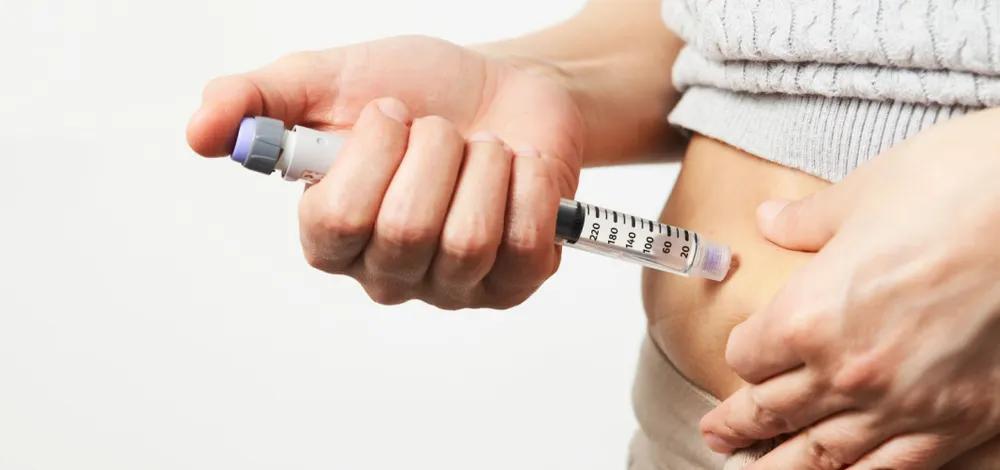
Insulin resistance in men usually means your muscles and liver are not responding well to insulin, so your pancreas has to push out more of it to keep blood sugar normal. The most common drivers are belly fat and inactivity, sleep disruption (including sleep apnea), and hormone shifts like low testosterone, and labs can help show which pattern you’re in. Catching it early matters because “normal” glucose can hide high insulin for years. If you feel stuck with weight loss, get energy crashes after meals, or you’re watching your numbers creep up despite trying hard, you’re not imagining it. Insulin resistance is a whole-body traffic jam that affects hunger, fat storage, blood pressure, and even mood. This page walks you through the most common causes in men, what actually moves the needle, and the three blood tests that usually give the clearest signal. If you want help connecting your symptoms and results into a plan, PocketMD and targeted VitalsVault labs can be useful tools—especially when you’re trying to avoid “wait and see” until it becomes diabetes.
Why insulin resistance happens in men
Belly fat blocks insulin’s signal
Fat around your organs is metabolically active, which means it releases inflammatory signals and extra fatty acids that make your liver and muscles “ignore” insulin. You can feel this as stubborn waist gain, higher triglycerides, and a bigger blood sugar swing after the same meal you used to tolerate. A useful takeaway is to track your waist size, not just your weight, because a shrinking waist often shows improving insulin sensitivity before the scale budges.
Muscle isn’t using glucose well
Your muscles are your biggest “sink” for glucose, but they need regular demand to stay insulin-sensitive. When you sit a lot or stop strength training, your body has fewer open doors for glucose, so insulin has to rise higher to do the same job. If you notice you feel better on days you move and worse on days you don’t, that pattern is a clue that muscle insulin sensitivity is a big part of your story.
Poor sleep and sleep apnea
Short sleep and untreated sleep apnea raise stress hormones overnight, which tells your liver to release more glucose and makes your appetite signals louder the next day. That can look like morning cravings, afternoon crashes, and a feeling that your willpower disappears after a bad night. If you snore loudly, wake up with a dry mouth, or feel unrefreshed even after 7–8 hours in bed, getting evaluated for sleep apnea can be as “metabolic” as changing your diet.
Low testosterone (hypogonadism)
Testosterone helps maintain muscle and influences where you store fat, so when it’s low you often lose muscle more easily and gain more abdominal fat—both of which worsen insulin resistance. You might notice lower libido, fewer morning erections, or slower recovery from workouts alongside the metabolic changes. The practical move is not to self-treat with supplements, but to confirm the pattern with proper morning testing and then address the root cause, which is often sleep, weight, or medications.
Liver fat and alcohol effects
When your liver accumulates fat, it becomes less responsive to insulin and keeps making glucose even when you don’t need it. This can show up as higher fasting glucose, higher triglycerides, or mildly elevated liver enzymes, and it often pairs with a “beer belly” even in men who don’t feel overweight. A concrete takeaway is to take a hard look at liquid calories and alcohol frequency, because reducing them for 4–8 weeks can noticeably improve fasting numbers if liver fat is the driver.
What actually helps insulin resistance (without living on salads)
Prioritize protein at breakfast
Starting your day with a protein-forward meal helps blunt the mid-morning glucose spike that can trigger cravings and a crash later. In real life, this can mean eggs, Greek yogurt, tofu scramble, or a protein smoothie that actually has enough protein to count. Aim for roughly 25–35 grams at breakfast for a couple of weeks and see if your hunger and energy become more predictable.
Lift weights 2–4 days weekly
Strength training makes your muscles pull in glucose with less insulin, and that effect can last for a day or two after you train. You do not need a perfect program, but you do need progressive effort, like adding reps, weight, or sets over time. If you’re new, start with full-body sessions and focus on big movements, because more muscle groups means a bigger glucose “sink.”
Add a 10-minute post-meal walk
A short walk after meals is one of the fastest ways to lower the size of your glucose peak, because your muscles use glucose immediately when they’re moving. It also tends to reduce that heavy, sleepy feeling after lunch that many men chalk up to “just getting older.” Pick the meal that hits you hardest—often dinner—and make the walk automatic for two weeks.
Use carbs strategically, not constantly
You usually do better when most of your carbs are paired with protein and fiber, and when you place higher-carb meals around training rather than late at night. That does not mean “no carbs,” but it does mean being intentional so your insulin is not elevated all day. A simple experiment is to keep your usual carbs but move the biggest portion to the meal after your workout and see if cravings and sleep improve.
Ask about medication options early
If your A1C is rising or your fasting insulin is high despite real effort, medications can reduce risk while you work on the long game. Metformin is commonly used in prediabetes and insulin resistance, and GLP-1 medications can be appropriate for some men with obesity or cardiometabolic risk, but the right choice depends on your labs and history. Bring your recent A1C, fasting glucose, and lipid numbers to a clinician and ask, “What is my risk in the next 5 years, and what would change it most?”
Lab tests that help explain insulin resistance in men
Insulin
Insulin is a master metabolic hormone that regulates glucose uptake, fat storage, and numerous cellular processes. In functional medicine, fasting insulin levels are one of the earliest and most sensitive markers of metabolic dysfunction. Elevated insulin (hyperinsulinemia) often precedes diabetes by years or decades and is central to metabolic syndrome. High insulin levels promote fat storage, inflammation, and contribute to numerous chronic diseases including cardiovascular disease, PCOS, and certain cancers.…
Learn moreGlucose
Fasting glucose is a fundamental marker of glucose metabolism and insulin function. In functional medicine, we recognize that even 'normal' glucose levels in the upper range may indicate early insulin resistance. Optimal fasting glucose reflects efficient glucose regulation and insulin sensitivity. Elevated fasting glucose suggests the body's inability to maintain normal glucose levels overnight, indicating hepatic insulin resistance or insufficient insulin production. This marker is essential for early detectio…
Learn moreTestosterone, Total, Ms
Total testosterone is the primary male sex hormone responsible for muscle mass, bone density, libido, energy levels, and cognitive function. In functional medicine, we recognize testosterone as a key marker of vitality and aging. Low testosterone (hypogonadism) affects up to 40% of men over 45 and is linked to metabolic syndrome, cardiovascular disease, depression, and reduced quality of life. Optimal testosterone levels support healthy body composition, sexual function, motivation, and overall masculine vitalit…
Learn moreLab testing
Check fasting insulin, A1C, and triglycerides/HDL at Quest
starting from $99 panel with 100+ tests, one visit
No referral needed
About 1 week
Schedule online — results typically within a week
Clear next steps
Guidance included, with follow-up care available
HSA / FSA
Eligible for pre-tax health spending accounts
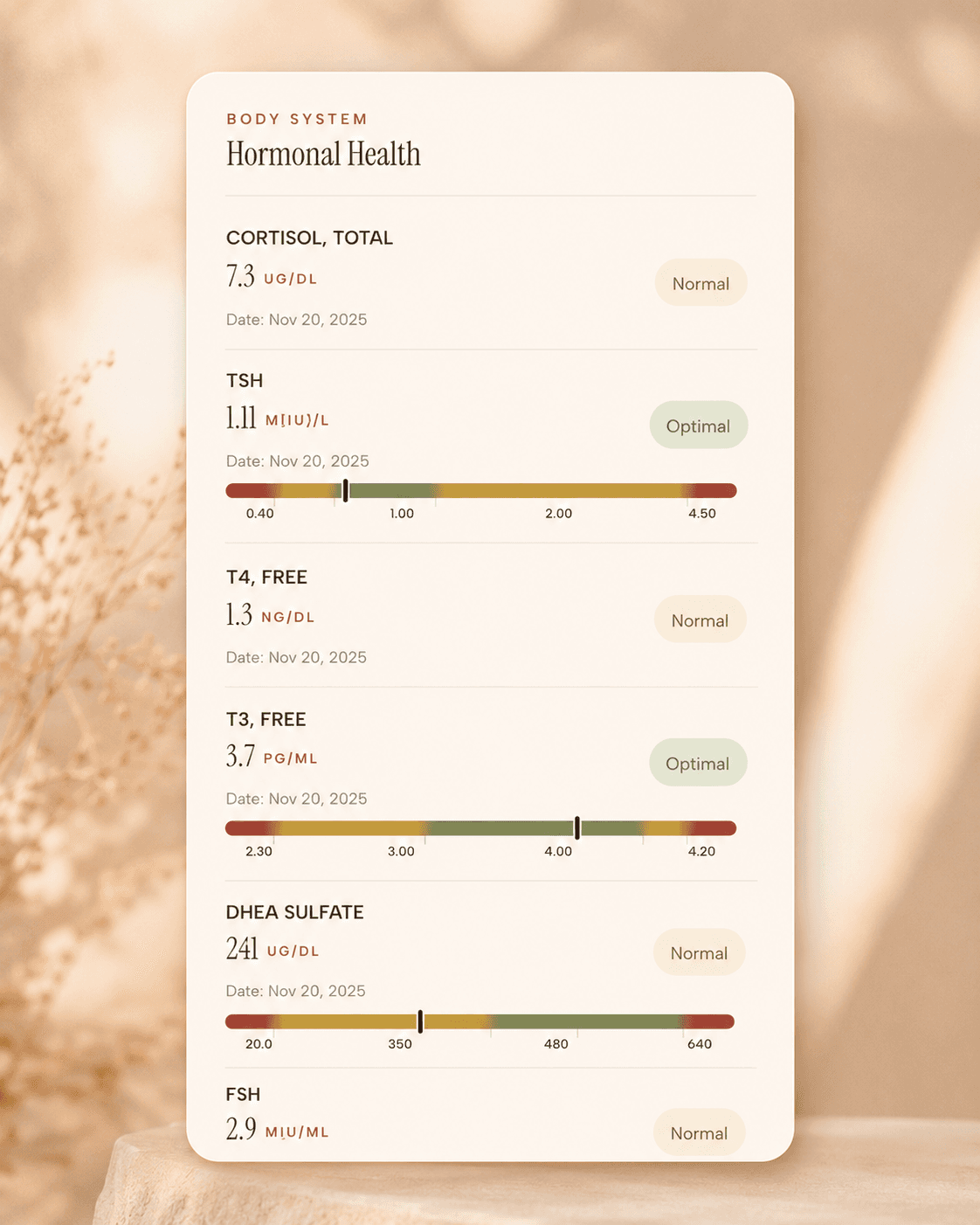
Pro Tips
Try a 14-day “waist and energy” check-in: measure your waist at the navel twice a week, and rate your post-lunch energy from 1–10. If your waist drops even 1–2 cm and your energy steadies, you’re improving insulin sensitivity even before labs change.
If you get a crash 1–3 hours after eating, run a simple swap experiment for one week: keep the same meal size, but replace half the starch with extra protein and a high-fiber side. If the crash improves, your body is telling you it needs a smaller glucose load per meal right now.
Make your workouts “glucose-friendly” by putting your hardest strength session on the day you tend to eat the most (often the weekend). You are more likely to tolerate carbs and feel less ravenous afterward when your muscles are primed to store fuel.
If you suspect sleep apnea, record a 30-second audio clip of your snoring and note any morning headaches or daytime sleepiness. Bringing that concrete evidence to a clinician speeds up getting a sleep study, which can be a turning point for insulin resistance.
When you retest labs, keep the conditions consistent: do the blood draw in the morning after an 8–12 hour fast, avoid a hard workout the night before, and don’t binge alcohol the weekend prior. It makes your trend line trustworthy.
Frequently Asked Questions
What are the early signs of insulin resistance in men?
Early signs are often subtle, like stubborn belly fat, strong cravings (especially at night), and feeling sleepy or foggy after a carb-heavy meal. You might also notice your blood pressure creeping up or your triglycerides rising before your glucose looks “bad.” If you want an early lab clue, fasting insulin plus A1C is often more revealing than fasting glucose alone.
Can you have insulin resistance with normal blood sugar?
Yes. Your pancreas can compensate for years by making extra insulin, which keeps fasting glucose in the normal range while fasting insulin climbs. That’s why fasting insulin and triglycerides/HDL can flag the problem earlier than glucose. If your fasting insulin is elevated, treat it as a real signal and recheck after 8–12 weeks of targeted changes.
What fasting insulin level means insulin resistance?
There is no single universal cutoff, but many clinicians get concerned when fasting insulin is persistently above about 10–12 µIU/mL, especially if A1C is trending up or triglycerides are high. A practical improvement goal is often under 8 µIU/mL, and under 5 µIU/mL is common in very insulin-sensitive people. The most useful thing is the trend over time under similar testing conditions.
Does low testosterone cause insulin resistance in men?
Low testosterone can contribute because it tends to reduce muscle and increase abdominal fat, and both changes worsen insulin sensitivity. It can become a loop where insulin resistance also suppresses healthy hormone signaling. If you have symptoms like low libido or fewer morning erections, ask for proper morning testosterone testing and address sleep and weight at the same time.
How long does it take to reverse insulin resistance?
You can see meaningful changes in energy, cravings, and post-meal crashes within 2–4 weeks, especially with strength training and post-meal walking. Lab changes usually take longer: triglycerides can improve in 4–8 weeks, while A1C reflects about 2–3 months. Pick one or two high-impact habits, retest fasting insulin and A1C after 8–12 weeks, and adjust based on the results.