Night Sweats After Having a Baby: What They Mean and What Helps
Night sweats postpartum often come from hormone drop, fluid shifts, or infection. See what fits and get targeted labs at Quest—no referral needed.





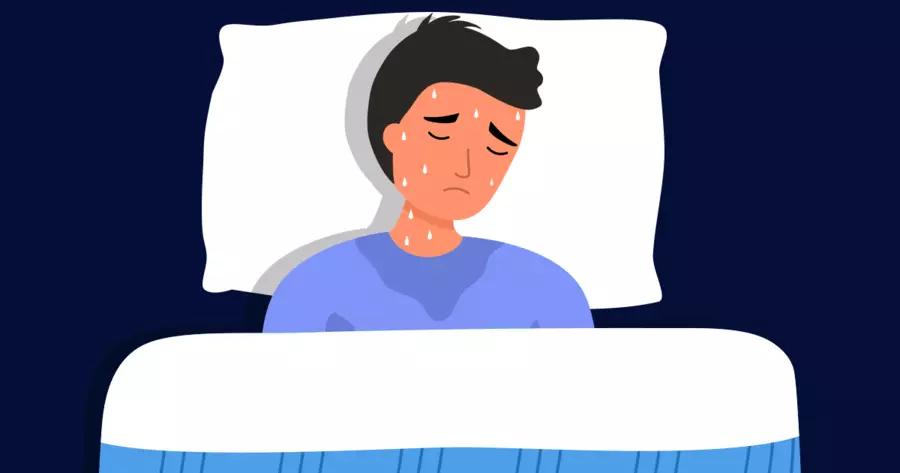
Night sweats after having a baby are most often caused by a sharp drop in pregnancy hormones, your body dumping extra fluid, and sleep disruption that makes your temperature control more reactive. They can also happen when something else is going on, like postpartum thyroid inflammation or an infection, and blood tests can help sort out which one fits your situation. If you’re waking up drenched, changing pajamas, or stripping the bed at 3 a.m., you’re not being dramatic. Postpartum night sweats are common in the first couple of weeks, but the timing and the “feel” of the sweating matters. This guide walks you through the most likely causes, the red flags that deserve a call today, and the practical cooling moves that actually make nights easier. If you want help matching your exact pattern to a likely cause, PocketMD can talk it through with you, and targeted labs through Vitals Vault can confirm things like thyroid shifts or signs of infection.
Why you’re sweating at night postpartum
Hormone drop resets your thermostat
After delivery, estrogen and progesterone fall fast, and that can make your brain’s temperature control center (hypothalamus) more “twitchy” for a while. The result can feel like a sudden wave of heat followed by drenching sweat, even if the room is cool. This is especially common in the first 1–2 weeks, so if your timing matches that window, hormones are a very likely driver.
Your body is dumping extra fluid
During pregnancy you carry extra blood volume and water, and after birth your body tries to get rid of it. Some of that happens through peeing more, but some happens through sweating at night when your body is resting. If your ankles look less puffy and you’re also waking up sweaty, it can be your body doing normal “postpartum cleanup,” not a new illness.
Breastfeeding surges can trigger sweating
Milk letdown is powered by hormones like oxytocin and prolactin, and those shifts can come with flushing, chills, or sweating for some people. You might notice it’s worse on nights when your baby feeds more often, or when you pump right before bed. The takeaway is simple: if sweating clusters around feeds and you otherwise feel well, it often points to a normal postpartum hormone pattern rather than infection.
Postpartum thyroiditis (thyroid inflammation)
In the months after birth, your immune system can rebound and irritate your thyroid, which sometimes causes a temporary “sped up” phase. When your thyroid runs hot, you can sweat easily, feel shaky, lose weight without trying, or notice a racing heart that doesn’t match your activity. Because the symptoms can look like anxiety or sleep deprivation, checking a thyroid-stimulating hormone test (TSH) can be a very clarifying next step.
Infection needs to be ruled out
Night sweats can happen with postpartum infections such as uterine infection (endometritis), a C-section wound infection, mastitis, or a urinary tract infection. The clue is that the sweating comes with feeling sick, a fever of 100.4°F (38°C) or higher, worsening pelvic or breast pain, foul-smelling discharge, or burning when you pee. If you have those signs, don’t wait it out—call your OB/midwife the same day, because early treatment matters.
What actually helps night sweats after delivery
Cool the bed, not just the room
If you’re sweating through sheets, the goal is to move heat away from your skin fast. Try moisture-wicking sleepwear, a breathable cotton top sheet, and a towel layer you can pull off without remaking the bed. Many people do better with a fan aimed across the bed (not directly at your face) because airflow helps sweat evaporate instead of soaking.
Plan a fast “middle-of-night reset”
When you wake up drenched, fumbling for clean clothes makes the whole night feel ruined. Set a small basket by the bed with a spare shirt, a burp cloth or small towel, and a water bottle so you can change in under a minute. That tiny bit of planning reduces the adrenaline spike that can keep you awake long after the sweating stops.
Time your shower and layers
A hot shower right before bed can backfire because your body cools itself afterward by sweating. If showers help you relax, keep it warm-not-hot and finish with 30–60 seconds of cooler water, then dress in light layers you can peel off quickly. You’re trying to avoid a big temperature swing that trips your body into “cool down mode” at 2 a.m.
Treat the trigger if it’s thyroid
If labs suggest postpartum thyroiditis, the right treatment depends on which phase you’re in. In the “too much thyroid hormone” phase, your clinician may use a beta blocker for palpitations and tremor, while the later “too little thyroid hormone” phase may need temporary thyroid replacement. The practical move is to bring a short symptom timeline—sweats, heart rate, weight change, anxiety—to your visit so you get the right phase-specific plan.
Act quickly on infection patterns
If your sweating comes with fever, new one-sided breast redness, increasing incision pain, or worsening pelvic tenderness, home cooling tricks are not the solution. Postpartum infections are treatable, but they can escalate when you’re exhausted and trying to push through. Call the same day and ask directly whether you need an exam, urine test, or antibiotics based on your symptoms.
Useful biomarkers to discuss with your clinician
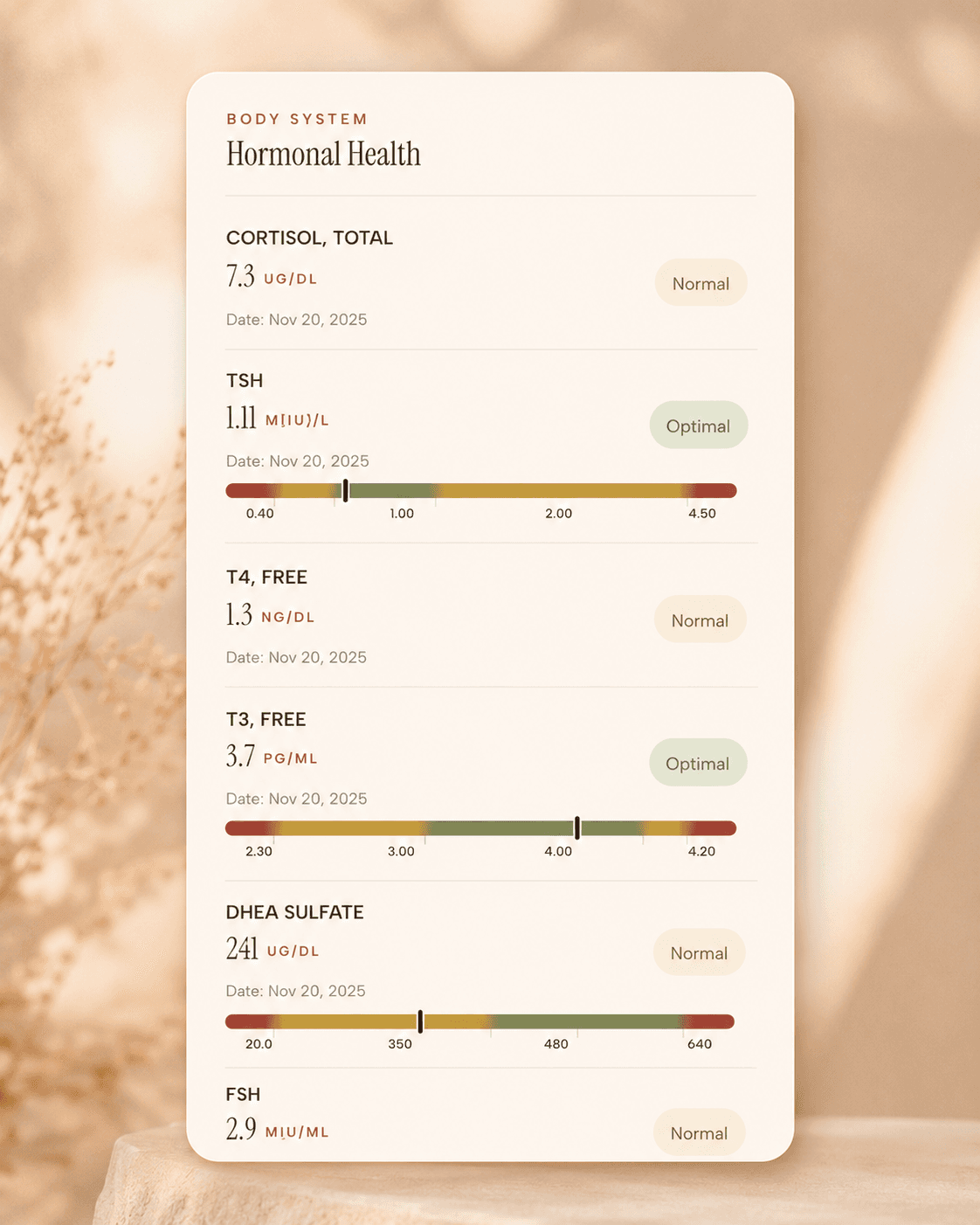
TSH
TSH is the master regulator of thyroid function, controlling the production of thyroid hormones T4 and T3. In functional medicine, we use narrower TSH ranges than conventional medicine to identify subclinical thyroid dysfunction early. Even mildly elevated TSH can indicate thyroid insufficiency, leading to fatigue, weight gain, depression, and metabolic dysfunction. TSH levels are influenced by stress, nutrient deficiencies, autoimmune conditions, and environmental toxins. Optimal TSH supports energy, metabolism…
Learn moreEstradiol
Estradiol in men is produced from testosterone via aromatase enzyme. In functional medicine, we recognize that men need optimal estradiol levels for bone health, cognitive function, and cardiovascular protection. However, excessive estradiol can suppress testosterone production and cause feminizing effects. The testosterone-to-estradiol ratio is crucial for male health, with optimal balance supporting vitality while preventing estrogen dominance. Balanced estradiol levels in men support bone health and cognitive…
Learn moreCortisol, Total
Cortisol is the primary stress hormone that regulates metabolism, immune function, and blood pressure. In functional medicine, cortisol assessment is crucial for understanding stress response and its impact on overall health. Chronic elevation suppresses testosterone production and immune function, while low cortisol indicates adrenal insufficiency. Optimal cortisol rhythm supports energy, mood stability, and hormone balance. Cortisol orchestrates the body's stress response and daily energy rhythms. Balanced cor…
Learn moreLab testing
Check thyroid and infection markers tied to postpartum night sweats
starting from $99 panel with 100+ tests, one visit
No referral needed
About 1 week
Schedule online — results typically within a week
Clear next steps
Guidance included, with follow-up care available
HSA / FSA
Eligible for pre-tax health spending accounts
Pro Tips
Do a 7-night pattern check: write down whether the sweating happens right after a feed, around the same clock time, or only on nights you’re overtired. Patterns are often more useful than intensity.
If you’re soaking the bed, try a “two-layer” setup: a fitted sheet, then a towel or washable pad, then another fitted sheet. At 2 a.m. you can peel off one layer and lie back down in 30 seconds.
Keep your bedroom a little cooler than you think you need, but warm your feet with socks if you get chills. Warm feet can help you fall asleep without overheating your core.
If you’re also getting a racing heart, new hand tremor, or heat intolerance during the day, check your resting pulse once daily for a week. A consistent jump from your usual baseline is a strong reason to ask about TSH testing.
When you call about possible infection, lead with the key triage facts: your highest temperature, where the pain is, and whether there is foul-smelling discharge or breast redness. You’ll get to the right next step faster.
Frequently Asked Questions
How long do postpartum night sweats last?
For many people, the worst night sweats are in the first 1–2 weeks after delivery, when hormones drop quickly and your body is shedding extra fluid. They usually fade over the next few weeks, although they can come and go with sleep deprivation and breastfeeding. If they start for the first time months later or keep getting worse, it’s worth checking for thyroid issues or infection.
Are postpartum night sweats normal if I’m breastfeeding?
Yes, they can be, because breastfeeding hormones can trigger flushing and sweating and your sleep is often more fragmented. It’s reassuring when you otherwise feel well and the sweating clusters around feeds. If you also have fever, one-sided breast redness, or feel truly ill, treat that as a separate problem and get evaluated.
When should I worry that night sweats are an infection postpartum?
Worry less about the sweating itself and more about the company it keeps. A fever of 100.4°F (38°C) or higher, worsening pelvic pain, foul-smelling discharge, burning with urination, or a hot, painful area on one breast are strong reasons to call the same day. If you feel faint, confused, or short of breath, seek urgent care.
Can postpartum thyroid problems cause night sweats?
They can, especially in postpartum thyroiditis, which often shows up within the first year after delivery. In the “hyper” phase you may sweat more, feel anxious, notice tremor, or have a fast heart rate, and TSH is often low. Ask for a TSH test (and usually free T4) if your symptoms don’t match simple sleep deprivation.
What labs help explain postpartum night sweats?
A TSH test can uncover thyroid shifts that make you run hot and sleep poorly, while a CBC with differential and CRP can support (or lower) concern for infection or significant inflammation. Labs don’t replace an exam if you have fever or focal pain, but they can help when the picture is blurry. If you’re tracking symptoms, bring your timeline to make the results easier to interpret.