Why You’re Gaining Weight With Depression (and What to Do Next)
Weight gain with depression often comes from sleep disruption, stress hormones, or thyroid slowdown. Targeted blood tests available—no referral needed.






Weight gain with depression is usually not “just willpower.” It often happens because depression disrupts sleep and appetite signals, raises your stress response, or overlaps with a thyroid slowdown that makes your body burn fewer calories at rest. A few targeted labs can help sort out which of those is most likely for you. This combo is frustrating because it can feel like your body is working against you: you have less energy to cook or move, your cravings get louder, and the scale moves even if you swear you haven’t changed much. Sometimes the weight change is part of the depression itself, and sometimes it is a clue that something else is riding along, like medication effects, insulin resistance, or low thyroid function. Below, you’ll see the most common patterns, what tends to help in real life, and which blood tests can make the next step clearer. If you want help connecting your symptoms to a plan, PocketMD can talk it through with you, and Vitals Vault labs can help you check the most relevant markers without a long wait.
Why depression can come with weight gain
Sleep loss shifts hunger hormones
When depression messes with sleep, your hunger and fullness signals get distorted, which means you can feel “not satisfied” even after a normal meal. Poor sleep also makes your brain reach for fast comfort because it is trying to stay alert. If your weight gain started around the same time as insomnia or early-morning waking, treating sleep like a medical priority is often the quickest lever to pull.
Stress response stays switched on
Depression can keep your stress system running hot, even when nothing obvious is happening, and that can push your body toward storing energy. You might notice more belly weight, more snacking in the late afternoon, or a wired-but-tired feeling. A useful clue is timing: if your cravings spike when you feel tense or emotionally flat, your stress response may be driving the eating more than true hunger.
Thyroid slowdown overlaps depression
Low thyroid function (hypothyroidism) can look a lot like depression, and it can also make weight creep up because your resting energy burn drops. You may also feel colder than others, constipated, puffy, or like your hair and skin changed. If your mood symptoms and weight gain arrived together or you have a family history of thyroid disease, checking thyroid labs is a high-yield next step.
Antidepressants can change appetite
Some antidepressants make weight gain more likely because they increase appetite, reduce satiety, or make you feel a little less driven to move without noticing. The frustrating part is that the medication may be helping your mood while quietly changing your eating patterns. If the timing lines up with a new dose or a new prescription, ask your clinician about weight-neutral alternatives or a plan to monitor weight and cravings early rather than waiting months.
Insulin resistance makes fat storage easier
When your body needs more insulin to keep blood sugar stable, you can feel hungrier sooner after meals and get stronger cravings for carbs or sweets. Over time, that pattern can lead to steady weight gain even if your portions do not feel huge. If you are gaining mostly around your midsection or you crash after eating, checking insulin-related markers can help you choose a more targeted strategy than generic calorie cutting.
What actually helps (without blaming you)
Treat sleep like the foundation
Pick one sleep anchor you can keep even on bad days, such as a consistent wake time, because it stabilizes your appetite signals over the next week. If you lie awake, get out of bed after about 20–30 minutes and do something boring in dim light so your brain stops pairing your bed with stress. If snoring, gasping, or morning headaches are part of the picture, ask about sleep apnea testing because untreated apnea can drive both low mood and weight gain.
Build “default meals” for low-energy days
Depression makes decision-making expensive, so you want meals that require almost no thinking but still keep you full. Aim for a simple structure: a protein you will actually eat, a high-fiber carb, and something with volume like vegetables or fruit, because that combination reduces rebound hunger later. Keep two or three options stocked so you are not forced into takeout when your energy drops.
Use movement to change appetite, not punish it
Short, repeatable movement often works better than ambitious workouts because it improves insulin sensitivity and sleep without triggering the “I failed” spiral. A 10–15 minute walk after your biggest meal can noticeably reduce post-meal sleepiness and cravings later in the day. If walking feels impossible, start with a five-minute “minimum” and let consistency be the win.
Review meds with weight in mind
If you suspect your medication is part of the weight change, do not stop it abruptly, because withdrawal and mood relapse can be rough. Instead, bring a simple timeline to your prescriber that shows when the dose changed and when weight or appetite shifted. Many people can switch to a more weight-neutral option or add strategies that blunt appetite changes while keeping mood stable.
Target insulin resistance with meal timing
If you tend to snack all day, your insulin stays elevated more often, which can keep hunger louder. Try consolidating into three meals with a planned protein-forward snack only if you truly need it, and notice whether cravings calm down within 7–10 days. Pairing carbs with protein and fiber at the same meal usually works better than trying to “quit carbs” when you are already depressed and depleted.
Lab tests that help explain weight gain with depression
TSH
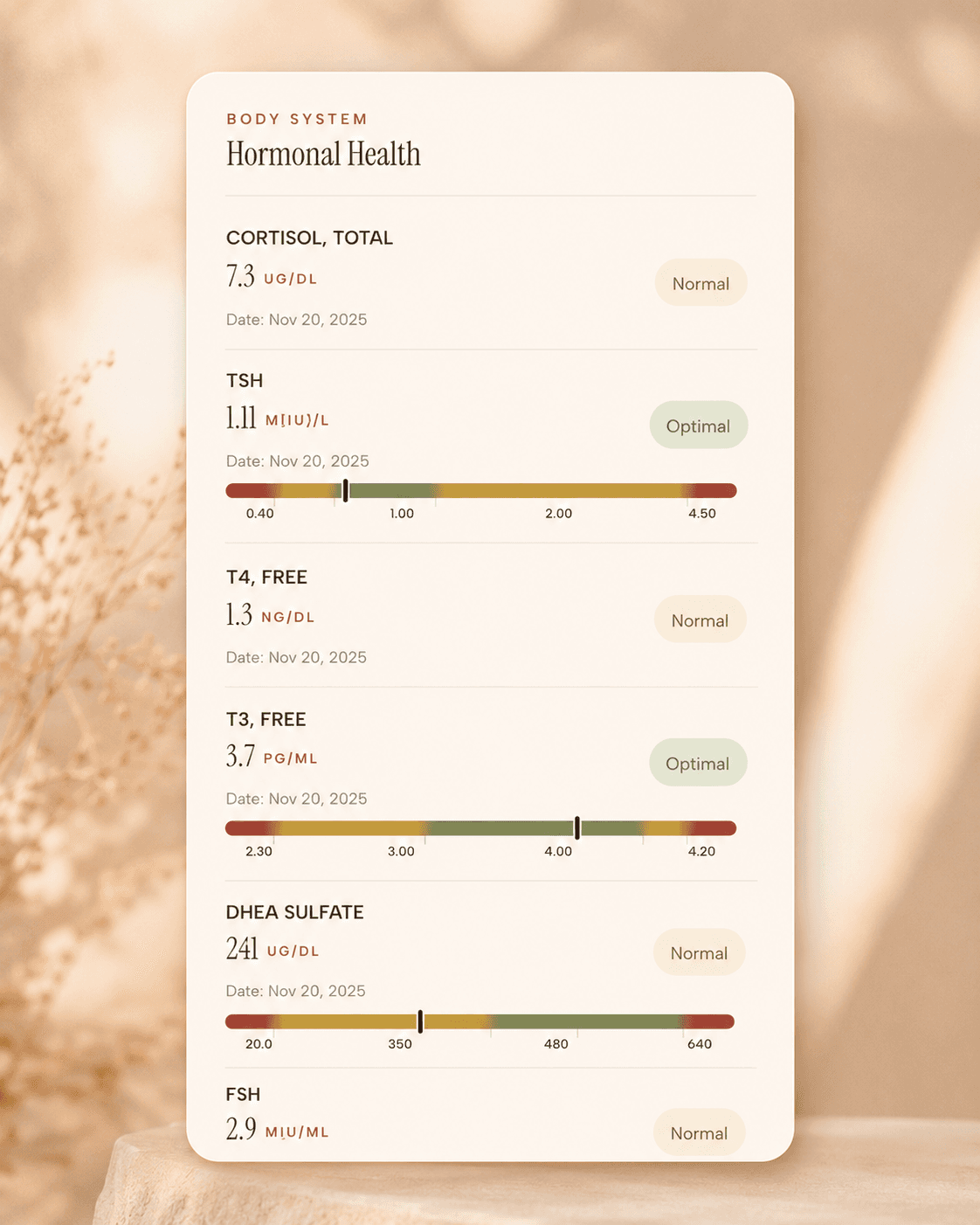
TSH is the master regulator of thyroid function, controlling the production of thyroid hormones T4 and T3. In functional medicine, we use narrower TSH ranges than conventional medicine to identify subclinical thyroid dysfunction early. Even mildly elevated TSH can indicate thyroid insufficiency, leading to fatigue, weight gain, depression, and metabolic dysfunction. TSH levels are influenced by stress, nutrient deficiencies, autoimmune conditions, and environmental toxins. Optimal TSH supports energy, metabolism…
Learn moreCortisol, Total
Cortisol is the primary stress hormone that regulates metabolism, immune function, and blood pressure. In functional medicine, cortisol assessment is crucial for understanding stress response and its impact on overall health. Chronic elevation suppresses testosterone production and immune function, while low cortisol indicates adrenal insufficiency. Optimal cortisol rhythm supports energy, mood stability, and hormone balance. Cortisol orchestrates the body's stress response and daily energy rhythms. Balanced cor…
Learn moreInsulin
Insulin is a master metabolic hormone that regulates glucose uptake, fat storage, and numerous cellular processes. In functional medicine, fasting insulin levels are one of the earliest and most sensitive markers of metabolic dysfunction. Elevated insulin (hyperinsulinemia) often precedes diabetes by years or decades and is central to metabolic syndrome. High insulin levels promote fat storage, inflammation, and contribute to numerous chronic diseases including cardiovascular disease, PCOS, and certain cancers.…
Learn moreLab testing
Get TSH, free T4, fasting insulin, and HbA1c checked at Quest
starting from $99 panel with 100+ tests, one visit
No referral needed
About 1 week
Schedule online — results typically within a week
Clear next steps
Guidance included, with follow-up care available
HSA / FSA
Eligible for pre-tax health spending accounts
Pro Tips
Do a 7-day “timeline check”: write down when your mood dipped, when sleep changed, when any medication started or the dose changed, and when weight began to move. That timeline is often the clue your clinician needs to take you seriously.
Try a 10-minute walk after your largest meal for two weeks, even if it is slow. If your cravings and afternoon crashes improve, that is a strong sign insulin dynamics are part of your story.
If evenings are your danger zone, plan a “closing routine” instead of relying on willpower, such as brushing your teeth right after dinner and making a hot drink you only have at night. You are giving your brain a new default when it asks for comfort.
Weigh no more than once a week while your mood is low, and track one behavior metric instead, like nights you got out of bed at the same time. Depression can make daily weigh-ins feel like a verdict rather than data.
If you suspect thyroid issues, take photos of any neck swelling and note cold intolerance, constipation, and hair shedding for two weeks. Those details make thyroid testing and follow-up more precise than “I feel off.”
Frequently Asked Questions
Can depression really cause weight gain even if I’m not eating more?
Yes. Depression can lower your daily movement without you noticing, disrupt sleep in a way that increases hunger hormones, and keep your stress response elevated, which can push your body toward storing energy. It can also overlap with thyroid problems that reduce your resting calorie burn. If the change feels out of proportion, checking TSH with free T4 and metabolic markers like fasting insulin can help clarify what is driving it.
Which antidepressants cause the most weight gain?
Weight effects vary by person, but some antidepressants are more likely to increase appetite and lead to gradual gain over months, while others are closer to weight-neutral. The most useful approach is to look at your own timeline: did appetite, cravings, or fatigue shift after a start or dose change? Bring that timeline to your prescriber and ask specifically about weight-neutral alternatives or a monitoring plan.
How do I know if my thyroid is causing my weight gain and depression?
Clues include feeling unusually cold, constipation, dry skin, hair shedding, puffy face, and fatigue that feels physical rather than just emotional. The basic lab check is TSH with free T4; a high TSH with low or low-normal free T4 supports hypothyroidism as a contributor. If you have symptoms plus abnormal labs, follow up with a clinician rather than trying supplements on your own.
What labs should I ask for with weight gain and low mood?
A focused starting set is TSH with free T4 for thyroid function, fasting insulin for insulin resistance, and HbA1c for your 3-month glucose trend. Those three help separate “metabolic slowdown” from “blood sugar/insulin-driven hunger” patterns that often feel the same day to day. If any are abnormal, your next step is targeted lifestyle changes plus a clinician review of meds and medical history.
How can I stop depression cravings at night?
Night cravings often come from a mix of fatigue, low dopamine, and a day that did not include enough protein or fiber to keep you full. A practical experiment is to eat a protein-forward dinner and schedule a planned dessert or snack portion, so your brain stops treating the kitchen like an emergency. If cravings are intense and you wake to eat, prioritize sleep evaluation and consider checking fasting insulin and HbA1c, because unstable blood sugar can amplify nighttime hunger.