High Cholesterol in Working Women: What It Usually Means
High cholesterol in working women often reflects insulin resistance, thyroid slowdown, or genetics. Targeted blood tests available at Quest—no referral needed.





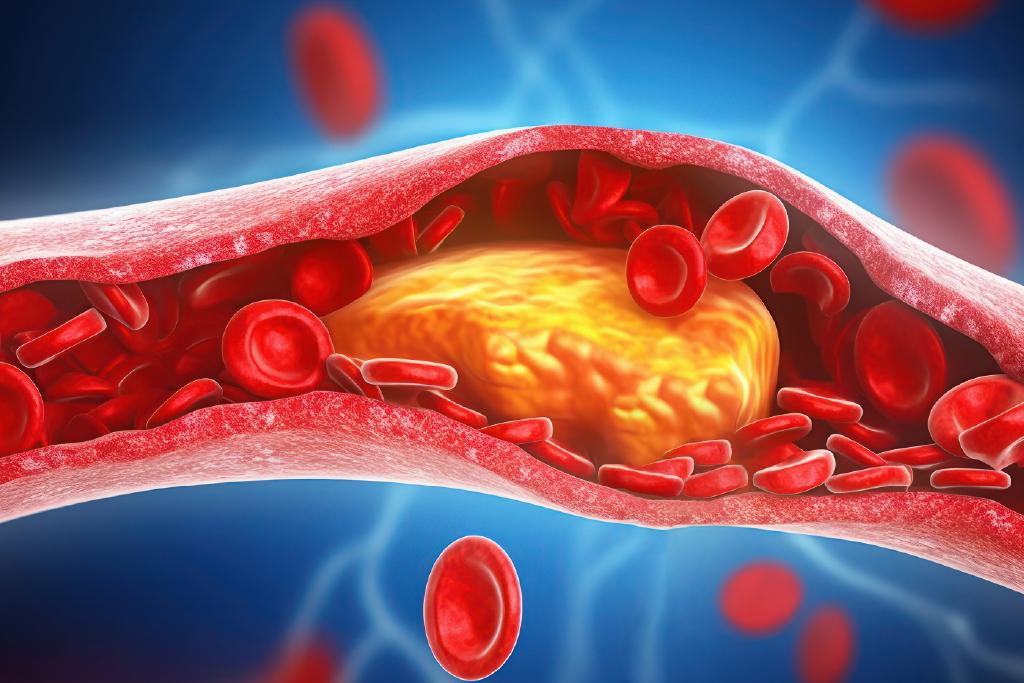
High cholesterol in working women is usually a mix of biology and bandwidth: insulin resistance from stress and sleep loss, a slower thyroid, or inherited “cholesterol handling” that makes LDL rise even when you eat reasonably. Hormone shifts in your 40s and 50s can also change how your liver packages fats, which is why numbers sometimes jump even if your weight stays the same. Labs can help you tell whether this is mainly lifestyle-driven, hormone/thyroid-related, or genetic so you can pick the right next step. The frustrating part is that cholesterol is not a feeling. You can be crushing it at work and feel fine while your arteries quietly accumulate risk over years. The good news is that you do not need a perfect diet or a marathon training plan to improve your numbers. You need the right target, which is where a few focused blood tests and a clear plan help. If you want a second set of eyes on your results and priorities, PocketMD can talk it through in plain language, and Vitals Vault labs can help you measure what matters.
Why cholesterol creeps up when you’re busy
Insulin resistance from stress and sleep
When you are chronically stressed or short on sleep, your body leans on cortisol and adrenaline to keep you going. That hormonal state makes it easier to become insulin resistant, which pushes your liver to make more triglyceride-rich particles that later turn into LDL. The “so what” is that your LDL can rise even if you are not eating much fat, and you may also notice belly weight gain or afternoon crashes. A practical takeaway is to treat sleep as a cholesterol intervention: even a consistent 7-hour window can improve triglycerides and ApoB over a few months.
Genetics that raise LDL early
Some people inherit genes that keep LDL high because the liver does not clear it efficiently, which is why you can have “good habits” and still see LDL numbers that look stubborn. This matters because genetic LDL tends to be high for longer, and lifetime exposure is what drives plaque risk. If a parent or sibling had heart disease early, it is worth getting ApoB checked because it reflects the number of atherogenic particles, not just the cholesterol they carry. That one number often clarifies how aggressive you need to be.
Thyroid slowdown (hypothyroidism)
Your thyroid hormone acts like a metabolic volume knob for how your liver processes and clears LDL. When thyroid function is low, LDL receptors work less efficiently, so LDL can climb and stay there. You might also feel colder than usual, more constipated, or like your energy is running on low battery, but sometimes cholesterol is the first clue. The takeaway is simple: if your LDL rose without an obvious reason, a TSH test is a high-yield check because treating thyroid issues can meaningfully improve lipids.
Perimenopause and estrogen shifts
As estrogen declines in perimenopause and menopause, your liver tends to produce a more atherogenic pattern, which often shows up as higher LDL and ApoB. This is not your fault, and it is why some women see a jump in their 40s even when their routines are stable. The “so what” is that your risk conversation may need to change, especially if you also have high blood pressure or a family history. Ask for particle-focused risk markers like ApoB so you are not guessing based on LDL alone.
Ultra-processed “grab-and-go” eating
When your meals are mostly convenience foods, you often end up with more refined carbs and less fiber, even if the calories are not outrageous. That pattern raises triglycerides and can lower HDL, and it can also increase small, dense LDL particles that are more likely to get into artery walls. It matters because your lipid panel may look worse during your busiest seasons, then improve when your schedule loosens. A useful experiment is to add one high-fiber anchor food daily, like beans or oats, and recheck labs in 8–12 weeks.
What actually helps (without perfection)
Aim for ApoB, not just LDL
LDL cholesterol is the amount of cholesterol, but ApoB is the number of “bad” particles that can enter artery walls. Two people can have the same LDL and very different ApoB, which changes how urgent treatment should be. If your ApoB is high, you usually get more benefit from medication or more intensive lifestyle changes than you would by chasing tiny diet tweaks. Ask your clinician what ApoB target makes sense for you, especially if you have a strong family history.
Use soluble fiber as a tool
Soluble fiber binds bile acids in your gut, which forces your liver to pull more cholesterol out of the bloodstream to replace them. In real life, this can look like adding oats, chia, psyllium, or beans in a way you can repeat on workdays. Many people see LDL drop by a meaningful amount when they consistently hit about 5–10 grams of soluble fiber daily. Start low and increase over a week so your gut can adjust.
Swap fats, don’t go fat-free
Replacing saturated fats with unsaturated fats can lower LDL because your liver changes how it packages and clears lipoproteins. That means choosing olive oil, nuts, seeds, and fatty fish more often, rather than trying to eliminate all fat and ending up hungry. The “so what” is steadier energy and fewer cravings, which makes the plan sustainable in a demanding job. If you love dairy or red meat, you do not have to ban them, but you can make them occasional instead of daily.
Build movement into your calendar
Exercise improves insulin sensitivity, which often lowers triglycerides and can improve HDL even if the scale barely moves. The trick for working life is to stop thinking in hour-long workouts and start thinking in repeatable blocks, like a 10-minute brisk walk after lunch and two short strength sessions per week. Strength training matters because more muscle acts like a glucose sink, which reduces the liver’s drive to overproduce triglyceride-rich particles. Set a calendar reminder like you would for a meeting, because otherwise it will not happen.
If you need a statin, personalize it
Statins lower LDL and ApoB by increasing LDL receptor activity in your liver, which is why they reduce heart attack and stroke risk in the right person. If you have side effects, it does not automatically mean you “can’t take statins,” because dose, timing, and the specific statin can change tolerability. The actionable step is to ask about a lower dose, alternate-day dosing, or a different statin, and to check for other contributors like low vitamin D or untreated hypothyroidism that can worsen muscle symptoms. If your risk is high, do not white-knuckle it alone—work with a clinician to find a version you can live with.
Useful biomarkers to discuss with your clinician
LDL Cholesterol
LDL cholesterol is the primary target for cardiovascular risk reduction. Calculated LDL is accurate when triglycerides are below 400 mg/dL. Elevated LDL drives atherosclerosis and cardiovascular disease. Lower is generally better, with targets depending on individual risk factors. Calculated LDL Cholesterol uses the Friedewald equation to estimate LDL from total cholesterol, HDL cholesterol, and triglycerides. It's the most common method for LDL assessment.
Learn moreApolipoprotein B
Apolipoprotein B (ApoB) is the primary protein component of atherogenic lipoproteins including LDL, VLDL, and IDL particles. In functional medicine, ApoB is considered a superior predictor of cardiovascular risk compared to LDL cholesterol because it measures the actual number of atherogenic particles rather than just cholesterol content. Each atherogenic particle contains one ApoB molecule, making it a direct measure of particle number. High ApoB indicates increased cardiovascular risk even when LDL cholesterol…
Learn moreTSH
TSH is the master regulator of thyroid function, controlling the production of thyroid hormones T4 and T3. In functional medicine, we use narrower TSH ranges than conventional medicine to identify subclinical thyroid dysfunction early. Even mildly elevated TSH can indicate thyroid insufficiency, leading to fatigue, weight gain, depression, and metabolic dysfunction. TSH levels are influenced by stress, nutrient deficiencies, autoimmune conditions, and environmental toxins. Optimal TSH supports energy, metabolism…
Learn moreLab testing
Check ApoB, a full lipid panel, and A1c at Quest
starting from $99 panel with 100+ tests, one visit
No referral needed
About 1 week
Schedule online — results typically within a week
Clear next steps
Guidance included, with follow-up care available
HSA / FSA
Eligible for pre-tax health spending accounts

Pro Tips
If your cholesterol surprised you, ask for ApoB once. It often turns a vague “eat better” conversation into a clear plan because it tells you how many risky particles you actually have.
Run a two-week “workday audit” of meals you eat at your desk. Pick one repeatable upgrade you can do on autopilot, like adding a cup of beans or a psyllium packet daily, then recheck triglycerides and LDL in 8–12 weeks.
If you are trying to lose weight for cholesterol, focus on waist size rather than the scale. A shrinking waist often means improving insulin resistance, which is the lever that moves triglycerides and ApoB the most.
If you get muscle aches on a statin, write down when they start, where they are, and whether they improve on days you skip the dose. That simple pattern helps your clinician adjust the medication instead of abandoning a helpful therapy.
Schedule your lipid blood draw after a “typical” week, not after vacation or a detox week. You want numbers that reflect your real life, because that is what you are trying to improve.
Frequently Asked Questions
Can stress at work really raise cholesterol?
Yes. Chronic stress and short sleep can push you toward insulin resistance, and that makes your liver produce more triglyceride-rich particles that can raise LDL and ApoB over time. You might see triglycerides climb first, especially if your meals are more convenience-based during busy stretches. If you suspect this is you, check a lipid panel plus A1c and repeat after 8–12 weeks of a realistic sleep and movement plan.
What cholesterol number should I worry about most?
If you can only track one, ApoB is often the most useful because it reflects the number of particles that can build plaque. LDL cholesterol can look “not terrible” while ApoB is still high, especially when triglycerides are elevated. Many clinicians aim for ApoB under about 80–90 mg/dL depending on your overall risk. Ask for ApoB alongside your lipid panel so you are not guessing.
Why did my cholesterol go up even though I lost weight?
Weight loss can temporarily raise LDL in some people, especially if you are mobilizing a lot of stored fat or eating a higher saturated-fat diet to stay full. The pattern matters: if triglycerides dropped and HDL improved, your overall metabolic health may be better even if LDL bumped up. Recheck in 8–12 weeks and consider ApoB to see whether particle number truly increased. If ApoB stayed stable or fell, the LDL rise may be less concerning.
Do I need to fast for a cholesterol test?
Many lipid panels are accurate without fasting, but fasting can help if your triglycerides have been high or if you are trying to interpret a confusing pattern. A practical approach is to do a non-fasting test first, and if triglycerides are elevated, repeat fasting for clarity. Either way, try to avoid testing right after an unusually heavy meal or alcohol-heavy night. If you are tracking progress, keep the conditions similar each time.
Are statins the only option if my LDL is high?
No, but they are one of the most proven options for lowering LDL and reducing cardiovascular events, especially if your ApoB is high or you have strong family history. Some people can make meaningful changes with soluble fiber, fat swaps, and strength training, while others need medication because genetics or hormones keep LDL elevated. If statins are not tolerated, your clinician can discuss alternatives like ezetimibe or other therapies based on your risk profile. The actionable step is to bring your ApoB, lipid panel, and A1c to a focused conversation about your personal risk and options.