High Cholesterol in Women: What It Means and What To Do Next
High cholesterol in women often comes from menopause hormone shifts, genetics, or thyroid slowdown. Targeted blood tests at Quest—no referral needed.





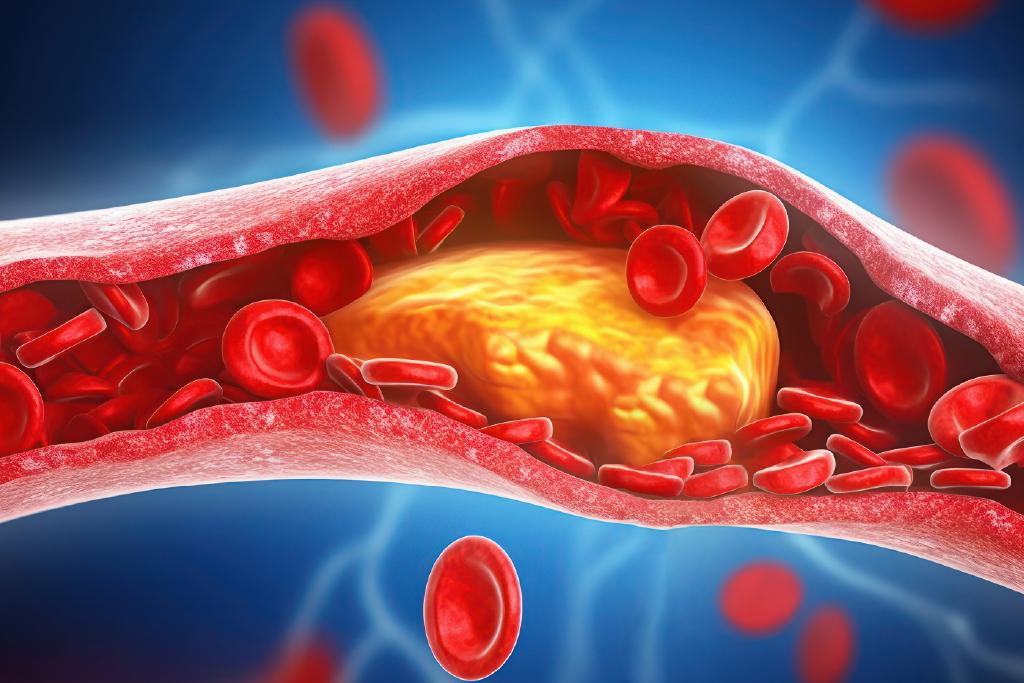
High cholesterol in women is usually driven by a few big levers: genetics that keep LDL (“bad” cholesterol) high, hormone shifts around perimenopause and menopause that change how your liver handles fats, or a slow thyroid that quietly pushes LDL up. The tricky part is that you can feel completely fine while your arteries are doing the long, slow work of plaque buildup, so labs help you figure out which pattern you have and how urgent it is. If you just got a “high cholesterol” result, it’s normal to feel whiplash—especially if you eat reasonably well or you’re worried about statin side effects. Cholesterol is not only about food. It’s also about what your liver makes, how your hormones signal, and how many “cholesterol-carrying particles” are circulating in your blood. In this guide, you’ll learn the most common reasons cholesterol runs high in women, what actually moves the numbers, and which blood tests (including options you can order through Vitals Vault) make the next step clearer. If you want help translating your exact results into a plan, PocketMD can talk it through with you in plain language.
Why your cholesterol is high as a woman
Menopause shifts your lipid handling
As estrogen drops in perimenopause and menopause, your liver tends to clear LDL less efficiently and your LDL can rise even if your diet hasn’t changed. You might also see triglycerides creep up and HDL change, which can feel unfair when you’re “doing everything right.” A useful takeaway is to compare results over time, because a jump across your 40s or early 50s often reflects hormones more than a sudden failure of willpower.
Genetics keeps LDL high
Some bodies are simply built to run high LDL because of inherited changes in how LDL is recycled, which means your liver leaves more LDL in circulation. This is why you can have excellent habits and still see LDL stay stubbornly elevated year after year. If you have a parent or sibling with early heart disease or very high cholesterol, ask specifically about familial high cholesterol (familial hypercholesterolemia) and consider an ApoB test to gauge particle burden.
A slow thyroid raises LDL
When your thyroid is underactive, your metabolism slows in a way that reduces LDL “receptors,” so LDL hangs around in your bloodstream longer. You may also notice fatigue, constipation, dry skin, or heavier periods, but sometimes the only clue is the cholesterol result. The practical move is to check thyroid-stimulating hormone (TSH) if your LDL is unexpectedly high, because treating thyroid issues can meaningfully improve your lipid numbers.
Insulin resistance drives triglycerides
When your cells stop responding well to insulin, your liver starts packaging more fat into triglyceride-rich particles, and HDL often drops at the same time. This pattern is common with belly-weight gain, polycystic ovary syndrome (PCOS), or a history of gestational diabetes, and it can raise cardiovascular risk even if LDL isn’t dramatic. If your triglycerides are elevated or your HDL is low, it’s a hint to also evaluate blood sugar trends and waist-centered weight changes, not just “cholesterol foods.”
Some meds can nudge lipids
Certain medications can shift cholesterol or triglycerides upward, including some hormonal contraceptives, steroids, and a few psychiatric medications, because they change liver metabolism or appetite and weight. The important point is that this doesn’t mean you should stop a medication on your own; it means your prescriber can often adjust the dose, switch options, or monitor more closely. Bring your exact medication list to the conversation and ask, “Could this be affecting my lipids, and what’s the alternative if it is?”
What actually helps lower cholesterol (without guessing)
Target ApoB, not just LDL
LDL cholesterol is the amount of cholesterol inside particles, but ApoB is a count of the particles themselves, which is often closer to your real “traffic level” in the arteries. If your LDL is high but ApoB is not, your risk picture can look different than the standard LDL-only story. Ask for ApoB when you’re deciding how aggressive to be, especially if you’re in the menopause transition or you have a strong family history.
Use soluble fiber daily
Soluble fiber acts like a sponge in your gut that binds bile acids, which forces your liver to use more cholesterol to make new bile. In real life, that can mean adding oats, beans, chia, or psyllium in a consistent way, not “sometimes when you remember.” A practical starting point is psyllium with water once daily and then increasing slowly over a week to avoid bloating.
Swap fats in a specific way
Lowering saturated fat tends to lower LDL, but the swap matters: replacing it with unsaturated fats (like olive oil, nuts, seeds, and fatty fish) works better than replacing it with refined carbs. This is why “low fat” products can backfire if they push you toward sugary snacks. Pick one repeatable swap you can stick with, such as cooking with olive oil instead of butter most days.
Consider medication when risk is high
If your LDL is very high, if ApoB is elevated, or if you have diabetes or a strong family history, lifestyle alone may not be enough to protect your arteries. Statins are the most studied option, and if you’ve had muscle aches before, your clinician can often try a different statin, a lower dose, or alternate-day dosing rather than abandoning the idea entirely. The goal is not a “perfect” number; it’s lowering your long-term risk in a way you can tolerate.
Recheck after 8–12 weeks
Cholesterol changes slowly, so checking too soon can make you feel like nothing is working when your body is still adjusting. A repeat lipid panel after about 8–12 weeks of a focused change—whether that’s a medication trial or a diet shift—gives you a clean feedback loop. If your numbers barely move, that’s useful information, because it points you toward genetics or another underlying driver rather than more self-blame.
Useful biomarkers to discuss with your clinician
LDL Cholesterol
LDL cholesterol is the primary target for cardiovascular risk reduction. Calculated LDL is accurate when triglycerides are below 400 mg/dL. Elevated LDL drives atherosclerosis and cardiovascular disease. Lower is generally better, with targets depending on individual risk factors. Calculated LDL Cholesterol uses the Friedewald equation to estimate LDL from total cholesterol, HDL cholesterol, and triglycerides. It's the most common method for LDL assessment.
Learn moreTriglycerides
Triglycerides are the primary form of stored fat and reflect carbohydrate metabolism and insulin sensitivity. In functional medicine, triglycerides are one of the most responsive biomarkers to dietary changes. Elevated triglycerides often indicate insulin resistance, metabolic syndrome, and increased cardiovascular risk. The triglyceride-to-HDL ratio is an excellent predictor of insulin sensitivity and particle size. High triglycerides contribute to small, dense LDL particles and reduced HDL function. Triglyceri…
Learn moreApolipoprotein B
Apolipoprotein B (ApoB) is the primary protein component of atherogenic lipoproteins including LDL, VLDL, and IDL particles. In functional medicine, ApoB is considered a superior predictor of cardiovascular risk compared to LDL cholesterol because it measures the actual number of atherogenic particles rather than just cholesterol content. Each atherogenic particle contains one ApoB molecule, making it a direct measure of particle number. High ApoB indicates increased cardiovascular risk even when LDL cholesterol…
Learn moreLab testing
Get an ApoB, lipid panel, and TSH checked at Quest
starting from $99 panel with 100+ tests, one visit
No referral needed
About 1 week
Schedule online — results typically within a week
Clear next steps
Guidance included, with follow-up care available
HSA / FSA
Eligible for pre-tax health spending accounts
Pro Tips
If you’re comparing cholesterol results, try to repeat the test under similar conditions each time, because a big change in fasting status, alcohol the night before, or a recent illness can swing triglycerides and make the whole panel look worse than your baseline.
When you look at your report, don’t stop at LDL. Check triglycerides and HDL too, because “high triglycerides plus low HDL” often points to insulin resistance, which changes what will help you most.
If you have a strong family history, ask one direct question: “What was the age of the earliest heart attack or stroke in my first-degree relatives?” That number helps your clinician treat your cholesterol with the right urgency.
If you get muscle symptoms on a statin, write down exactly what you feel, when it started, and whether it improves off the drug, because that pattern helps your clinician decide between a dose change, a different statin, or a non-statin add-on.
Pick one food-based lever and make it boringly consistent for 8 weeks, such as psyllium daily or replacing butter with olive oil most days, because consistency beats intensity when you’re trying to see a real lab change.
Frequently Asked Questions
What is a normal cholesterol level for women?
Many labs flag total cholesterol over 200 mg/dL, but total cholesterol can be misleading because it mixes LDL, HDL, and more. A more useful snapshot is LDL, triglycerides, and ApoB: triglycerides under about 100 mg/dL and HDL above 50 mg/dL are often favorable, while LDL and ApoB targets depend on your overall risk. If you can, ask for ApoB to personalize how aggressive you need to be.
Can menopause cause high cholesterol even if I eat well?
Yes. As estrogen falls, your liver often clears LDL less efficiently, so LDL can rise during perimenopause and after menopause even with stable habits. That’s why many women see a noticeable jump in their 40s or 50s. If this is happening to you, tracking ApoB along with your lipid panel can clarify whether your particle burden is truly high.
Why is my LDL high but my HDL is also high?
High HDL can be a good sign, but it doesn’t automatically cancel out high LDL, because LDL particles are still the ones that can enter artery walls. This is exactly where ApoB helps, because it tells you whether you have a lot of atherogenic particles despite a “nice” HDL. Bring both numbers to your clinician and ask what LDL or ApoB target fits your risk factors.
What labs should I ask for besides a lipid panel?
ApoB is one of the most useful add-ons because it reflects particle number, which often tracks risk better than LDL alone. TSH is also worth checking if your LDL is unexpectedly high or you have symptoms like fatigue or constipation, because an underactive thyroid can drive LDL up. If your triglycerides are elevated, it’s also reasonable to discuss glucose testing with your clinician.
Do I need a statin if my cholesterol is high?
It depends on your overall risk, not just one number, which is why clinicians look at age, blood pressure, smoking, diabetes, family history, and sometimes ApoB. If your LDL is very high (often 190 mg/dL or higher) or you have diabetes or known artery disease, medication is more likely to be recommended. If you’re on the fence, ask for an ApoB test and a clear recheck plan in 8–12 weeks so you’re not guessing.