High Cholesterol in Your 40s: What’s Driving It and What to Do Next
High cholesterol in your 40s often comes from genetics, insulin resistance, or thyroid slowdown. Targeted labs are available—no referral needed.





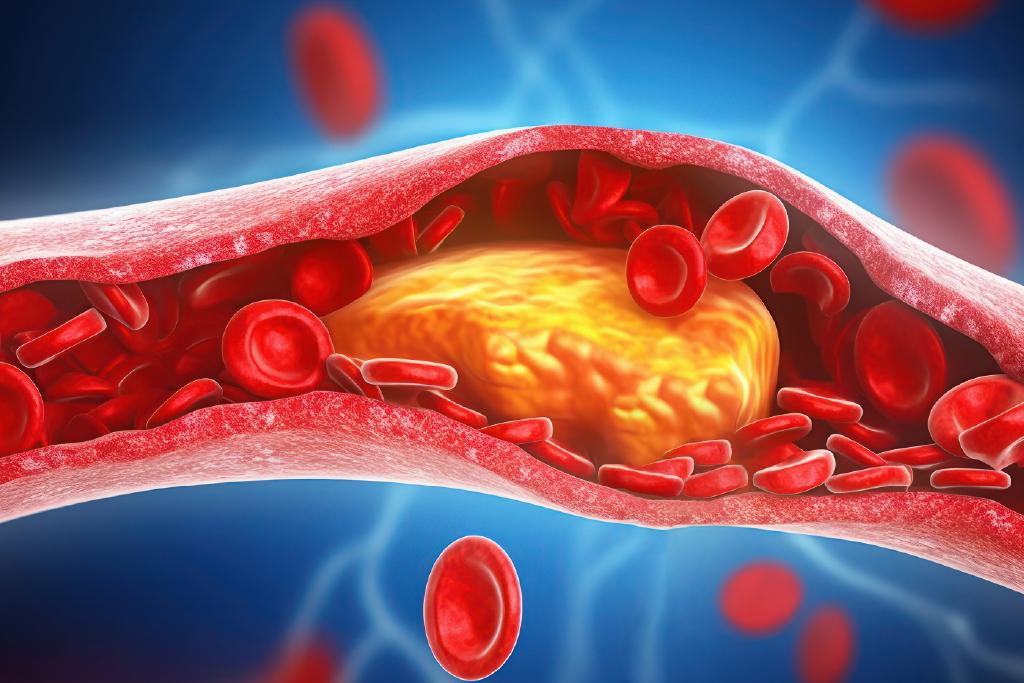
High cholesterol in your 40s is usually a mix of how your liver handles fat particles, how sensitive you are to insulin, and what you inherited from your family. Thyroid slowdown and certain diets or medications can push the numbers higher, but the “why” is different for different people. A few targeted blood tests can help you figure out whether you mainly have a particle problem (ApoB), a metabolic problem, or a secondary cause you can fix. Seeing a higher LDL on a routine lab can feel like a sudden verdict on your future, especially if heart disease runs in your family or you’ve heard scary things about statins. The truth is that cholesterol isn’t one thing, and your risk depends on the kind of particles you’re carrying and how long you’ve been exposed to them. This page walks you through the most common reasons cholesterol rises in your 40s, what actually moves the needle, and which labs can make the plan clearer. If you want help interpreting your pattern and deciding what to do next, PocketMD and Vitals Vault labs can be useful tools without turning this into a months-long appointment chase.
Why cholesterol often rises in your 40s
You inherited higher LDL risk
Some people are born with liver receptors that clear “bad cholesterol” particles less efficiently, which means LDL can run high even if you eat reasonably well. This can look like LDL-C staying high year after year, and it often shows up alongside a strong family history of early heart disease. If your LDL-C is persistently very high or a parent had a heart attack at a young age, ask specifically about familial high cholesterol (familial hypercholesterolemia) and consider testing ApoB and Lp(a) to better define risk.
Insulin resistance drives more particles
In your 40s, it is common to become less sensitive to insulin, especially if your waistline has crept up or your activity has dropped. When insulin resistance is in the driver’s seat, your liver tends to make more triglyceride-rich particles, and those get remodeled into smaller, more numerous LDL particles that are easier to lodge in artery walls. You might notice this pattern as higher triglycerides, lower HDL, and LDL that is “not terrible” but still risky because the particle count is high—ApoB helps reveal that.
Thyroid slowdown raises LDL
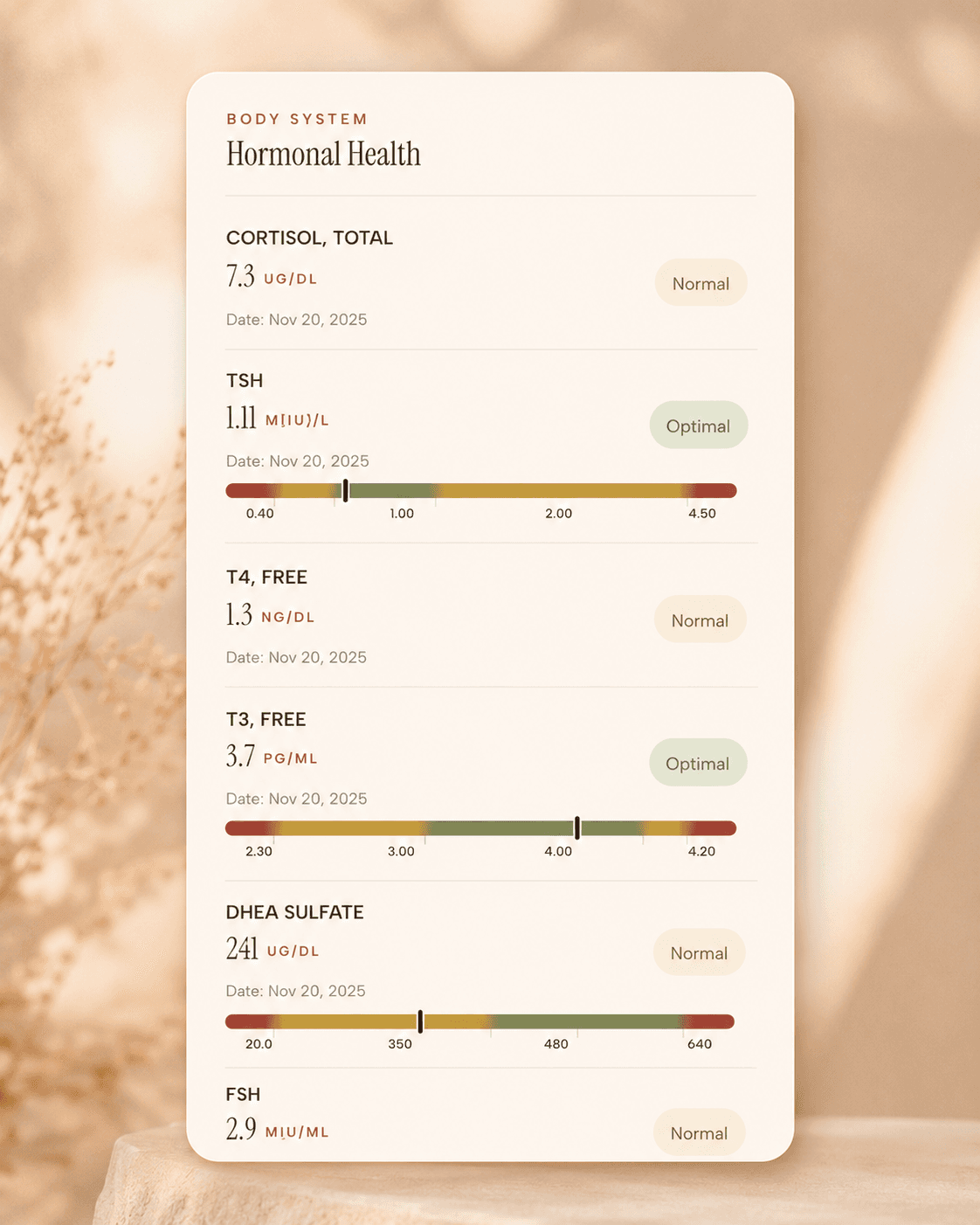
Your thyroid hormone helps your liver pull LDL particles out of the bloodstream, so when your thyroid is underactive, LDL often climbs even if nothing else changed. This can be subtle, and you might also feel more tired, colder than usual, or notice dry skin and constipation. The practical takeaway is simple: if cholesterol rises unexpectedly, checking thyroid-stimulating hormone (TSH) is one of the highest-yield “fixable cause” tests.
Diet pattern, not just cholesterol
For many people, LDL rises less from dietary cholesterol itself and more from the overall pattern that pushes your liver to export more fat particles. Diets high in saturated fat can raise LDL in some bodies, while highly refined carbs can worsen triglycerides and insulin resistance, which indirectly worsens your lipid profile. A useful way to think about it is this: if your triglycerides are high, your first lever is usually cutting added sugars and ultra-processed carbs, but if triglycerides are normal and LDL is high, saturated fat and genetics tend to matter more.
Certain meds and life changes
Some medications can nudge cholesterol upward, and the timing can be easy to miss because the change is gradual. For example, some hormonal therapies, certain diuretics, and a few older beta blockers can worsen triglycerides or LDL in susceptible people, while menopause transition can shift lipids even if your weight stays stable. If your numbers changed after a new prescription or a major hormonal shift, bring a “before and after” timeline to your clinician so you can decide whether to adjust the medication, the dose, or the monitoring plan.
What actually helps lower it
Treat the particle number, not ego
If you only chase LDL-C, you can miss the real issue, which is how many atherogenic particles are circulating. ApoB is a practical way to measure that particle burden, and it often explains why you can have “okay LDL” but still be at higher risk. Ask your clinician what ApoB target makes sense for you, because the goal is fewer particles hitting your artery walls over time.
Build a 12-week food experiment
Cholesterol responds best when you change one or two levers and then recheck, rather than trying to overhaul your entire life in a week. If LDL is the main problem, try swapping saturated fats for unsaturated fats and adding soluble fiber daily, then re-test in about 8–12 weeks to see your personal response. If triglycerides are the bigger issue, focus your experiment on cutting sugary drinks and refined carbs and keeping alcohol modest, because triglycerides can fall quickly when that lever is pulled.
Use exercise as a lipid medication
Regular movement improves insulin sensitivity, which can lower triglycerides and shift LDL toward fewer, less harmful particles even if the scale barely moves. You do not need perfection, but you do need consistency: a mix of brisk walking or cycling plus two days of resistance training is a realistic starting point for most people in their 40s. The “so what” is that exercise helps your body clear fat from the bloodstream after meals, which is exactly when arteries get exposed to more particle traffic.
Consider medication strategically
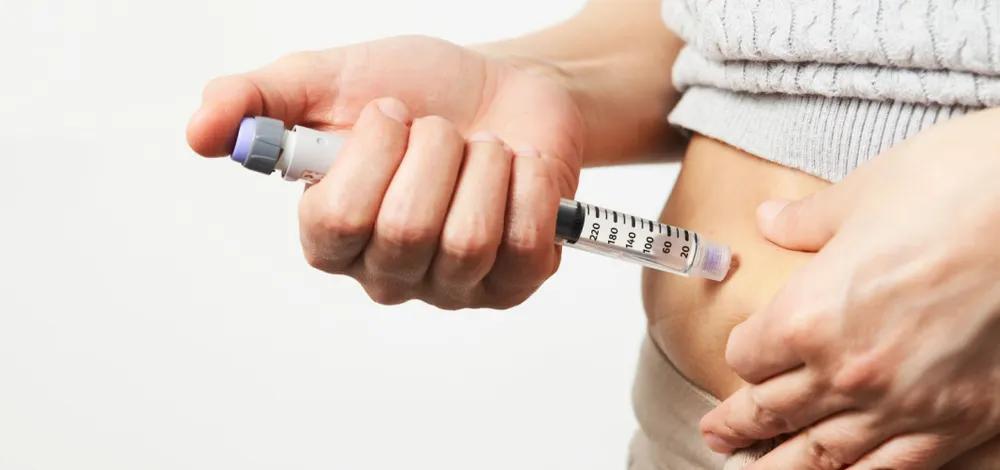
If your risk is high, medication can be the most reliable way to reduce lifetime exposure to LDL particles, and that is what lowers heart attack and stroke risk. Statins are the usual first choice, but if you have side effects, there are options like dose adjustments, alternate-day dosing, or adding non-statin meds such as ezetimibe, which can lower LDL without the same muscle symptoms for some people. The key is not “statin or nothing,” but finding a plan you can actually stick with for years.
Fix secondary causes you can fix
When cholesterol is being pushed up by an underactive thyroid, treating the thyroid problem can meaningfully improve LDL without adding another long-term medication. Similarly, if insulin resistance is the main driver, addressing it through weight loss (even 5–10% can matter), sleep apnea treatment, or targeted nutrition can improve the whole lipid pattern. This approach feels empowering because you are not just lowering a number—you are changing the underlying physiology.
Useful biomarkers to discuss with your clinician
LDL Cholesterol
LDL cholesterol is the primary target for cardiovascular risk reduction. Calculated LDL is accurate when triglycerides are below 400 mg/dL. Elevated LDL drives atherosclerosis and cardiovascular disease. Lower is generally better, with targets depending on individual risk factors. Calculated LDL Cholesterol uses the Friedewald equation to estimate LDL from total cholesterol, HDL cholesterol, and triglycerides. It's the most common method for LDL assessment.
Learn moreApolipoprotein B
Apolipoprotein B (ApoB) is the primary protein component of atherogenic lipoproteins including LDL, VLDL, and IDL particles. In functional medicine, ApoB is considered a superior predictor of cardiovascular risk compared to LDL cholesterol because it measures the actual number of atherogenic particles rather than just cholesterol content. Each atherogenic particle contains one ApoB molecule, making it a direct measure of particle number. High ApoB indicates increased cardiovascular risk even when LDL cholesterol…
Learn moreTSH
TSH is the master regulator of thyroid function, controlling the production of thyroid hormones T4 and T3. In functional medicine, we use narrower TSH ranges than conventional medicine to identify subclinical thyroid dysfunction early. Even mildly elevated TSH can indicate thyroid insufficiency, leading to fatigue, weight gain, depression, and metabolic dysfunction. TSH levels are influenced by stress, nutrient deficiencies, autoimmune conditions, and environmental toxins. Optimal TSH supports energy, metabolism…
Learn moreLab testing
Check ApoB, Lp(a), and TSH at Quest
starting from $99 panel with 100+ tests, one visit
No referral needed
About 1 week
Schedule online — results typically within a week
Clear next steps
Guidance included, with follow-up care available
HSA / FSA
Eligible for pre-tax health spending accounts
Pro Tips
Before you panic about one result, look at the trend: pull your last 2–3 lipid panels and write down the dates, LDL-C, HDL, and triglycerides. A steady climb suggests lifestyle or hormones, while “always high” points more toward genetics.
If you are trying a diet change, set a re-test date right away for 8–12 weeks later. Cholesterol changes are slow enough that checking sooner can mislead you, but waiting a year wastes momentum.
If your triglycerides are above 150 mg/dL, treat that as a clue that insulin resistance may be part of the story. A simple next step is a two-week experiment where you cut sugary drinks and late-night snacks, then see if fasting triglycerides improve.
If heart disease runs in your family, ask for Lp(a) once and keep the number in your notes forever. It is one of the few tests that can explain “I did everything right and still got hit,” and it changes how aggressive you should be with ApoB.
If you start a statin and get muscle aches, do not just quit and suffer in silence. Tell your clinician exactly when it started, which muscles, and whether it resolves off the drug, because switching the specific statin or the dosing schedule often fixes it.
Frequently Asked Questions
Is high cholesterol in your 40s normal?
It is common, but “common” is not the same as “harmless.” Cholesterol often rises in your 40s because insulin sensitivity can drop, hormones shift, and genetics start to show up more clearly. The most useful next step is to look beyond LDL-C with ApoB and, once in adulthood, Lp(a) so you know what kind of risk you are actually dealing with.
What cholesterol numbers are considered high at age 40?
Many labs flag LDL-C at 130 mg/dL and above as high, but your personal goal depends on your overall risk and your particle burden. ApoB adds clarity because it reflects the number of artery-entering particles, and many clinicians aim for ApoB below about 80 mg/dL for higher-risk prevention. If you have diabetes, strong family history, or high Lp(a), your target is often lower—bring those details to the conversation.
Can stress cause high cholesterol?
Stress does not usually raise LDL overnight, but chronic stress can indirectly worsen cholesterol by disrupting sleep, increasing cravings for ultra-processed foods, and making insulin resistance more likely. Some people also drink more alcohol under stress, which can raise triglycerides. If your labs worsened during a stressful season, treat sleep and coping strategies as part of your cholesterol plan and recheck in 8–12 weeks.
Do eggs raise cholesterol for most people?
For most people, eggs have a smaller effect than saturated fat and overall diet pattern, although a minority of people are “hyper-responders” who see LDL rise more. If your triglycerides are high, the bigger issue is usually refined carbs and added sugar rather than eggs. The practical move is to change one variable for 8–12 weeks and re-test, so you learn what your body actually does.
Should I start a statin in my 40s?
It depends on your overall cardiovascular risk, your LDL/ApoB level, and whether you have risk enhancers like high Lp(a) or a strong family history of early heart disease. Statins lower LDL particle exposure over time, which is why they reduce heart attack and stroke risk, but the decision should match your goals and tolerance. If you are on the fence, ask about calculating 10-year risk and checking ApoB and Lp(a) to make the choice less guessy.