High Cholesterol in Your 50s: What’s Driving It and What to Do Next
High cholesterol in your 50s often comes from insulin resistance, thyroid slowdown, or genetics. Targeted blood tests available—no referral needed.





High cholesterol in your 50s usually isn’t “just aging.” It’s most often driven by a shift toward insulin resistance (your body needing more insulin to handle carbs), a slower thyroid, or genetics that keep LDL particles circulating longer than they should. The good news is that a few targeted labs can often tell you which of those is most likely in your case. This decade is when cholesterol numbers start to feel personal, especially if a parent had a heart attack or you’ve been told you “need a statin” without much explanation. Cholesterol is also confusing because the same LDL number can mean different risk depending on how many particles you have and whether you’re also dealing with high triglycerides, belly-weight gain, or prediabetes. Below, you’ll learn the most common reasons cholesterol climbs in your 50s, what actually moves the needle, and which tests help you stop guessing. If you want help interpreting your pattern, PocketMD can talk it through with you, and Vitals Vault labs can help you check the key markers without a referral.
Why cholesterol often rises in your 50s
Insulin resistance shifts your lipids
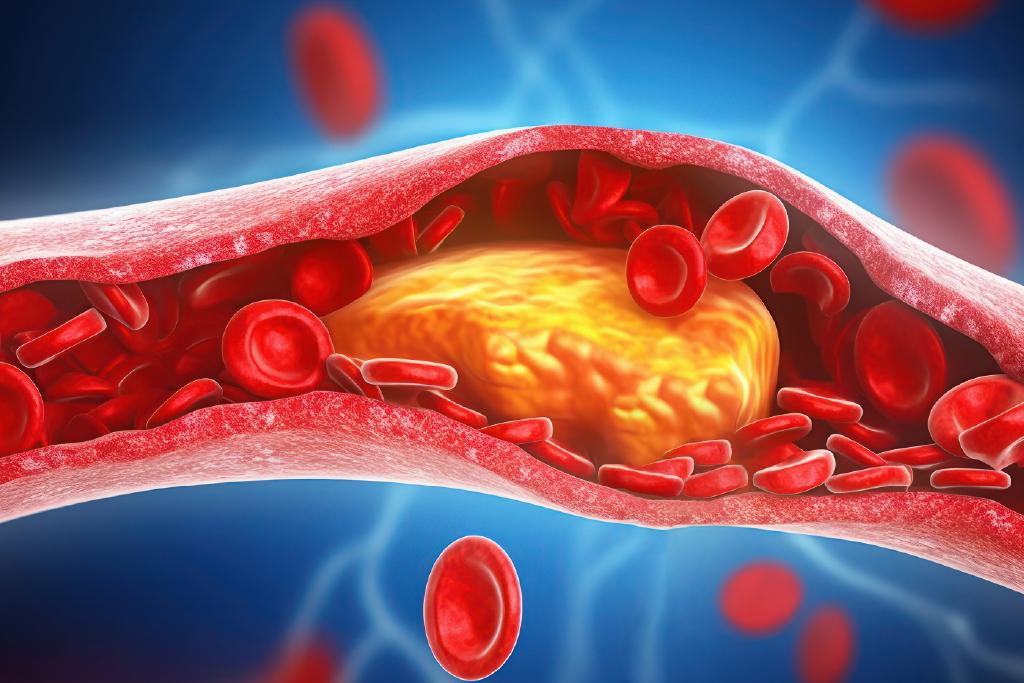
When your muscles stop responding to insulin as well, your liver starts packaging more fat into the bloodstream, which often shows up as higher triglycerides and lower HDL, and LDL can become smaller and more numerous. That “more particles” part matters because it increases the chances of particles getting into artery walls. If your cholesterol rose alongside belly weight, higher fasting glucose, or higher blood pressure, this is a strong suspect and it is very fixable once you target the insulin piece.
Genetics keep LDL circulating longer
Some people inherit a tendency for LDL to linger in the blood because the liver doesn’t clear it efficiently, which means your LDL can be high even if you eat reasonably and exercise. This is why you can do “everything right” and still see numbers that worry you, especially if heart disease runs in your family. A helpful takeaway is to look beyond LDL alone by checking ApoB and lipoprotein(a), because those can reveal whether your risk is truly higher or just looks that way on a basic panel.
Thyroid slowdown (hypothyroidism)
Your thyroid hormone helps your liver pull LDL out of circulation, so when thyroid function is low, LDL often rises even if your diet hasn’t changed. You might also notice dry skin, constipation, feeling cold, or unexplained fatigue, but some people have no obvious symptoms. If your cholesterol jumped over a year or two, it is worth checking a TSH blood test because treating an underactive thyroid can improve cholesterol without changing anything else.
Menopause hormone shifts change LDL
As estrogen drops around menopause, LDL tends to rise and HDL can fall, partly because estrogen influences how the liver handles cholesterol. This can feel unfair because you might be eating the same way you always have, but your metabolism is playing by new rules. The practical move is to treat this as a “risk re-check” moment: ask for particle-focused testing like ApoB, and make sure blood pressure and blood sugar are not quietly drifting up too.
Medications and alcohol can nudge numbers
Some common meds can raise cholesterol or triglycerides in certain people, including some diuretics, beta blockers, steroids, and hormone therapies, and regular alcohol can push triglycerides up even when LDL is the main concern. The clue is timing: your labs change soon after a med change, a new inhaler course, or a period of heavier drinking. Do not stop a prescribed medication on your own, but do bring your before-and-after lab dates to your clinician so you can discuss alternatives or dose adjustments.
What actually helps lower it (without guessing)
Match the plan to your lipid pattern
If your triglycerides are high and HDL is low, you usually get more benefit from reducing refined carbs and added sugars than from obsessing over dietary cholesterol. If your LDL is high but triglycerides are normal, saturated fat and overall calorie balance may matter more for you. Ask your clinician to review your full pattern, not just the LDL number, because the “right” diet tweak depends on what your liver is doing.
Use fiber as a daily LDL tool
Soluble fiber binds bile acids in your gut, which forces your liver to use more cholesterol to replace them, and that can lower LDL over time. In real life, this looks like adding oats, beans, lentils, chia, or psyllium consistently, not occasionally. A practical target is 5–10 grams of soluble fiber per day, and you will know it is working when your LDL drops on a repeat test after about 8–12 weeks.
Build muscle to improve insulin handling
Resistance training makes your muscles better at pulling sugar out of the blood without needing as much insulin, which can improve triglycerides and the overall “atherogenic” pattern. You do not need fancy equipment, but you do need progression, like adding reps, weight, or sets every couple of weeks. If you are new to it, start with two full-body sessions per week and track your lifts the same way you track your labs.
Consider medication when ApoB is high
If your ApoB is elevated, it means you have a high number of atherogenic particles, and lifestyle alone may not be enough even if you are doing a lot. Statins have the strongest evidence for lowering events, but if you have side effects, you can ask about dose changes, alternate-day dosing, or non-statin options like ezetimibe or PCSK9 inhibitors depending on your risk. The key is to treat the particle burden, not your willpower.
Recheck after 8–12 weeks, not daily
Cholesterol responds slowly, so frequent home “spot checks” just create anxiety without giving useful feedback. Pick one or two changes you can actually sustain, then repeat labs in about 8–12 weeks to see the direction. If numbers are moving the wrong way despite good adherence, that is a clue to look harder at thyroid function, genetics, or hidden insulin resistance.
Useful biomarkers to discuss with your clinician
LDL Cholesterol
LDL cholesterol is the primary target for cardiovascular risk reduction. Calculated LDL is accurate when triglycerides are below 400 mg/dL. Elevated LDL drives atherosclerosis and cardiovascular disease. Lower is generally better, with targets depending on individual risk factors. Calculated LDL Cholesterol uses the Friedewald equation to estimate LDL from total cholesterol, HDL cholesterol, and triglycerides. It's the most common method for LDL assessment.
Learn moreHDL Cholesterol
HDL cholesterol is often called 'good cholesterol' due to its role in reverse cholesterol transport - moving cholesterol from peripheral tissues back to the liver for disposal. In functional medicine, we recognize that HDL quality and functionality are more important than quantity alone. HDL particles have anti-inflammatory, antioxidant, and anti-thrombotic properties. Low HDL is strongly associated with metabolic syndrome, insulin resistance, and increased cardiovascular risk. However, extremely high HDL levels…
Learn moreApolipoprotein B
Apolipoprotein B (ApoB) is the primary protein component of atherogenic lipoproteins including LDL, VLDL, and IDL particles. In functional medicine, ApoB is considered a superior predictor of cardiovascular risk compared to LDL cholesterol because it measures the actual number of atherogenic particles rather than just cholesterol content. Each atherogenic particle contains one ApoB molecule, making it a direct measure of particle number. High ApoB indicates increased cardiovascular risk even when LDL cholesterol…
Learn moreLab testing
Check ApoB, Lp(a), and A1c at Quest
starting from $99 panel with 100+ tests, one visit
No referral needed
About 1 week
Schedule online — results typically within a week
Clear next steps
Guidance included, with follow-up care available
HSA / FSA
Eligible for pre-tax health spending accounts

Pro Tips
Ask for ApoB the next time you get a lipid panel, because it answers the question you actually care about: how many artery-entering particles are circulating in your blood.
If you are changing your diet, run a simple 2-week experiment where you keep protein steady and only change one lever, like swapping refined carbs for high-fiber carbs, so you can tell what actually affects your triglycerides and hunger.
If you get muscle aches on a statin, write down the exact start date, the dose, and where the pain is, because that timeline helps your clinician decide whether to try a different statin, a lower dose, or adding ezetimibe instead of quitting entirely.
If your family history is strong, get Lp(a) measured once in your life and keep the result, because it rarely needs repeating and it can justify earlier or more intensive prevention.
When you retest, try to keep the week before labs “normal” for you, because a sudden crash diet, a big alcohol weekend, or an illness can temporarily distort triglycerides and make you think your plan failed.
Frequently Asked Questions
Is high cholesterol in your 50s normal or dangerous?
It is common for cholesterol to rise in your 50s, but “common” is not the same as “safe,” because risk depends on your overall particle burden and other factors like blood pressure and blood sugar. A basic LDL number can miss risk if your ApoB is high or if your Lp(a) is elevated. A practical next step is to check ApoB and HbA1c so you know whether this is mainly a particle problem, an insulin-resistance problem, or both.
What should my LDL be at age 50?
There is no single perfect LDL target for everyone, because your goal depends on your risk level and whether you have diabetes, smoking history, or known artery disease. Many clinicians prefer to use ApoB targets instead, often aiming for under 80 mg/dL if you have risk factors and under 60 mg/dL if you are higher risk. If you only have LDL-C, use it as a starting point, then ask for ApoB to make the target more personal.
Can menopause cause high cholesterol even if I eat well?
Yes. As estrogen drops, the liver tends to clear LDL less efficiently, which can raise LDL even when your diet and exercise have not changed. This is why it helps to reassess risk around menopause with ApoB and, if family history is strong, Lp(a). If your numbers shifted quickly during this transition, bring that timeline to your clinician so you can decide whether lifestyle changes are enough or medication makes sense.
Do eggs and dietary cholesterol raise cholesterol in your 50s?
For most people, saturated fat and refined carbs have a bigger impact on LDL and triglycerides than dietary cholesterol itself, although a minority of people are “hyper-responders” to cholesterol in food. If you want a clear answer for your body, keep your diet steady, change only the egg intake for 4–6 weeks, and then recheck LDL-C and ApoB. That one controlled experiment beats years of guessing.
What if I can’t tolerate statins because of muscle pain?
Statin muscle symptoms are real for some people, but you often have options before giving up on lowering risk. Clinicians commonly try a different statin, a lower dose, or alternate-day dosing, and they may add ezetimibe to get ApoB down with fewer side effects. If you are struggling, bring your symptom timeline and ask for an ApoB-based plan so you can see whether the alternative strategy is actually working.