High Cholesterol in Your 30s: What’s Driving It and What to Do Next
High cholesterol in your 30s is often from genetics, insulin resistance, or thyroid issues. Get targeted blood tests—no referral needed at Quest.





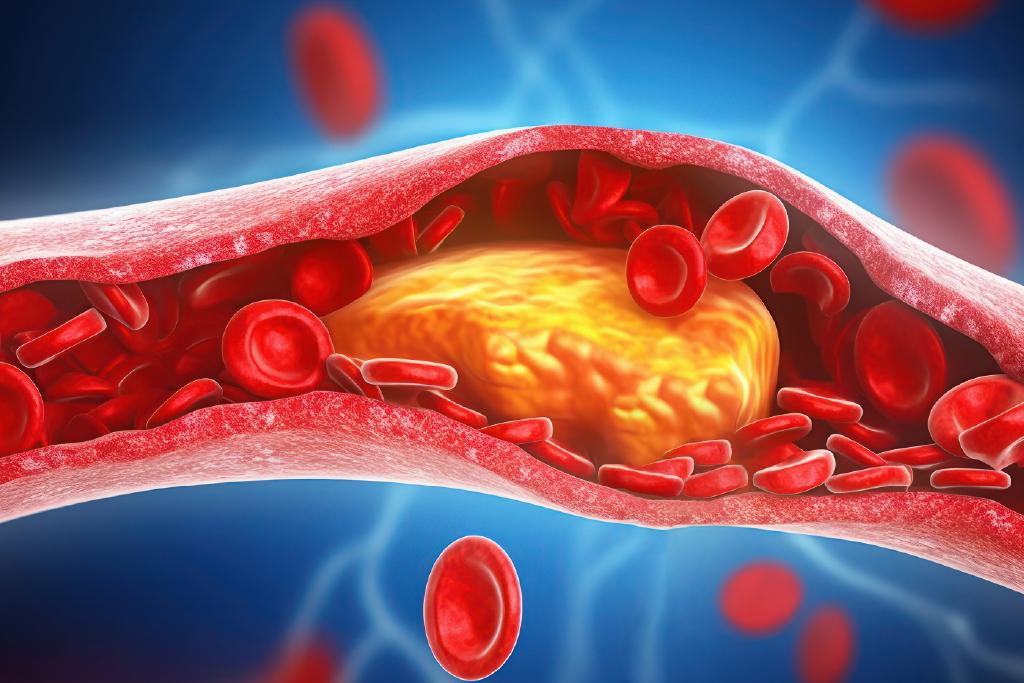
High cholesterol in your 30s usually comes down to one of three things: you inherited a tendency to run high, your metabolism is shifting toward insulin resistance, or something like low thyroid is slowing how your body clears LDL. You cannot feel cholesterol directly, which is why it’s so unsettling to see a “high” number on a lab report when you feel fine. The good news is that a few targeted labs can often tell you which pattern you’re in and what to do next. In your 30s, life changes that seem unrelated—sleep getting worse, stress staying high, weight creeping up, pregnancy or birth control, less time to cook—can all nudge your lipids. And some people are doing everything “right” and still have high LDL because their liver is genetically set to recycle too much cholesterol. This page will help you connect the dots, and if you want a second set of eyes on your results, PocketMD can help you talk through your numbers and next steps. Vitals Vault labs can also help you check the specific markers that clarify risk, not just “total cholesterol.”
Why cholesterol runs high in your 30s
You inherited high LDL
Some people are born with a liver that pulls less LDL out of the blood, which means LDL stays high even if you eat pretty well. This is especially likely if a parent or sibling had high cholesterol early, or if heart disease showed up in your family before age 55 in men or 65 in women. The practical takeaway is to treat this like a “numbers problem,” not a willpower problem, and ask about ApoB and family screening because they can change how aggressive you need to be.
Insulin resistance is building
When your body needs more insulin to keep blood sugar normal, your liver tends to make more triglyceride-rich particles, and LDL can become smaller and more numerous. You might notice this alongside waist gain, afternoon crashes, or a history of gestational diabetes, but sometimes the only clue is the lipid pattern. If your triglycerides are creeping up and HDL is drifting down, it’s a strong hint that improving insulin sensitivity will move your cholesterol more than obsessing over dietary cholesterol.
Low thyroid slows LDL clearance
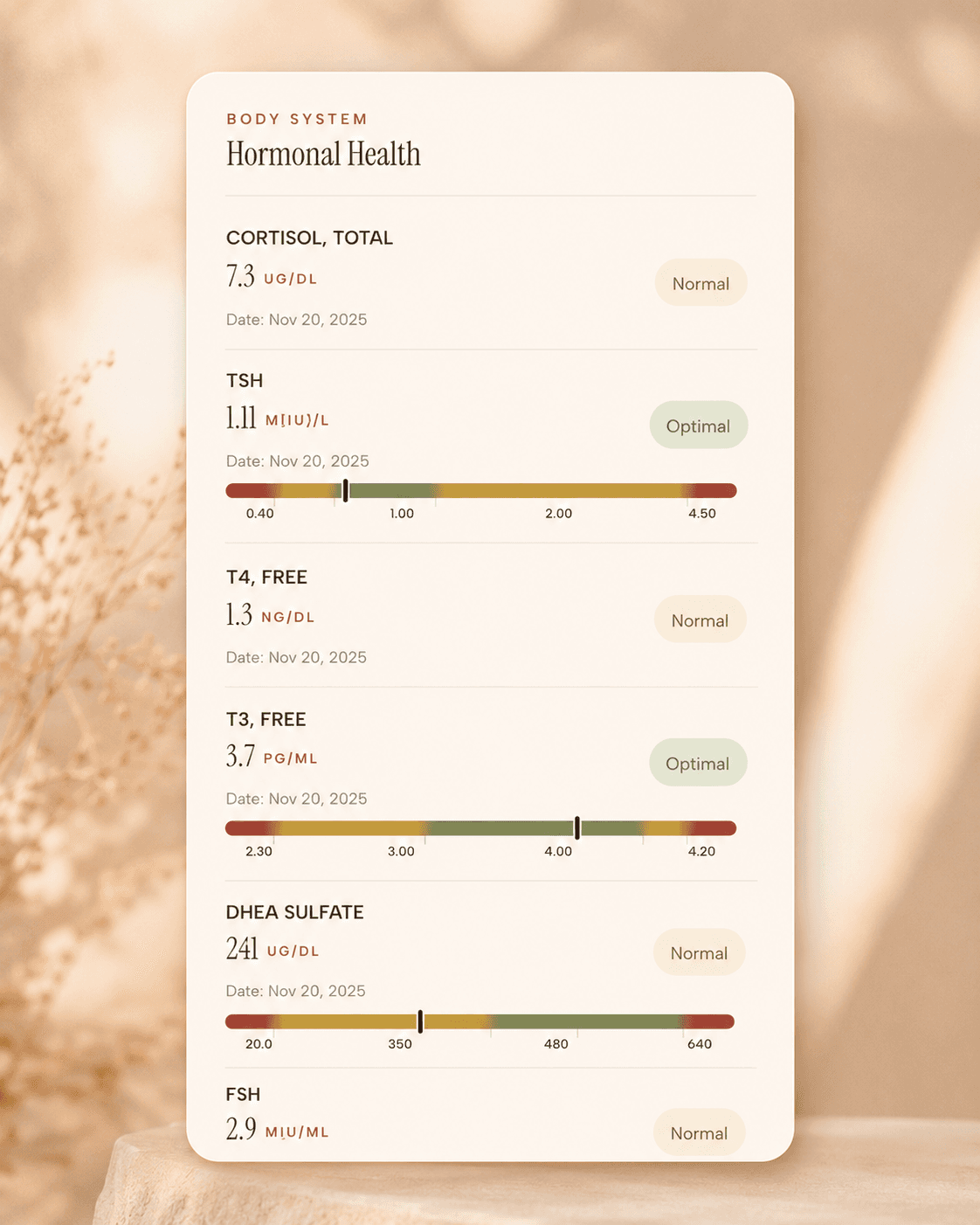
Your thyroid hormone acts like a metabolic “speed setting” for how quickly your liver clears LDL from the bloodstream. When thyroid is low (hypothyroidism), LDL can rise even if your diet has not changed, and you may also feel colder than others, constipated, or more tired than you think you should be. The key move here is simple: check a TSH and treat the thyroid issue first, because cholesterol often improves once your thyroid is back in a healthy range.
Diet pattern, not dietary cholesterol
For many people, the bigger driver is not eggs or shrimp, but how much saturated fat and ultra-processed food has quietly replaced fiber-rich meals. Saturated fat pushes LDL up by changing how your liver handles LDL receptors, while soluble fiber helps pull cholesterol out through your gut. If your LDL jumped during a busy season of takeout and snack foods, a two-week “swap test” that replaces butter, fatty meats, and packaged snacks with olive oil, nuts, beans, and oats can show you how responsive your body is.
Medications and hormones shifting lipids
Some common meds can raise triglycerides or LDL, including certain acne treatments, steroids, and some hormonal contraceptives, and pregnancy can temporarily change lipid levels as well. This can feel confusing because you did not “do” anything wrong, but your lab report still changed. If your cholesterol rose after starting a new medication or changing hormones, bring the timeline to your clinician because sometimes a different formulation or dose keeps the benefit without the lipid hit.
What actually helps lower it (without guessing)
Focus on ApoB, not just LDL
LDL cholesterol is the amount of cholesterol carried, but ApoB is closer to the number of atherogenic particles doing the carrying, which is often what matters most for artery risk. Two people can have the same LDL and very different ApoB, especially when triglycerides are higher. Ask for ApoB so your plan targets the thing you’re actually trying to reduce: particle burden.
Run a 4-week saturated-fat swap
If you want a clear answer about diet, do a short, structured experiment instead of vague “eating better.” For four weeks, keep protein similar but switch fats: use olive oil instead of butter, choose leaner cuts, and make nuts or yogurt your default snack instead of pastries or chips. Recheck your lipids afterward, because a meaningful LDL drop tells you your body is diet-responsive and gives you motivation that feels real.
Build insulin sensitivity on purpose
If your pattern points toward insulin resistance, the most effective lever is usually muscle and meal timing, not extreme restriction. Aim for a brisk 10–15 minute walk after your biggest meal and add two to three days a week of resistance training, because both help your muscles soak up glucose with less insulin. When insulin demand drops, triglycerides often fall first, and LDL particle numbers can follow.
Use meds strategically, not fearfully
If your risk is high—especially with strong family history or very high LDL—medication can be the safest shortcut to lowering lifetime exposure. Statins are the best-studied option, but if side effects show up, you can talk about dose changes, alternate-day dosing, or non-statin options like ezetimibe or PCSK9 inhibitors depending on your numbers. The goal is not “being on a statin,” it’s getting ApoB and LDL to a safer level you can sustain.
Treat the fixable secondary causes
If thyroid is low, treating it can improve LDL without you having to overhaul your life. If alcohol intake has crept up, pulling back often lowers triglycerides within weeks, which can improve your overall lipid profile. The practical approach is to correct the obvious drivers first, then reassess before you assume you need lifelong medication.
Useful biomarkers to discuss with your clinician
LDL Cholesterol
LDL cholesterol is the primary target for cardiovascular risk reduction. Calculated LDL is accurate when triglycerides are below 400 mg/dL. Elevated LDL drives atherosclerosis and cardiovascular disease. Lower is generally better, with targets depending on individual risk factors. Calculated LDL Cholesterol uses the Friedewald equation to estimate LDL from total cholesterol, HDL cholesterol, and triglycerides. It's the most common method for LDL assessment.
Learn moreApolipoprotein B
Apolipoprotein B (ApoB) is the primary protein component of atherogenic lipoproteins including LDL, VLDL, and IDL particles. In functional medicine, ApoB is considered a superior predictor of cardiovascular risk compared to LDL cholesterol because it measures the actual number of atherogenic particles rather than just cholesterol content. Each atherogenic particle contains one ApoB molecule, making it a direct measure of particle number. High ApoB indicates increased cardiovascular risk even when LDL cholesterol…
Learn moreTriglycerides
Triglycerides are the primary form of stored fat and reflect carbohydrate metabolism and insulin sensitivity. In functional medicine, triglycerides are one of the most responsive biomarkers to dietary changes. Elevated triglycerides often indicate insulin resistance, metabolic syndrome, and increased cardiovascular risk. The triglyceride-to-HDL ratio is an excellent predictor of insulin sensitivity and particle size. High triglycerides contribute to small, dense LDL particles and reduced HDL function. Triglyceri…
Learn moreLab testing
Get ApoB, a lipid panel, and thyroid (TSH) checked at Quest
starting from $99 panel with 100+ tests, one visit
No referral needed
About 1 week
Schedule online — results typically within a week
Clear next steps
Guidance included, with follow-up care available
HSA / FSA
Eligible for pre-tax health spending accounts
Pro Tips
If your LDL is 190 mg/dL or higher even once, treat it as a “genetics until proven otherwise” moment and ask about familial high cholesterol screening, because it changes how urgently you act.
Do not change five things at once and then wonder what worked. Pick one lever—like a saturated-fat swap or post-meal walks—stick with it for four weeks, and then retest so you get a clean answer.
If you are worried about statin side effects, ask your clinician to document your baseline muscle symptoms and check a CK only if symptoms appear, because it helps separate normal soreness from a true medication issue.
When you read your lipid panel, look at the pattern, not just the bolded flags. High triglycerides plus lower HDL usually means your liver is responding to insulin, while isolated high LDL often points to genetics or saturated fat response.
If your family has early heart disease, consider asking about a one-time coronary artery calcium scan when appropriate for your age and risk, because it can turn abstract fear into a concrete plan.
Frequently Asked Questions
Is high cholesterol in your 30s always genetic?
No. Genetics is common, but in your 30s cholesterol can also rise from insulin resistance, low thyroid (check TSH), or a diet pattern high in saturated fat. The fastest way to sort it out is to look at your lipid panel pattern and add ApoB, because that tells you whether particle number is truly high. Bring your family history and your trend over time to your next visit so the plan matches your actual risk.
What cholesterol numbers are “bad” at age 30?
Numbers are interpreted based on your overall risk, but LDL-C of 190 mg/dL or higher is a major red flag at any age and often suggests an inherited issue. Triglycerides under 100 mg/dL is a useful “metabolic health” target, and ApoB under 90 mg/dL is a common goal for lower-risk adults. If you only have one test, repeat it fasting or non-fasting consistently and look for the trend.
Can stress and poor sleep raise cholesterol?
Yes, especially indirectly. Chronic stress and short sleep can push you toward insulin resistance and weight gain, which often raises triglycerides and can increase LDL particle number (ApoB). If your lipids worsened during a high-stress season, try pairing a sleep reset with a structured four-week diet or activity change, then retest so you can see what your body does when life is calmer.
Do eggs and dietary cholesterol cause high LDL?
For most people, dietary cholesterol has a smaller effect than saturated fat, although a subset of “hyper-responders” do see LDL rise with high-cholesterol diets. If you want a clear answer for your body, keep eggs the same and reduce saturated fat for four weeks, then recheck LDL-C and ApoB. That result is more useful than internet arguments about eggs.
If I start a statin in my 30s, is it forever?
Not always, but you should assume it might be long-term if your LDL is very high or your family history is strong, because the benefit comes from lowering lifetime exposure. Some people can reduce dose or switch medications once weight, thyroid, or insulin resistance improves, but the decision should be guided by follow-up LDL-C and ApoB. If you are on the fence, ask for a specific target (like ApoB under 90 or under 70 mg/dL) and a retest date so it feels like a plan, not a sentence.
Research worth knowing about
2018 AHA/ACC cholesterol guideline (risk-based treatment and “risk enhancers” like family history)
ApoB and cardiovascular risk: particle number often outperforms LDL-C when triglycerides are higher
2019 ESC/EAS dyslipidaemia guideline (targets and treatment approach, including familial hypercholesterolemia)