High Cholesterol During Menopause: What It Means and What to Do Next
High cholesterol during menopause often comes from lower estrogen, rising LDL particles, and insulin resistance. Targeted labs available at Quest—no referral needed.





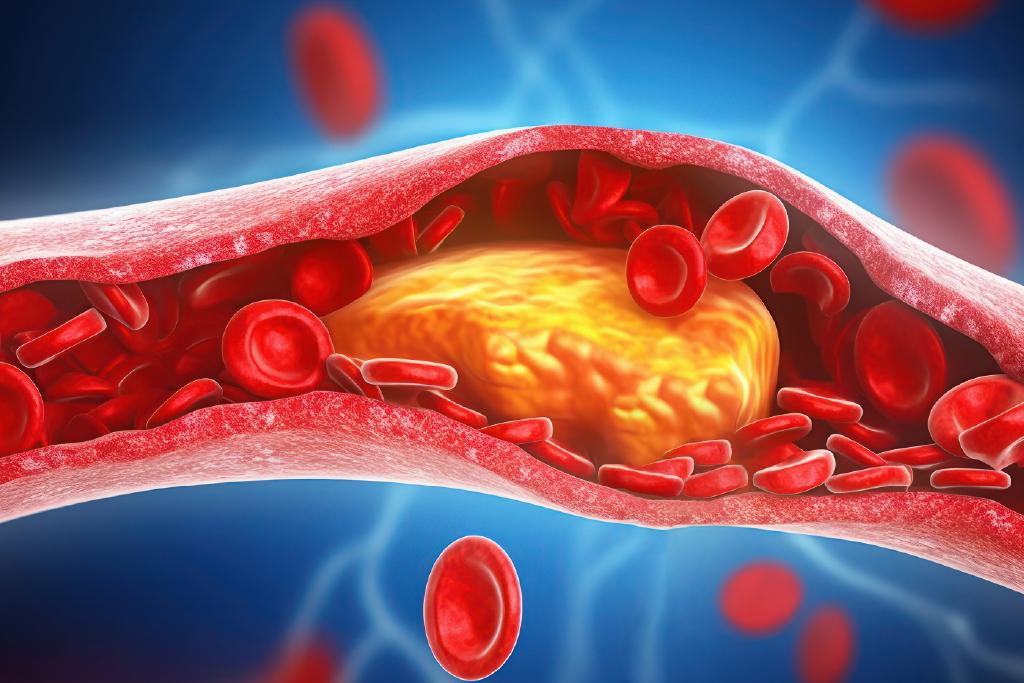
High cholesterol during menopause is usually not “you suddenly eating wrong.” It often happens because estrogen drops, your liver clears LDL less efficiently, and midlife insulin resistance can push triglycerides up and HDL down. A few targeted blood tests can show whether your main issue is LDL particle burden, metabolic changes, or something like thyroid slowdown. This can feel unfair because you might be doing the same things you’ve always done, yet your numbers jump on a routine lab. The good news is that menopause-related lipid changes are common and very workable once you know what’s driving them. Below, you’ll see the most likely reasons, what actually moves the needle, and which labs help you stop guessing. If you want help interpreting your pattern, PocketMD can talk it through with you, and Vitals Vault labs can help you check the key markers without a referral.
Why cholesterol often rises during menopause
Lower estrogen changes liver handling
When estrogen falls, your liver tends to remove LDL (“bad cholesterol”) from your blood less efficiently, so LDL cholesterol can climb even if your diet hasn’t changed. This matters because higher LDL over time is one of the main drivers of plaque buildup in arteries. If your LDL rose around the same time as cycle changes, hot flashes, or sleep disruption, it’s a clue that hormones are part of the story.
More LDL particles, not just LDL
During the menopause transition, you can end up with more LDL particles carrying cholesterol around, even if the LDL cholesterol number doesn’t look dramatic. That particle burden is better captured by ApoB (apolipoprotein B), which tracks how many atherogenic particles are in circulation. If heart disease runs in your family, this is especially important because “normal-ish LDL” can still hide a high particle count.
Insulin resistance shifts your lipids
Midlife weight redistribution toward the abdomen often goes with insulin resistance, which tends to raise triglycerides and lower HDL while also making LDL particles smaller and more likely to get into artery walls. You might notice this alongside cravings, energy crashes after carb-heavy meals, or a waistline that changes faster than the scale. If this is your pattern, focusing only on dietary cholesterol usually misses the real lever.
Thyroid slowdown raises LDL
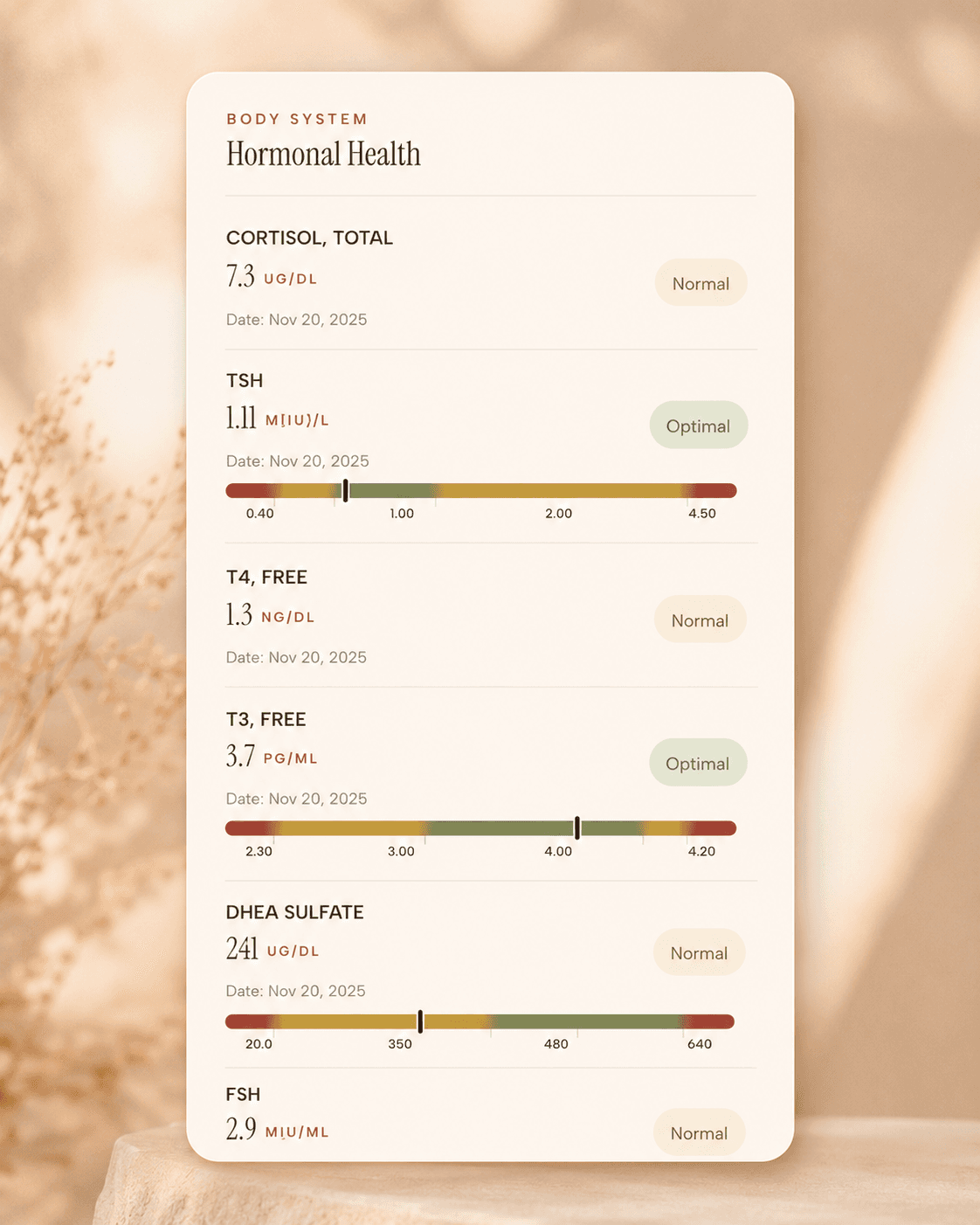
An underactive thyroid (hypothyroidism) can push LDL up because thyroid hormone helps regulate how your body clears cholesterol. This can be easy to miss because symptoms like fatigue, dry skin, and feeling cold can overlap with menopause. If your cholesterol jumped and you also feel “slowed down,” it’s worth checking a thyroid marker like TSH to avoid treating the wrong problem.
Genetics show up in midlife
Some people have a genetic tendency to higher LDL or higher ApoB, and menopause can be the moment it becomes obvious on labs. The “so what” is that lifestyle still helps, but you may need medication or a more aggressive target to meaningfully reduce long-term risk. If you have a strong family history of early heart disease or LDL is very high (often 190 mg/dL or more), ask specifically about inherited cholesterol conditions.
What actually helps when menopause raises cholesterol
Aim for an ApoB target
Instead of chasing a single LDL cholesterol number, ask for an ApoB goal because it matches the particle burden that drives plaque. Many clinicians aim for ApoB under about 80 mg/dL for higher-risk people, and under about 90 mg/dL for lower-risk people, although your personal target depends on your history. Once you have a target, you can tell whether diet changes are enough or whether medication is doing the heavy lifting.
Use soluble fiber on purpose
Soluble fiber binds bile acids in your gut, which nudges your liver to pull more cholesterol out of the blood to make new bile. Practically, this looks like adding a daily “fiber anchor” such as oats, barley, beans, chia, or psyllium, and keeping it consistent for 6–8 weeks before rechecking labs. It’s one of the few food-based changes that reliably lowers LDL for many people.
Shift fats, don’t go fat-free
Replacing saturated fats with unsaturated fats can lower LDL, but you do not need to fear all fat to make progress. A useful swap is moving from butter, coconut oil, and fatty processed meats toward olive oil, nuts, seeds, avocado, and fish, while keeping portions realistic. If your triglycerides are also high, reducing alcohol and refined carbs often matters more than cutting dietary cholesterol.
Treat insulin resistance directly
If your triglycerides are up or your HbA1c is creeping higher, the most effective “cholesterol plan” often looks like a metabolic plan. Strength training two to three times per week improves insulin sensitivity, and pairing carbs with protein and fiber can blunt post-meal spikes that drive triglycerides. If lifestyle isn’t enough, talk with your clinician about options that address metabolism, because improving insulin resistance often improves your lipid pattern too.
Consider medication strategically
Statins lower LDL and reduce cardiovascular events, and they can be especially helpful when menopause unmasks a higher baseline risk. If you’ve had side effects before, you still have options, such as trying a different statin, a lower dose, alternate-day dosing, or adding ezetimibe to reduce the statin dose needed. The goal is not “being on a pill,” it is lowering lifetime exposure to atherogenic particles in a way you can actually tolerate.
Useful biomarkers to discuss with your clinician
Apolipoprotein B
Apolipoprotein B (ApoB) is the primary protein component of atherogenic lipoproteins including LDL, VLDL, and IDL particles. In functional medicine, ApoB is considered a superior predictor of cardiovascular risk compared to LDL cholesterol because it measures the actual number of atherogenic particles rather than just cholesterol content. Each atherogenic particle contains one ApoB molecule, making it a direct measure of particle number. High ApoB indicates increased cardiovascular risk even when LDL cholesterol…
Learn moreLDL Cholesterol
LDL cholesterol is the primary target for cardiovascular risk reduction. Calculated LDL is accurate when triglycerides are below 400 mg/dL. Elevated LDL drives atherosclerosis and cardiovascular disease. Lower is generally better, with targets depending on individual risk factors. Calculated LDL Cholesterol uses the Friedewald equation to estimate LDL from total cholesterol, HDL cholesterol, and triglycerides. It's the most common method for LDL assessment.
Learn moreTriglycerides
Triglycerides are the primary form of stored fat and reflect carbohydrate metabolism and insulin sensitivity. In functional medicine, triglycerides are one of the most responsive biomarkers to dietary changes. Elevated triglycerides often indicate insulin resistance, metabolic syndrome, and increased cardiovascular risk. The triglyceride-to-HDL ratio is an excellent predictor of insulin sensitivity and particle size. High triglycerides contribute to small, dense LDL particles and reduced HDL function. Triglyceri…
Learn moreLab testing
Check ApoB, a full lipid panel, and HbA1c at Quest
starting from $99 panel with 100+ tests, one visit
No referral needed
About 1 week
Schedule online — results typically within a week
Clear next steps
Guidance included, with follow-up care available
HSA / FSA
Eligible for pre-tax health spending accounts
Pro Tips
If you only change one thing about tracking, track ApoB alongside your lipid panel at your next check. It tells you whether you are actually reducing the number of artery-clogging particles, not just moving cholesterol between compartments.
Give any lifestyle change a fair test window. Cholesterol markers usually need about 6–8 weeks of consistent habits before a recheck tells you what is working.
If your triglycerides are elevated, try a two-week experiment where you cut alcohol completely and keep carbs mostly high-fiber. If triglycerides drop noticeably, you’ve found a powerful lever for your specific pattern.
Ask your clinician to interpret your results in the context of your family history and blood pressure, not in isolation. A “borderline” LDL can mean something very different if a parent had a heart attack at 52.
If you had muscle aches on a statin, write down the exact drug, dose, and timing, and whether you were also sick, dehydrated, or starting a new workout routine. That detail helps you and your clinician choose a better re-trial strategy instead of abandoning treatment entirely.
Frequently Asked Questions
Can menopause really cause high cholesterol even if I eat well?
Yes. As estrogen drops, your liver tends to clear LDL less efficiently, and that alone can raise LDL cholesterol and ApoB even if your diet is unchanged. Menopause can also worsen insulin resistance, which pushes triglycerides up and HDL down. If your numbers changed quickly, checking ApoB and HbA1c can help show which mechanism is driving it.
What is ApoB and why do people say it matters more than LDL?
ApoB is a blood test that estimates how many atherogenic particles you have, including LDL particles, and that particle count is what directly drives plaque formation over time. LDL cholesterol is the amount of cholesterol inside those particles, which can look “okay” even when particle number is high. If you’re trying to understand risk during menopause, ApoB often gives a clearer target to treat.
What cholesterol numbers should I aim for during menopause?
Targets depend on your overall risk, but many prevention-focused clinicians like triglycerides under about 100 mg/dL and an ApoB goal around 80–90 mg/dL, with lower targets if you have higher risk. LDL cholesterol goals vary widely based on family history, blood pressure, diabetes, and prior heart disease. Bring your lipid panel plus ApoB to a visit and ask for a specific, written target for you.
Do I need a statin if my cholesterol went up after menopause?
Not always, but sometimes it is the most effective way to lower lifetime exposure to LDL particles, especially if ApoB is high or you have strong family history. If your rise is mostly driven by insulin resistance, improving triglycerides and HbA1c can also improve your lipid pattern, although LDL may still need separate treatment. A practical next step is to get ApoB and discuss medication only after you know your particle burden.
Could my thyroid be causing high cholesterol during menopause?
It can. An underactive thyroid (hypothyroidism) can raise LDL because thyroid hormone helps your body clear cholesterol, and symptoms like fatigue can blend in with menopause. If cholesterol rose alongside feeling unusually cold, constipated, or “slowed down,” ask for a TSH test and review the result with your clinician. Treating thyroid issues can sometimes improve cholesterol without escalating lipid medication.