Why Is Your Cholesterol Higher After Menopause?
High cholesterol after menopause often comes from lower estrogen, higher LDL particle count (ApoB), and insulin resistance. Targeted labs at Quest—no referral.





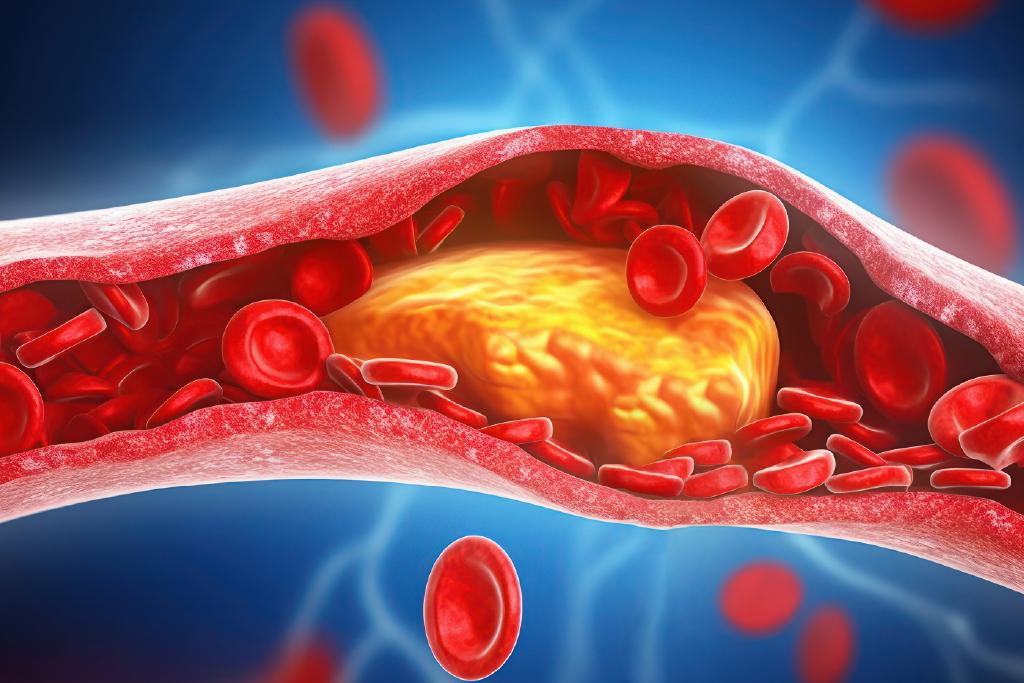
High cholesterol after menopause is usually your hormones changing how your liver handles fats, which often raises LDL and triglycerides and can increase the number of “bad” particles in your blood. Weight shifts and insulin resistance can amplify it, and thyroid slowdowns can quietly push cholesterol higher too. The right labs can show which pattern you have so you can target the fix instead of guessing. If you feel blindsided by a “suddenly high” cholesterol result, you’re not imagining things. After menopause, your cardiovascular risk starts to look more like a man’s, and cholesterol is one of the first numbers to move. The tricky part is that the standard lipid panel does not always tell the whole story, especially if your LDL looks only mildly elevated but your particle count is high. This page walks you through the most common reasons it happens, what tends to help in real life, and which blood tests can make the plan clearer. If you want help interpreting your exact numbers and history, PocketMD can help you think it through, and Vitals Vault labs can help you check the key markers without a referral.
Why your cholesterol rises after menopause
Lower estrogen changes liver handling
After menopause, lower estrogen means your liver tends to clear LDL cholesterol less efficiently, so LDL can drift up even if you have not changed your diet. This matters because LDL is the “delivery truck” that can drop cholesterol into artery walls over time. If your LDL rose around the same time your periods stopped, it is a clue that hormones are part of the story, and it is worth checking particle-based risk markers like ApoB rather than focusing only on total cholesterol.
More LDL particles (ApoB) than expected
You can have a “not terrible” LDL number but still have a high number of LDL particles, which is what ApoB reflects. More particles means more chances for them to slip into the artery lining and start plaque, even if each particle carries less cholesterol. If heart disease runs in your family or your doctor seems more concerned than your LDL suggests, ask about ApoB because it often explains the mismatch.
Insulin resistance after midlife
When your cells stop responding to insulin as well, your liver tends to make more triglyceride-rich particles and your HDL often drops, which can make your lipid panel look worse. This pattern is common after menopause, especially if weight has shifted toward your abdomen, and it is strongly tied to future diabetes and heart risk. A practical takeaway is that improving insulin sensitivity can lower triglycerides and ApoB even when the scale barely moves.
Thyroid slowdown (hypothyroidism)
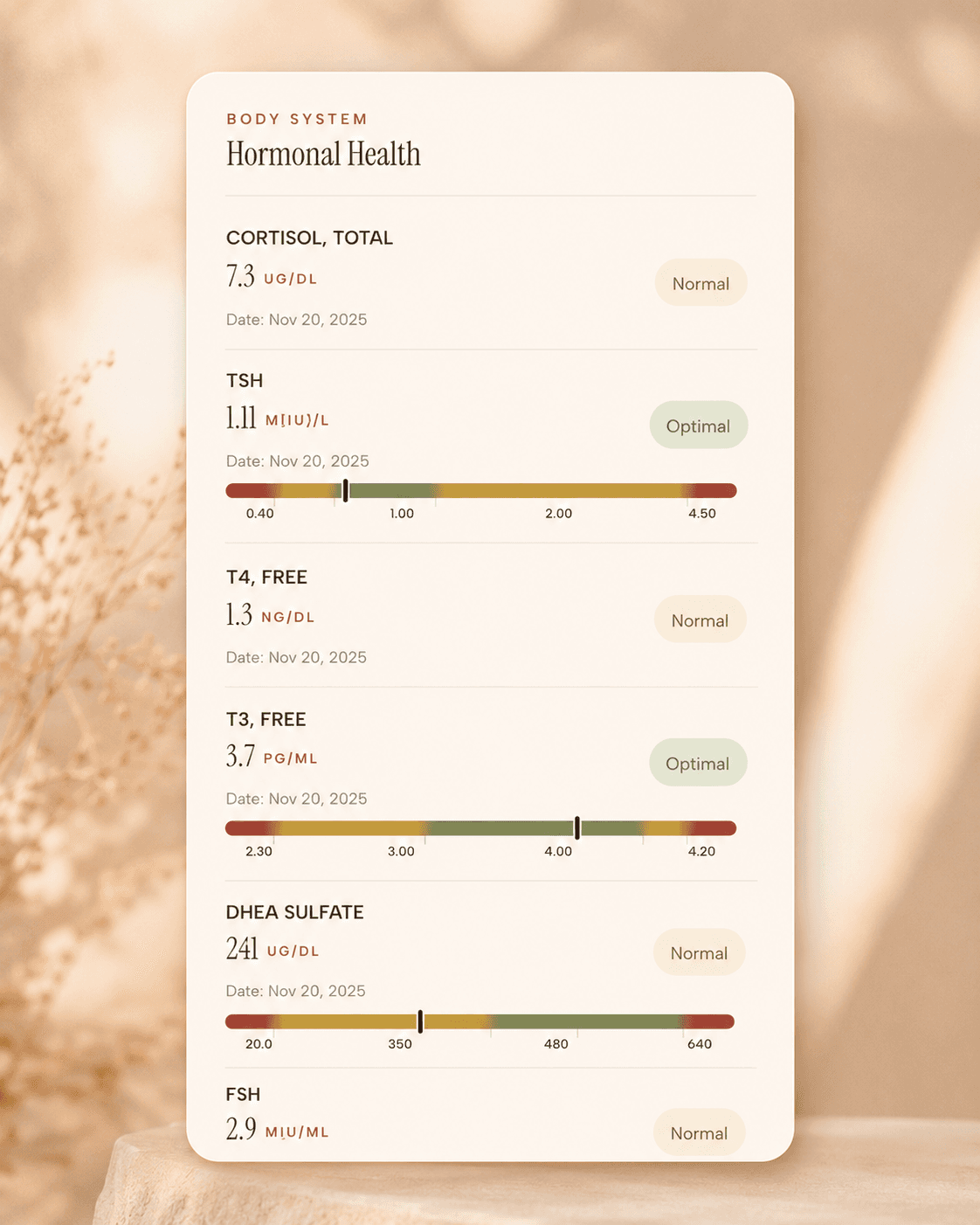
A sluggish thyroid can raise LDL because thyroid hormone helps your body clear LDL from the bloodstream. What makes this frustrating is that the symptoms can be subtle, so you might blame “getting older” for fatigue, dry skin, constipation, or feeling cold. If your cholesterol rose without an obvious lifestyle change, a TSH test is a simple way to rule this in or out.
Medication and alcohol effects
Some common medications can nudge cholesterol upward, and alcohol can raise triglycerides in a way that looks like a sudden “bad panel.” For example, certain diuretics, older beta blockers, and some hormone-related treatments can shift lipids, and regular evening drinks can quietly push triglycerides higher. If your numbers changed after starting a new prescription or your drinking pattern changed, bring that timeline to your clinician because the fix may be as simple as adjusting the plan.
What actually helps lower it
Aim for ApoB, not just LDL
If you only chase LDL, you can miss the real driver of risk, which is often particle number. Ask your clinician what ApoB goal fits your situation, because many people do best when ApoB is under about 80 mg/dL, and higher-risk people often aim lower. Once you have that target, you can judge whether diet changes are enough or whether medication is doing meaningful work.
Use soluble fiber daily, on purpose
Soluble fiber binds bile in your gut, which forces your liver to use more cholesterol to make new bile, and that can lower LDL over weeks. This works best when it is consistent, such as oats or barley at breakfast, beans most days, or a psyllium supplement taken with water. If you try it, recheck your lipids after about 6–8 weeks so you can see whether it is moving your numbers.
Replace saturated fats strategically
After menopause, your LDL can be more sensitive to saturated fat, so swapping matters more than it used to. The key is replacement: when butter, coconut oil, fatty processed meats, and full-fat dairy get replaced with olive oil, nuts, seeds, avocado, and fish, LDL and ApoB often improve without you feeling deprived. Pick one “default swap” you can stick to, like olive oil for cooking, and build from there.
Train for muscle and insulin sensitivity
Strength training and brisk walking do not just “burn calories”—they make your muscles better at pulling sugar out of your blood, which can lower triglycerides and improve HDL. You do not need perfection for this to work; two to three full-body strength sessions per week plus regular walking is a strong starting point. If your triglycerides are high, this approach often helps even before major weight loss shows up.
Make statins tolerable when needed
If your risk is high, medication can be the difference between “numbers” and preventing a heart attack, but side effects are real and deserve a plan. Many people do better with a different statin, a lower dose, or alternate-day dosing, and some need add-on options like ezetimibe rather than simply quitting. If you get new muscle pain, weakness, or dark urine after starting a statin, contact your clinician promptly and ask for a structured re-challenge instead of guessing.
Useful biomarkers to discuss with your clinician
Apolipoprotein B
Apolipoprotein B (ApoB) is the primary protein component of atherogenic lipoproteins including LDL, VLDL, and IDL particles. In functional medicine, ApoB is considered a superior predictor of cardiovascular risk compared to LDL cholesterol because it measures the actual number of atherogenic particles rather than just cholesterol content. Each atherogenic particle contains one ApoB molecule, making it a direct measure of particle number. High ApoB indicates increased cardiovascular risk even when LDL cholesterol…
Learn moreLDL Cholesterol
LDL cholesterol is the primary target for cardiovascular risk reduction. Calculated LDL is accurate when triglycerides are below 400 mg/dL. Elevated LDL drives atherosclerosis and cardiovascular disease. Lower is generally better, with targets depending on individual risk factors. Calculated LDL Cholesterol uses the Friedewald equation to estimate LDL from total cholesterol, HDL cholesterol, and triglycerides. It's the most common method for LDL assessment.
Learn moreHDL Cholesterol
HDL cholesterol is often called 'good cholesterol' due to its role in reverse cholesterol transport - moving cholesterol from peripheral tissues back to the liver for disposal. In functional medicine, we recognize that HDL quality and functionality are more important than quantity alone. HDL particles have anti-inflammatory, antioxidant, and anti-thrombotic properties. Low HDL is strongly associated with metabolic syndrome, insulin resistance, and increased cardiovascular risk. However, extremely high HDL levels…
Learn moreLab testing
Check ApoB, a lipid panel, and thyroid (TSH) at Quest
starting from $99 panel with 100+ tests, one visit
No referral needed
About 1 week
Schedule online — results typically within a week
Clear next steps
Guidance included, with follow-up care available
HSA / FSA
Eligible for pre-tax health spending accounts
Pro Tips
If you have last year’s lipid panel, put the two results side by side and look for the pattern, not just the LDL number. A jump in triglycerides or a drop in HDL often points toward insulin resistance, which changes what you focus on first.
Try a 6-week “fiber experiment” before you overhaul your entire diet: add one daily serving of oats or beans plus a consistent psyllium supplement, then recheck LDL-C and ApoB. Seeing a real delta on paper makes it easier to keep going.
If your LDL is high but you are also tired, constipated, or unusually cold, do not assume it is just aging. Ask for TSH and bring your symptom timeline, because treating a thyroid issue can make cholesterol management much simpler.
When you start a statin, write down what you feel in the first two weeks, including exercise soreness versus new, unusual muscle pain. That record helps you and your clinician decide whether it is a true side effect and which adjustment to try next.
If heart disease runs in your family, do not let a “normal total cholesterol” reassure you too much. Ask specifically for ApoB so you can see whether your risk is driven by particle number even when the basic panel looks okay.
Frequently Asked Questions
Can menopause cause high cholesterol even if I eat healthy?
Yes. After menopause, lower estrogen can reduce how efficiently your liver clears LDL, so LDL-C and ApoB can rise even when your diet has not changed. That is why it helps to check ApoB and triglycerides, not just total cholesterol. Bring your before-and-after labs to your next visit so you can see whether the timing matches menopause.
What cholesterol number should I worry about after menopause?
The most useful “worry” number is often ApoB, because it reflects how many artery-clogging particles you have. Many people aim for ApoB under about 80 mg/dL, and if you have very high risk or known heart disease the target is often closer to 60 mg/dL. If you only have a standard lipid panel, a triglyceride level persistently above 150 mg/dL is a strong signal to look deeper.
Why did my LDL go up after I stopped hormone therapy?
Estrogen therapy can improve LDL clearance in the liver for some people, so stopping it may allow LDL-C and ApoB to drift upward. That does not automatically mean you should restart hormones, because the decision depends on your symptoms, age, and cardiovascular risk profile. The practical next step is to recheck a lipid panel and ApoB about 8–12 weeks after the change and review options with your clinician.
Do I need a statin if my cholesterol is high after menopause?
Not everyone does, but some people absolutely benefit, especially if ApoB is high, you have diabetes, high blood pressure, smoking history, or a strong family history. Guidelines typically use a 10-year ASCVD risk estimate plus “risk enhancers” to decide, and menopause-related changes can push you into a higher-risk category. Ask your clinician to calculate your risk and discuss whether ApoB changes the recommendation.
What tests should I ask for besides a lipid panel?
ApoB is the most helpful add-on for understanding particle-based risk, and TSH is a smart check because low thyroid function can raise LDL. If your triglycerides are elevated or your waistline has changed, it is also reasonable to ask about insulin resistance testing, but ApoB plus a lipid panel already tells you a lot. If you want to act quickly, get ApoB, a lipid panel, and TSH, then review the pattern with a clinician.
Research worth knowing
2019 ACC/AHA guideline on primary prevention of cardiovascular disease (risk-based approach to lipids and statins)
2018 AHA/ACC cholesterol guideline (ApoB and risk-enhancing factors included)
Endocrine Society guideline on lipid management in endocrine disorders (includes hypothyroidism and menopause-related considerations)