High Cholesterol in Perimenopause: What It Means and What to Do
High cholesterol perimenopause often comes from falling estrogen, rising insulin resistance, or thyroid slowdown. Targeted labs at Quest—no referral needed.





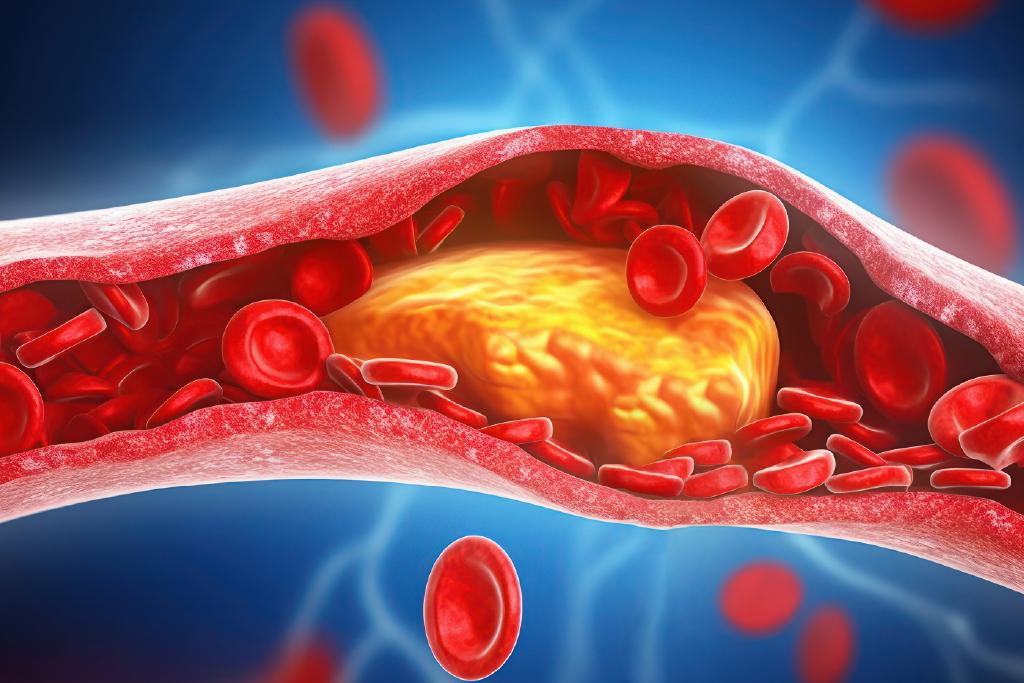
High cholesterol in perimenopause is often driven by falling estrogen, which changes how your liver clears LDL, plus midlife shifts like insulin resistance and sometimes a slower thyroid. The tricky part is that your “bad cholesterol” number can look only mildly elevated while your actual particle risk is higher. A few targeted blood tests can help show which pattern you have and what will move the needle. If you just got labs back and felt your stomach drop, you are not being dramatic. Cholesterol is tied to heart attack and stroke risk, and perimenopause is a time when numbers can change even if you have not “done anything wrong.” The goal is not perfection; it is understanding your personal risk and choosing the smallest set of changes that meaningfully lowers it. If you want help interpreting your pattern, PocketMD can talk it through with you, and Vitals Vault labs can help you check the markers that matter most.
Why cholesterol can rise in perimenopause
Falling estrogen changes liver handling
As estrogen dips and swings in perimenopause, your liver tends to clear LDL cholesterol less efficiently, so LDL can drift upward even if your diet has not changed much. This is one reason you might see a “new” cholesterol problem in your 40s. The takeaway is that you are not imagining it, and it is worth looking beyond total cholesterol to markers like ApoB that reflect the number of atherogenic particles.
Insulin resistance pushes triglycerides up
When your cells become less responsive to insulin, your liver makes more triglyceride-rich particles and your HDL often drops, which is a more inflammatory pattern than LDL alone. You might notice this alongside belly weight gain, stronger carb cravings, or feeling sleepy after meals. If your triglycerides are rising, focusing on added sugars and refined starches usually helps more than obsessing over dietary cholesterol.
Thyroid slowdown raises LDL
A slower thyroid can quietly raise LDL because thyroid hormone helps regulate LDL receptors that pull cholesterol out of your bloodstream. In real life, this can show up as “my cholesterol jumped” along with constipation, dry skin, hair shedding, or feeling cold when others are fine. If your TSH is high or trending up, treating the thyroid issue can improve cholesterol without escalating lipid meds.
Genetics and particle number
Some people inherit a tendency to carry more LDL particles, which means your arteries see more “traffic” even when the LDL-C number looks only moderately high. This is common in families with early heart disease, and it is why ApoB or other particle measures can be so clarifying. If you have a strong family history, you deserve a risk conversation that goes beyond “eat less fat.”
Sleep and stress shift metabolism
Perimenopause can wreck sleep, and short or fragmented sleep nudges your body toward insulin resistance and higher appetite hormones, which can indirectly worsen lipids over time. You might feel wired at night, then hungry and foggy the next day, and the lab changes follow months later. If your cholesterol rose during a stretch of night sweats or insomnia, improving sleep is not “soft” advice — it is metabolic leverage.
What actually helps lower it
Aim for ApoB-driven goals
If you only chase total cholesterol, you can miss the real risk signal. ApoB tells you how many artery-entering particles you have, and many clinicians aim for ApoB under 90 mg/dL for lower risk, and under 70 mg/dL if your risk is higher. Ask your clinician what ApoB target fits your history, then use that single number to judge whether your plan is working.
Use a Mediterranean-style pattern
A Mediterranean-style way of eating tends to lower cardiovascular risk because it replaces saturated fats with unsaturated fats and adds fiber that binds bile acids in your gut. In practice, that means olive oil, nuts, beans, vegetables, and fish more often, while butter, fatty processed meats, and ultra-processed snacks become occasional. Give it 8–12 weeks and then recheck labs so you can see your personal response.
Add soluble fiber on purpose
Soluble fiber acts like a sponge that helps your body excrete cholesterol, and it can lower LDL in a measurable way. The easiest approach is to pick one daily “fiber anchor,” such as oats, barley, beans, chia, or psyllium, and build around it rather than trying to overhaul every meal. Start slowly and increase over a couple of weeks so your gut can adapt.
Treat the triglyceride pattern
If your triglycerides are high, the most effective moves are usually cutting sugary drinks and desserts, tightening up alcohol, and building muscle with resistance training. This pattern often improves quickly, sometimes within a month, because your liver stops overproducing triglyceride-rich particles. A simple win is to pair carbs with protein and fiber at meals so your blood sugar spikes less.
Consider meds without fear
If your ApoB or LDL remains high despite strong habits, medication can be a tool rather than a personal failure. Statins have the best evidence for lowering heart attack and stroke risk, and many side effects can be managed by dose changes, switching agents, or checking for contributors like low vitamin D or thyroid issues. If you get new muscle pain, dark urine, or severe weakness, contact your clinician promptly and do not just “push through.”
Useful biomarkers to discuss with your clinician
Apolipoprotein B
Apolipoprotein B (ApoB) is the primary protein component of atherogenic lipoproteins including LDL, VLDL, and IDL particles. In functional medicine, ApoB is considered a superior predictor of cardiovascular risk compared to LDL cholesterol because it measures the actual number of atherogenic particles rather than just cholesterol content. Each atherogenic particle contains one ApoB molecule, making it a direct measure of particle number. High ApoB indicates increased cardiovascular risk even when LDL cholesterol…
Learn moreLDL Cholesterol
LDL cholesterol is the primary target for cardiovascular risk reduction. Calculated LDL is accurate when triglycerides are below 400 mg/dL. Elevated LDL drives atherosclerosis and cardiovascular disease. Lower is generally better, with targets depending on individual risk factors. Calculated LDL Cholesterol uses the Friedewald equation to estimate LDL from total cholesterol, HDL cholesterol, and triglycerides. It's the most common method for LDL assessment.
Learn moreTriglycerides
Triglycerides are the primary form of stored fat and reflect carbohydrate metabolism and insulin sensitivity. In functional medicine, triglycerides are one of the most responsive biomarkers to dietary changes. Elevated triglycerides often indicate insulin resistance, metabolic syndrome, and increased cardiovascular risk. The triglyceride-to-HDL ratio is an excellent predictor of insulin sensitivity and particle size. High triglycerides contribute to small, dense LDL particles and reduced HDL function. Triglyceri…
Learn moreLab testing
Check ApoB, a full lipid panel, and TSH at Quest
starting from $99 panel with 100+ tests, one visit
No referral needed
About 1 week
Schedule online — results typically within a week
Clear next steps
Guidance included, with follow-up care available
HSA / FSA
Eligible for pre-tax health spending accounts
Pro Tips
If you are changing food or exercise, set a calendar reminder to recheck ApoB and a lipid panel in 8–12 weeks. Cholesterol responds slowly enough that checking sooner often just creates anxiety without better decisions.
When you look at your lipid panel, do not stop at LDL. If triglycerides are climbing and HDL is falling, treat it like a blood sugar problem in disguise and tighten up added sugar, refined carbs, and alcohol for a month.
Try a “soluble fiber test drive” for two weeks by adding one daily serving of oats, beans, or 1–2 teaspoons of psyllium in water. If your digestion tolerates it, keep it and let it compound over months.
If you think a statin is causing muscle aches, write down when the pain started, where it is, and whether it improves on rest days. That simple timeline helps your clinician decide whether to adjust the dose, switch meds, or look for another cause.
If early heart disease runs in your family, ask for an ApoB goal and a clear plan for follow-up. Having a number to aim for is calming, and it prevents endless guessing based on total cholesterol alone.
Frequently Asked Questions
Can perimenopause cause high cholesterol even if I eat well?
Yes. Falling estrogen can reduce how efficiently your liver clears LDL, so your LDL-C and ApoB can rise even with the same diet and weight. Midlife sleep disruption and insulin resistance can add to the effect. If this feels sudden, checking ApoB, triglycerides, and TSH can help show what is driving your pattern.
What is ApoB and why is it better than LDL?
ApoB is a blood test that reflects the number of cholesterol-carrying particles that can enter artery walls. LDL-C measures how much cholesterol is inside those particles, which can look “okay” even when particle number is high. Many prevention-focused targets aim for ApoB under 90 mg/dL, and under 70 mg/dL for higher-risk people, so ask what target fits you.
What cholesterol numbers should I aim for in perimenopause?
Targets depend on your overall risk, but many people use triglycerides under 100 mg/dL and HDL at least 50 mg/dL as practical goals. For particle risk, ApoB under 90 mg/dL is a common target, and under 70 mg/dL is often used when risk is higher. The most useful next step is to pick one or two targets with your clinician and recheck in 8–12 weeks.
Does hormone therapy lower cholesterol in menopause?
Estrogen therapy can improve some lipid measures, but it is not prescribed solely to treat cholesterol because cardiovascular risk depends on your age, time since menopause, and personal risk factors. It may lower LDL and raise HDL in some people, while triglycerides can rise with oral forms. If you are considering hormone therapy, discuss symptoms, timing, and your ApoB-based risk picture together.
When should I take a statin for high cholesterol in perimenopause?
A statin decision is usually based on your overall cardiovascular risk, not just one LDL number, and ApoB can strengthen the case when risk is unclear. If you have diabetes, known vascular disease, very high LDL, or a strong family history, the threshold to treat is lower. Bring your lipid panel, ApoB, blood pressure, and smoking status to the conversation so you can make a clear, personalized plan.