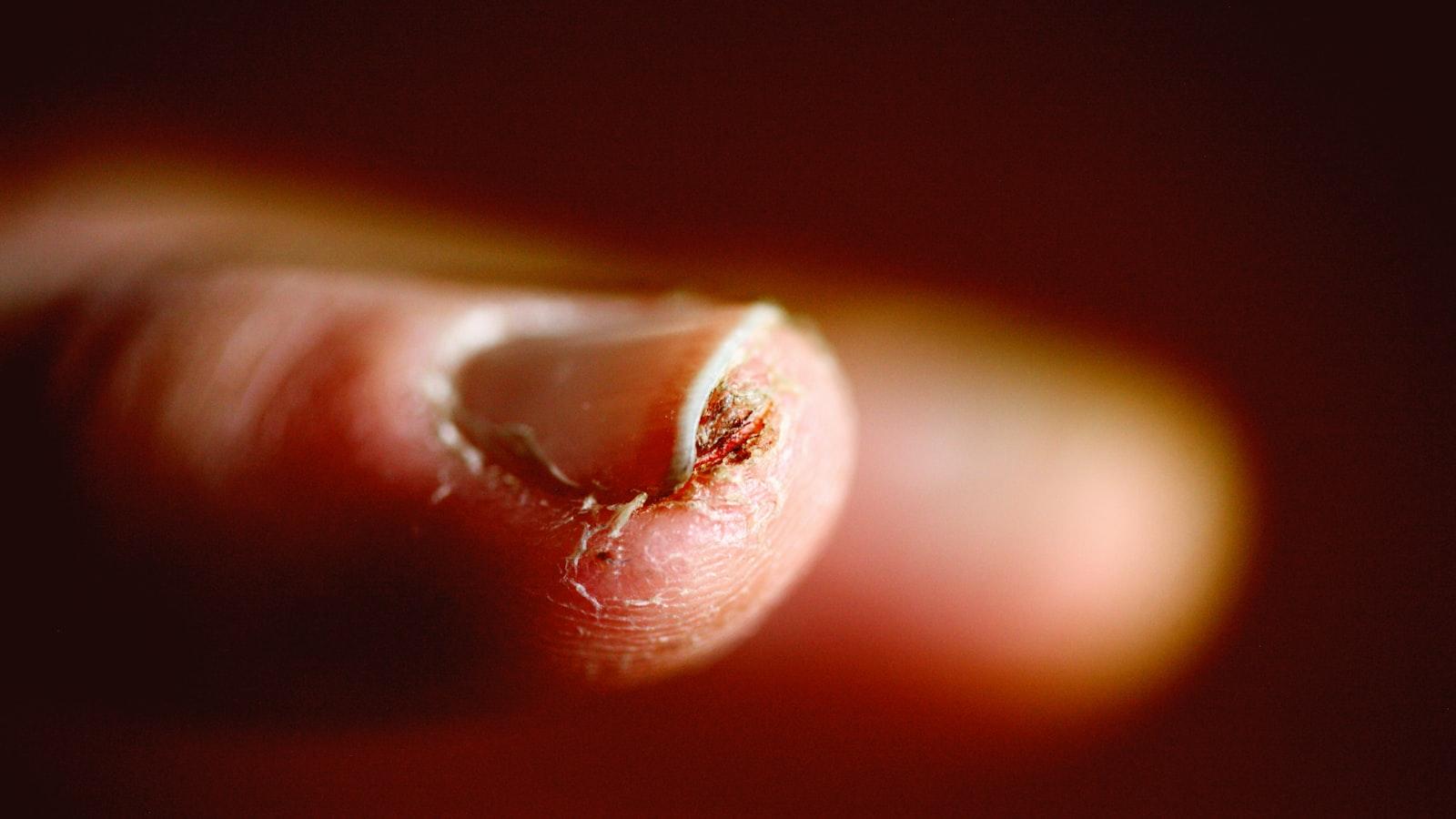
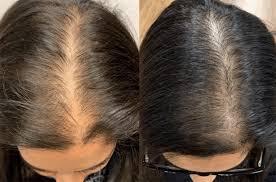
Why Your Skin Is So Dry Lately (and What Helps)
Dry skin in working women often comes from barrier damage, low thyroid, or eczema flares. Get targeted labs at Quest—no referral needed.





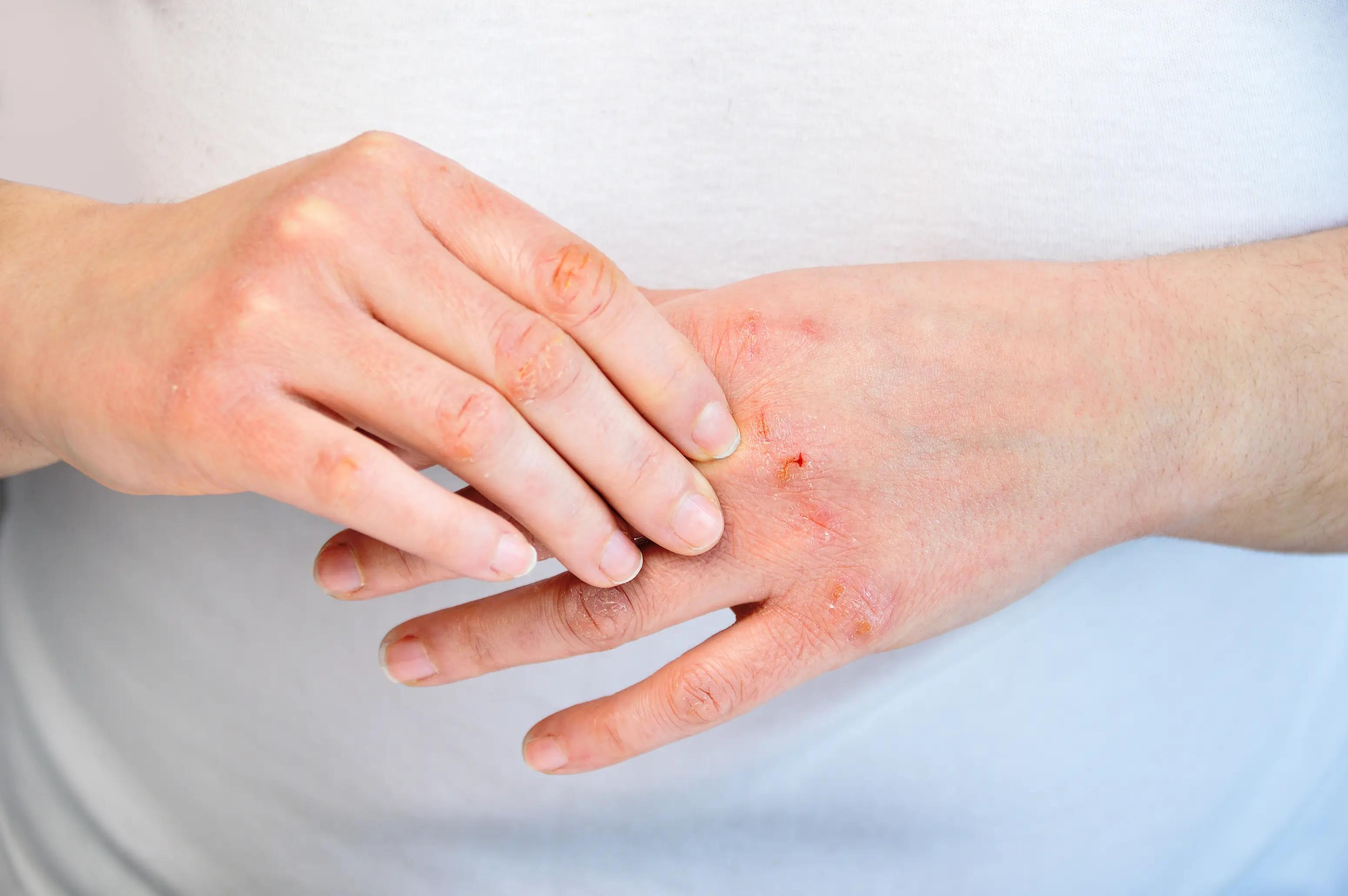
Dry skin in a busy working life is usually a mix of skin-barrier damage from frequent washing and dry indoor air, plus an underlying trigger like eczema or a thyroid slowdown. Hormone shifts can also thin your skin’s oil layer, which is why dryness can suddenly feel “new” even if your routine hasn’t changed. If it is persistent, targeted labs can help you tell the difference between a surface problem you can fix with the right barrier routine and an internal issue that needs treatment. When you are juggling deadlines, commutes, and constant handwashing, your skin often takes the hit first. Dryness can show up as tightness after cleansing, makeup that pills, itchy patches on your shins or hands, or tiny cracks that sting when you sanitize. The tricky part is that “dry” can mean simple dehydration of the outer layer, inflammation from eczema, or slower skin turnover from low thyroid. This guide walks you through the most common causes, what actually helps in real life, and which tests are worth considering. If you want help matching your pattern to the most likely cause, PocketMD can talk it through with you in plain language.
Why your skin is so dry with a busy work life
Your skin barrier is stripped
Frequent handwashing, hot showers, and alcohol-based sanitizers dissolve the oils and protective “mortar” that keep water in your skin. When that barrier is leaky, you feel tightness within minutes of washing, and you may notice stinging when you apply products that never used to bother you. The most useful takeaway is to treat dryness like a barrier injury: reduce harsh cleansers and seal in moisture within three minutes of washing.
Dry indoor air dehydrates you
Office HVAC and winter heating pull moisture from the air, and your skin loses water faster in low humidity. That is why your face can feel fine outdoors but papery and itchy by mid-afternoon at your desk. If your dryness is clearly seasonal or worse in one building, a small desk humidifier and a mid-day reapplication of a barrier cream can make a bigger difference than switching to a “stronger” lotion.
Eczema flare (atopic dermatitis)
Eczema is not just “dry skin.” It is an overactive skin immune response that makes your barrier fragile, so you get itchy, inflamed patches that can ooze or crack, especially on hands, eyelids, and inside elbows. Stress and irritants at work can keep the itch-scratch cycle going, which is why it can feel like you are moisturizing constantly but never catching up. The practical move is to use fragrance-free, thick ointment-style moisturizers and ask about short courses of anti-inflammatory treatment if you are getting recurring red, itchy patches.
Low thyroid slows skin turnover
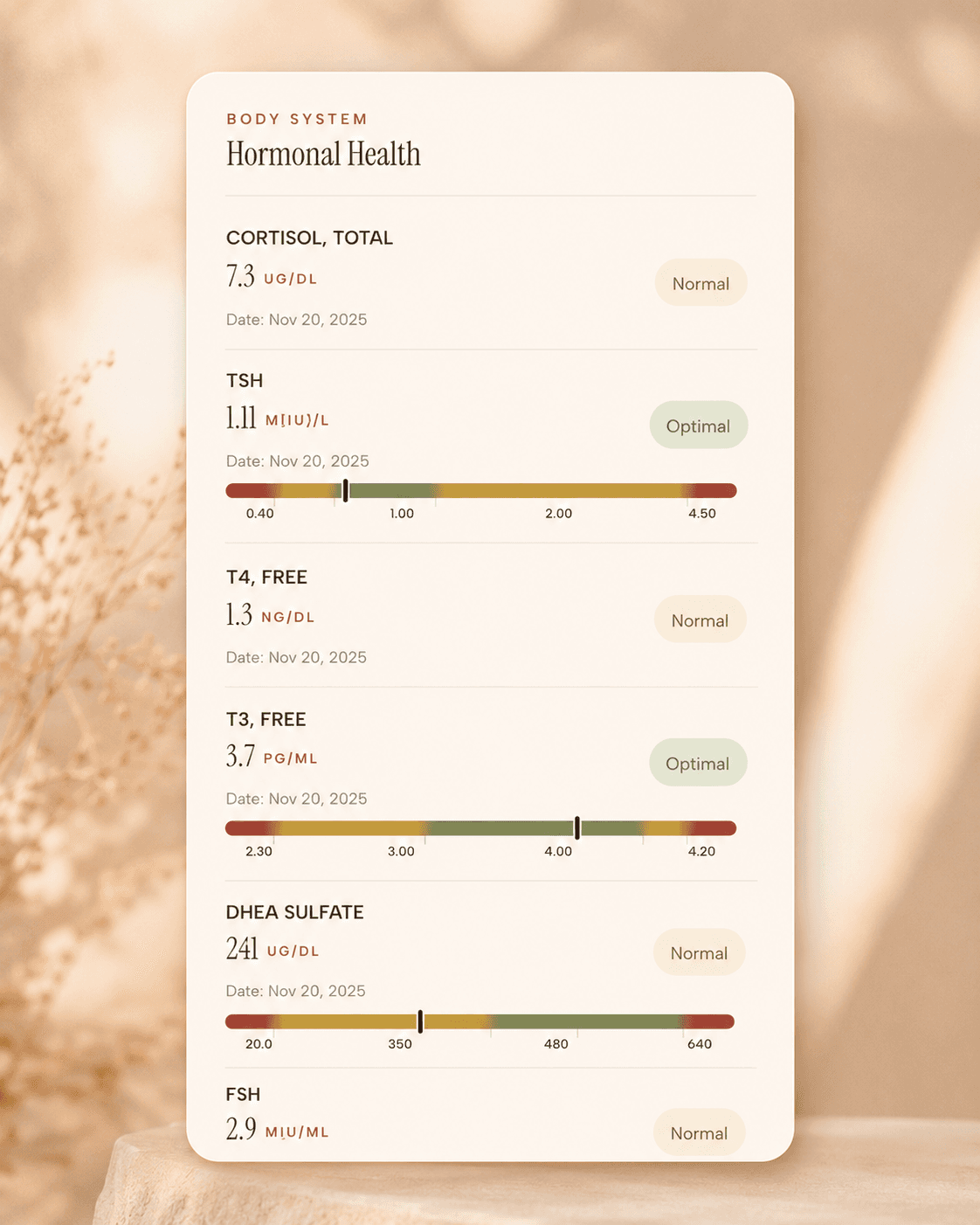
When your thyroid is underactive, your skin cells turn over more slowly and your oil and sweat production can drop, which leaves skin rough, flaky, and sometimes pale or puffy. You might also notice constipation, feeling cold when others are fine, or thinning hair along with the dryness. If dryness is new and stubborn despite good barrier care, checking a thyroid-stimulating hormone test (TSH) is a reasonable next step.
Hormone shifts reduce skin oils
In perimenopause and menopause, falling estrogen can reduce the natural oils and water-holding molecules that keep skin supple. The result is dryness that shows up on the face, shins, and forearms, plus more fine lines and irritation from products you used for years. If this timing fits you, you will usually do best with gentler cleansing, richer moisturizers, and a conversation with a clinician about whether symptoms like hot flashes or irregular cycles suggest a broader hormone transition.
What actually helps dry skin (without guesswork)
Switch to a gentle cleanser
If your cleanser leaves your skin squeaky, it is usually too stripping for dry skin. Use a fragrance-free, non-foaming cleanser for your face and a mild body wash for everything else, and keep showers warm rather than hot. You should feel comfortable right after washing, not tight and desperate for lotion.
Moisturize like a barrier repair
Lotions feel nice, but very dry skin often needs a cream or ointment that contains ceramides and petrolatum to plug the leak. Apply it right after washing while your skin is still slightly damp, because that traps water where you want it. If your hands crack, put a thick layer on at night and wear cotton gloves for 30 minutes so it actually stays put.
Use urea or lactic acid for flakes
When dryness comes with rough, scaly buildup, you often need gentle chemical softeners rather than more layers of moisturizer. Urea (around 10%) or lactic acid (around 5–12%) helps loosen dead skin so your moisturizer can penetrate and your skin feels smoother in days, not weeks. Start every other day, because overdoing it can sting if your barrier is already irritated.
Protect hands from work irritants
If your job involves frequent sanitizing, cleaning, or glove use, your hands can develop irritant dermatitis that looks like “just dryness” until it cracks. Keep a small tube of thick, fragrance-free hand cream at your desk and apply after every wash, and consider switching to a gentler soap when you can. If gloves are part of your work, a cotton liner under nitrile gloves can reduce sweating and friction that worsen irritation.
Treat inflammation when it’s eczema
If you have red, itchy patches that keep returning, moisturizing alone is usually not enough because the main problem is inflammation. Short, targeted treatment with a prescription anti-inflammatory cream can calm the flare so your barrier routine can maintain it afterward. A good rule is that if itch is waking you up or you are scratching until you bleed, it is time to get help rather than trying a tenth moisturizer.
Useful biomarkers to discuss with your clinician
TSH
TSH is the master regulator of thyroid function, controlling the production of thyroid hormones T4 and T3. In functional medicine, we use narrower TSH ranges than conventional medicine to identify subclinical thyroid dysfunction early. Even mildly elevated TSH can indicate thyroid insufficiency, leading to fatigue, weight gain, depression, and metabolic dysfunction. TSH levels are influenced by stress, nutrient deficiencies, autoimmune conditions, and environmental toxins. Optimal TSH supports energy, metabolism…
Learn moreVitamin D, 25-Oh, Total
Total 25-hydroxyvitamin D represents the best measure of vitamin D status, combining both D2 and D3 forms. This is the storage form of vitamin D and reflects recent intake and synthesis. In functional medicine, total 25(OH)D is used to assess vitamin D sufficiency and guide supplementation. Optimal levels (40-80 ng/mL) are associated with reduced risk of cancer, cardiovascular disease, autoimmune conditions, and all-cause mortality. Vitamin D acts as a hormone affecting immune function, bone health, mood, and ce…
Learn moreFerritin
Ferritin is your body's iron storage protein, reflecting total iron stores in the body. In functional medicine, ferritin assessment is crucial for identifying both iron deficiency and iron overload, conditions that can significantly impact energy levels and overall health. Low ferritin is the earliest sign of iron deficiency, often occurring before anemia develops. This can cause fatigue, weakness, restless leg syndrome, and cognitive impairment. Conversely, elevated ferritin may indicate iron overload, inflamma…
Learn moreLab testing
Check TSH, ferritin, and vitamin D at Quest
starting from $99 panel with 100+ tests, one visit
No referral needed
About 1 week
Schedule online — results typically within a week
Clear next steps
Guidance included, with follow-up care available
HSA / FSA
Eligible for pre-tax health spending accounts
Pro Tips
Do a 7-day “hand audit”: count how many times you wash or sanitize at work, then commit to moisturizing after every single one for a week. If your cracking improves fast, your main problem is barrier stripping, not a mysterious internal issue.
If your face feels tight by noon, try rinsing with lukewarm water in the morning and cleansing only at night. Many working women over-cleanse without realizing it, especially if they wear makeup or sunscreen daily.
Keep one product in your bag that you only use on the worst spots, like shins or knuckles, and make it an ointment rather than a lotion. You want something that leaves a slight protective film, because that is what stops water loss.
If you use retinoids or acne products, pause them for two weeks while you rebuild your barrier, then restart every third night with moisturizer underneath. Dry, irritated skin cannot “push through” actives the way oily skin sometimes can.
Take a clear photo of the driest area on a good day and a bad day, and note what changed in the 48 hours before the flare. Patterns like new sanitizer, travel, or a stressful week often jump out when you see it side by side.
Frequently Asked Questions
Why is my skin suddenly so dry even though I moisturize?
Most of the time, your moisturizer is not the problem — your skin barrier is. Frequent washing, hot showers, and dry indoor air can make your skin lose water faster than a light lotion can replace it, so you feel dry again within hours. Switch to a gentle cleanser and use a thicker cream or ointment right after washing for two weeks, and consider checking TSH if dryness is new and stubborn.
Can stress from work cause dry skin?
Yes, stress can worsen dryness because it increases inflammation and can disrupt your skin barrier, which makes you itchier and more reactive to products. Stress also tends to change habits, like hotter showers or more face washing, which quietly strips oils. If your flares track with deadlines, focus on barrier repair and treat itch early so you do not get stuck in the itch-scratch cycle.
What vitamin deficiency causes dry skin in women?
Low vitamin D is commonly discussed because it affects skin immune balance, and low iron stores can make skin look dull while also causing brittle nails and hair shedding. A blood test for 25-hydroxy vitamin D and ferritin can show whether either is likely contributing. If you supplement, recheck levels in about 8–12 weeks so you are not guessing.
How do I know if my dry skin is eczema or just dryness?
Simple dryness usually feels tight and flaky but is not intensely itchy, and it improves steadily with thick moisturizers. Eczema tends to itch a lot, forms red patches, and flares in specific areas like hands, eyelids, and elbow creases, especially after irritants or stress. If itch wakes you up or you are getting cracks that bleed, treat it as eczema and get targeted help rather than cycling through random lotions.
What blood tests should I ask for if my skin is very dry?
If dryness is persistent or comes with fatigue, hair thinning, or feeling cold, start with TSH to screen for thyroid slowdown. Ferritin can be useful when you also have brittle nails or shedding hair, and 25-hydroxy vitamin D can help if you work indoors or have eczema flares. Bring your symptom timeline and any photos to your appointment so the results can be interpreted in context.