Symptoms of High Basophils: Causes, Ranges, and What to Do
High basophils usually mean allergy inflammation or chronic irritation; typical absolute range is ~0.0–0.2 ×10^9/L. Retest at Quest, no referral needed.






High basophils (basophilia) most often mean your immune system is reacting to something, such as allergies, chronic inflammation, or certain infections. Many people with mildly high basophils feel nothing from the basophils themselves, and the “why” usually shows up in the rest of your CBC differential and your symptoms. One result rarely tells the whole story, so trends and context matter. Basophils are one of your white blood cell types. They are small in number, but they can release histamine and other signals that amplify allergic-type inflammation, which is why they sometimes rise in people with seasonal allergies, asthma, eczema, or chronic sinus issues. Basophils can also rise in some autoimmune conditions and, less commonly, certain bone marrow (blood-forming) disorders. In this guide, you’ll learn what a high basophil result usually means, what you might notice, what commonly causes it, and what to do next—including how to use PocketMD to make sense of your specific CBC and how to retest a full CBC with differential through VitalsVault if you need to confirm the pattern.
Why Are Your Basophils High?
Allergies and atopic conditions
Basophils participate in allergic-type inflammation by releasing histamine and signaling molecules. If you have seasonal allergies, allergic rhinitis, asthma, or eczema, your immune system can stay “revved up,” and basophils may drift above range. This is especially likely if you also have high eosinophils or an elevated IgE level on other testing.
Chronic inflammation or autoimmune disease
Some autoimmune and inflammatory conditions can increase multiple white blood cell signals, including basophils. The basophil rise is not usually the main problem; it is more of a clue that your immune system is activated. If your basophils are high along with symptoms like joint swelling, rashes, mouth ulcers, or persistent fatigue, it is worth looking at the whole clinical picture with your clinician.
Infections and recovery after illness
Certain infections and inflammatory states can temporarily shift your white blood cell mix. Basophils may rise during recovery phases or with ongoing irritation in the airways or gut. A single mild elevation often settles on its own, so a repeat CBC in a few weeks can help you see whether it was a transient blip.
Medication effects or immune stimulation
Some medications can change white blood cell counts indirectly by triggering allergy-like reactions, altering immune signaling, or affecting bone marrow activity. If your basophils rose soon after starting a new drug or supplement and you also developed rash, itching, wheezing, or swelling, treat that as a timing clue. Do not stop prescription medications on your own, but do tell the prescriber about the lab change and any new symptoms.
Thyroid disease (especially low thyroid)
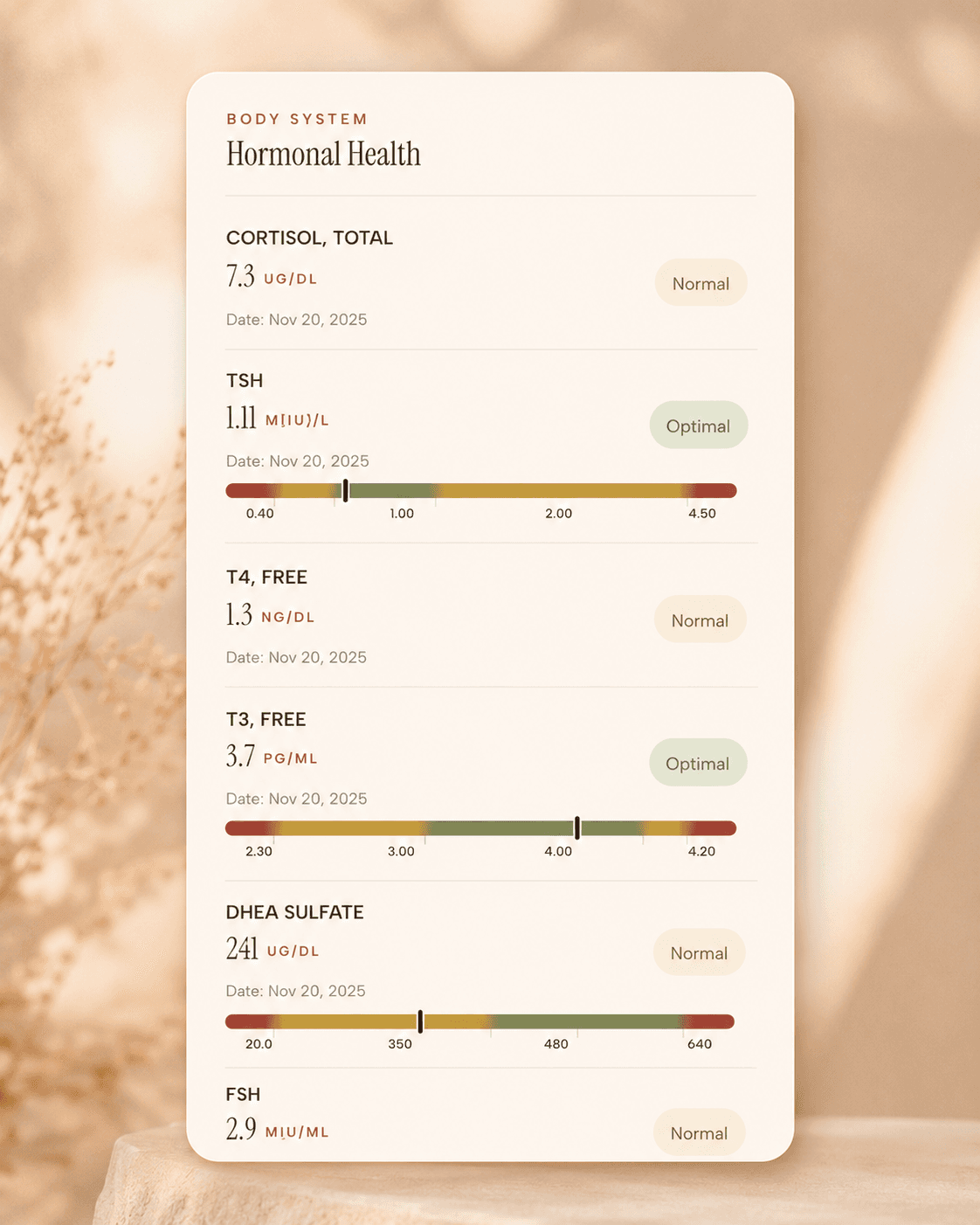
Hypothyroidism (an underactive thyroid) has been associated with basophilia in some people. The mechanism is not always straightforward, but the pattern can appear alongside fatigue, cold intolerance, constipation, and weight gain. If your basophils are high and you have thyroid symptoms, checking TSH and free T4 can be a practical next step.
Bone marrow disorders (less common, but important)
Persistent, clearly elevated basophils—especially when other CBC lines are abnormal—can be a sign of a myeloproliferative neoplasm (a bone marrow overproduction condition), such as chronic myeloid leukemia (CML). This is not the most common reason for a borderline-high result, but it is the reason clinicians take sustained basophilia seriously. Red flags include very high total white blood cells, anemia, high platelets, or an enlarged spleen.
Normal basophil levels on a CBC differential
Reference intervals differ by laboratory, assay, age, and sex — use your report's own columns as primary.
| Measure | Typical range (adult, general) | Notes |
|---|---|---|
| Basophils (absolute) | 0.0–0.2 ×10^9/L (0–200 cells/µL) | Some labs use 0.0–0.1 ×10^9/L; VitalsVault optimal (functional): ~0.0–0.1 ×10^9/L when you feel well and other WBC lines are normal. |
| Basophils (%) | ~0–1% (sometimes up to 2%) | Percent can look “high” if other white cells are low; absolute basophils is usually more informative. |
What You Might Notice When Basophils Are High
No obvious symptoms at all
Basophils are a lab clue more than a symptom generator, especially when they are only mildly elevated. Many people find out about high basophils only because a CBC was ordered for a checkup or another issue. In that situation, your next step is usually to look for a cause rather than to “treat the number.”
Itching, hives, or skin flares
Because basophils can release histamine, high basophils can show up alongside allergy symptoms like itching, hives, or eczema flares. The skin symptoms are not specific to basophils, but the combination can point toward allergic inflammation as the driver. If you notice a new rash plus a new medication or food exposure, the timing matters.
Sneezing, congestion, or chronic sinus symptoms
Allergic rhinitis and chronic nasal inflammation can go with higher basophils, especially during peak pollen seasons or ongoing indoor triggers (dust mites, pets, mold). You might notice post-nasal drip, sinus pressure, or frequent throat clearing. Basophils alone do not diagnose allergies, but they can support the story when your symptoms fit.
Wheezing or asthma symptoms
In some people, allergic airway inflammation is associated with basophil activation. You might notice chest tightness, cough, or wheeze that comes and goes with triggers. If breathing symptoms are new, worsening, or waking you at night, that is a reason to get evaluated even if the basophil elevation is mild.
Fatigue or “run down” feeling from the underlying cause
Fatigue is common in chronic inflammation, thyroid disease, and prolonged infections, and those same conditions can be associated with higher basophils. The fatigue is not caused by basophils directly, but your CBC can be a useful prompt to look for the root issue. Pay attention to other CBC findings like anemia (low hemoglobin) or high total white blood cells.
How to Bring Basophils Back Toward Normal
Treat the allergy trigger you can identify
If your symptoms and history point to allergies, reducing exposure (pollen precautions, dust-mite covers, HEPA filtration, mold remediation) can lower the immune “signal” that keeps basophils elevated. Over-the-counter options like non-sedating antihistamines or intranasal steroid sprays can help some people, but the best choice depends on your symptoms and other conditions. If your basophils are high mainly during certain seasons, tracking your CBC alongside symptom timing can be very clarifying.
Address chronic inflammation with a specific plan
Basophils tend to normalize when the underlying inflammatory condition is controlled, whether that is eczema, asthma, autoimmune disease, or chronic sinusitis. The practical step is to work with a clinician to define what is inflamed and why, rather than adding random supplements. If your basophils stay high, a repeat CBC plus targeted tests (like thyroid labs or inflammatory markers) often gives a clearer direction.
Review new medications and recent reactions
If the timing lines up with a new medication, vaccine, or supplement—and you also had rash, itching, swelling, or breathing changes—tell your prescriber promptly. The goal is not to “detox,” but to identify a true drug reaction or intolerance and choose safer alternatives. Bring your lab report and the start dates of anything new so the conversation is concrete.
Retest to confirm it’s persistent (and use absolute counts)
Basophils are low-volume cells, so small shifts can look dramatic on paper, especially when reported as a percentage. A repeat CBC with differential in about 4–8 weeks (or sooner if your clinician advises) helps distinguish a temporary immune blip from a persistent pattern. When you compare results, focus on absolute basophils and the total WBC, not just the percent.
Escalate quickly if other CBC lines are abnormal
If high basophils come with very high total white blood cells, anemia, high platelets, or unexplained weight loss/night sweats, you should not try to manage this with lifestyle steps alone. Those combinations can require a hematology workup, sometimes including a peripheral smear and molecular testing (such as BCR-ABL1 for CML). The earlier you clarify the pattern, the more options you have.
Other Tests That Give Context to High Basophils
White Blood Cell Count
White blood cell count (WBC) measures the total number of immune cells and is fundamental for assessing immune system health. In functional medicine, WBC count reflects immune system activity, infection status, and overall health resilience. Low WBC may indicate immunosuppression, nutritional deficiencies, or bone marrow dysfunction. High WBC suggests infection, inflammation, stress, or hematologic conditions. The WBC differential provides detailed information about specific immune cell types and their functions…
Learn moreEosinophils
Eosinophils are specialized white blood cells primarily involved in combating parasitic infections and mediating allergic reactions. In functional medicine, eosinophil percentage helps identify allergic conditions, parasitic infections, and certain autoimmune disorders. These cells contain granules filled with toxic proteins that can damage parasites but also contribute to tissue damage in allergic diseases like asthma and eczema. Elevated eosinophils often indicate allergic reactions, parasitic infections, or c…
Learn moreAbsolute Eosinophils
Absolute eosinophil count measures cells involved in allergic reactions and parasitic infections. In functional medicine, elevated eosinophils indicate allergies, asthma, parasites, or certain autoimmune conditions. Very high counts may indicate hypereosinophilic syndromes requiring immediate attention. Absolute eosinophil count indicates allergic reactions, parasites, and certain inflammatory conditions.
Learn moreLab testing
Want to confirm the pattern? Track basophils with a repeat CBC with differential at Quest
starting from $99 panel with 100+ tests, no referral needed
About 1 week
Schedule online — results typically within a week
Clear next steps
Guidance included, with follow-up care available
HSA / FSA
Eligible for pre-tax health spending accounts
When to see a doctor
If your absolute basophils are persistently above about 0.2 ×10^9/L (200 cells/µL) on repeat testing, or if high basophils come with very high WBC, anemia, high platelets, unexplained fevers/night sweats, or unintentional weight loss, schedule a medical evaluation—those combinations can warrant a hematology workup. If you have new or worsening wheeze, swelling of the lips/face, or trouble breathing, seek urgent care. Tracking your CBC differential over time (basophils plus eosinophils, neutrophils, lymphocytes, and total WBC) helps put one flagged number into a clearer whole-body context.
Frequently Asked Questions
Is a high basophil count dangerous?
A mildly high basophil count is often not dangerous by itself and is commonly linked to allergies or chronic inflammation. The concern rises when basophils are clearly elevated on repeat tests or when other CBC lines are abnormal (very high WBC, anemia, or high platelets). If it persists, ask your clinician what the absolute basophil count is and whether a repeat CBC or additional testing is needed.
Can allergies cause high basophils?
Yes. Basophils are involved in allergic-type inflammation and can rise with seasonal allergies, asthma, and eczema, especially when symptoms are active. If your basophils are high and your eosinophils are also elevated, that combination often supports an allergy-driven pattern. Managing triggers and retesting after symptoms improve can show whether the elevation was temporary.
What’s the difference between basophils percent and absolute basophils?
Basophils percent is the share of basophils among your white blood cells, while absolute basophils is the actual number of basophils in a given blood volume. Percent can look high when other white cells are low, even if the absolute basophil count is normal. For most decisions, the absolute basophil count is the more reliable number to follow.
Does high basophils mean leukemia?
Not usually. Most high basophil results are due to allergies, inflammation, or other non-cancer causes, especially when the elevation is small. However, persistent basophilia with very high WBC or other abnormal blood counts can be seen in conditions like chronic myeloid leukemia (CML), which is why repeat testing and the full CBC pattern matter.
How long does it take for basophils to go back to normal?
If the cause is temporary—like a short-lived infection flare or a seasonal allergy spike—basophils may normalize within a few weeks. If the driver is ongoing (uncontrolled allergies, chronic inflammation, thyroid disease), the count may stay elevated until that issue is treated. A repeat CBC with differential in about 4–8 weeks is a common way to check whether the change is persistent.