Slow Metabolism in Teenagers: What It Usually Means
Slow metabolism in teenagers is usually from thyroid slowdown, insulin resistance, or under-fueling from dieting. Targeted labs available—no referral needed.





A “slow metabolism” in your teen years is usually not a broken body—it is your hormones and energy balance adapting to something specific, like an underactive thyroid, early insulin resistance, or chronic under-fueling from dieting and overtraining. Those issues can make weight loss feel impossible, leave you tired and cold, and make your appetite and cravings feel louder than your willpower. The good news is that a few targeted blood tests can often show which pattern fits you. Teen bodies are still building bone, brain, and muscle, which means your metabolism is supposed to be dynamic. That is why the same plan that worked for a friend can backfire for you, especially if you are sleeping less, stressed, or bouncing between restriction and “making up for it” later. This article walks you through the most common reasons teens feel like their metabolism is slow, what actually helps in real life, and which labs can clarify the picture. If you want help connecting your symptoms to a next step, PocketMD can talk it through with you, and Vitals Vault labs can help you test the most relevant markers without turning this into a months-long guessing game.
Why “slow metabolism” happens in teens
Underactive thyroid (hypothyroidism)
Your thyroid acts like a volume knob for how fast your cells use energy, and when it turns down, you can feel tired, cold, puffy, and mentally foggy. Weight can creep up even if you are not eating more, partly because you hold onto more water and partly because your daily energy burn drops. If you also have constipation, dry skin, or heavier periods, it is worth checking thyroid labs rather than assuming it is “just genetics.”
Insulin resistance starting early
Insulin is the hormone that moves sugar from your blood into your muscles and liver, but when your cells stop listening well, your body makes more insulin to compensate. High insulin makes it easier to store energy and harder to tap into stored fat, which can feel like you are doing everything right and nothing changes. This pattern often shows up with strong carb cravings, afternoon crashes, or darker velvety skin in body folds, and it responds best to strength training and smarter carb timing—not starvation.
Not eating enough for too long
If you have been dieting hard, skipping meals, or training a lot without enough food, your body adapts by spending less energy on “non-urgent” things. You might notice you are colder, your sleep gets lighter, your mood is shorter, and your workouts feel harder than they used to. The takeaway is uncomfortable but important: sometimes the fastest way to restart progress is to stop the chronic deficit and rebuild consistency with enough protein and regular meals.
Sleep debt and stress hormones
When you are short on sleep, your hunger signals get louder and your fullness signals get quieter, which can make you feel like you are always thinking about food. Stress also pushes your body toward quick energy, which can increase snacking and make your blood sugar swing more. If your “slow metabolism” started around a busy school season, a new job, or anxiety, improving sleep and stress routines can change your weight trajectory more than adding extra cardio.
Normal puberty changes and body recomposition
During puberty, your body is not just getting taller—it is changing where it stores fat, how much muscle you carry, and how your appetite is regulated. That can look like sudden weight gain or a plateau even if you are active, especially for girls as estrogen rises and hips and thighs develop. A helpful check is whether your strength, energy, and periods are stable; if they are, you may be seeing normal development rather than a “broken metabolism.”
What actually helps (without extremes)
Build meals around protein first
Protein is the easiest lever for feeling full without feeling deprived, and it also supports muscle, which is the tissue that burns the most energy at rest. Aim for a protein anchor at breakfast and lunch so you are not fighting cravings by mid-afternoon. If you do not know where to start, try adding one palm-sized protein serving to the meals you already eat for two weeks and watch your snacking urges change.
Lift weights 2–4 days weekly
Strength training tells your body to keep or build muscle even if your weight is not changing yet, which improves how you handle carbs and makes your metabolism more resilient. You do not need fancy programming; you need progressive effort on basics like squats, hinges, pushes, and pulls. Track one or two lifts and try to add a little weight or a rep each week, because progress is the signal your body understands.
Stop the restrict-then-rebound cycle
If you are alternating between strict rules and “blow it” days, your weekly average intake often ends up higher than you think, and your hunger becomes harder to trust. A steadier plan feels less dramatic, but it works because your body stops bracing for famine. Pick one change you can do on your worst day—like a normal breakfast and a planned afternoon snack—and build from there.
Fix sleep like it is training
For metabolism, sleep is not optional recovery—it is hormone regulation. A realistic target is 8–10 hours for teens, but even moving bedtime earlier by 30–60 minutes can reduce late-night cravings and improve morning energy. If you struggle to fall asleep, try a consistent “lights down” time and keep your phone across the room so your brain actually gets the message to power down.
Treat the medical cause when present
If labs show true hypothyroidism, treating it can improve energy, constipation, and cold intolerance, and it can make weight management feel fair again. If insulin resistance is the driver, a clinician may focus on nutrition and activity first, and sometimes consider medication in specific cases. The point is that you should not have to white-knuckle a hormone problem, so bring your symptoms and results to a clinician who takes teen health seriously.
Useful biomarkers to discuss with your clinician
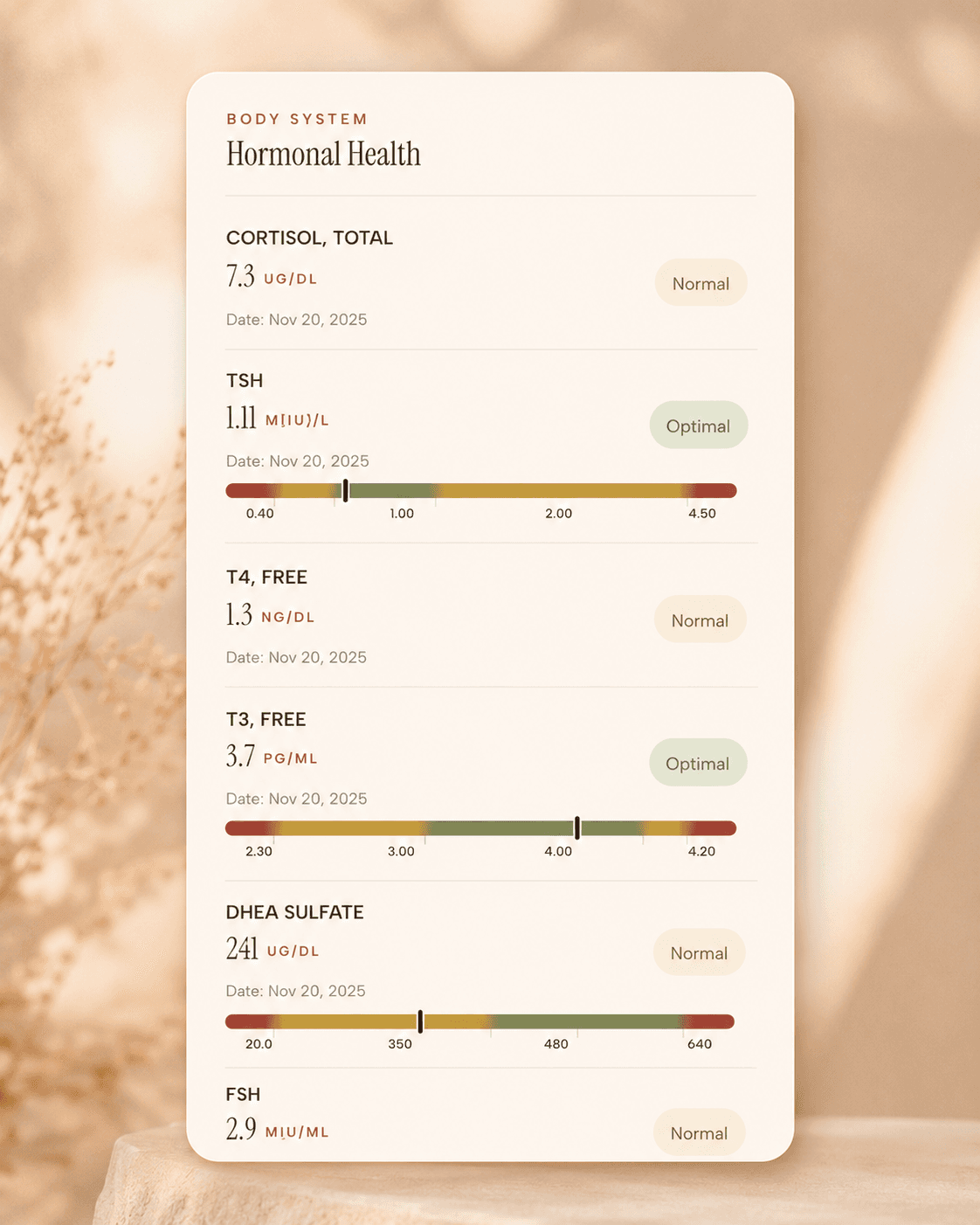
TSH
TSH is the master regulator of thyroid function, controlling the production of thyroid hormones T4 and T3. In functional medicine, we use narrower TSH ranges than conventional medicine to identify subclinical thyroid dysfunction early. Even mildly elevated TSH can indicate thyroid insufficiency, leading to fatigue, weight gain, depression, and metabolic dysfunction. TSH levels are influenced by stress, nutrient deficiencies, autoimmune conditions, and environmental toxins. Optimal TSH supports energy, metabolism…
Learn moreInsulin
Insulin is a master metabolic hormone that regulates glucose uptake, fat storage, and numerous cellular processes. In functional medicine, fasting insulin levels are one of the earliest and most sensitive markers of metabolic dysfunction. Elevated insulin (hyperinsulinemia) often precedes diabetes by years or decades and is central to metabolic syndrome. High insulin levels promote fat storage, inflammation, and contribute to numerous chronic diseases including cardiovascular disease, PCOS, and certain cancers.…
Learn moreGlucose
Fasting glucose is a fundamental marker of glucose metabolism and insulin function. In functional medicine, we recognize that even 'normal' glucose levels in the upper range may indicate early insulin resistance. Optimal fasting glucose reflects efficient glucose regulation and insulin sensitivity. Elevated fasting glucose suggests the body's inability to maintain normal glucose levels overnight, indicating hepatic insulin resistance or insufficient insulin production. This marker is essential for early detectio…
Learn moreLab testing
Check TSH, free T4, fasting insulin, and A1c at Quest
starting from $99 panel with 100+ tests, one visit
No referral needed
About 1 week
Schedule online — results typically within a week
Clear next steps
Guidance included, with follow-up care available
HSA / FSA
Eligible for pre-tax health spending accounts
Pro Tips
Do a two-week “reality check” log: write down your sleep time, steps, and one sentence about how hard your workouts felt. If your sleep is under 7 hours most nights, fix that first because it can mimic a slow metabolism.
If you always skip breakfast, try a protein-forward breakfast for 10 days (for example, Greek yogurt plus fruit, eggs, or a protein smoothie). If your afternoon cravings drop, your issue was likely appetite hormones and blood sugar swings, not willpower.
Use the “strength marker” test: pick one lift or bodyweight move and track it weekly. If your strength is rising while your waist stays the same, you are likely recomposing (more muscle, less fat) even if the scale is stubborn.
If you suspect under-fueling, add 200–300 calories per day for two weeks using protein and fiber, not sweets. If your energy and training performance improve and your weight does not jump, you just proved your body was running on low power mode.
When you get labs, write your top three symptoms next to the numbers before you talk to anyone. It keeps the conversation focused on how you feel, not just whether the result is barely inside a reference range.
Frequently Asked Questions
Can a teenager really have a slow metabolism?
Yes, but it is usually a specific pattern rather than a permanently “slow” body. The most common medical contributor is an underactive thyroid, and the most common lifestyle contributor is chronic under-eating paired with stress and poor sleep. If you have fatigue, cold intolerance, constipation, or heavy periods, ask about checking TSH and free T4.
Why can’t I lose weight even though I exercise?
If you are training hard but not seeing changes, you might be under-fueling and then rebounding with extra calories later, or you might be building muscle while holding water from stress and soreness. Another common reason is early insulin resistance, which makes cravings stronger and fat loss slower even with workouts. A fasting insulin test can help clarify whether that is part of your picture.
What thyroid numbers matter for slow metabolism symptoms?
TSH and free T4 are the core starting points because they show the signal to the thyroid and the hormone your tissues actually use. A high TSH with a low free T4 supports hypothyroidism, which can cause fatigue, cold intolerance, and weight gain. If your symptoms are strong but results are borderline, ask your clinician how your values compare to your age and whether repeat testing is appropriate.
Is it normal to gain weight during puberty?
Some gain is normal because your body is growing and changing shape, and fat distribution shifts during puberty. What is not “just puberty” is rapid gain with severe fatigue, feeling cold all the time, or major changes in periods, hair, or skin. If those are happening, it is worth checking thyroid labs and talking with a clinician rather than blaming yourself.
What is the best diet for a teen with a slow metabolism?
The best plan is the one that stops the restrict-then-rebound cycle and supports growth, sleep, and training. Most teens do better when each meal has a protein anchor and when carbs are paired with fiber and activity, because that steadies hunger and insulin. If you want a more personalized plan, bring a short symptom history and a few key labs (TSH, free T4, and fasting insulin) to a clinician or dietitian.