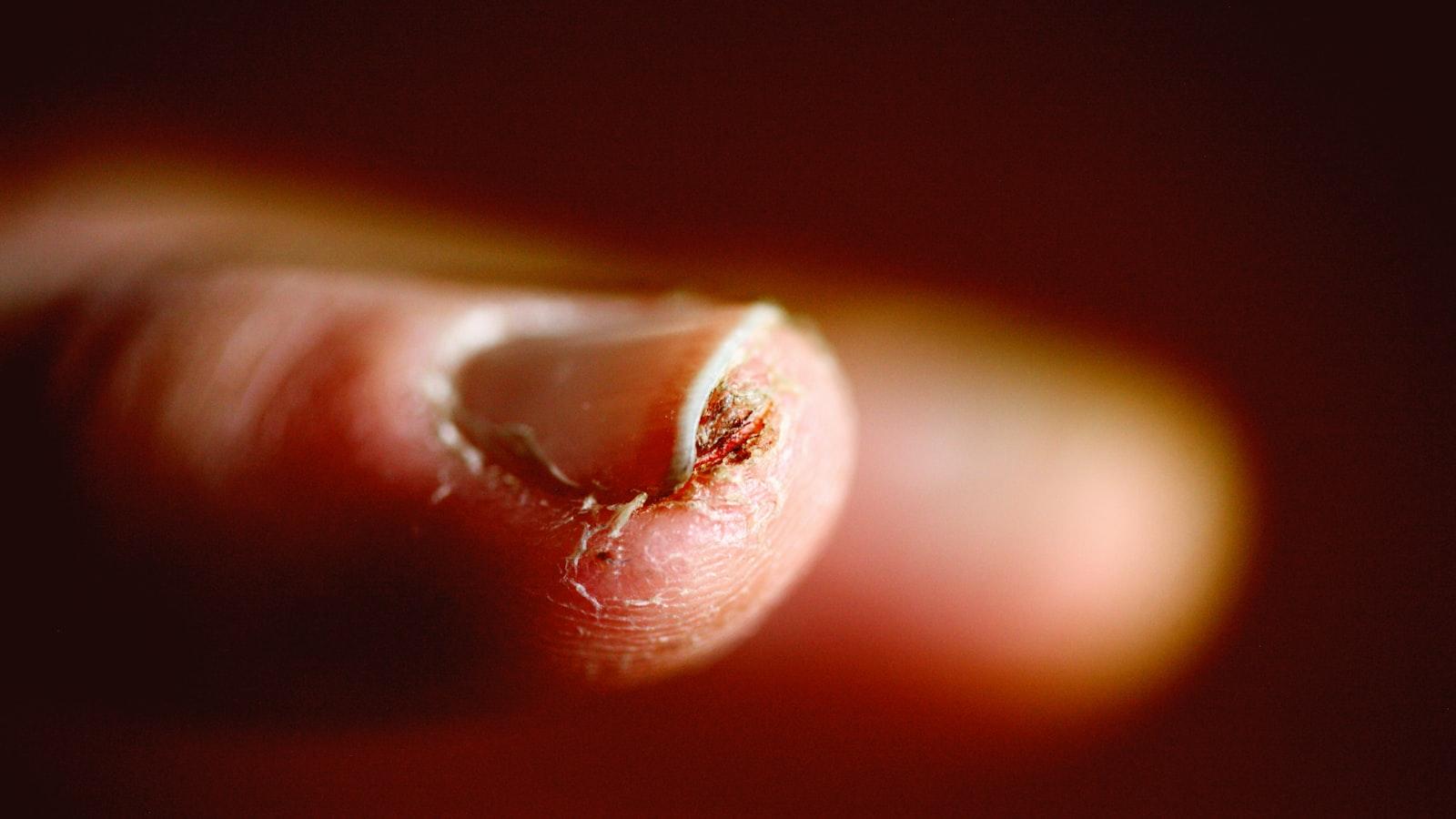
Why You Look Pale With Depression (And When It’s Not “Just Stress”)
Pale skin with depression often comes from iron-deficiency anemia, low B12, or thyroid slowdown. Targeted blood tests available—no referral needed.





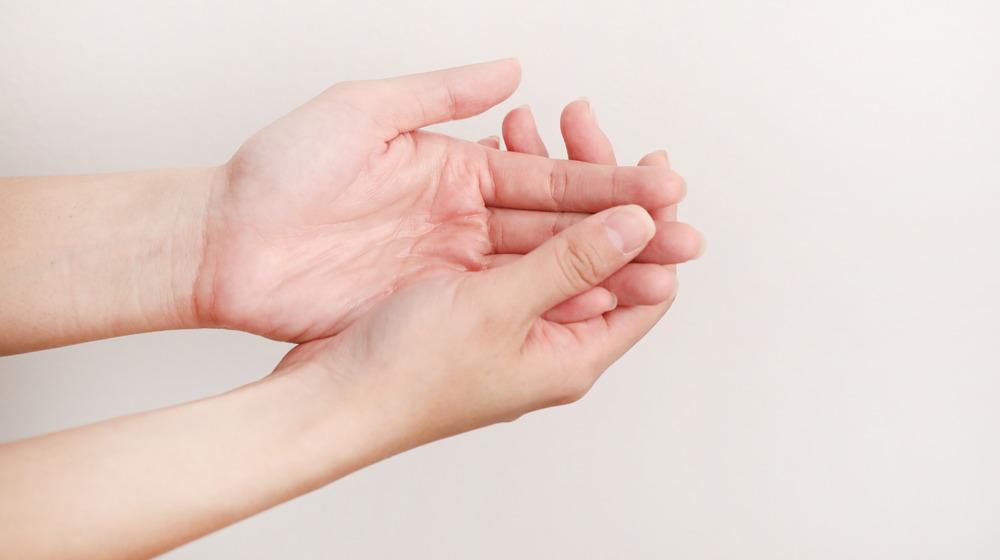
Pale skin with depression is often your body signaling a low-oxygen or low-energy state, most commonly from iron-deficiency anemia, low vitamin B12, or an underactive thyroid. Any of these can make you look washed out while also dragging down mood, motivation, and focus. Simple blood tests can usually tell which one fits your situation. Depression can absolutely change how you eat, sleep, and move, and that can ripple into nutrient deficits and hormone shifts that show up in your face and hands. But pallor can also be the first visible clue of a medical issue that deserves treatment, not willpower. In this guide, you’ll learn the most common reasons you look pale when you’re depressed, what helps in real life, and which labs are most useful. If you want help sorting your symptoms into a plan, PocketMD can talk it through with you, and Vitals Vault labs can help confirm what your body is missing.
Why you look pale with depression
Iron deficiency lowers skin color
When your iron stores run low, you make less hemoglobin, which is the protein that gives blood its red color and carries oxygen. Less “red” showing through the tiny vessels in your skin can make you look pale, especially in your lips, inner eyelids, and nail beds. Iron deficiency can also mimic or worsen depression because your brain is working with less oxygen and less efficient energy production. A practical clue is that you may also feel unusually winded on stairs or notice restless legs at night.
Low B12 affects mood and blood
Vitamin B12 helps you build healthy red blood cells and maintain nerve function, which means low levels can show up as both pallor and a “flat,” slowed-down mood. You might also notice tingling in your hands or feet, a sore tongue, or brain fog that feels different from typical depression. B12 can drop if you eat very little animal protein, have stomach or gut absorption problems, or take certain acid-suppressing medicines long term. If this cause fits, treating it matters because nerve symptoms can become harder to reverse the longer they go on.
Thyroid slowdown dulls circulation
An underactive thyroid (hypothyroidism) slows many body systems, including how quickly your heart pumps and how your skin renews itself. That can leave you looking pale or “puffy,” while also causing low mood, low drive, constipation, and feeling cold when others are fine. This overlap is why thyroid testing is a common step when depression comes with physical changes. If you’ve also gained weight without trying or your hair is thinning, it’s worth putting thyroid on the shortlist.
Not eating enough, for long enough
Depression can shrink your appetite or make food feel like work, and over weeks that can lead to low iron intake, low B12 intake, and low overall protein. Even before labs turn clearly abnormal, your body may conserve energy by pulling blood flow away from the skin, which can make you look washed out. This is especially common if you’re skipping breakfast, living on snacks, or going through periods where you “forget to eat.” The takeaway is not guilt — it’s that your pallor may be a measurable nutrition problem with a fixable plan.
Hidden blood loss or inflammation
Sometimes pallor is your body quietly losing blood or struggling to use iron because of ongoing inflammation. Heavy periods, frequent nosebleeds, bleeding hemorrhoids, stomach ulcers, and even regular blood donation can drain iron faster than you replace it. Chronic inflammatory conditions can also trap iron in storage so it is not available to make healthy red blood cells, which can leave you tired and pale even if you’re eating “enough iron.” If you’re seeing black stools, vomiting blood, fainting, or having chest pain with shortness of breath, that is urgent and you should get care right away.
What actually helps (starting today)
Do a quick “pallor check”
Look at your lower eyelid (pull it down gently) and your nail beds in natural light, because those areas show anemia more reliably than your cheeks. If they look unusually pale compared with your normal, take a photo today and another in two weeks so you can see change instead of guessing. Bring those photos to a clinician visit or to a PocketMD chat, because they help anchor the timeline. If you feel dizzy when standing or you’re getting new shortness of breath, don’t wait two weeks.
If iron is likely, pair it right
If your diet has been low in iron, start by adding one iron-rich food daily and pairing it with vitamin C, because that improves absorption. For example, you can do lentils with lemon, beef with bell peppers, or spinach with strawberries, and you’ll often notice energy changes before your skin color fully returns. Try not to take iron-rich meals with tea or coffee, because they can block absorption. If you’re considering supplements, it’s smarter to check ferritin first so you’re not treating the wrong problem.
Support B12 without guessing
If you’re vegan, vegetarian, or eating very little, B12 is one of the easiest deficiencies to miss because symptoms can be subtle at first. A daily B12 supplement is generally safe for most people, but it still helps to measure your level so you know whether you need a higher-dose plan and follow-up. If you have numbness, tingling, or balance changes, treat that as a “don’t delay” signal. Those nerve symptoms are a strong reason to get labs soon rather than trying to power through.
Treat sleep like a medical lever
When depression disrupts sleep, your stress hormones rise and your appetite cues get distorted, which makes it easier to slide into under-eating and nutrient gaps. Pick one sleep anchor for the next 7 nights: a fixed wake time, even on weekends, because it resets your body clock faster than forcing an early bedtime. If you’re waking at 3–4 a.m. with a racing mind, write down the thought in one sentence and tell yourself you’ll revisit it tomorrow, because that simple “containment” trick often shortens the wake period. Better sleep will not cure anemia, but it makes your recovery plan actually stick.
Know when pallor needs fast care
Paleness is more concerning when it comes with fainting, chest pain, new severe shortness of breath, a very fast heartbeat at rest, or black or bloody stools. Those combinations can point to significant anemia or bleeding that should be evaluated urgently. If you’re a parent and your child is pale with unusual sleepiness, rapid breathing, or poor feeding, it’s also worth prompt assessment. When in doubt, err on the side of being seen, because severe anemia is treatable but not something to “wait out.”
Useful biomarkers to discuss with your clinician
Iron, Total
Serum iron measures the amount of iron circulating in your blood at the time of testing. In functional medicine, we recognize that serum iron alone provides limited information about iron status, as it fluctuates throughout the day and is affected by recent iron intake, inflammation, and diurnal variation. However, when combined with other iron studies, it helps assess iron metabolism and transport. Iron is essential for oxygen transport, energy production, DNA synthesis, and immune function. Optimal serum iron…
Learn moreVitamin B12
Vitamin B12 (cobalamin) is essential for DNA synthesis, red blood cell formation, neurological function, and energy metabolism. In functional medicine, we recognize that B12 deficiency is surprisingly common, especially in older adults, vegetarians, vegans, and those with digestive issues. B12 deficiency can cause irreversible neurological damage if left untreated. The vitamin is crucial for methylation reactions, which affect cardiovascular health, detoxification, and gene expression. Even subclinical deficienc…
Learn moreTSH
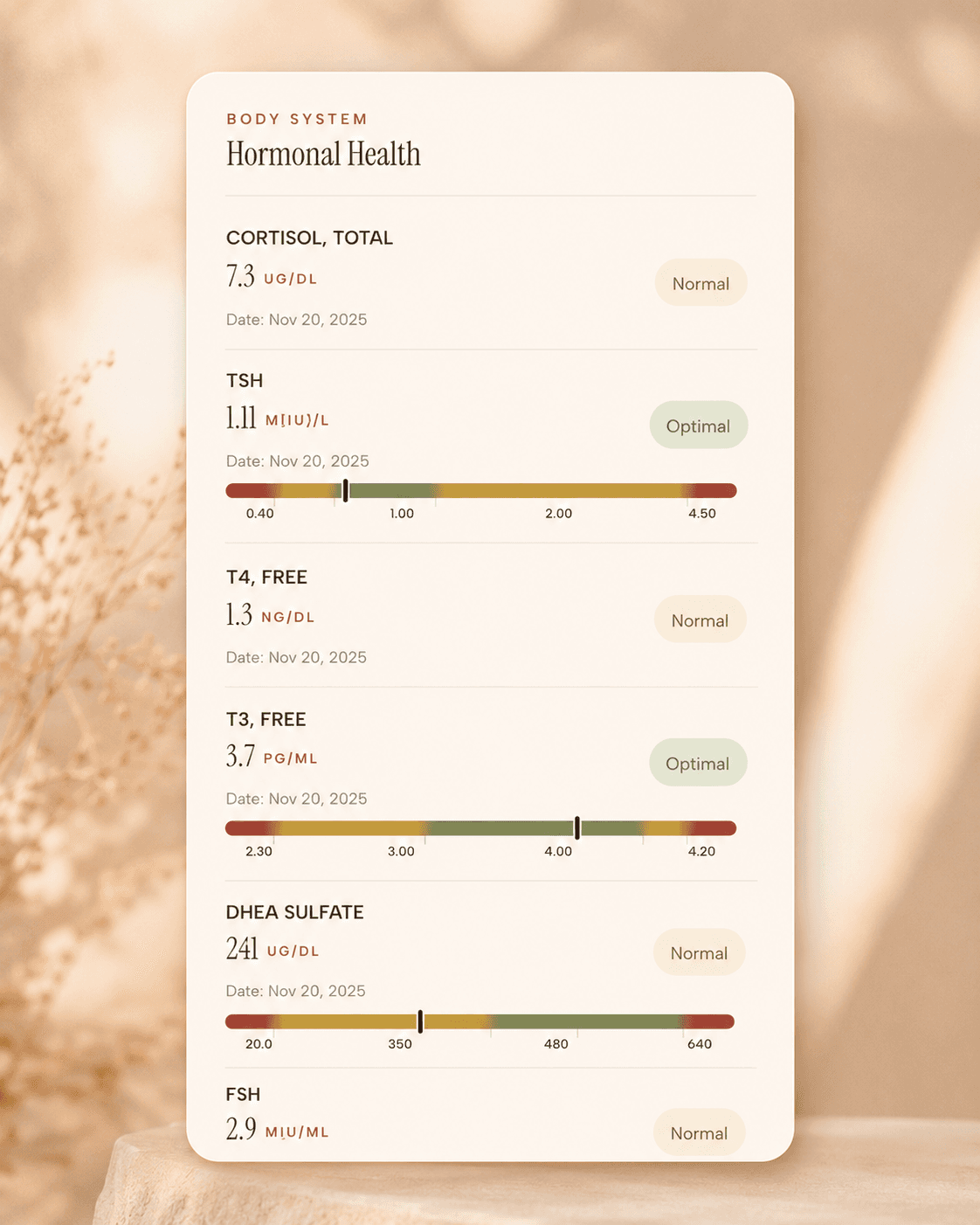
TSH is the master regulator of thyroid function, controlling the production of thyroid hormones T4 and T3. In functional medicine, we use narrower TSH ranges than conventional medicine to identify subclinical thyroid dysfunction early. Even mildly elevated TSH can indicate thyroid insufficiency, leading to fatigue, weight gain, depression, and metabolic dysfunction. TSH levels are influenced by stress, nutrient deficiencies, autoimmune conditions, and environmental toxins. Optimal TSH supports energy, metabolism…
Learn moreLab testing
Check CBC, ferritin, and TSH at Quest
starting from $99 panel with 100+ tests, one visit
No referral needed
About 1 week
Schedule online — results typically within a week
Clear next steps
Guidance included, with follow-up care available
HSA / FSA
Eligible for pre-tax health spending accounts
Pro Tips
Do the “inner eyelid test” once a week in daylight and take a photo. If the inner eyelid looks pale pink to almost white compared with your usual, it’s a stronger hint of anemia than cheek color, which changes with temperature and lighting.
If you have periods, track the heaviest day by counting how often you change pads or tampons. If you’re soaking through every 1–2 hours or passing large clots, that pattern is a common reason ferritin keeps dropping even when you try to eat more iron.
When you add iron-rich foods, pair them with vitamin C on purpose. A squeeze of lemon, a kiwi, or half a bell pepper at the same meal can make the difference between “I’m trying” and “my ferritin actually rises.”
If you’re starting an iron supplement, take it away from calcium and away from coffee or tea by at least two hours, because those block absorption. If it upsets your stomach, try every-other-day dosing, which many people tolerate better and can still work well.
If your depression has made meals hard, use a “minimum viable breakfast” for two weeks: something with protein plus iron, like eggs with toast and fruit, or yogurt with fortified cereal. Consistency matters more than perfection when you’re trying to rebuild stores.
Frequently Asked Questions
Can depression itself make your skin look pale?
Yes, it can, especially if depression changes your sleep, appetite, and activity enough that your body shifts blood flow away from the skin or you become mildly undernourished. But persistent pallor is also a classic sign of anemia or thyroid problems, which can look like depression and worsen it. If pallor is new or you also have fatigue and shortness of breath, checking a CBC, ferritin, and TSH is a practical next step.
How do I know if my paleness is anemia or just my natural skin tone?
Natural skin tone varies a lot, so focus on changes and on areas that show blood color: the inner lower eyelid, lips, gums, and nail beds. If those areas look noticeably lighter than your usual and you feel more tired or winded than normal, anemia becomes more likely. A CBC confirms whether hemoglobin is low, and ferritin can catch iron deficiency even before anemia shows up.
What ferritin level is considered low if I feel tired and depressed?
Many labs flag ferritin as “low” below roughly 15–30 ng/mL, but symptoms can show up before you hit the bottom of the reference range. A lot of people with fatigue feel better when ferritin is at least around 30–50 ng/mL, especially if they have heavy periods. If your ferritin is low, the key is to address the cause, such as blood loss or poor absorption, not only to take iron.
Can low B12 cause depression and pale skin at the same time?
It can, because B12 is needed to make healthy red blood cells and to keep nerves working properly. Low B12 can cause pallor, fatigue, brain fog, and mood changes, and it may also cause tingling or numbness in your hands and feet. If you eat little animal food, take acid blockers long term, or have gut issues, ask for a B12 level and discuss a supplement plan based on the result.
When is pale skin an emergency?
Pale skin is more urgent when it comes with fainting, chest pain, severe shortness of breath, confusion, or black or bloody stools, because those can signal significant anemia or active bleeding. In children, pallor plus unusual sleepiness, rapid breathing, or poor feeding also deserves prompt evaluation. If any of those are happening, seek urgent care now rather than waiting for routine labs.