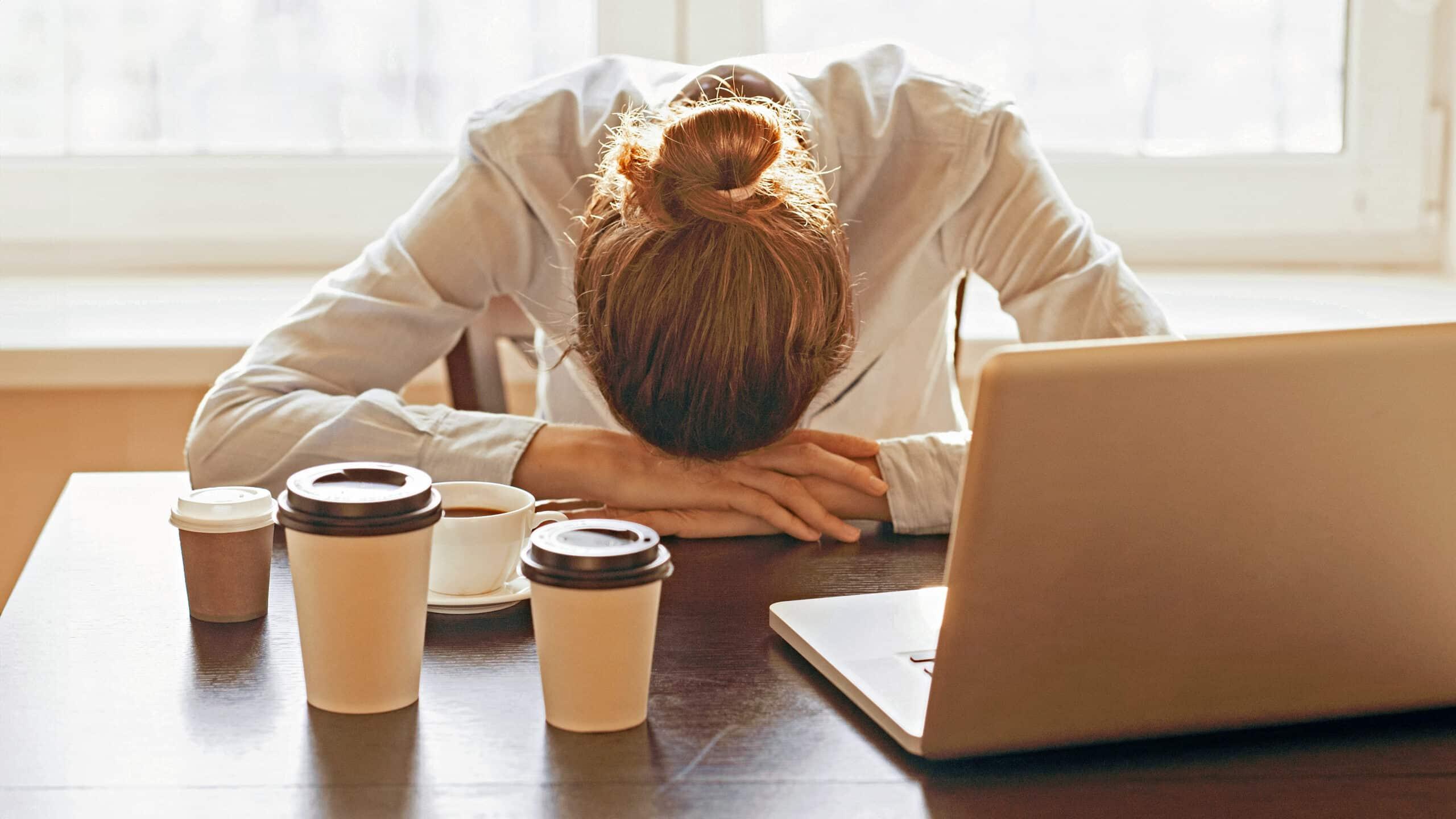
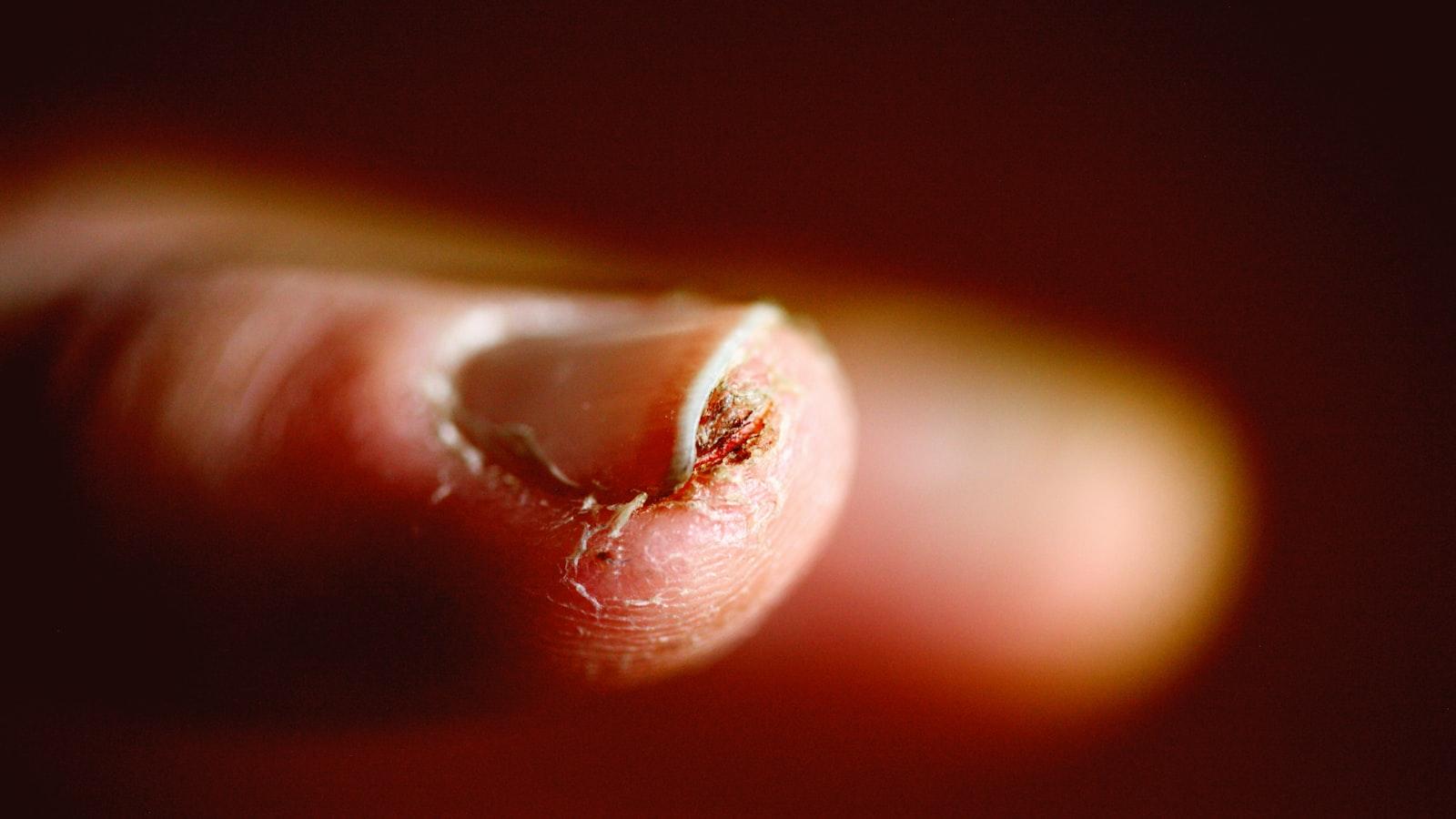
Why You Look Pale When You Feel Anxious
Pale skin with anxiety often comes from stress blood-vessel tightening, hyperventilation, or iron-deficiency anemia. Targeted labs—no referral needed.





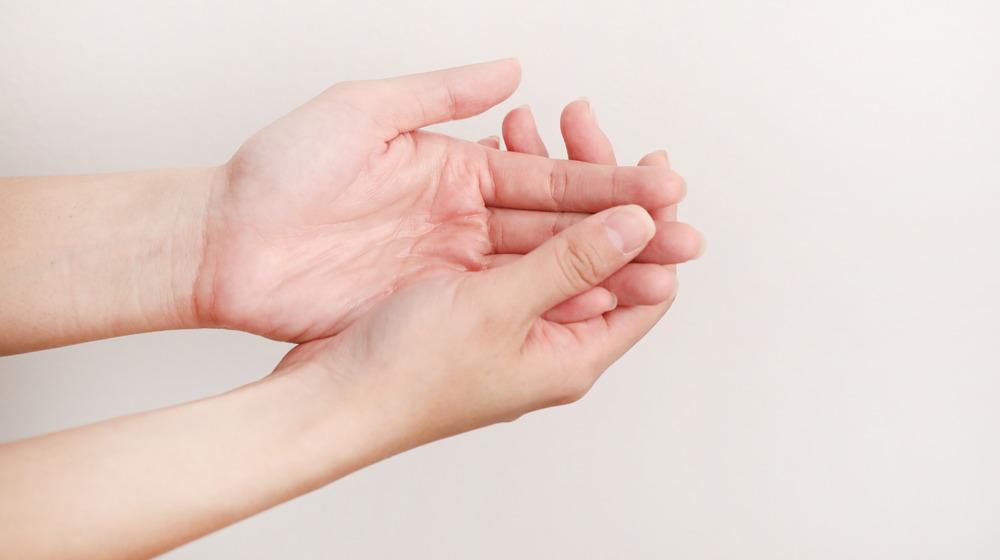
Pale skin with anxiety usually happens because your stress response tightens blood vessels near the skin, because you start breathing too fast and change your blood’s carbon dioxide level, or because you have an underlying issue like iron-deficiency anemia that anxiety makes more noticeable. The fastest way to separate “stress pallor” from “low blood or low iron” is to pair your symptom pattern with a few targeted blood tests. Seeing yourself look washed out can be genuinely scary, especially if it comes with shakiness, nausea, or a racing heart. The tricky part is that anxiety can cause real, visible color changes, but it can also ride on top of problems like anemia, low blood pressure, or low blood sugar. This guide walks you through the most common causes, what helps right now, and which labs are actually useful. If you want help sorting your specific story, PocketMD can help you think it through, and Vitals Vault labs can help you confirm what’s happening in your body.
Why you look pale when you feel anxious
Stress tightens skin blood flow
When your body flips into fight-or-flight, stress hormones tell small blood vessels in your skin to narrow, which pulls warmth and color away from your face. You can look suddenly pale even though your oxygen is fine, and it often comes with cold hands, trembling, or a “hollow” feeling in your stomach. If your color returns as you calm down, that pattern strongly points to a stress response rather than a blood problem.
Fast breathing changes blood chemistry
Anxiety can make you breathe faster or deeper than you realize, which lowers carbon dioxide in your blood and can cause lightheadedness, tingling around your mouth, and a washed-out look. This is called overbreathing (hyperventilation), and it can also make your hands cramp or feel numb, which adds to the panic. A simple test is to slow your exhale and see if the dizziness and pallor ease within a few minutes.
Iron-deficiency anemia in the background
If you are low on iron, you make less hemoglobin, which is the red pigment that carries oxygen in your blood. That can make your inner eyelids look pale and can leave you tired, short of breath on stairs, or craving ice, and anxiety may spike because your body feels “under-fueled.” The key takeaway is that iron deficiency is common and very testable, but you want ferritin checked before you start high-dose iron so you know what you’re treating.
Low blood pressure or vasovagal episodes
Some people respond to stress, needles, pain, or intense emotion with a sudden drop in heart rate and blood pressure, which can make you pale, sweaty, and close to fainting. This is a fainting reflex (vasovagal response), and it can feel like your vision narrows or your hearing goes muffled. If this is your pattern, lying down with your legs elevated early can stop the spiral, and it is worth mentioning to a clinician if you have repeated near-faints.
Thyroid shifts that mimic anxiety
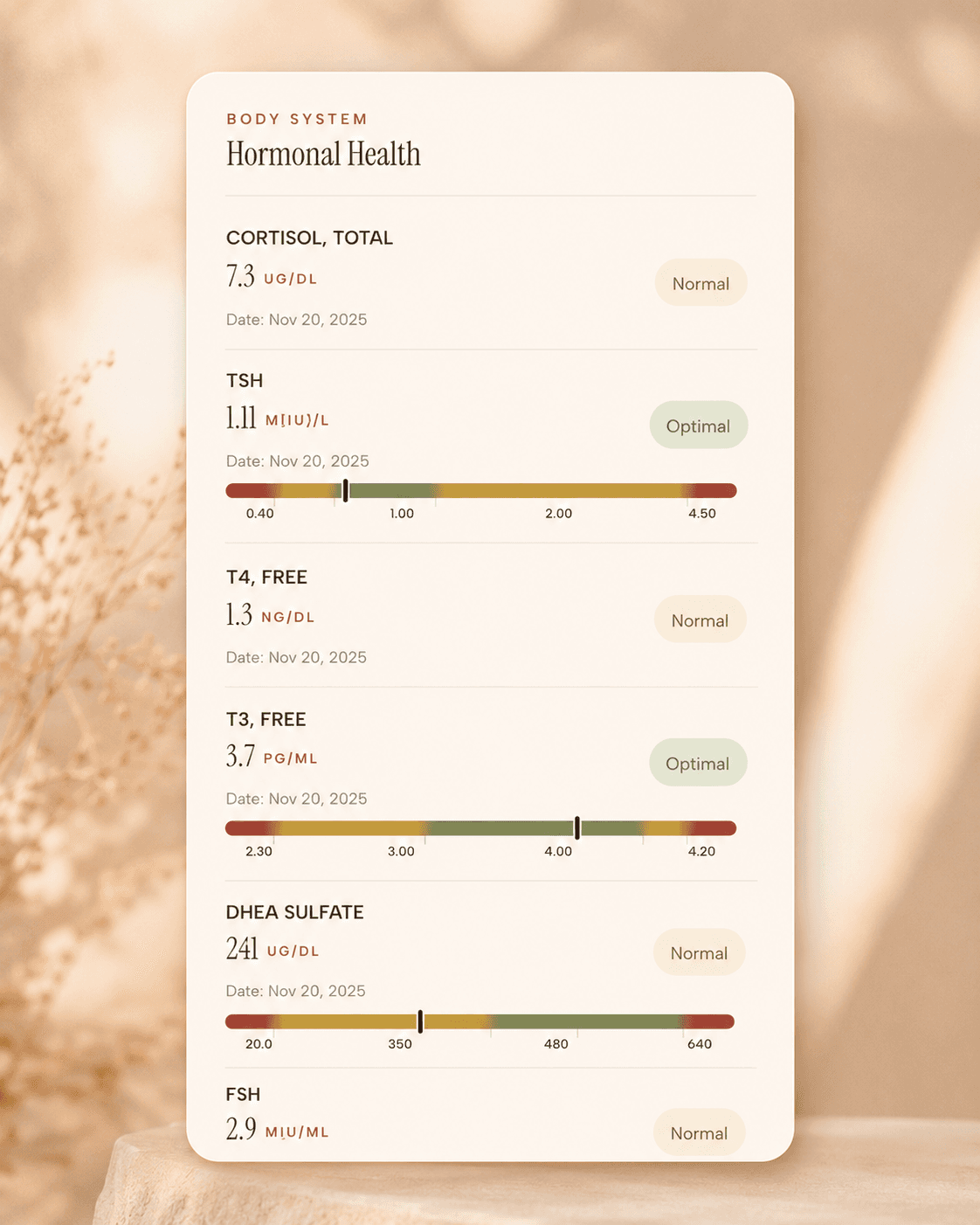
Thyroid problems can overlap with anxiety in confusing ways, because your thyroid helps set your baseline energy and heart rate. An overactive thyroid can drive palpitations and shakiness, while an underactive thyroid can contribute to fatigue, dry skin, and a “pale and puffy” look that you might interpret as stress. If your anxiety is new or suddenly worse along with heat intolerance, weight change, or persistent fatigue, a TSH test is a smart place to start.
What actually helps in the moment (and long term)
Use a slower-exhale breathing reset
If you suspect overbreathing, aim for a gentle inhale through your nose and a longer exhale, such as breathing in for about 4 seconds and out for about 6–8 seconds. The longer exhale helps your carbon dioxide normalize, which often reduces tingling, dizziness, and that “I’m fading” pallor. Give it two to three minutes before you decide it is not working.
Warm your face and hands on purpose
When stress clamps down skin blood flow, warmth is a direct signal that helps vessels relax. Try holding a warm mug, running warm water over your hands, or placing a warm (not hot) compress on your cheeks for a minute. It sounds simple, but it can bring color back faster and gives your brain proof that your body is settling.
Eat something small if you’re shaky
Anxiety and low blood sugar can feel almost identical, and both can make you look pale and clammy. If you have not eaten in a while, try a quick snack that includes carbs plus protein, such as yogurt or peanut butter on toast, and then reassess how you feel 15 minutes later. If this reliably helps, it is a clue to tighten up meal timing and discuss glucose symptoms with your clinician.
Treat iron deficiency the right way
If ferritin is low, iron replacement can improve pallor and fatigue, but dosing matters because too much iron can cause constipation and nausea. Many people tolerate lower-dose iron better, such as every-other-day dosing, and taking it away from calcium can improve absorption. The practical move is to recheck ferritin and hemoglobin after about 6–8 weeks so you know you are actually rebuilding iron stores.
Know when pallor is not anxiety
If you are pale with chest pain, severe shortness of breath, black or bloody stools, fainting, or a new irregular heartbeat, treat that as urgent rather than “just stress.” Those combinations can signal bleeding, a heart rhythm problem, or another medical issue that needs same-day evaluation. If you are unsure, it is reasonable to call for help while you are still sitting or lying down.
Useful biomarkers to discuss with your clinician
Ferritin
Ferritin is your body's iron storage protein, reflecting total iron stores in the body. In functional medicine, ferritin assessment is crucial for identifying both iron deficiency and iron overload, conditions that can significantly impact energy levels and overall health. Low ferritin is the earliest sign of iron deficiency, often occurring before anemia develops. This can cause fatigue, weakness, restless leg syndrome, and cognitive impairment. Conversely, elevated ferritin may indicate iron overload, inflamma…
Learn moreHemoglobin
Hemoglobin is the iron-containing protein in red blood cells that actually carries oxygen throughout your body. In functional medicine, hemoglobin is considered one of the most important markers of oxygen-carrying capacity and overall vitality. Low hemoglobin (anemia) significantly impacts energy levels, cognitive function, exercise tolerance, and quality of life. Even mild decreases can cause fatigue and reduced performance. Hemoglobin levels are influenced by iron status, vitamin B12, folate, protein intake, a…
Learn moreLab testing
Check CBC, ferritin, and TSH at Quest
starting from $99 panel with 100+ tests, one visit
No referral needed
About 1 week
Schedule online — results typically within a week
Clear next steps
Guidance included, with follow-up care available
HSA / FSA
Eligible for pre-tax health spending accounts
Pro Tips
Do a quick “inner eyelid check” in good light: gently pull down your lower eyelid and look at the inside. If it looks very pale most days (not just during a panic spike), that is a stronger reason to check a CBC and ferritin.
Run a 10-day pattern log that separates appearance from feeling: note when you look pale, your anxiety level (0–10), whether you were standing or sitting, and whether you had eaten in the last 4 hours. Patterns like “only when standing in lines” or “only when I skip lunch” are extremely actionable.
If you tend to nearly faint, practice counter-pressure moves early: cross your legs and tense your thighs and glutes for 20–30 seconds while you breathe slowly. It can push blood back toward your brain and prevent the full drop.
If you start iron, set a calendar reminder to recheck ferritin in 6–8 weeks. Feeling a little better is not the same as rebuilding iron stores, and stopping too soon is a common reason symptoms return.
If you are a parent and your child looks pale, compare their color when they are calm and warm versus right after crying or running. Stress pallor comes and goes, but persistent pallor with low energy, fast breathing, or poor growth deserves a prompt check-in and basic labs.
Frequently Asked Questions
Can anxiety really make your face look pale?
Yes. Anxiety can trigger fight-or-flight hormones that narrow blood vessels in your skin, so less blood reaches the surface and your face can look washed out. It often happens with cold hands, shakiness, or nausea and improves as you calm down. If the pallor is persistent even on low-stress days, consider checking a CBC and ferritin.
How do I know if it’s anemia or just a panic attack?
A panic episode usually peaks within minutes and improves when your breathing and heart rate settle, while anemia tends to cause day-to-day fatigue, exercise intolerance, and ongoing paleness. The most direct way to tell is testing: a CBC checks hemoglobin, and ferritin checks iron stores. If you have heavy periods, recent blood loss, or black stools, prioritize these labs and medical advice quickly.
What ferritin level is considered low if I feel tired and pale?
For symptoms, ferritin below about 30 ng/mL often supports iron deficiency, even if your hemoglobin is still in the lab “normal” range. Some people feel noticeably better when ferritin is closer to 50–100 ng/mL, especially with heavy menstrual bleeding or endurance training. Ask for ferritin plus a CBC, and recheck after 6–8 weeks if you start treatment.
Why do I get pale and tingly when I’m anxious?
That combination strongly suggests overbreathing (hyperventilation), where you blow off too much carbon dioxide and your nerves become more irritable. It can cause tingling around your mouth, numb fingers, and lightheadedness, and it can make you look pale because your body is in a high-alert state. Try a longer-exhale breathing pattern for 2–3 minutes, and if episodes are frequent, bring it up with a clinician or therapist.
When is pale skin with anxiety an emergency?
Treat it as urgent if pallor comes with fainting, chest pain, severe shortness of breath, confusion, or signs of bleeding such as black stools or vomiting blood. Those symptoms can point to problems that are not anxiety, including significant blood loss or heart rhythm issues. If you feel like you might pass out, lie down with your legs elevated and seek same-day care.