Why You Feel Mentally Exhausted (Even When You Keep Pushing)
Mental fatigue in working women often comes from sleep debt, iron deficiency, or thyroid slowdown. Targeted blood tests available—no referral needed.





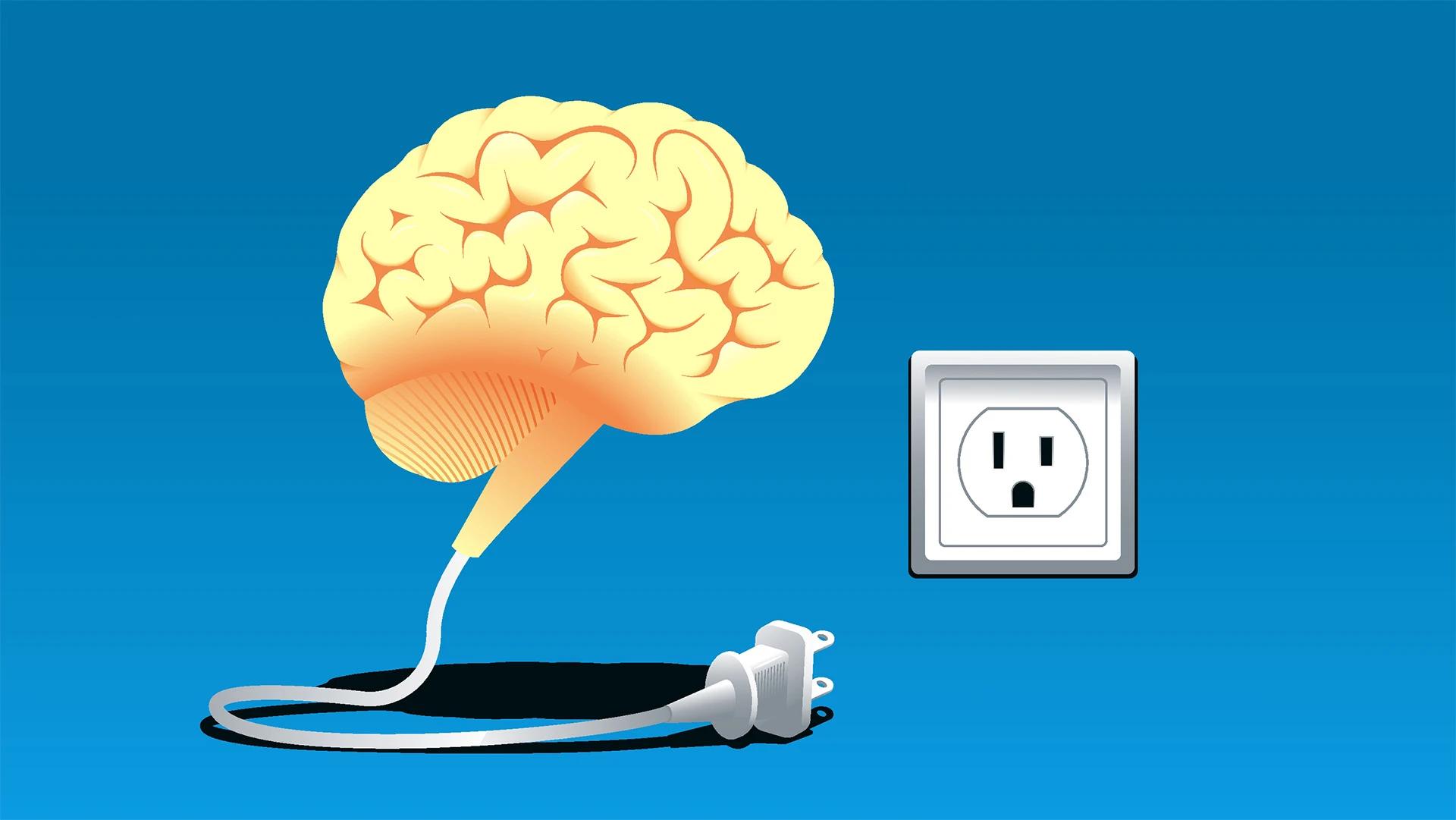
Mental fatigue in working women is usually your brain running on a mix of sleep debt, chronic stress overload, and a fixable body issue like low iron or a sluggish thyroid. It can feel like you are “lazy” or “losing it,” but it is often a predictable biology-and-workload problem. A few targeted labs can help you figure out which driver is most likely in your case. This kind of exhaustion is common when you are juggling deadlines, caregiving, and the invisible mental load of planning and remembering for everyone. The tricky part is that mental fatigue is not one thing: sometimes it is a workload problem, sometimes it is a sleep problem, and sometimes your body is quietly under-fueled or under-oxygenated. Below, you will see the most common causes, the practical steps that help the fastest, and the blood tests that can keep you from guessing. If you want help sorting your pattern, PocketMD can talk it through with you, and Vitals Vault labs can help you confirm what is going on.
Why mental fatigue hits so hard
Sleep debt that looks like “fine”
When you regularly shave off even 60–90 minutes of sleep, your brain has less time to clear metabolic waste and reset attention circuits, which means focus and emotional control get expensive the next day. You can still function, but it feels like you are pushing through molasses and small tasks take weirdly long. If you wake up unrefreshed or rely on caffeine to feel human, treat sleep as the first “lab test” and run a 10-day experiment with a consistent bedtime.
Chronic stress overload (allostatic load)
Long-running stress keeps your threat system turned on, which pulls energy away from deep thinking and toward quick reactions. That is why you can answer emails but cannot write, plan, or be creative, and why you may feel emotionally flat at the end of the day. A useful clue is that weekends do not fully reset you. The takeaway is not “relax more,” but “reduce your cognitive load on purpose” by shrinking decisions and building recovery into the day.
Low iron stores, even without anemia
You can have normal hemoglobin and still have low iron reserves, which makes your brain and muscles feel underpowered because iron is central to oxygen use and neurotransmitter production. In real life, this shows up as mental fog, low motivation, and getting wiped out by tasks you used to handle easily, especially if you have heavy periods or donate blood. Asking for ferritin (your iron storage marker) is key, because that is often where the problem hides.
Thyroid slowdown (hypothyroidism)
If your thyroid is running low, your whole system runs at a lower “idle speed,” including attention, processing speed, and mood. You might notice brain fog, feeling cold, constipation, dry skin, or weight gain that does not match your habits, but sometimes the main complaint is just mental exhaustion. A TSH test is a good starting point, and if it is off, it is worth discussing follow-up testing and symptoms with a clinician rather than assuming it is “just stress.”
Vitamin B12 running low
Vitamin B12 supports nerve function and red blood cell production, so low levels can feel like fuzzy thinking, low energy, and a strange “wired but tired” feeling. It is more common if you eat little or no animal products, take acid-suppressing meds, or have gut issues that reduce absorption. If you also get tingling in your hands or feet or your balance feels off, that is an extra reason to check B12 sooner rather than later.
What actually helps you recover (without quitting your life)
Do a 2-week mental energy audit
Pick two weeks and track three numbers each day: sleep hours, a 1–10 mental fatigue score at 2 pm, and your “deep work” minutes. Patterns show up fast, like a predictable crash after late nights, meetings-heavy days, or skipped meals. Once you see your pattern, you can change the right lever instead of trying everything at once.
Protect one daily focus block
Mental fatigue gets worse when your brain is forced to context-switch all day, because switching burns glucose and attention. Choose one 45–90 minute block for your hardest task, silence notifications, and keep a single “parking lot” note for distractions so you do not hold them in your head. This one change often brings back the feeling of competence within a week.
Use caffeine like a tool, not a drip
If you sip caffeine all day, you can get a jittery brain that still cannot focus, and your sleep becomes lighter without you noticing. Try delaying your first caffeine for 60–90 minutes after waking, then set a caffeine cutoff about 8 hours before bedtime. You are not “weak” if this helps—your brain is just sensitive to timing.
Refuel your brain mid-day on purpose
A lot of working women run on coffee and a rushed lunch, and then wonder why their brain quits at 3 pm. Aim for a lunch with protein plus fiber, because that steadies blood sugar and reduces the post-meeting crash feeling. If you cannot do a full meal, a simple protein-forward snack before your hardest afternoon work is still a meaningful upgrade.
Treat the medical driver you find
If labs show low ferritin, low B12, or thyroid issues, the fastest path is targeted treatment rather than more productivity hacks. Iron repletion can take weeks, but many people notice better stamina and clearer thinking before numbers fully normalize. Bring your results and symptoms to a clinician so the plan fits your body, your cycle, and your medications.
Useful biomarkers to discuss with your clinician
Ferritin
Ferritin is your body's iron storage protein, reflecting total iron stores in the body. In functional medicine, ferritin assessment is crucial for identifying both iron deficiency and iron overload, conditions that can significantly impact energy levels and overall health. Low ferritin is the earliest sign of iron deficiency, often occurring before anemia develops. This can cause fatigue, weakness, restless leg syndrome, and cognitive impairment. Conversely, elevated ferritin may indicate iron overload, inflamma…
Learn moreTSH
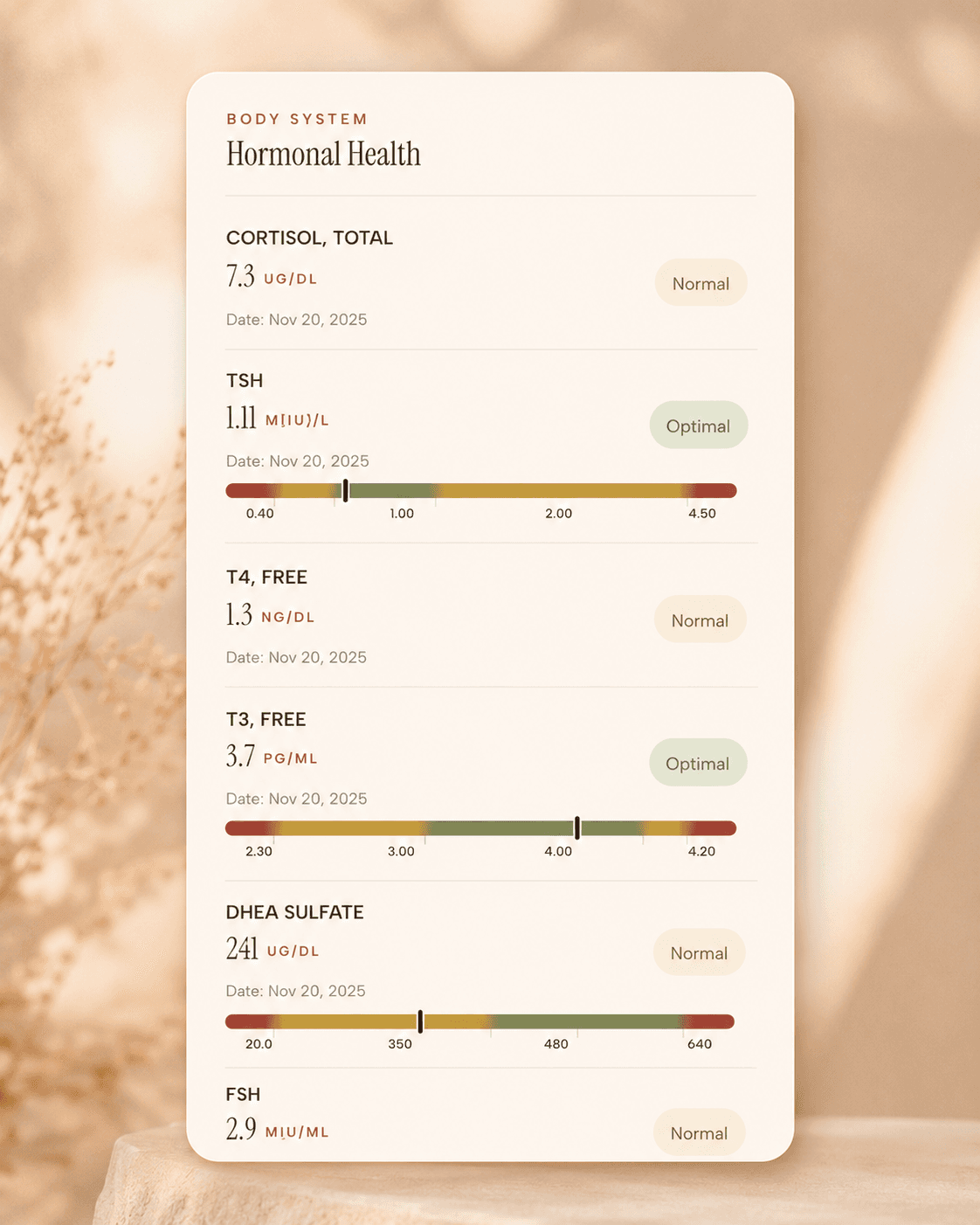
TSH is the master regulator of thyroid function, controlling the production of thyroid hormones T4 and T3. In functional medicine, we use narrower TSH ranges than conventional medicine to identify subclinical thyroid dysfunction early. Even mildly elevated TSH can indicate thyroid insufficiency, leading to fatigue, weight gain, depression, and metabolic dysfunction. TSH levels are influenced by stress, nutrient deficiencies, autoimmune conditions, and environmental toxins. Optimal TSH supports energy, metabolism…
Learn moreIron Binding Capacity
TIBC helps distinguish between different causes of abnormal iron levels. High TIBC indicates iron deficiency (the body increases transferrin to capture more iron), while low TIBC suggests iron overload or chronic disease. It's essential for accurate iron status assessment. Total Iron Binding Capacity (TIBC) measures the blood's capacity to bind iron with transferrin, the main iron transport protein. It indirectly reflects transferrin levels and iron status.
Learn moreLab testing
Check ferritin, TSH, and vitamin B12 at Quest
starting from $99 panel with 100+ tests, one visit
No referral needed
About 1 week
Schedule online — results typically within a week
Clear next steps
Guidance included, with follow-up care available
HSA / FSA
Eligible for pre-tax health spending accounts
Pro Tips
Try a “decision budget” for one week: write down your top 3 priorities each morning, and when a new request appears, decide what it replaces. Your brain relaxes when it stops carrying an infinite to-do list.
If your afternoons are a blur, do a 7-day experiment where you take a 10-minute walk outside right after lunch. The light plus movement is a reliable way to lift alertness without adding more caffeine.
Batch communication on purpose: check email and messages at set times (for example, 11 am and 4 pm) and keep your inbox closed otherwise. You will feel less mentally shredded by 2 pm.
If you suspect low iron, look for clues in your life, not just your labs: heavy periods, frequent blood donation, postpartum months, or endurance training all raise your risk. That context helps you and your clinician interpret ferritin more accurately.
Use a “shutdown ritual” at the end of work: spend 3 minutes writing tomorrow’s first task and any open loops, then physically close the laptop. This reduces bedtime rumination, which is a sneaky driver of next-day brain fog.
Frequently Asked Questions
Is mental fatigue a sign of burnout or depression?
It can be either, and sometimes it is both, but they often feel different. Burnout tends to feel like work-related exhaustion and cynicism that improves when demands drop, while depression often affects pleasure, self-worth, and energy across all areas of life. If you have persistent low mood, loss of interest, or thoughts of self-harm, reach out for professional help promptly and tell someone you trust today.
What blood tests should I get for brain fog and mental fatigue?
A practical starting trio is ferritin (iron storage), TSH (thyroid signal), and vitamin B12, because problems in any of these can mimic “burnout” and make focus feel impossible. Ferritin below about 30 ng/mL can matter even if hemoglobin is normal, and borderline B12 can still cause symptoms. Bring results plus your symptom timeline to a clinician so the next step is targeted.
Why am I mentally exhausted but physically okay?
Mental work is real work for your brain, and constant context-switching, emotional labor, and decision-making can drain attention even if your muscles feel fine. Sleep debt also hits thinking before it hits physical strength, which is why you can “get through the day” but cannot think clearly. Track when the fog peaks and what your day looked like right before it, because timing often reveals the driver.
Can low iron cause anxiety and brain fog?
Yes, low iron stores can contribute to brain fog and a wired, restless feeling because iron supports oxygen use and neurotransmitter balance. You might also notice shortness of breath on stairs, headaches, or hair shedding, but cognitive symptoms can show up first. Ask for ferritin specifically, and if it is low, discuss an iron plan and a reason for the loss (like heavy periods).
How long does it take to recover from mental fatigue?
If sleep debt is the main driver, many people feel noticeably better within 7–14 days of consistent sleep and fewer late nights. If low ferritin or low B12 is involved, improvement can start in a few weeks, but full replenishment often takes longer depending on the cause and treatment. Pick one measurable change for two weeks, and reassess with your symptoms and labs rather than guessing.