Irregular Periods With Depression: What It Means and What To Do
Irregular periods with depression often come from ovulation disruption, thyroid imbalance, or PCOS. Targeted blood tests are available—no referral needed.






Irregular periods with depression usually means your ovulation rhythm is getting disrupted, your thyroid is running off, or an underlying hormone pattern like PCOS is pushing both cycle changes and mood symptoms at the same time. Stress, under-eating, heavy training, and the perimenopause transition can also “turn down” the brain-to-ovary signal, which can make your cycle unpredictable and your mood feel more fragile. A few targeted blood tests can help sort out which pattern fits you so you’re not guessing. This combo can feel especially unfair because it messes with planning, fertility timing, and your sense of control over your body. And it’s rarely just “in your head.” Your ovaries, thyroid, and stress system talk to your brain chemistry every day, so when one part gets out of sync, you can feel it emotionally and physically. Below, you’ll see the most common causes, what tends to help in real life, and which labs are actually useful. If you want help mapping your symptoms to a likely pattern before you book an appointment, PocketMD can help you think it through, and Vitals Vault labs can help you confirm what’s going on.
Why irregular periods and depression show up together
Stress shuts down ovulation signals
When your body feels under threat—emotionally, physically, or from not enough fuel—it prioritizes survival over reproduction. The brain-to-ovary messaging (the hormone “pulse” that triggers ovulation) can slow down, which means longer cycles, skipped periods, or spotting. That same stress chemistry can also flatten motivation and sleep, which often makes depression feel heavier. A useful clue is timing: if your cycle got irregular after a big life change, intense training, weight loss, or insomnia, this cause jumps higher on the list.
PCOS hormone pattern affects mood
In polycystic ovary syndrome (PCOS), your ovaries may make more androgens, and your body may struggle with insulin, which can interfere with regular ovulation. That can look like long gaps between periods, unpredictable bleeding, or months without a true period. Mood can get pulled in too because blood sugar swings, acne or hair changes, and fertility stress are exhausting, and some people also notice more anxiety or low mood around the same time their cycles go off. If you also have new facial hair, stubborn acne, or weight changes that don’t match your habits, it’s worth checking androgens and metabolic markers with a clinician.
Thyroid imbalance derails your cycle
Your thyroid sets the pace for many body systems, including how your ovaries respond to hormone signals. When thyroid function is low, periods can become heavier or more spaced out, and you can feel slowed down, foggy, and more depressed than usual. When thyroid function is high, you might see lighter or missed periods along with jitteriness and poor sleep, which can also mimic or worsen mood disorders. If your depression is paired with new temperature sensitivity, hair shedding, constipation, or a racing heart, a TSH test is a smart first step.
High prolactin blocks ovulation
Prolactin is the hormone that supports breastfeeding, but when it’s elevated outside of pregnancy it can suppress the hormones that trigger ovulation. The result can be missed periods, very irregular cycles, or infertility, and some people also feel emotionally “flat” or less interested in sex because estrogen can drop. Certain medications—especially some antidepressants and antipsychotics—can raise prolactin, and so can thyroid issues. If you’ve noticed nipple discharge, headaches with vision changes, or your cycle changed after starting a new psych med, ask specifically about a prolactin level.
Perimenopause hormone swings hit hard
In your late 30s to 40s, estrogen and progesterone can swing more dramatically from month to month even before periods stop. That can make cycles shorter, longer, or skipped, and it can also make your brain more sensitive to stress and sleep loss, which is why depression can flare or feel different than it used to. The “so what” is that you’re not failing at coping—your biology is changing the baseline. If you’re also getting night sweats, new insomnia, or mood dips that cluster in the week or two before bleeding, track patterns for two cycles and bring that data to your visit.
What actually helps you feel steadier (and more regular)
Treat the thyroid if it’s off
If testing shows hypothyroidism, thyroid hormone replacement often improves both cycle regularity and mood over weeks to a few months because your whole system is no longer running in slow motion. If it’s hyperthyroidism, treating the overactive thyroid can calm sleep and anxiety, which makes depression easier to manage. The key is not to self-dose supplements “for thyroid,” because too much iodine or thyroid extract can backfire. Your actionable next step is simple: get a TSH checked and ask what target range makes sense for your symptoms, not just what’s “normal.”
Address PCOS with a two-part plan
PCOS usually responds best when you tackle both ovulation disruption and insulin resistance, because they feed each other. For some people that means a medication like metformin, and for others it means a structured nutrition approach that reduces sharp blood sugar spikes without turning into restrictive dieting that worsens mood. If pregnancy prevention is a goal, hormonal contraception can also smooth bleeding patterns and reduce androgen symptoms, which can be a mental relief. A practical move is to set one measurable target for 8 weeks—like a consistent protein-forward breakfast or a medication trial—and track whether your cycle length and mood scores change.
Fix the “low energy availability” trap
If you’re training hard, skipping meals, or unintentionally under-eating, your body may interpret it as famine, and it will conserve energy by shutting down ovulation. Depression can make this worse because appetite and motivation drop, so the cycle irregularity becomes another stressor. What helps is not “eat more” in a vague way, but adding a reliable daily anchor: a real lunch and an evening snack with carbs plus protein for two weeks, even if your appetite is low. If your periods have stopped for 3 months or more, it’s worth discussing bone health and a recovery plan with a clinician.
Review meds that can raise prolactin
If prolactin is elevated, the fix may be as straightforward as adjusting a medication or dose, especially if the timing lines up with when your cycle changed. You should not stop psychiatric meds abruptly, but you can ask your prescriber about prolactin-sparing alternatives or whether a repeat fasting morning prolactin is needed to confirm the result. When prolactin normalizes, cycles often become more predictable again because ovulation signals can restart. Bring a list of all meds and supplements to that conversation, including nausea meds and sleep aids, because some of them matter here.
Use cycle-aware depression support
If your mood reliably drops in the luteal phase (the 1–2 weeks before bleeding), you may be dealing with a hormone-sensitive pattern even if your baseline depression is well treated. Some people do well with targeted therapy skills for that window, and others benefit from medication timing changes, such as luteal-phase SSRI dosing, which a clinician can guide. The reason this helps is that you stop treating every day like it’s the same day, and you plan support when your brain is most vulnerable. Start by tracking mood daily for one cycle using a 1–10 score and noting sleep, because that data makes treatment decisions much clearer.
Useful biomarkers to discuss with your clinician
TSH
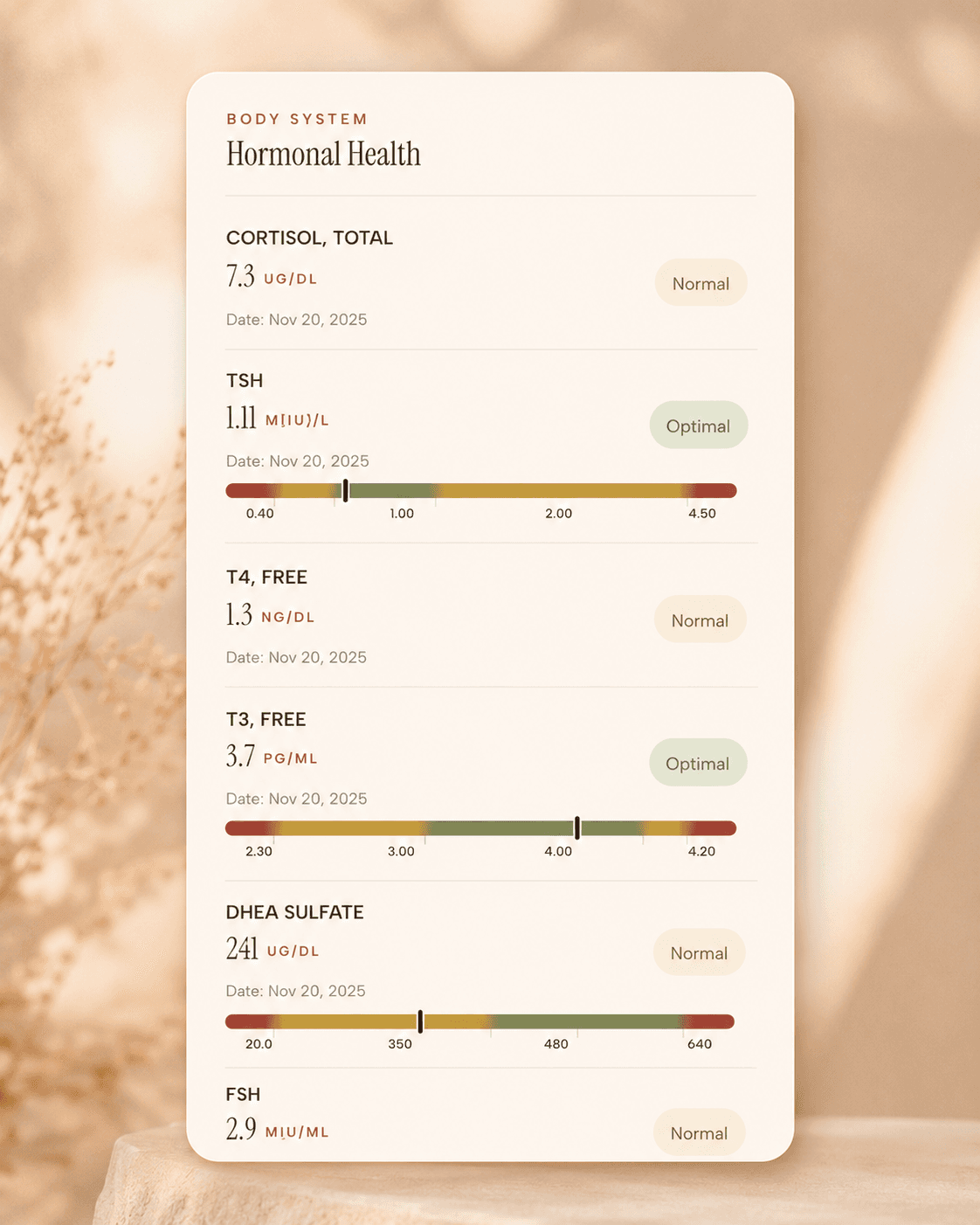
TSH is the master regulator of thyroid function, controlling the production of thyroid hormones T4 and T3. In functional medicine, we use narrower TSH ranges than conventional medicine to identify subclinical thyroid dysfunction early. Even mildly elevated TSH can indicate thyroid insufficiency, leading to fatigue, weight gain, depression, and metabolic dysfunction. TSH levels are influenced by stress, nutrient deficiencies, autoimmune conditions, and environmental toxins. Optimal TSH supports energy, metabolism…
Learn moreEstradiol
Estradiol in men is produced from testosterone via aromatase enzyme. In functional medicine, we recognize that men need optimal estradiol levels for bone health, cognitive function, and cardiovascular protection. However, excessive estradiol can suppress testosterone production and cause feminizing effects. The testosterone-to-estradiol ratio is crucial for male health, with optimal balance supporting vitality while preventing estrogen dominance. Balanced estradiol levels in men support bone health and cognitive…
Learn moreInsulin
Insulin is a master metabolic hormone that regulates glucose uptake, fat storage, and numerous cellular processes. In functional medicine, fasting insulin levels are one of the earliest and most sensitive markers of metabolic dysfunction. Elevated insulin (hyperinsulinemia) often precedes diabetes by years or decades and is central to metabolic syndrome. High insulin levels promote fat storage, inflammation, and contribute to numerous chronic diseases including cardiovascular disease, PCOS, and certain cancers.…
Learn moreLab testing
Get TSH, prolactin, and a PCOS-focused androgen check at Quest
starting from $99 panel with 100+ tests, one visit
No referral needed
About 1 week
Schedule online — results typically within a week
Clear next steps
Guidance included, with follow-up care available
HSA / FSA
Eligible for pre-tax health spending accounts
Pro Tips
Run a 14-day “cycle + mood” log where you rate mood (1–10), sleep hours, and bleeding/spotting each day, because patterns like luteal-phase dips or stress-related skips become obvious fast.
If your period is late, take a pregnancy test first even if you “don’t think you could be pregnant,” because that single step changes what’s safe to do next and what labs mean.
If you suspect stress, try a fueling experiment instead of a willpower experiment: add one planned snack with carbs plus protein every day for two weeks and see whether sleep and mood stabilize before your next cycle.
Ask your prescriber one direct question if you started a new psychiatric med before your cycles changed: “Can this raise prolactin or affect ovulation, and should we check a morning prolactin level?”
If you’re in your late 30s or 40s, write down whether mood dips cluster in the 7–14 days before bleeding, because that timing often points to hormone sensitivity and leads to more targeted treatment.
Frequently Asked Questions
Can depression cause irregular periods?
Yes. Depression often travels with higher stress hormones and disrupted sleep, and that can blunt the brain signals that trigger ovulation, which makes cycles longer or unpredictable. It can also change appetite and activity in ways that lower your body’s available energy, which further suppresses ovulation. If your cycle changed around the same time your mood and sleep changed, track both for one month and consider checking TSH and prolactin to rule out common medical drivers.
Why did my period stop after starting an antidepressant?
Some antidepressants can raise prolactin or indirectly affect weight, sleep, and stress chemistry, which can throw off ovulation. The timing matters: if your cycle changed within weeks to a couple of months of a new medication, ask about a fasting morning prolactin test and a thyroid screen (TSH). Do not stop your medication suddenly; bring the timeline to your prescriber so you can adjust safely.
Is PCOS linked to depression?
PCOS is associated with higher rates of depression, partly because hormone imbalance and insulin resistance can affect energy and cravings, and partly because symptoms like acne, hair changes, and fertility uncertainty are emotionally draining. If you have irregular periods plus signs of higher androgens, checking total testosterone can help confirm the pattern. The actionable next step is to pair symptom treatment with mood support, because treating only one side often leaves you stuck.
What labs should I get for irregular periods and low mood?
A practical starting trio is TSH to screen thyroid function, prolactin to look for ovulation suppression, and total testosterone to check for an androgen-heavy pattern like PCOS. These tests do not diagnose everything, but they often separate “stress/perimenopause pattern” from “treatable hormone driver” quickly. If results are abnormal or you’re trying to conceive, follow up with a clinician for interpretation and next-step testing.
When should I worry about irregular periods with depression?
You should get checked sooner if you’ve missed periods for 3 months, if bleeding is very heavy (soaking a pad or tampon every hour for several hours), or if depression includes thoughts of self-harm. You should also seek prompt care if you have nipple discharge, new severe headaches, or vision changes, because that can point to high prolactin from a pituitary problem. If you’re not in an urgent situation, book a visit and bring a one-page timeline of cycle changes, mood changes, and medication starts—clinicians can act on that quickly.