Irregular Periods With Anxiety: What’s Going On?
Irregular periods with anxiety often come from stress-hormone disruption, thyroid shifts, or PCOS-related hormone imbalance. Targeted labs, no referral needed.





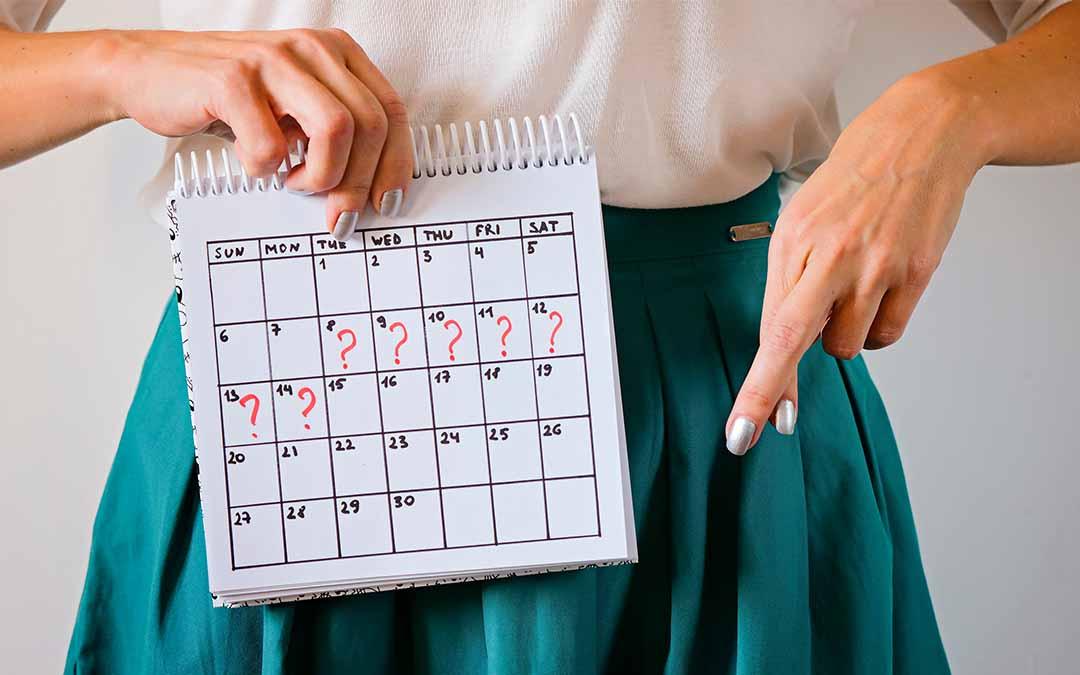
Irregular periods with anxiety usually happen because stress hormones can “turn down” ovulation, because thyroid changes can affect both mood and bleeding patterns, or because an underlying hormone pattern like PCOS can amplify anxiety and cycle unpredictability. The right blood tests can help you tell which bucket you’re in, so you’re not guessing based on vibes. This combo is frustrating because it feels like a loop: anxiety makes your cycle weird, and a weird cycle makes you more anxious. Sometimes it’s a short-term blip after a rough month, but sometimes it’s your body waving a flag about energy balance, thyroid function, or androgen (testosterone-type) hormones. In this guide, you’ll learn the most common reasons it happens, what tends to help in real life, and which labs can bring clarity. If you want help connecting your specific pattern to next steps, PocketMD can help you think it through, and Vitals Vault labs can help you confirm what’s going on.
Why anxiety can change your cycle
Stress shuts down ovulation
When your brain senses ongoing stress, it can prioritize survival over reproduction by dialing down the signals that trigger ovulation. That can show up as late periods, skipped periods, or cycles that suddenly stretch from 28 days to 40–60 days. A useful clue is timing: if your cycle changed after a big stressor, travel, illness, or a sleep crash, your body may simply be in “not right now” mode.
PCOS hormone pattern amplifies worry
With polycystic ovary syndrome (PCOS), you often make enough estrogen to build a uterine lining, but you do not ovulate regularly, so bleeding becomes unpredictable. Higher androgen hormones can also worsen acne, hair growth, or scalp thinning, and those changes can fuel anxiety because you feel like your body is not cooperating. If your irregularity has been going on for years and you also notice stubborn weight gain or sugar cravings, PCOS becomes more likely.
Thyroid shifts affect mood and bleeding
Your thyroid is like your body’s metabolic dimmer switch, and when it runs too low or too high, both your mood and your cycle can change. Low thyroid function can lead to heavier or more frequent bleeding and a slowed-down, foggy anxious feeling, while high thyroid function can cause lighter periods plus a racing-heart, wired anxiety. If you are also noticing heat intolerance, hair shedding, constipation, or palpitations, thyroid testing is worth moving up your list.
High prolactin disrupts your cycle
Prolactin is the hormone that supports breastfeeding, but it can rise for other reasons and block the hormones that trigger ovulation. The result can look like long gaps between periods, very light bleeding, or no period at all, and the uncertainty can make anxiety spike. If you have new headaches, vision changes, or nipple discharge when you are not breastfeeding, bring that up promptly because it changes how urgently you should be evaluated.
Perimenopause hormone swings feel like panic
In your late 30s and 40s, hormones can swing more dramatically from month to month as you approach menopause, which can make periods irregular and anxiety feel suddenly “louder.” You might have a month with a short cycle and heavy bleeding, followed by a skipped month, and the unpredictability itself can trigger spiraling thoughts. If you also notice night sweats or new insomnia, the pattern may be hormonal fluctuation rather than “you failing at stress management.”
What actually helps you stabilize things
Use a 2-cycle tracking plan
For the next two cycles, track three things daily: bleeding, anxiety intensity (0–10), and sleep length, because those are the fastest signals to connect cause and effect. Add one note about major stressors or workouts, but keep it simple so you actually do it. This kind of log often shows whether anxiety spikes before your period (more hormone-linked) or after missed periods (more uncertainty-driven).
Protect sleep like it’s treatment
If you are sleeping poorly, your stress hormones stay higher the next day, and that can keep ovulation suppressed longer than it needs to be. Pick one realistic anchor: a fixed wake time, a 30–60 minute wind-down, or cutting late-day caffeine, and stick to it for two weeks. The goal is not perfect sleep; it is giving your brain a consistent “safe enough” signal.
Fuel enough to ovulate again
If you are under-eating, dieting hard, or training intensely, your body may interpret it as scarcity and pause ovulation even if your weight looks “normal.” Adding a real breakfast with protein and carbs, and not letting long gaps between meals happen, can be enough to restart regular signaling in some people. This matters especially if your anxiety comes with a tight chest, irritability, and feeling shaky when meals are delayed.
Treat the driver, not just the worry
If labs or symptoms point to thyroid issues, high prolactin, or PCOS, targeted treatment often improves both anxiety and cycle regularity because you are removing the underlying trigger. That might mean thyroid medication when TSH is clearly off, addressing a medication that raises prolactin, or using PCOS-focused strategies like insulin-sensitizing support and ovulation regulation. The takeaway is simple: you do not have to “think” your way out of a hormone problem.
Know when to get checked quickly
Take a pregnancy test any time you have a missed period and there is any chance of pregnancy, even if anxiety makes that step feel scary. Also get urgent care if you are soaking through a pad or tampon every hour for two hours, passing large clots with dizziness, or having severe one-sided pelvic pain, because those are not “just stress.” If your periods stop for 3 months (and you are not pregnant), schedule an evaluation because prolonged no-ovulation can have longer-term effects.
Useful biomarkers to discuss with your clinician
TSH
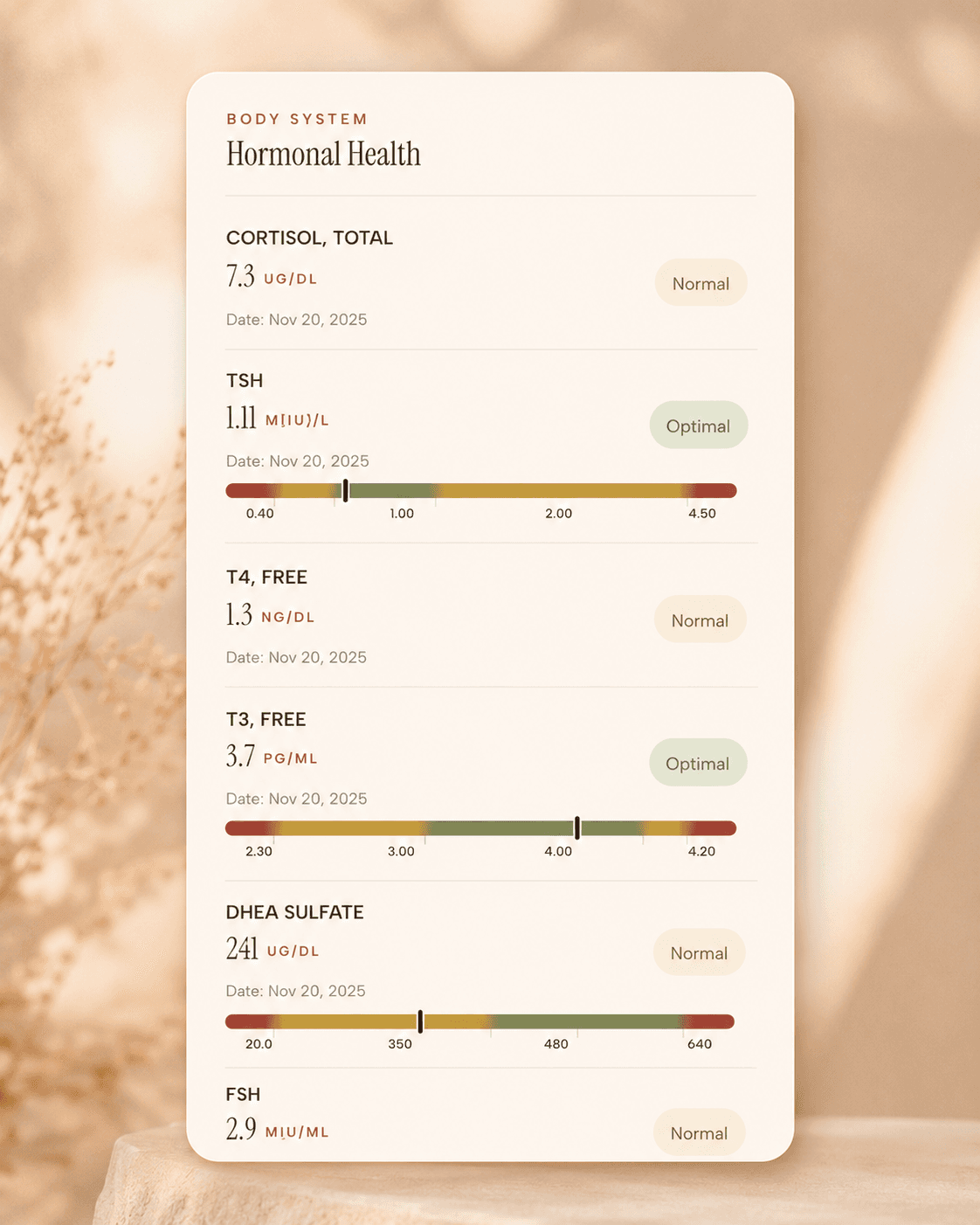
TSH is the master regulator of thyroid function, controlling the production of thyroid hormones T4 and T3. In functional medicine, we use narrower TSH ranges than conventional medicine to identify subclinical thyroid dysfunction early. Even mildly elevated TSH can indicate thyroid insufficiency, leading to fatigue, weight gain, depression, and metabolic dysfunction. TSH levels are influenced by stress, nutrient deficiencies, autoimmune conditions, and environmental toxins. Optimal TSH supports energy, metabolism…
Learn moreEstradiol
Estradiol in men is produced from testosterone via aromatase enzyme. In functional medicine, we recognize that men need optimal estradiol levels for bone health, cognitive function, and cardiovascular protection. However, excessive estradiol can suppress testosterone production and cause feminizing effects. The testosterone-to-estradiol ratio is crucial for male health, with optimal balance supporting vitality while preventing estrogen dominance. Balanced estradiol levels in men support bone health and cognitive…
Learn moreProgesterone
While primarily known as a female hormone, progesterone plays important roles in men including neuroprotection, sleep quality, and as a precursor to other hormones. In functional medicine, male progesterone assessment helps evaluate overall hormone synthesis pathways and stress response. Low progesterone in men may indicate chronic stress or adrenal dysfunction, while optimal levels support brain health and sleep quality. Progesterone in men supports neurological health, sleep quality, and serves as a building b…
Learn moreLab testing
Get TSH, prolactin, and free testosterone checked at Quest
starting from $99 panel with 100+ tests, one visit
No referral needed
About 1 week
Schedule online — results typically within a week
Clear next steps
Guidance included, with follow-up care available
HSA / FSA
Eligible for pre-tax health spending accounts
Pro Tips
If your cycle is irregular, stop using “period due date” apps as a judge and use them as a notebook instead. Track your longest and shortest cycle length over 3 months, because that range is what your body is actually doing right now.
Try a simple “ovulation check” month: use ovulation predictor strips for 10–14 days starting around day 10, and notice whether you ever get a clear surge. No surge does not mean something is wrong forever, but it does support the idea that stress or PCOS is suppressing ovulation.
If you suspect stress-related cycle changes, pick one daily downshift that is measurable, like 10 minutes of slow breathing after lunch or a 20-minute walk before dinner. Your nervous system responds better to consistency than to occasional big self-care days.
When anxiety spikes around your period, write down the exact day it starts and ends for two cycles. If it reliably begins 7–10 days before bleeding, bring that pattern up, because it can change the treatment conversation.
If you are bleeding unpredictably, keep iron in mind even before you feel “anemic.” If you are getting more short of breath on stairs or your heart feels poundy during anxiety episodes, ask about checking ferritin and hemoglobin.
Frequently Asked Questions
Can anxiety really make your period late?
Yes. Ongoing stress can reduce the brain signals that trigger ovulation, and if you do not ovulate, your period usually comes late or not at all. This is especially common after a big life event, illness, travel, or a stretch of poor sleep. If your period is more than a week late and pregnancy is possible, take a pregnancy test first.
How late is too late for a period?
A cycle longer than 35 days is generally considered irregular, and going 90 days without a period deserves a medical check-in if you are not pregnant. The reason is not just reassurance: prolonged lack of ovulation can affect your uterine lining and your long-term hormone balance. If you hit the 3-month mark, schedule an evaluation and bring your cycle dates.
Is it PCOS or just stress?
Stress-related irregularity often starts after a clear trigger and may improve when sleep and fueling normalize, while PCOS usually shows a longer history of irregular cycles plus signs of higher androgens like acne or unwanted hair. Labs can help: free testosterone supports a PCOS pattern, while a normal androgen profile with a clear stress timeline points more toward stress-related ovulation suppression. If you are unsure, testing TSH, prolactin, and free testosterone is a practical starting point.
What thyroid level causes irregular periods and anxiety?
Both low and high thyroid function can do it, which is why checking TSH is so useful. Many people feel best with TSH around 0.5–2.5 mIU/L, but symptoms matter, and pregnancy planning changes targets. If your TSH is outside range or you have strong symptoms, ask about adding free T4 and thyroid antibodies to clarify the picture.
When should I worry about irregular bleeding with anxiety?
Worry less about the anxiety itself and more about the bleeding pattern. Get urgent care if you soak through a pad or tampon every hour for two hours, feel faint, or have severe one-sided pelvic pain, because those are not typical stress effects. For ongoing irregularity, make an appointment if you go 3 months without a period (not pregnant) or if bleeding becomes progressively heavier, and bring a simple log of dates and symptoms.