Why Your Period Gets Irregular After Exercise
Irregular periods after exercise often come from low energy availability, stress-hormone shifts, or thyroid changes. Targeted labs—no referral needed.





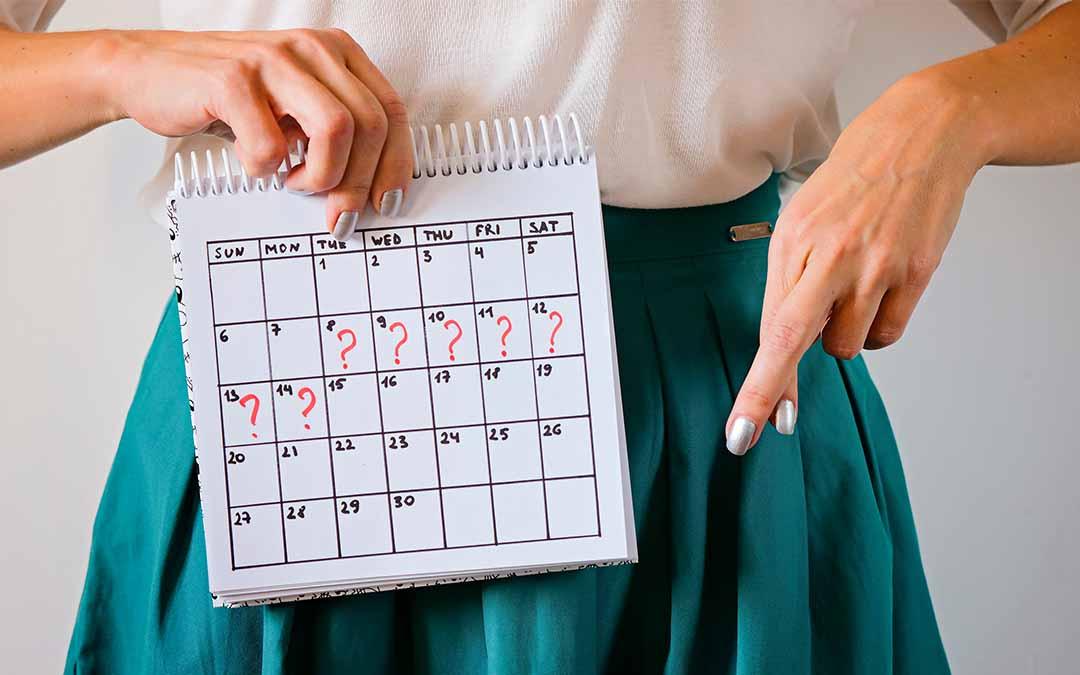
Irregular periods after exercise usually happen because your body senses “not enough fuel for the stress you’re doing,” because stress hormones rise and suppress ovulation, or because an underlying hormone issue (like thyroid problems or PCOS) is getting unmasked. The pattern matters: missing periods, spotting, or longer cycles can each point to a different mechanism. A few targeted labs can help you figure out which one fits your body instead of guessing. It’s frustrating because exercise is supposed to make you healthier, and for many people it does. But your menstrual cycle is also a vital sign, and it’s sensitive to energy balance, sleep, and stress. If your cycle changed after you increased training, started cutting calories, or ramped up intensity, you’re not imagining it. This guide walks you through the most common reasons, what tends to help, and which labs can clarify the picture. If you want help connecting your exact training, symptoms, and results, PocketMD can talk it through with you, and Vitals Vault labs can help you test the most relevant markers.
Why your period gets irregular after exercise
Not enough fuel for training
When you train hard but don’t eat enough to match it, your brain reads that as a shortage and starts conserving energy. One of the first “non-essential” systems it turns down is reproduction, which can delay ovulation or stop it altogether, so your period becomes late, lighter, or disappears. This is often called low energy availability, and it can happen even if your weight looks “normal.” A practical clue is that cycle changes show up after a jump in mileage, intensity, or dieting, especially if you also feel colder, more tired, or more irritable than usual.
Stress hormones suppress ovulation
Hard workouts are a form of stress, and if your life stress is already high, your stress hormone system (cortisol) can stay switched on. That can blunt the hormone pulses that trigger ovulation, which means you may spot, have longer cycles, or get premenstrual symptoms without a true period. You’ll often notice this when sleep is short, recovery is poor, and your resting heart rate is creeping up. The takeaway is not “never exercise,” but that your cycle may be telling you your recovery budget is overdrawn.
PCOS pattern becomes more obvious
If you have polycystic ovary syndrome (PCOS), your cycles can already be irregular because ovulation is inconsistent. Exercise can help PCOS over time, but big training changes or aggressive weight loss can temporarily make bleeding patterns more unpredictable, especially if you’re also changing carbs or going very low-calorie. A hint is irregular cycles that started years before the new workout plan, plus acne, facial hair, or weight gain around the middle. If this sounds like you, the goal is to support ovulation and metabolic health rather than pushing harder and hoping it sorts itself out.
Thyroid shifts affect cycle timing
Your thyroid is like your body’s metabolic “volume knob,” and both underactive and overactive thyroid function can disrupt periods. Sometimes the timing is confusing because you notice the change after a new training plan, but the thyroid issue was already brewing in the background. If you’re also dealing with unusual fatigue, hair shedding, constipation, heat intolerance, or a racing heart, it’s worth checking. The good news is that thyroid-related cycle changes are often very treatable once identified.
Iron depletion from training load
Endurance training, heavy sweating, and foot-strike hemolysis (tiny red blood cell breakdown from running) can slowly drain iron stores. Low iron doesn’t directly “turn off” your period, but it can worsen fatigue, sleep quality, and recovery, which then feeds into the stress-and-energy pathway that disrupts ovulation. You might notice you’re getting winded more easily, your pace feels harder, or your legs feel heavy even when your workouts haven’t changed. Checking ferritin (your iron storage marker) can show a problem long before your hemoglobin drops.
What actually helps you get regular again
Match calories to training weeks
If your cycle changed after you increased training, start by increasing energy intake on training days, not just “eating cleaner.” Many people do better by adding a real post-workout meal with carbs and protein within 1–2 hours, because that signals safety to your brain and supports hormone production. You do not have to abandon fitness goals, but you may need to stop trying to lose weight at the same time you’re building endurance or strength. If your period has been missing for 3 months, treat fueling as a priority, not an optional tweak.
Dial back intensity, not movement
Your body often tolerates easy movement while it struggles with repeated high-intensity sessions. For a few weeks, keep activity but reduce the “red zone” by swapping some intervals for zone 2 cardio, shorter sessions, or extra rest days. This can lower stress hormone load without making you feel like you’re “doing nothing.” A simple sign you’re on the right track is improved sleep and a lower resting heart rate within 10–14 days.
Protect sleep like it’s training
Sleep is when your brain resets the hormone signals that drive ovulation, and short sleep can mimic the effects of overtraining. Aim for a consistent wake time and a wind-down routine that starts 60 minutes before bed, because irregular schedules are a common reason cycles stay irregular even after you fix food. If you wake at 3 a.m. wired after hard workouts, try moving intense training earlier in the day and adding a bigger dinner with carbs. Your cycle often improves when your nervous system stops feeling “on alert” all night.
Address thyroid or prolactin issues
If labs show thyroid dysfunction or high prolactin (a hormone that can rise with certain medications, pituitary issues, or even persistent stress), treating that root cause can bring your cycle back even if your training stays similar. This matters because no amount of meal planning fixes a thyroid problem, and you shouldn’t blame yourself for a medical issue. If you have nipple discharge, new headaches with vision changes, or very irregular bleeding, bring that up promptly because it changes what your clinician will check next.
Use a cycle plan, not guesswork
Tracking ovulation signs helps you see whether you’re actually ovulating or just bleeding unpredictably. A basal body temperature trend or ovulation predictor kits can be useful, but only if you use them consistently for at least two cycles. If you’re trying to conceive, this also helps you time intercourse and decide when to escalate evaluation. If you’re not trying to conceive, the same data helps you and your clinician decide whether the problem is mainly ovulation suppression versus something structural like fibroids.
Useful biomarkers to discuss with your clinician
TSH
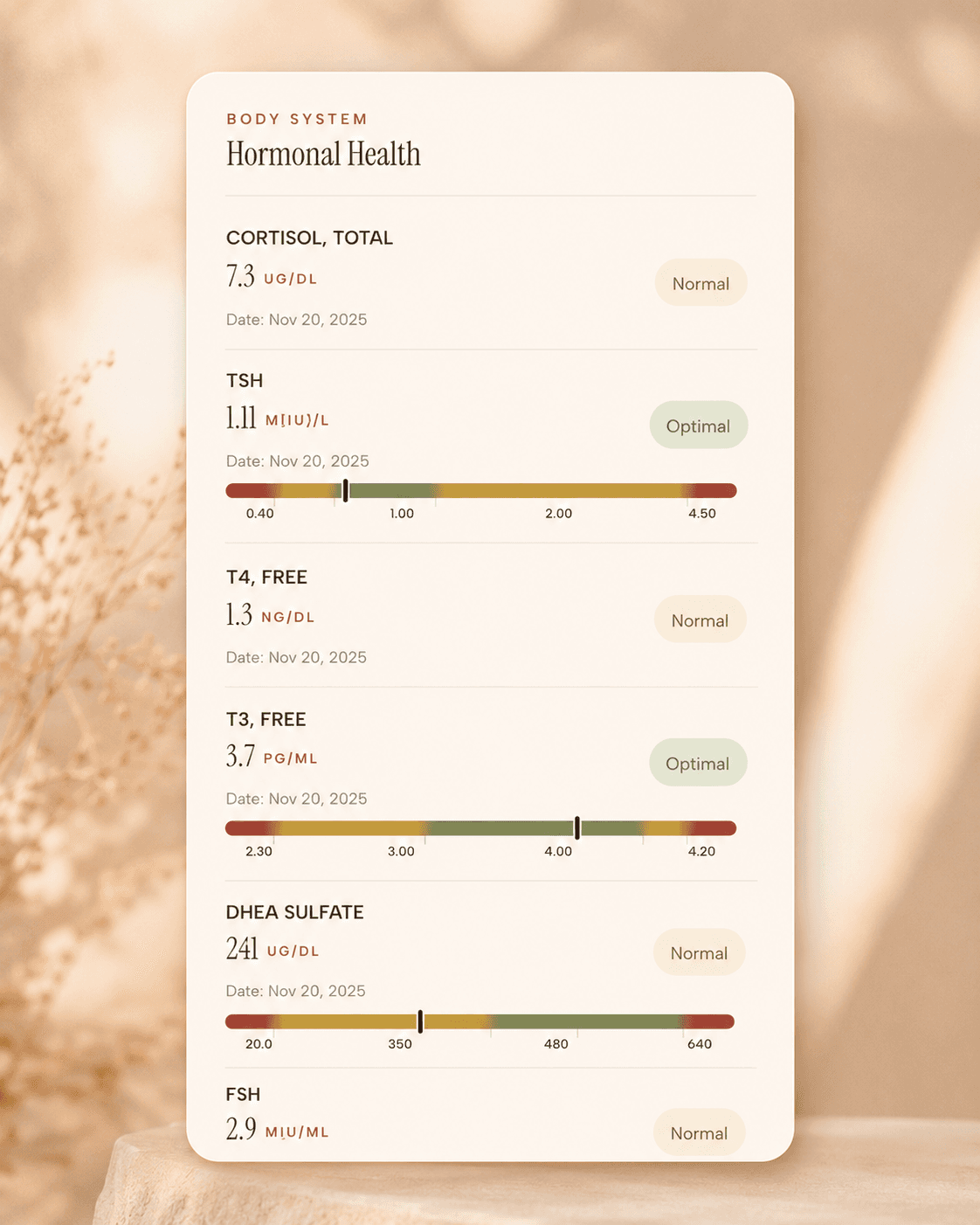
TSH is the master regulator of thyroid function, controlling the production of thyroid hormones T4 and T3. In functional medicine, we use narrower TSH ranges than conventional medicine to identify subclinical thyroid dysfunction early. Even mildly elevated TSH can indicate thyroid insufficiency, leading to fatigue, weight gain, depression, and metabolic dysfunction. TSH levels are influenced by stress, nutrient deficiencies, autoimmune conditions, and environmental toxins. Optimal TSH supports energy, metabolism…
Learn moreCortisol, Total
Cortisol is the primary stress hormone that regulates metabolism, immune function, and blood pressure. In functional medicine, cortisol assessment is crucial for understanding stress response and its impact on overall health. Chronic elevation suppresses testosterone production and immune function, while low cortisol indicates adrenal insufficiency. Optimal cortisol rhythm supports energy, mood stability, and hormone balance. Cortisol orchestrates the body's stress response and daily energy rhythms. Balanced cor…
Learn moreProgesterone
While primarily known as a female hormone, progesterone plays important roles in men including neuroprotection, sleep quality, and as a precursor to other hormones. In functional medicine, male progesterone assessment helps evaluate overall hormone synthesis pathways and stress response. Low progesterone in men may indicate chronic stress or adrenal dysfunction, while optimal levels support brain health and sleep quality. Progesterone in men supports neurological health, sleep quality, and serves as a building b…
Learn moreLab testing
Get TSH, prolactin, and ferritin checked at Quest
starting from $99 panel with 100+ tests, one visit
No referral needed
About 1 week
Schedule online — results typically within a week
Clear next steps
Guidance included, with follow-up care available
HSA / FSA
Eligible for pre-tax health spending accounts
Pro Tips
Run a 14-day “fuel and cycle” experiment: keep your training the same, but add 300–500 calories on workout days (especially carbs after training) and see whether sleep, cravings, and spotting improve.
If you’re using ovulation predictor kits, test in the afternoon and don’t chug water beforehand, because diluted urine can turn a real LH surge into a confusing “almost positive.”
If your period disappears, treat it like a recovery red flag: add at least one full rest day per week and remove one high-intensity session until you’ve had two normal cycles.
If you’re a runner with fatigue, ask specifically for ferritin, not just a “CBC,” because your hemoglobin can look fine while your iron stores are already low.
If you want the cleanest prolactin result, schedule the blood draw for a calm morning, avoid a hard workout the day before, and skip breast stimulation that morning.
Frequently Asked Questions
Can exercise make your period late or make you miss it?
Yes. A sudden increase in training, especially paired with eating less, can suppress ovulation so your period comes late or doesn’t come at all. This is common with low energy availability and is also seen in functional hypothalamic amenorrhea. If you’ve missed 3 periods in a row (or 90 days), it’s worth getting evaluated and adjusting fueling and training while you wait.
How much exercise is “too much” for your menstrual cycle?
There isn’t one magic number, because the tipping point depends on how much you’re eating, how you’re sleeping, and your baseline stress. For many people, the problem shows up after adding frequent high-intensity sessions or long endurance workouts while trying to lose weight. A practical rule is that if your cycle changes and your recovery markers worsen (poor sleep, rising resting heart rate, persistent soreness), your current load is too much for your current support.
Is spotting after a workout normal?
Light spotting can happen from hormonal fluctuations, especially if you’re not ovulating consistently, but it shouldn’t be brushed off if it keeps happening. Spotting that repeats after hard sessions can also be a sign your uterine lining is unstable because estrogen and progesterone are out of sync. If spotting lasts more than a few cycles, happens after sex, or comes with pelvic pain, book a check-in to rule out cervical or uterine causes.
What labs should I get for irregular periods after exercise?
A focused starting set is TSH to screen thyroid-related cycle disruption, prolactin to check for ovulation-blocking elevations, and ferritin to assess iron stores that affect recovery and training tolerance. If those are normal and your periods are still irregular, clinicians often add pregnancy testing, FSH/LH and estradiol timing, and androgen testing if PCOS is suspected. Bring your cycle dates and training changes to the visit so the results are interpreted in context.
How long does it take for your period to come back after overtraining or under-eating?
If low energy availability is the driver, some people see improvement within 4–8 weeks after increasing calories and reducing intensity, but it can take 3–6 months for fully regular ovulation to return. The longer your period has been absent, the more patient you may need to be, because your brain-hormone signaling has to “trust” the new baseline. Track cycles monthly and use the trend—more predictable bleeding, less spotting, clearer ovulation signs—as your progress markers.
What the research says
IOC consensus statement on Relative Energy Deficiency in Sport (RED-S): how low energy availability affects menstrual function and health
Endocrine Society clinical practice guideline on Functional Hypothalamic Amenorrhea (FHA): evaluation and treatment approach
ACOG guidance on evaluating abnormal uterine bleeding in reproductive-aged patients (when irregular bleeding needs workup)