Irregular Periods During Fasting: What Your Body Is Telling You
Irregular periods during fasting often come from low energy availability, stress-hormone shifts, or thyroid changes. Targeted labs at Quest—no referral needed.





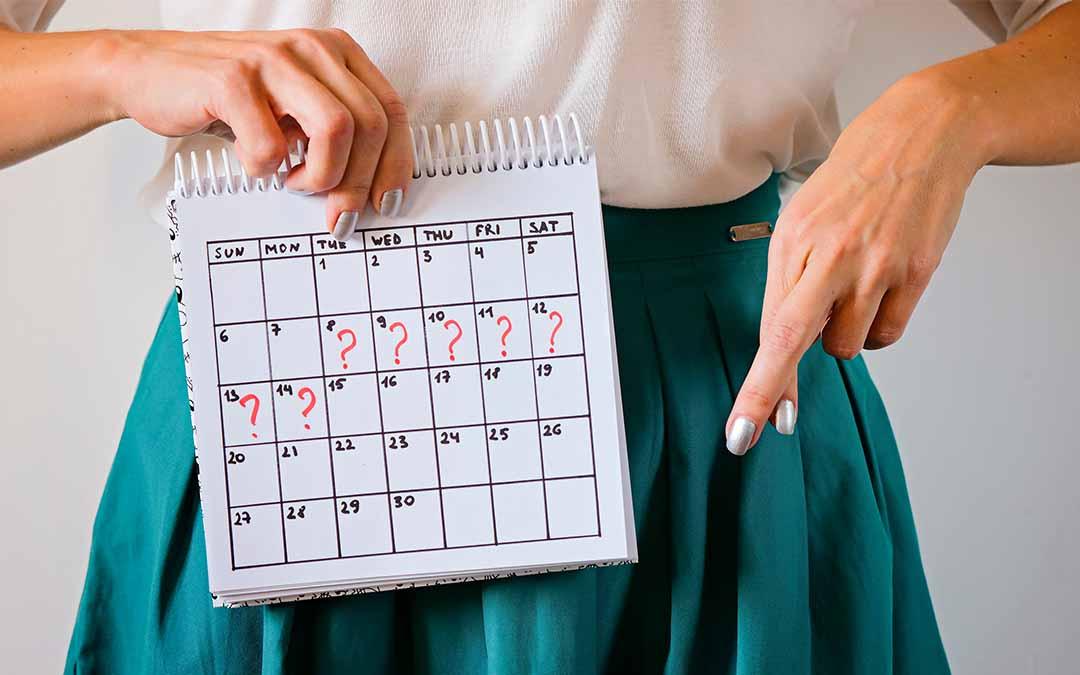
Irregular periods during fasting usually happen because your body senses “not enough fuel,” which can dial down ovulation, raise stress hormones, and sometimes unmask thyroid or PCOS-related cycle issues. In other words, your cycle is often responding to energy balance and hormone signaling, not “willpower.” A few targeted blood tests can help you figure out which pattern fits you. This can be especially confusing with intermittent fasting because you might feel fine day to day while your brain and ovaries quietly change their messaging in the background. Sometimes it’s a temporary adjustment, and sometimes it’s a sign that your fasting window, training load, or overall intake is too aggressive for your body right now. If you are also getting pregnancy symptoms, severe pelvic pain, fainting, or bleeding that soaks through a pad or tampon every hour for several hours, get checked urgently. For everything else, this page walks you through the most common causes, what actually helps, and how PocketMD and Vitals Vault labs can support your next step if you want a more personalized plan.
Why fasting can throw off your period
Your body senses low fuel
When your overall calories or carbs drop too low for too long, your brain starts prioritizing survival over reproduction. That can reduce the hormone pulses that trigger ovulation, so your period comes late, gets lighter, or disappears. The takeaway is simple but annoying: it’s not just your fasting window that matters, it’s your total weekly intake and whether you’re consistently under-eating.
Stress hormones rise during fasting
Fasting can raise your stress hormone (cortisol), especially if you combine it with hard training, poor sleep, or a big life stressor. Higher cortisol can interfere with the brain-to-ovary signaling that keeps cycles predictable, and it can also make PMS symptoms feel sharper. If your cycle changes started when you tightened your fasting schedule and your sleep got worse, that timing is a clue.
PCOS patterns become more obvious
If you already have PCOS (polycystic ovary syndrome), your cycles may be irregular because ovulation is irregular, and fasting doesn’t automatically fix that. Some people feel better with time-restricted eating, but others end up eating too little or triggering more cravings, which can worsen insulin swings and cycle unpredictability. A useful takeaway is to focus on consistency: regular protein-forward meals in your eating window often matters more than pushing the window longer.
Thyroid slowdown from dieting
When your body thinks food is scarce, thyroid signaling can shift, and that can show up as longer cycles, heavier bleeding, or skipped periods. You might also notice feeling colder than usual, constipation, or low energy that doesn’t match your effort. If fasting coincided with rapid weight loss or a big cut in carbs, it’s worth checking a thyroid-stimulating hormone test to rule this in or out.
Perimenopause timing overlaps fasting
In your late 30s and 40s, cycles can become unpredictable because your ovaries are changing their hormone output, and fasting can make the swings feel more dramatic. You may see shorter cycles one month and a missed period the next, along with new sleep disruption or hot-flash-like warmth. The takeaway is not “don’t fast,” but “don’t blame yourself”: if age-related changes are driving this, your strategy should shift toward symptom control and smart monitoring.
What helps you get regular again
Shorten your fasting window first
If your period changed after you started fasting, the cleanest experiment is to step back before you add supplements or complicated protocols. Try a 12:12 or 14:10 schedule for four to six weeks and keep your total calories steady, because ovulation often needs time to restart. If your cycle begins to normalize, you’ve learned that the longer window was the stressor.
Eat enough during your window
Many “fasting period problems” are really “not enough food problems,” especially if you are busy and your window is short. Aim for two real meals that each contain a solid protein portion and a carb source, because your brain reads carbs as safety for reproduction. A practical check is to watch for persistent cold hands and feet, hair shedding, or a resting heart rate that keeps dropping, which can signal you’re under-fueling.
Stop stacking fasting with hard training
Training fasted is not automatically bad, but combining long fasts with high mileage, heavy lifting, or intense intervals is a common setup for missed periods in athletes. Your body experiences that as “high output, low input,” and it responds by cutting back ovulation. Try moving your hardest workouts into your eating window and add a recovery snack afterward for a month.
Use labs to choose the right fix
Irregular cycles can look the same on the calendar while the causes are totally different in your hormones. A thyroid issue, high prolactin, and PCOS can all cause missed or late periods, but the next step is not the same for each. If you want clarity, targeted labs through Vitals Vault can help you avoid guessing and focus your effort where it will actually work.
Know when to get checked
If you miss three periods in a row, if your cycles suddenly become very frequent, or if you have new acne, facial hair growth, milky nipple discharge, or pelvic pain, it’s time to talk with a clinician. Those details can point toward PCOS, a prolactin problem, or other causes that deserve a proper workup. Bring a simple timeline of when fasting started, how much weight changed, and what your cycles did, because that story is diagnostic.
Useful biomarkers to discuss with your clinician
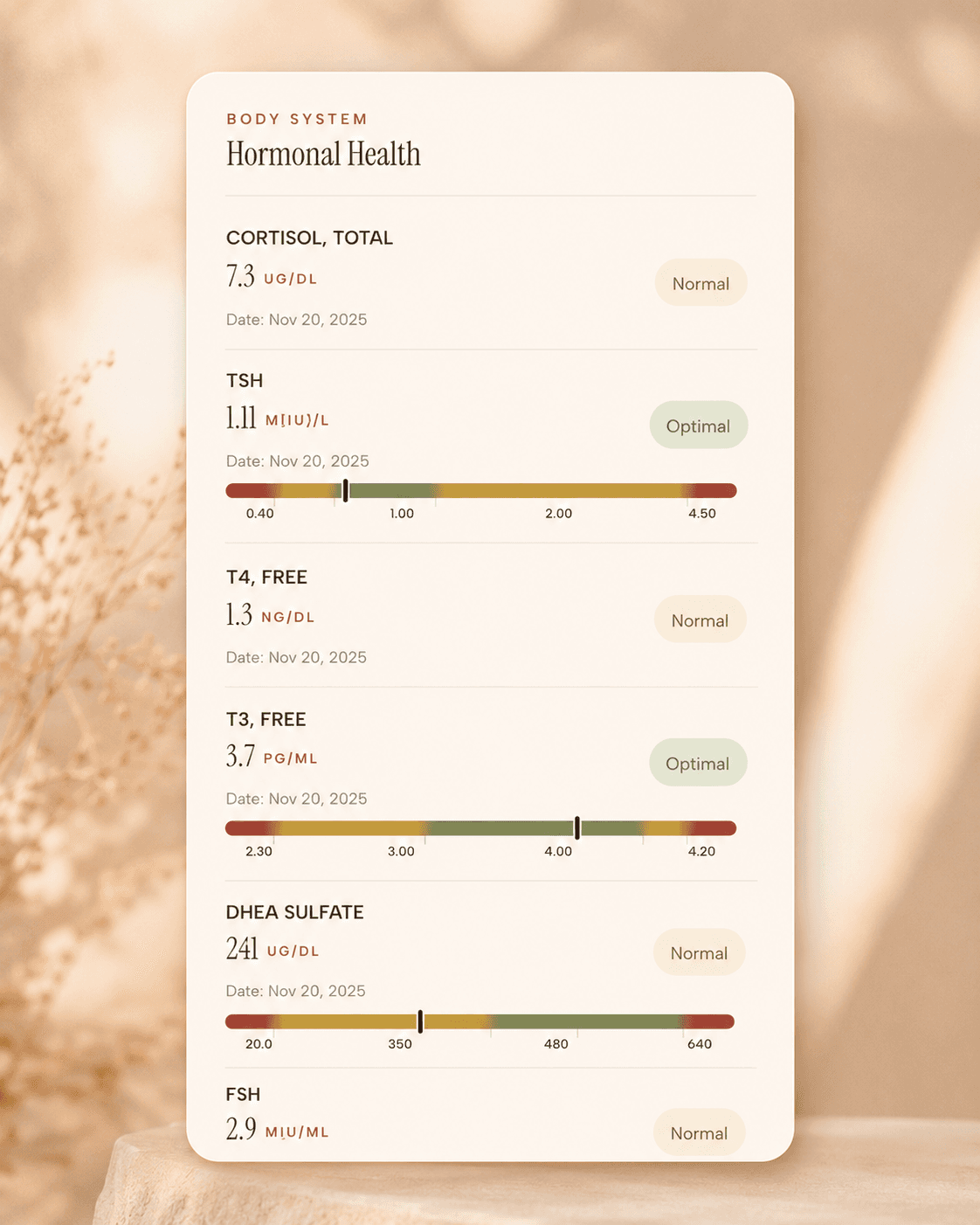
Cortisol, Total
Cortisol is the primary stress hormone that regulates metabolism, immune function, and blood pressure. In functional medicine, cortisol assessment is crucial for understanding stress response and its impact on overall health. Chronic elevation suppresses testosterone production and immune function, while low cortisol indicates adrenal insufficiency. Optimal cortisol rhythm supports energy, mood stability, and hormone balance. Cortisol orchestrates the body's stress response and daily energy rhythms. Balanced cor…
Learn moreTSH
TSH is the master regulator of thyroid function, controlling the production of thyroid hormones T4 and T3. In functional medicine, we use narrower TSH ranges than conventional medicine to identify subclinical thyroid dysfunction early. Even mildly elevated TSH can indicate thyroid insufficiency, leading to fatigue, weight gain, depression, and metabolic dysfunction. TSH levels are influenced by stress, nutrient deficiencies, autoimmune conditions, and environmental toxins. Optimal TSH supports energy, metabolism…
Learn moreProgesterone
While primarily known as a female hormone, progesterone plays important roles in men including neuroprotection, sleep quality, and as a precursor to other hormones. In functional medicine, male progesterone assessment helps evaluate overall hormone synthesis pathways and stress response. Low progesterone in men may indicate chronic stress or adrenal dysfunction, while optimal levels support brain health and sleep quality. Progesterone in men supports neurological health, sleep quality, and serves as a building b…
Learn moreLab testing
Get TSH, prolactin, and LH:FSH checked at Quest
starting from $99 panel with 100+ tests, one visit
No referral needed
About 1 week
Schedule online — results typically within a week
Clear next steps
Guidance included, with follow-up care available
HSA / FSA
Eligible for pre-tax health spending accounts
Pro Tips
Run a 6-week “cycle reset” experiment: pick a gentler fasting window, keep your weight stable, and track cervical mucus or ovulation tests so you can tell whether you are actually ovulating again.
If you train, move your hardest session to after your first meal for two weeks and see what happens to sleep and cycle timing. Your ovaries pay attention to recovery, not just calories.
If your period is late, take a pregnancy test even if you think it’s unlikely. Fasting can change bleeding patterns, but it does not prevent pregnancy.
Watch for the under-fueling triad: feeling cold, losing hair, and getting more irritable or anxious. If those show up with cycle changes, your body is asking for more consistent intake, not more discipline.
When you get labs, write down your cycle day (or “no period for X weeks”) and your fasting schedule. Those two details make your results far easier to interpret.
Frequently Asked Questions
Can intermittent fasting make you miss a period?
Yes. If fasting leads to low overall energy intake or higher cortisol, your brain can reduce the hormone signaling needed for ovulation, and then your period may come late or not at all. This is more likely if you also lose weight quickly, train hard, or sleep poorly. If you miss three periods in a row, get checked and consider labs like TSH and prolactin.
How long does it take for your period to come back after fasting?
If the main issue is under-fueling, some people see improvement within one to two cycles after shortening the fasting window and eating enough, but it can take two to three months for ovulation to fully normalize. The longer your period has been absent, the more patience you usually need. Track ovulation signs so you can see progress before bleeding returns.
Is it normal to spot while fasting?
Light spotting can happen when hormones fluctuate, especially if you are not ovulating regularly, but it should not be your new normal for months. Spotting that happens after sex, comes with pelvic pain, or keeps recurring deserves a clinician visit. If it’s new for you, a pregnancy test and a review of medications and thyroid status are sensible first steps.
Does fasting help or hurt PCOS periods?
It depends on how you implement it. Some people with PCOS do well with a consistent eating window because it supports steady meals and fewer late-night snacks, but others end up eating too little and their cycles get more irregular. If your cycles worsen, prioritize regular protein-forward meals and consider checking LH, FSH, and other PCOS-related labs with a clinician.
What labs should I check for irregular periods during fasting?
A practical starting trio is TSH for thyroid function, prolactin for pituitary-related ovulation suppression, and LH with FSH to look at the brain-to-ovary signaling pattern. These tests help separate “low fuel/stress” patterns from PCOS or thyroid-driven irregularity. If results are abnormal or you have symptoms like nipple discharge, new facial hair growth, or persistent missed periods, bring the numbers to a clinician for next-step testing.