Insulin Resistance Before Eating: Why It Happens and What Helps
Insulin resistance before eating often comes from high fasting insulin, liver glucose release, or poor sleep stress hormones. Targeted labs, no referral needed.





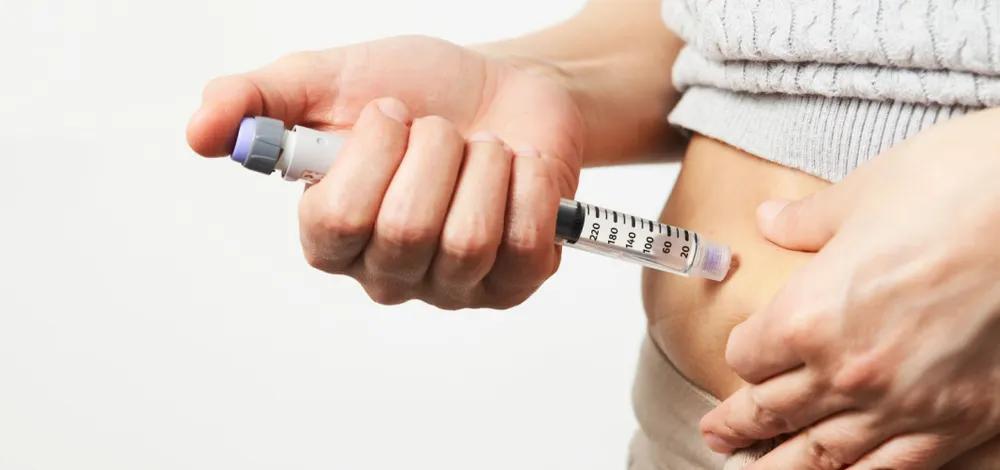
Insulin resistance before eating usually means your baseline insulin is running high, your liver is releasing extra sugar between meals, or stress hormones from poor sleep are pushing glucose up. That can make you feel shaky, ravenous, foggy, or oddly “wired” on an empty stomach, even if you’re trying to eat clean. A few targeted labs can help you figure out which driver fits your body. This is frustrating because it feels backwards: you haven’t eaten yet, so why does your blood sugar (or your symptoms) act like you did? The answer is that your metabolism is active all day, not just after meals, and your liver and hormones decide what your “starting line” looks like. If you want help connecting your symptoms, your schedule, and your numbers, PocketMD can talk it through with you, and Vitals Vault labs can help you confirm what’s going on instead of guessing.
Why insulin resistance can show up before you eat
Your fasting insulin runs high
Sometimes the main issue is that your pancreas is putting out more insulin than you need even when you have not eaten. High insulin can keep fat “locked up,” make weight loss feel impossible, and then set you up for a crash that feels like anxiety or shakiness. A practical takeaway is to look beyond fasting glucose alone, because fasting insulin often rises years earlier and explains why you feel off before meals.
Your liver releases extra sugar
Between meals, your liver drips glucose into your bloodstream to keep your brain fueled, but insulin resistance can make that drip turn into a steady pour. You might notice higher morning readings, or you feel hungry soon after waking even if dinner was normal. If this sounds like you, a short walk after dinner and a protein-forward breakfast often help more than simply eating less.
Poor sleep raises stress hormones
When you sleep badly, your body leans on stress hormones like cortisol to keep you functioning, and those hormones tell your liver to make more glucose. The next day you can feel jittery on an empty stomach, crave quick carbs, and still see higher fasting numbers. The takeaway is that “fixing insulin resistance” is sometimes a sleep project first, because your metabolism follows your nervous system.
PCOS-related insulin resistance
With polycystic ovary syndrome (PCOS), insulin resistance can be part of the core biology, and it can show up as intense hunger, cravings, or energy dips before you eat. Higher insulin can also push the ovaries to make more androgens, which can worsen acne or hair growth and create a loop that is hard to break. If PCOS is on your radar, tracking fasting insulin and A1c gives you a clearer target than weight alone.
Reactive lows after a carb-heavy meal
You can feel “insulin resistant before eating” because your last meal triggered a big insulin surge and then your blood sugar dipped a few hours later. That dip can feel like irritability, sweating, tremor, or a sudden need to eat right now, even if your glucose is not dangerously low. A useful experiment is to change the composition of the previous meal by adding protein, fiber, and fat, and then see if the before-meal crash disappears.
What actually helps before-meal insulin resistance
Build a “steady” first meal
If mornings are your worst window, start with a breakfast that is mostly protein and fiber, because it blunts the glucose rise and reduces the insulin spike that follows. Think eggs with vegetables, Greek yogurt with chia, or tofu scramble, and then add carbs intentionally rather than as the base. Give it a week and judge by your pre-lunch hunger and focus, not just the scale.
Use a 10–15 minute walk
A short walk after dinner or after your biggest meal is one of the fastest ways to lower the amount of insulin your body needs. Your muscles can pull in glucose without demanding as much insulin, which helps your next fasting period feel calmer. If you hate “exercise,” treat it like a digestion tool and keep it easy enough that you can still talk.
Try time-restricted eating carefully
A consistent eating window can help some people lower fasting insulin, but it can backfire if it turns into long, stressful fasts that leave you shaky and overeating later. Start small by stopping food two to three hours before bed, and keep your first meal predictable so your body learns the rhythm. If you have a history of disordered eating, pregnancy, or diabetes medications, this is a good place to get clinician guidance.
Add strength training twice weekly
Building muscle is like adding more “storage space” for glucose, which means less insulin is needed to keep your blood sugar steady. You do not need a perfect program; two full-body sessions per week with progressive resistance is enough to change insulin sensitivity over time. Track performance goals, like adding a rep or a little weight, because they often improve before your labs do.
Treat sleep like a metabolic lever
If your fasting numbers are high and you wake up wired, improving sleep can lower the stress-hormone push that raises glucose before you eat. A concrete starting point is a consistent wake time, morning light within an hour of waking, and caffeine only before noon. If you snore, wake with headaches, or feel unrefreshed, ask about sleep apnea because it is a common hidden driver of insulin resistance.
Useful biomarkers to discuss with your clinician
Insulin
Insulin is a master metabolic hormone that regulates glucose uptake, fat storage, and numerous cellular processes. In functional medicine, fasting insulin levels are one of the earliest and most sensitive markers of metabolic dysfunction. Elevated insulin (hyperinsulinemia) often precedes diabetes by years or decades and is central to metabolic syndrome. High insulin levels promote fat storage, inflammation, and contribute to numerous chronic diseases including cardiovascular disease, PCOS, and certain cancers.…
Learn moreGlucose
Fasting glucose is a fundamental marker of glucose metabolism and insulin function. In functional medicine, we recognize that even 'normal' glucose levels in the upper range may indicate early insulin resistance. Optimal fasting glucose reflects efficient glucose regulation and insulin sensitivity. Elevated fasting glucose suggests the body's inability to maintain normal glucose levels overnight, indicating hepatic insulin resistance or insufficient insulin production. This marker is essential for early detectio…
Learn moreHOMA2-IR
HOMA2-IR is widely used to assess insulin resistance in research and clinical practice. Values above 1.0-1.7 suggest insulin resistance. It helps identify pre-diabetes risk, guide metabolic interventions, and monitor treatment response. It's more accurate than the original HOMA-IR calculation. HOMA2-IR (Homeostatic Model Assessment 2 - Insulin Resistance) is an updated computer model estimating insulin resistance from fasting glucose and insulin levels.
Learn moreLab testing
Check fasting insulin, A1c, and fasting glucose at Quest
starting from $99 panel with 100+ tests, one visit
No referral needed
About 1 week
Schedule online — results typically within a week
Clear next steps
Guidance included, with follow-up care available
HSA / FSA
Eligible for pre-tax health spending accounts
Pro Tips
For two weeks, check your “before eating” pattern at the same times each day (for example: on waking, before lunch, and before dinner) and write down how you feel plus what you ate at the previous meal. The goal is to spot whether the problem is mornings, long gaps, or specific meals.
If you wake up hungry and wired, try moving more of your carbs to later in the day and keeping breakfast protein-forward. Many people find this reduces the cortisol-driven morning glucose push without feeling deprived.
When you want a snack because you feel shaky, do a 10-minute “pause test” first: drink water, take a short walk, and then reassess. If the feeling fades, it was likely a stress-hormone dip rather than true fuel depletion.
If you use a continuous glucose monitor, pay attention to the last 3–4 hours before the symptom hits, not just the moment you feel it. A steep drop from a higher peak can feel awful even if the number is still in the normal range.
Pick one strength move you can progress, like squats to a chair or dumbbell rows, and do it twice a week. Insulin sensitivity improves when your muscles have a reason to grow, and consistency beats intensity here.
Frequently Asked Questions
Why is my blood sugar high before I eat anything?
Your liver releases glucose between meals, and insulin resistance can make that release run too high, especially overnight. Poor sleep and early-morning stress hormones can amplify it, which is why morning readings are often the worst. Checking fasting glucose together with fasting insulin and A1c helps you see whether this is a baseline insulin issue or mainly liver output.
What does high fasting insulin mean if my glucose is normal?
It often means your body is compensating by making extra insulin to keep glucose in range, which can be an early stage of insulin resistance. You might still feel hungry, crave carbs, or struggle with weight because insulin is a storage hormone. Ask for fasting insulin (and consider calculating HOMA-IR with your clinician) so you are not waiting for glucose to rise before acting.
Can PCOS cause insulin resistance even if I’m not overweight?
Yes. PCOS can involve insulin resistance independent of weight, and higher insulin can also drive higher androgens, which affects periods, acne, and hair growth. Fasting insulin and A1c are practical starting labs because they give you a measurable target for lifestyle changes or medication discussions.
Is it normal to feel shaky or anxious when I’m hungry?
It can happen when your blood sugar drops quickly after a prior spike, or when stress hormones rise to keep glucose available during a long gap between meals. The feeling is real even if your glucose is not dangerously low, because adrenaline can mimic anxiety. Try changing the previous meal (more protein and fiber) and see if the “before meal” symptoms improve within a few days.
How long does it take to improve insulin resistance?
Some changes, like a post-meal walk or a steadier breakfast, can improve cravings and energy within a week. Lab markers move more slowly: fasting insulin can improve over weeks to a few months, and A1c reflects roughly 8–12 weeks. Pick one or two habits you can repeat, then recheck fasting insulin and A1c after about 12 weeks to see if your plan is working.