High Cholesterol in Men: What It Means and What To Do Next
High cholesterol in men is usually driven by ApoB-rich particles, insulin resistance, or genetics. Targeted blood tests available—no referral needed.





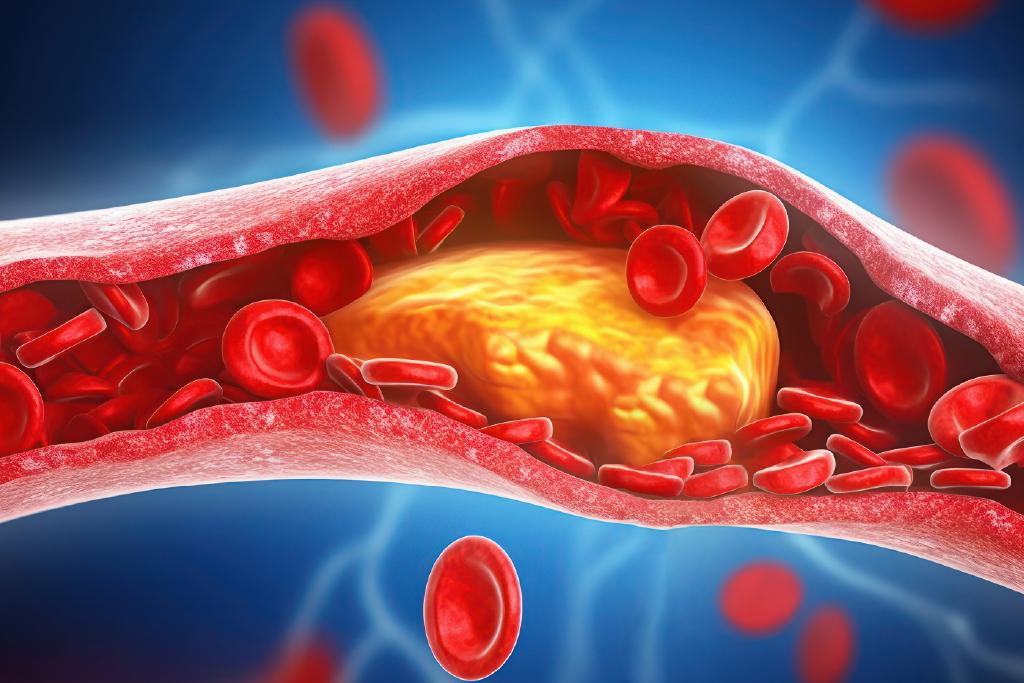
High cholesterol in men usually means you have too many “bad” cholesterol-carrying particles in your blood, often from genetics, insulin resistance, or a liver that is overproducing these particles. The number that matters most is often the particle burden (ApoB), not just the cholesterol amount inside them (LDL-C). A few targeted labs can help pinpoint which pattern you have so you can choose the right fix. This is stressful because high cholesterol does not make you feel sick day-to-day, but it quietly raises your odds of heart attack and stroke over time. Men also tend to show earlier risk because testosterone patterns, body-fat distribution, and lifestyle factors can push triglycerides up and HDL down. In this guide, you’ll learn the most common reasons cholesterol runs high, what actually moves the numbers, and which tests help you stop guessing. If you want help interpreting your results and deciding what to do next, PocketMD can talk it through with you, and Vitals Vault labs can help you check the key markers without a referral.
Why cholesterol runs high in men
Genetics that raise LDL
Sometimes your liver is “set” to keep more LDL particles in circulation because of inherited changes, including familial high cholesterol (familial hypercholesterolemia). This often shows up as LDL-C staying high even when you eat reasonably well, and it can come with a strong family history of early heart disease. If your LDL-C is around 190 mg/dL or higher, or you have close relatives with early heart attacks, ask specifically about genetic risk and consider measuring ApoB and Lp(a).
Insulin resistance driving triglycerides
When your body is not responding well to insulin, your liver tends to ship out more triglyceride-rich particles, and that pattern usually drags HDL down while making LDL more “dense” and easier to lodge in artery walls. You might notice this alongside belly weight gain, higher fasting glucose, or blood pressure creeping up. The takeaway is that lowering refined carbs and alcohol often moves triglycerides faster than “low-fat” dieting ever will, especially when paired with regular strength training.
Dietary pattern, not just fat
For many men, the issue is not a single food but a repeatable pattern: lots of ultra-processed calories, not enough fiber, and frequent saturated fat in a calorie surplus. That combination increases ApoB particle production and makes it harder for your liver to clear them. If your LDL rises after a “keto-ish” or high-saturated-fat phase, try swapping butter, coconut oil, and fatty processed meats for olive oil, nuts, beans, and fish for four to six weeks and recheck.
Thyroid slowdown (hypothyroidism)
Your thyroid hormone helps your liver pull LDL particles out of the blood, so when thyroid function is low, LDL can rise even if your habits have not changed much. You might also feel colder than usual, more tired, or notice dry skin, but some men have no obvious symptoms. If cholesterol climbed “out of nowhere,” checking thyroid-stimulating hormone (TSH) is a practical way to rule this in or out.
Medications and alcohol effects
Some common meds can nudge lipids in the wrong direction, including certain diuretics, beta blockers, steroids, and some testosterone-related regimens, while heavy alcohol intake can spike triglycerides quickly. The frustrating part is that you can be doing everything else right and still see stubborn numbers. Bring a full medication and supplement list to your clinician and be honest about alcohol, because the fix may be a dose change, a swap, or a targeted lifestyle adjustment rather than “try harder.”
What actually helps lower it (without guessing)
Aim at ApoB with food swaps
If your goal is fewer artery-clogging particles, focus on changes that reliably lower ApoB: increase soluble fiber and replace saturated fats with unsaturated fats. In real life that looks like oats or psyllium daily, beans most days, and olive oil or nuts instead of butter. Give it four to eight weeks, then recheck ApoB or LDL-C so you know whether the swap worked for your body.
Use exercise to fix the pattern
Cardio helps, but men with high triglycerides and low HDL often respond best to combining brisk walking or cycling with strength training two to three days per week. The reason is simple: building muscle improves insulin sensitivity, which tells your liver to stop overproducing triglyceride-rich particles. Track waist size and fasting triglycerides over time, because those often improve before LDL-C does.
Consider statins when risk is high
Statins lower LDL particle burden by increasing your liver’s ability to clear them, and they have the strongest evidence for preventing heart attacks in higher-risk people. If you have diabetes, known plaque, very high LDL-C, or a strong family history, the benefit often outweighs the downside. If you get muscle aches, ask about checking creatine kinase and trying a lower dose, a different statin, or alternate-day dosing rather than quitting without a plan.
Add-on meds for stubborn LDL
If LDL or ApoB stays high despite lifestyle changes and a tolerated statin, there are add-ons that work through different pathways, such as ezetimibe (blocks cholesterol absorption) or PCSK9 inhibitors (help your liver clear LDL). These options matter most for genetic patterns and for men with established heart disease. The practical next step is to bring your ApoB, LDL-C, and family history to a clinician and ask what target makes sense for you.
Fix secondary causes before escalating
If thyroid function is low, if you are drinking more than you realized, or if a medication is pushing triglycerides up, treating the driver can improve your lipid panel without piling on more prescriptions. This is especially true when triglycerides are the main problem, because they can fall dramatically within weeks when the trigger is removed. A repeat lipid panel after addressing the suspected cause is how you confirm you are on the right track.
Useful biomarkers to discuss with your clinician
LDL Cholesterol
LDL cholesterol is the primary target for cardiovascular risk reduction. Calculated LDL is accurate when triglycerides are below 400 mg/dL. Elevated LDL drives atherosclerosis and cardiovascular disease. Lower is generally better, with targets depending on individual risk factors. Calculated LDL Cholesterol uses the Friedewald equation to estimate LDL from total cholesterol, HDL cholesterol, and triglycerides. It's the most common method for LDL assessment.
Learn moreApolipoprotein B
Apolipoprotein B (ApoB) is the primary protein component of atherogenic lipoproteins including LDL, VLDL, and IDL particles. In functional medicine, ApoB is considered a superior predictor of cardiovascular risk compared to LDL cholesterol because it measures the actual number of atherogenic particles rather than just cholesterol content. Each atherogenic particle contains one ApoB molecule, making it a direct measure of particle number. High ApoB indicates increased cardiovascular risk even when LDL cholesterol…
Learn moreTriglycerides
Triglycerides are the primary form of stored fat and reflect carbohydrate metabolism and insulin sensitivity. In functional medicine, triglycerides are one of the most responsive biomarkers to dietary changes. Elevated triglycerides often indicate insulin resistance, metabolic syndrome, and increased cardiovascular risk. The triglyceride-to-HDL ratio is an excellent predictor of insulin sensitivity and particle size. High triglycerides contribute to small, dense LDL particles and reduced HDL function. Triglyceri…
Learn moreLab testing
Check ApoB, a full lipid panel, and Lp(a) at Quest
starting from $99 panel with 100+ tests, one visit
No referral needed
About 1 week
Schedule online — results typically within a week
Clear next steps
Guidance included, with follow-up care available
HSA / FSA
Eligible for pre-tax health spending accounts
Pro Tips
If you are changing your diet, pick one lever and test it: add 10–15 grams of soluble fiber per day (psyllium, oats, beans) for 6 weeks, then recheck ApoB or LDL-C so you know whether fiber is a “high responder” move for you.
When triglycerides are high, try a two-week alcohol pause and repeat fasting triglycerides; the drop can be surprisingly large, and it tells you whether alcohol is a major driver for your liver.
If you are worried about statin muscle symptoms, do a baseline “muscle reality check” by noting where you already get aches from training; then if symptoms start, you can describe what changed and ask about a different statin or dose instead of stopping abruptly.
Ask your family one very specific question: “Did any man in our family have a heart attack, bypass, or stent before age 55?” That single detail can change how aggressively you and your clinician should treat LDL and ApoB.
Do not chase LDL-C alone if your triglycerides are elevated; use non-HDL cholesterol or ApoB as your scoreboard, because they track the particle burden that actually drives plaque.
Frequently Asked Questions
What is a dangerous cholesterol level for men?
An LDL-C around 190 mg/dL or higher is a red flag because it often suggests a strong genetic contribution and higher lifetime risk. Triglycerides above 500 mg/dL are also urgent because they raise pancreatitis risk, not just heart risk. If you see numbers in those ranges, get repeat fasting labs and talk with a clinician about rapid next steps.
Why is my cholesterol high even though I’m fit and exercise?
Exercise helps, but it cannot fully override genetics, thyroid slowdown, or a diet pattern that keeps saturated fat high. Some fit men also have “discordance,” where LDL-C is moderate but ApoB is high, which means you still have too many particles. Checking ApoB and Lp(a) is a practical way to explain the mismatch.
Is LDL or ApoB more important?
ApoB is often more directly tied to plaque risk because it reflects the number of particles that can enter artery walls. LDL-C measures the cholesterol carried inside those particles, which can look better or worse depending on particle size and triglycerides. If you can only pick one advanced marker, ApoB is usually the most useful for decision-making.
Can testosterone therapy raise cholesterol?
Testosterone effects vary, but some regimens can lower HDL and may worsen triglycerides depending on dose, formulation, and how your metabolism responds. The bigger issue is that testosterone can change body composition and appetite, which can indirectly affect lipids. If you are on therapy, check a fasting lipid panel and ApoB before starting and again after 8–12 weeks to see your personal response.
How fast can cholesterol improve with lifestyle changes?
Triglycerides can improve within 1–3 weeks when alcohol and refined carbs drop, while LDL-C and ApoB usually take about 4–8 weeks to show a stable change after diet adjustments. That is why a planned recheck date matters, otherwise you are guessing based on how you feel. Set a calendar reminder to repeat labs after your trial period and adjust based on the results.