High Cholesterol in Your 20s: What It Really Means
High cholesterol in your 20s often comes from genetics, insulin resistance, or thyroid issues. Get targeted labs to clarify risk—no referral needed.





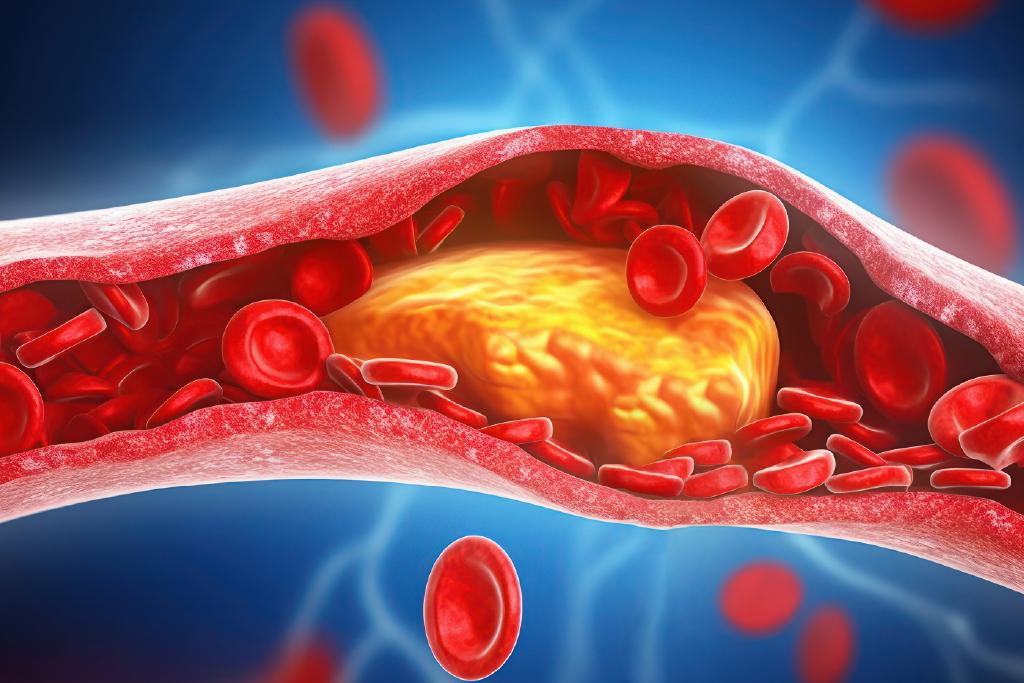
High cholesterol in your 20s usually comes down to one of three things: you inherited a “high LDL” tendency, your body is getting insulin-resistant, or a fixable issue like low thyroid is pushing your numbers up. The tricky part is that a standard lipid panel can look “mildly off” while your actual particle risk is higher (or lower) than you think, so a few targeted labs can help you figure out which story fits you. If you’re staring at a lab report and thinking, “I’m 24—how is this happening?”, you’re not alone. Cholesterol is not a moral scorecard, and it is not only about what you ate last week. It’s a mix of genetics, how your liver packages fat for transport, and how your metabolism handles sugar and insulin. This page walks you through the most common reasons cholesterol runs high in your 20s, what tends to help in real life, and which blood tests can make the plan more precise. If you want help interpreting your exact numbers, PocketMD can talk it through with you, and Vitals Vault labs can help you confirm the underlying driver.
Why cholesterol can be high in your 20s
You inherited high LDL
Some people are born with LDL that runs high because their liver clears LDL particles more slowly. This can show up as LDL-C that is persistently elevated even when your diet is pretty reasonable, and it often comes with a strong family history of early heart disease. The takeaway is simple: if your LDL-C is very high (often 190 mg/dL or higher) or you have relatives with heart attacks in their 40s–50s, ask specifically about familial high cholesterol and get a deeper risk test like ApoB and Lp(a).
Insulin resistance is creeping in
When your body needs more insulin to keep blood sugar normal, your liver tends to make more triglyceride-rich particles, which can lower HDL and create smaller, denser LDL that is more likely to get into artery walls. You might notice this alongside belly-weight gain, energy crashes after carb-heavy meals, or slightly rising fasting glucose. A useful next step is to check triglycerides and consider an ApoB test, because ApoB tracks the number of atherogenic particles even when LDL-C looks only “borderline.”
Low thyroid is slowing clearance
Your thyroid hormone helps regulate how quickly your liver removes LDL from the blood, so an underactive thyroid (hypothyroidism) can push LDL and total cholesterol up. This matters because you can’t “out-diet” a hormone signal that is telling your body to conserve energy, and you may also feel colder than usual, constipated, or more fatigued. If your cholesterol rose without a big lifestyle change, a TSH blood test is a straightforward way to check whether thyroid is part of the picture.
Diet pattern is driving ApoB
For some people, the issue is not dietary cholesterol itself but a pattern that keeps the liver producing lots of LDL particles, such as frequent ultra-processed snacks, sugary drinks, or a calorie surplus that your body stores as fat. You can still be “not overweight” and have this happen, especially if your sleep is short or your activity is low. The practical takeaway is to focus on what changes particle production: more soluble fiber and protein at meals, fewer liquid sugars, and a consistent routine for 6–8 weeks before you recheck labs.
A medication is nudging numbers
Some medications can raise triglycerides or LDL in a way that surprises you, including certain acne treatments, steroids, and some hormonal contraceptives. The reason it matters is that you might blame yourself for a change that is partly a side effect, and the fix could be as simple as switching formulations or timing a recheck after a course ends. If your lipid change started after a new prescription, bring the timeline to your clinician and ask whether a repeat fasting lipid panel makes sense.
What actually helps lower it
Aim for ApoB reduction, not perfection
If you only chase LDL-C, you can miss the real target: the number of “bad” particles (ApoB) that can enter artery walls. When ApoB is high, lowering it is what reduces long-term risk, even if your LDL-C doesn’t look dramatic. Ask for ApoB and set a concrete goal with your clinician, because that turns vague advice into a measurable plan.
Build meals around soluble fiber
Soluble fiber binds bile acids in your gut, which forces your liver to use more cholesterol to replace them, and that can lower LDL over time. In real life, that looks like adding oats, beans, lentils, chia, or psyllium to a daily routine you can repeat. Give it 6–8 weeks and then recheck, because fiber changes are slow but surprisingly reliable when you stick with them.
Swap fats in a targeted way
Replacing saturated fats with unsaturated fats can lower LDL because your liver changes how it packages and clears lipoproteins. You do not need to fear all fat, but you do want more olive oil, nuts, seeds, and fatty fish, and fewer “hidden” saturated fats from butter-heavy coffees and processed foods. If you try this, keep the rest of your diet stable so you can actually see whether the swap moved your numbers.
Use exercise to fix triglycerides
If triglycerides are part of your pattern, regular movement helps your muscles burn circulating fat and improves insulin sensitivity, which lowers the liver’s push to overproduce particles. The most effective version is the one you will do: brisk walking after meals, cycling, or lifting two to three times per week. A simple goal is 10–15 minutes of movement after your biggest meal for a month, then recheck triglycerides and ApoB.
Treat the driver, not just the lab
If your TSH suggests low thyroid, or your Lp(a) is high because of genetics, the best “cholesterol plan” is different than if the issue is diet pattern alone. Thyroid treatment can improve LDL in the right person, while high Lp(a) often means you focus harder on lowering ApoB and other risk factors because Lp(a) itself is stubborn. Bring your labs to a clinician and ask, “What is the main driver for me, and what number are we targeting?”
Useful biomarkers to discuss with your clinician
LDL Cholesterol
LDL cholesterol is the primary target for cardiovascular risk reduction. Calculated LDL is accurate when triglycerides are below 400 mg/dL. Elevated LDL drives atherosclerosis and cardiovascular disease. Lower is generally better, with targets depending on individual risk factors. Calculated LDL Cholesterol uses the Friedewald equation to estimate LDL from total cholesterol, HDL cholesterol, and triglycerides. It's the most common method for LDL assessment.
Learn moreApolipoprotein B
Apolipoprotein B (ApoB) is the primary protein component of atherogenic lipoproteins including LDL, VLDL, and IDL particles. In functional medicine, ApoB is considered a superior predictor of cardiovascular risk compared to LDL cholesterol because it measures the actual number of atherogenic particles rather than just cholesterol content. Each atherogenic particle contains one ApoB molecule, making it a direct measure of particle number. High ApoB indicates increased cardiovascular risk even when LDL cholesterol…
Learn moreTriglycerides
Triglycerides are the primary form of stored fat and reflect carbohydrate metabolism and insulin sensitivity. In functional medicine, triglycerides are one of the most responsive biomarkers to dietary changes. Elevated triglycerides often indicate insulin resistance, metabolic syndrome, and increased cardiovascular risk. The triglyceride-to-HDL ratio is an excellent predictor of insulin sensitivity and particle size. High triglycerides contribute to small, dense LDL particles and reduced HDL function. Triglyceri…
Learn moreLab testing
Check ApoB, Lp(a), and TSH at Quest
starting from $99 panel with 100+ tests, one visit
No referral needed, and you can use the results to guide a focused plan
About 1 week
Schedule online — results typically within a week
Clear next steps
Guidance included, with follow-up care available
HSA / FSA
Eligible for pre-tax health spending accounts
Pro Tips
If your LDL-C is 190 mg/dL or higher, treat it like a “genetics until proven otherwise” situation and ask about familial high cholesterol, especially if a parent or sibling had early heart disease.
Recheck your lipids after 6–8 weeks of one clear change, because changing five things at once makes it impossible to know what actually worked for your body.
If your triglycerides are above 150 mg/dL, try a 10–15 minute walk after your largest meal for 30 days; it is one of the simplest ways to improve post-meal fat handling.
If you are worried about statins, write down exactly what you fear (muscle pain, fertility, liver issues) and bring it to your appointment; the conversation is much better when it is specific, and there are alternative dosing strategies for many people.
Ask your lab to report Lp(a) units (mg/dL vs nmol/L) and keep that result forever, because it is mostly genetic and usually only needs to be measured once.
Frequently Asked Questions
Is high cholesterol in your 20s always genetic?
No. Genetics can be the main driver, but insulin resistance, low thyroid (checked with TSH), and diet patterns that raise ApoB can also push cholesterol up in your 20s. A helpful clue is persistence: if LDL-C stays high across multiple tests and family members have early heart disease, genetics becomes more likely. If you can, check ApoB and Lp(a) once to clarify your baseline risk.
What LDL number is considered dangerous at age 25?
An LDL-C of 190 mg/dL or higher is a red flag at any age because it often suggests a genetic cause and a higher lifetime exposure. Numbers in the 160–189 mg/dL range can still matter a lot if you have a strong family history or high ApoB. If your LDL is high, ask for ApoB and Lp(a) so the plan is based on risk, not just one cholesterol line.
Can you lower cholesterol without statins in your 20s?
Sometimes, yes—especially when the main driver is insulin resistance, high triglycerides, or a diet pattern that is raising ApoB. Soluble fiber daily, targeted fat swaps, and consistent exercise can move LDL and triglycerides over 6–12 weeks, and you can prove it with repeat labs. If LDL-C is very high (often 190+), lifestyle alone may not be enough, so it’s worth discussing medication options early rather than waiting years.
Should you get ApoB tested if your LDL is only mildly high?
ApoB is especially useful when your LDL-C is borderline but you suspect higher particle risk, such as when triglycerides are elevated or you have a family history of early heart disease. It measures particle number, which is closer to the “traffic” that can get into artery walls. If you want one extra test beyond a basic lipid panel, ApoB is often the most informative.
How long does it take to see cholesterol improve after diet changes?
Most meaningful changes show up in about 6–8 weeks, because that is roughly how long it takes your liver and lipoprotein system to settle into a new pattern. If you are adding soluble fiber or changing fat sources, rechecking too early can make it look like “nothing worked” when you just haven’t given it time. Pick one or two changes you can repeat daily, then schedule a repeat lipid panel (and ApoB if possible) at the 2-month mark.