Why Chronic Pain Gets Worse Under Stress (and What Helps)
Chronic pain under stress often comes from nervous system sensitization, poor sleep recovery, and inflammation. Targeted labs available at Quest—no referral needed.





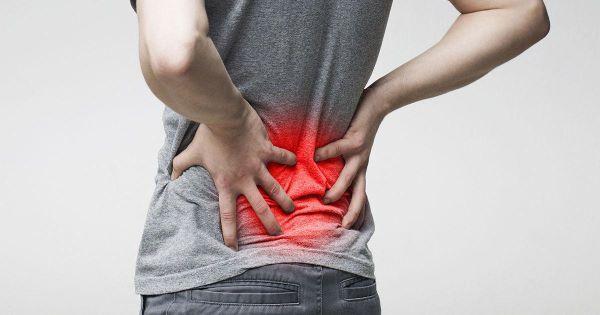
Chronic pain under stress usually isn’t “all in your head.” Stress hormones and adrenaline can turn up your body’s danger alarm, make your nerves more reactive (central sensitization), and wreck sleep so your tissues and brain don’t recover. In some people, stress also overlaps with real inflammation or autoimmune activity, which can keep pain signals loud. A few targeted blood tests can help you sort out whether inflammation is part of your picture or whether the main driver is a sensitized nervous system and poor recovery. Stress-related pain is frustrating because it feels unpredictable: one hard week at work and your back, joints, or whole body suddenly hurts more. That doesn’t mean you’re broken. It means your system is running “hot,” and small inputs now feel big. This page walks you through the most common mechanisms, what helps in real life, and which labs can be useful. If you want help matching your exact pattern to the most likely causes, PocketMD can help you think it through, and Vitals Vault labs can help you check the inflammation side without a referral.
Why chronic pain flares under stress
Your nerves become overprotective
When you’re under ongoing stress, your brain and spinal cord can start amplifying normal signals into pain, which is often called pain sensitization (central sensitization). It can feel like your body is “too loud,” where light touch, normal movement, or a minor strain triggers outsized pain. The takeaway is that more imaging or “finding the one bad spot” is not always the answer; calming the alarm system becomes part of treatment.
Stress tightens muscles and joints
Stress makes you brace without noticing, especially in your jaw, neck, shoulders, and low back. That constant tension reduces blood flow to muscles and irritates trigger points, so you get aching, burning, or tension headaches that seem to come from nowhere. If your pain is worse after long meetings, driving, or scrolling, your first clue may be posture plus stress, not a new injury.
Sleep loss blocks pain recovery
Even a few nights of short or broken sleep lowers your pain threshold and increases next-day sensitivity. You might notice that the same activity that was fine last month now causes a flare, because your nervous system never fully resets overnight. If your pain spikes after nights of racing thoughts, snoring, or frequent waking, treating sleep like a medical issue is a high-yield move.
Inflammation can ride along
Stress doesn’t directly “cause” autoimmune disease, but it can worsen inflammatory activity and make flares harder to control. When inflammation is involved, pain often comes with morning stiffness that lasts more than 30–60 minutes, swelling, warmth, or a deep fatigue that feels flu-like. This is where blood tests such as hs-CRP and ESR can be useful, because they help separate inflammatory pain from primarily sensitization-driven pain.
Mood and pain feed each other
Anxiety and low mood change how your brain filters threat, and pain itself is a constant threat signal. That loop can make pain feel more widespread and harder to predict, and it can also make you avoid movement, which then makes your body decondition and hurt more. If you notice pain rising with worry, irritability, or a sense of dread, addressing mood is not “extra”—it is directly pain-relevant.
What actually helps when stress drives pain
Use pacing, not push-crash
If you alternate overdoing it with days in bed, your nervous system learns that activity equals danger. Try a two-week pacing experiment: pick one daily baseline activity you can do even on a bad day, and increase it by about 10% per week if you recover within 24 hours. This approach is boring, but it is one of the fastest ways to reduce flare frequency.
Downshift your body on purpose
When pain is stress-amplified, your body needs repeated signals of safety. A practical option is 5 minutes of slow breathing twice daily, aiming for a longer exhale than inhale, because that nudges your “rest and digest” system (parasympathetic) online. Pair it with a short body scan where you unclench your jaw and drop your shoulders, and you often feel pain intensity soften within a week.
Treat sleep like a treatment
Start with one change that improves continuity: keep wake time fixed, and set a 30-minute wind-down where you dim lights and stop problem-solving. If you wake at 3 a.m. with your mind racing, get out of bed and do something quiet until sleepy again, because struggling in bed trains your brain to associate bed with stress. If snoring, gasping, or morning headaches are part of your story, ask about sleep apnea testing, because no pain plan works well without oxygenated sleep.
Choose movement that feels safe
For stress-linked pain, the best exercise is the one your nervous system tolerates. Start with low-threat movement such as walking, gentle cycling, water exercise, or a short mobility routine, and keep intensity low enough that you can talk in full sentences. If you consistently flare after workouts, lower intensity before you lower frequency, because consistency is what retrains sensitivity.
Match meds to the mechanism
Anti-inflammatories can help when inflammation is truly present, but they often disappoint when sensitization and sleep disruption are the main drivers. For nerve-amplified pain, clinicians sometimes use medications that target nerve signaling and sleep quality, and they may also treat anxiety directly because it changes pain processing. If you are relying on frequent opioids or escalating doses, that is a good moment to ask about safer long-term options and the risk of opioid-induced sensitivity (hyperalgesia).
Useful biomarkers to discuss with your clinician
Hs Crp
High-sensitivity C-reactive protein (hs-CRP) is a key marker of systemic inflammation and cardiovascular risk. In functional medicine, we recognize hs-CRP as one of the most important predictors of heart disease, stroke, and metabolic dysfunction. Levels above 1.0 mg/L indicate increased inflammation that may be driven by poor diet, chronic infections, autoimmune conditions, or metabolic syndrome. Optimal levels below 0.5 mg/L are associated with the lowest cardiovascular risk and overall inflammatory burden. hs…
Learn moreCortisol, Total
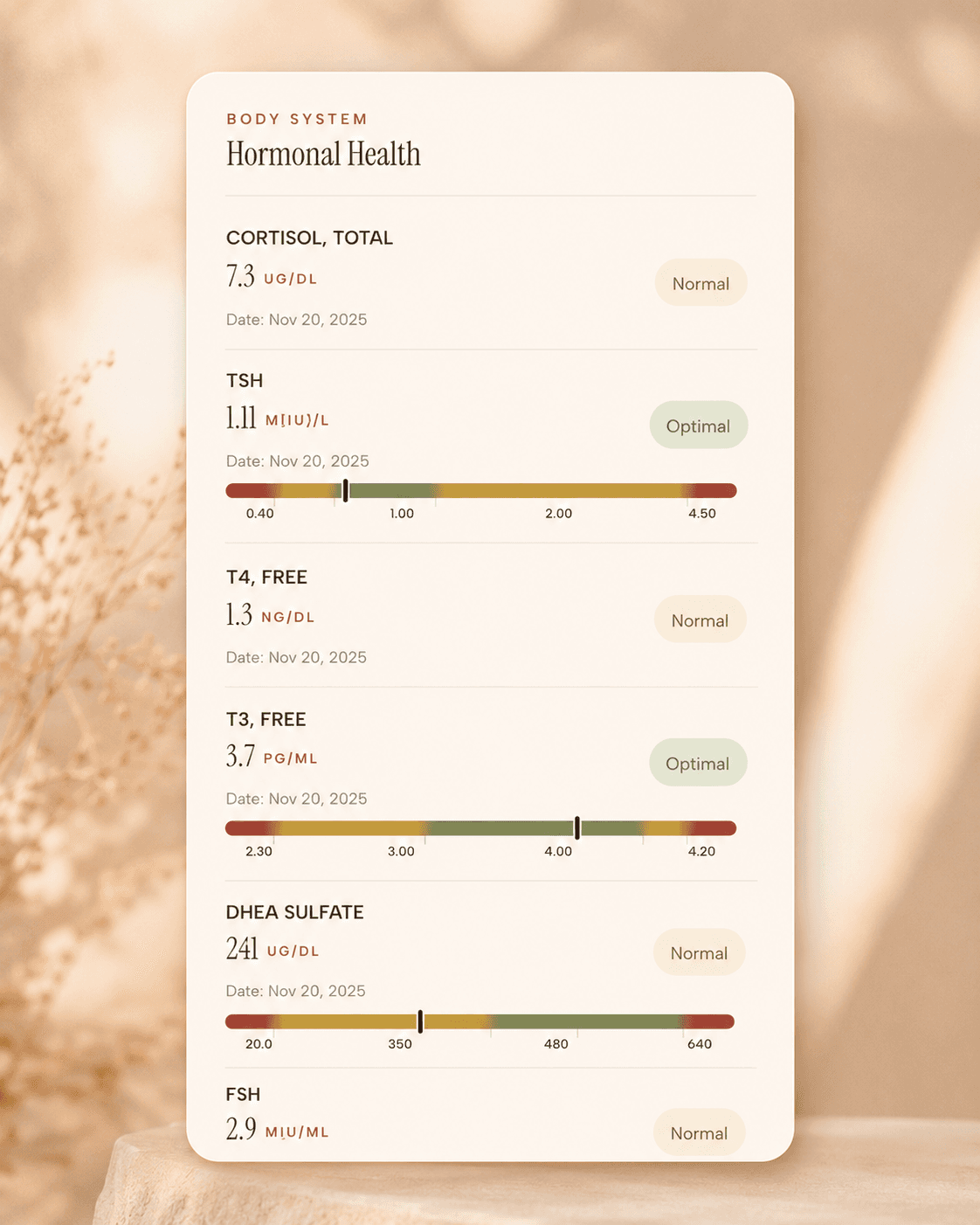
Cortisol is the primary stress hormone that regulates metabolism, immune function, and blood pressure. In functional medicine, cortisol assessment is crucial for understanding stress response and its impact on overall health. Chronic elevation suppresses testosterone production and immune function, while low cortisol indicates adrenal insufficiency. Optimal cortisol rhythm supports energy, mood stability, and hormone balance. Cortisol orchestrates the body's stress response and daily energy rhythms. Balanced cor…
Learn moreFerritin
Ferritin is your body's iron storage protein, reflecting total iron stores in the body. In functional medicine, ferritin assessment is crucial for identifying both iron deficiency and iron overload, conditions that can significantly impact energy levels and overall health. Low ferritin is the earliest sign of iron deficiency, often occurring before anemia develops. This can cause fatigue, weakness, restless leg syndrome, and cognitive impairment. Conversely, elevated ferritin may indicate iron overload, inflamma…
Learn moreLab testing
Check hs-CRP, ESR, and TSH at Quest
starting from $99 panel with 100+ tests, one visit
No referral needed
About 1 week
Schedule online — results typically within a week
Clear next steps
Guidance included, with follow-up care available
HSA / FSA
Eligible for pre-tax health spending accounts
Pro Tips
Try a “flare autopsy” once, not forever: write down what changed in the 48 hours before a flare (sleep hours, conflict, deadlines, extra activity), and you’ll usually spot one repeatable trigger you can actually modify.
If your pain is widespread, pick one body area to “de-threaten” with gentle exposure, like 3 minutes of slow neck range-of-motion twice daily, and keep it below a 3/10 pain increase so your brain stops bracing against it.
Use heat for muscle guarding and ice for sharp, hot inflammation, but set a timer for 15–20 minutes so you don’t irritate your skin and accidentally add a new problem to your pain day.
When stress hits, reduce decisions: pre-plan a 10-minute routine you can do on autopilot (breathing, short walk, shower, simple meal), because decision fatigue is a sneaky pain amplifier.
If you suspect inflammatory pain, take a photo of any visible swelling and note morning stiffness duration in minutes for a week; that single detail often changes how a clinician interprets your story.
Frequently Asked Questions
Can stress really cause chronic pain, or is something else wrong?
Stress can make chronic pain feel stronger by turning up your body’s threat response and amplifying nerve signals, even when there is no new injury. That said, stress can also overlap with real inflammation or thyroid problems, which is why tests like hs-CRP, ESR, and TSH can be helpful. If you have swelling, fevers, unexplained weight loss, or new weakness, get evaluated rather than assuming it is “just stress.”
Why does my pain get worse after a stressful week?
A stressful week often means more muscle tension, worse sleep, and less recovery time, and all three lower your pain threshold. Your nervous system also learns patterns, so if stress has preceded flares before, your body can start reacting earlier and more intensely. Try tracking sleep hours and flare intensity for two weeks, because the sleep–pain link is often the clearest lever.
Is chronic pain under stress the same as fibromyalgia?
They can overlap, but they are not identical. Fibromyalgia is a specific chronic pain syndrome that often involves widespread pain, unrefreshing sleep, and brain fog, and stress commonly worsens it. If your pain is widespread and you also wake up feeling un-rested most days, bring that pattern to your clinician and ask whether a fibromyalgia-style plan (sleep, pacing, nervous system calming) fits.
What blood tests are worth doing for stress-related chronic pain?
If your goal is to check whether inflammation or thyroid issues are adding to your pain, hs-CRP and ESR can screen for inflammatory activity, and TSH can flag thyroid-related aches and fatigue. These tests do not “diagnose” stress, but they can rule in or rule out common contributors that change treatment. If results are abnormal, follow up to interpret them alongside symptoms rather than trying to self-treat based on one number.
When should I worry that my pain is something serious?
Take new severe pain seriously if it comes with chest pressure, shortness of breath, sudden weakness or numbness, loss of bladder or bowel control, a high fever, or a hot swollen joint. Those patterns can signal emergencies or infections that need urgent care. If your pain is steadily worsening over weeks with night sweats or unexplained weight loss, schedule a prompt medical visit and bring a short symptom timeline.