Blood Pressure Spikes in Working Women: What They Mean and What to Do
Blood pressure spikes in working women often come from stress surges, sleep loss, or hidden thyroid/kidney issues. Targeted labs available—no referral needed.






Blood pressure spikes in working women usually happen when your “fight-or-flight” system surges under stress, when sleep debt and caffeine push your nervous system into overdrive, or when an underlying issue like thyroid overactivity or kidney strain makes your baseline more reactive. The pattern matters: a true spike is different from a consistently high average, and home readings plus a few targeted labs can help you tell which one you’re dealing with. If you’ve ever watched your numbers jump after a tense meeting and then worried about stroke risk for the rest of the day, you’re not being dramatic. Blood pressure is designed to rise briefly when your body thinks it needs to perform, but modern work stress can keep that switch half-on. This page walks you through the most common reasons spikes happen, what helps in the moment and over the next few weeks, and which blood tests can uncover “hidden” drivers. If you want help making sense of your pattern, PocketMD can talk it through with you, and Vitals Vault labs can help you check the most relevant markers without turning this into a months-long project. If you ever see readings around 180/120 or you have chest pain, severe shortness of breath, one-sided weakness, or trouble speaking, treat that as urgent and get emergency care.
Why your blood pressure spikes at work
Stress surge and adrenaline spikes
When you’re under pressure, your body releases stress hormones that tighten blood vessels and speed up your heart, which can make your top number jump quickly. This can feel like a pounding pulse, flushed face, or a sudden “I can’t calm down” sensation even if you look fine on the outside. The key clue is timing: if the spike tracks closely with meetings, deadlines, or conflict and then eases within an hour, your nervous system is probably the main driver.
Sleep debt makes you reactive
Short sleep doesn’t just make you tired; it makes your blood vessels less able to relax and it raises your baseline stress tone the next day. That means a normal trigger, like rushing to get to work, can produce a bigger blood pressure jump than it used to. If your spikes cluster after late nights, early shifts, or frequent awakenings, treating sleep like a medical lever (not a luxury) often changes the numbers within weeks.
Caffeine, decongestants, and stimulants
Coffee and energy drinks can raise blood pressure for a few hours, especially if you’re sensitive or you drink them when you’re already stressed. Some cold medicines that contain “decongestants” (like pseudoephedrine) can do the same by tightening blood vessels, and ADHD stimulants can amplify that effect. A practical test is to measure your blood pressure before your first dose and again about 60–90 minutes later for a few days, so you can see your personal response instead of guessing.
Perimenopause and hormone shifts
In your 40s and 50s, changing estrogen levels can make your blood vessels stiffer and your stress response more jumpy, even if your average blood pressure used to be fine. You might notice spikes alongside hot flashes, night sweats, or a racing heart that seems to come out of nowhere. If this sounds like you, it’s worth tracking where you are in the cycle (or whether cycles are changing) because the pattern can guide what kind of support actually helps.
Hidden medical drivers you can miss
Sometimes spikes are a clue that something else is pushing your system, such as an overactive thyroid, early kidney strain, or a hormone imbalance that makes you retain salt. These causes matter because they can turn “situational spikes” into a higher long-term average if they go untreated. If your readings are jumping even on calm days, or you’re seeing frequent numbers above 140/90 at home, that’s a good moment to bring in labs and a clinician’s input.
What actually helps calm spikes
Use a 5-minute downshift routine
When you feel a spike coming, sit with your back supported, put both feet on the floor, and breathe out longer than you breathe in for about five minutes. Longer exhales nudge your nervous system toward “rest-and-digest,” which can lower the pressure in your vessels in real time. Recheck after 5–10 minutes, because one high reading is information, but the trend after rest is what guides next steps.
Fix measurement mistakes at home
A cuff that’s too small, talking during the reading, or measuring right after walking from your car can create a “fake spike” that still scares you. Use an upper-arm cuff, rest quietly for five minutes, keep your arm supported at heart level, and take two readings one minute apart. If the second number drops a lot, your body may be settling, and you’ve just learned that your first reading tends to overshoot.
Build a workday trigger map
For two weeks, write down the time of each high reading and what happened in the 30 minutes before, including whether you had caffeine, a tough conversation, or skipped lunch. Patterns show up fast, and once you see them you can intervene earlier, like taking a brief walk before the meeting that reliably spikes you. This turns “random scary numbers” into a problem you can actually manage.
Adjust stimulants and salt timing
If caffeine is part of your routine, try shifting it earlier, reducing the dose, or pairing it with food, because an empty-stomach energy drink is a common spike setup. If you eat most of your salty foods at lunch during a hectic day, you may also notice afternoon swelling or headaches along with higher readings. A simple experiment is to keep caffeine steady but lower midday sodium for a week, then compare your afternoon averages.
Treat the baseline, not just spikes
If your home average is consistently above 130/80, spikes are more likely because you’re starting from a higher launchpad. That’s when lifestyle changes and, for many people, medication are not a “failure,” but a way to protect your brain, kidneys, and heart while you work on the long game. Bring a 7-day home log to your clinician so decisions are based on your real life, not one anxious office reading.
Useful biomarkers to discuss with your clinician
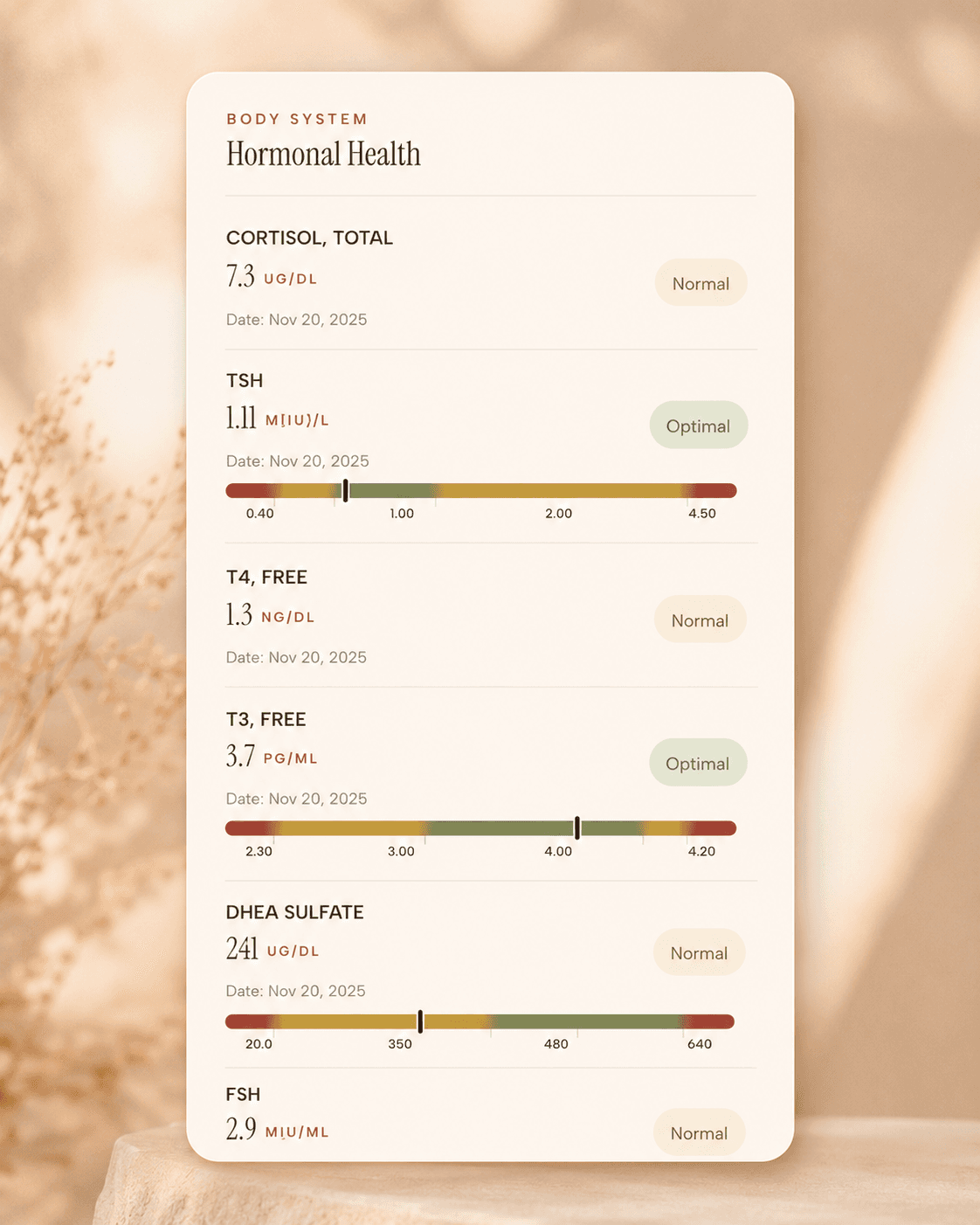
Cortisol, Total
Cortisol is the primary stress hormone that regulates metabolism, immune function, and blood pressure. In functional medicine, cortisol assessment is crucial for understanding stress response and its impact on overall health. Chronic elevation suppresses testosterone production and immune function, while low cortisol indicates adrenal insufficiency. Optimal cortisol rhythm supports energy, mood stability, and hormone balance. Cortisol orchestrates the body's stress response and daily energy rhythms. Balanced cor…
Learn moreTSH
TSH is the master regulator of thyroid function, controlling the production of thyroid hormones T4 and T3. In functional medicine, we use narrower TSH ranges than conventional medicine to identify subclinical thyroid dysfunction early. Even mildly elevated TSH can indicate thyroid insufficiency, leading to fatigue, weight gain, depression, and metabolic dysfunction. TSH levels are influenced by stress, nutrient deficiencies, autoimmune conditions, and environmental toxins. Optimal TSH supports energy, metabolism…
Learn moreEstradiol
Estradiol in men is produced from testosterone via aromatase enzyme. In functional medicine, we recognize that men need optimal estradiol levels for bone health, cognitive function, and cardiovascular protection. However, excessive estradiol can suppress testosterone production and cause feminizing effects. The testosterone-to-estradiol ratio is crucial for male health, with optimal balance supporting vitality while preventing estrogen dominance. Balanced estradiol levels in men support bone health and cognitive…
Learn moreLab testing
Check TSH, creatinine with eGFR, and aldosterone/renin at Quest
starting from $99 panel with 100+ tests, one visit
No referral needed
About 1 week
Schedule online — results typically within a week
Clear next steps
Guidance included, with follow-up care available
HSA / FSA
Eligible for pre-tax health spending accounts
Pro Tips
Do a “two-number check” when you’re anxious: take one reading, sit quietly for five minutes, then take a second. If the second drops by 10–20 points, your body is settling and you can focus on calming rather than catastrophizing.
If meetings trigger spikes, take your blood pressure 15 minutes before the meeting on a calm day and again 15 minutes after. That comparison tells you whether the meeting is truly driving the change or whether your spikes are happening at random times too.
Try a caffeine challenge that is specific, not vague: keep your total caffeine the same, but move it to before 10 a.m. for one week. Many people see fewer afternoon spikes because the stimulant is no longer stacking on top of midday stress.
If you’re getting spikes with palpitations, write down your heart rate with the blood pressure reading. A high heart rate plus high pressure points more toward a stress or thyroid driver than a pure salt-and-fluid issue.
Bring your cuff to a pharmacy or clinic once and compare it with their reading on the same arm. If your device runs high, you’ll stop chasing “spikes” that are really a calibration problem.
Frequently Asked Questions
Are sudden blood pressure spikes dangerous?
A brief spike from stress is common, but repeated spikes still matter because they can signal that your baseline blood pressure is creeping up or that your nervous system is stuck in overdrive. A single high number is less important than your weekly average and how often you exceed about 140/90 at home. If you ever see around 180/120 or you have chest pain, severe shortness of breath, weakness on one side, or trouble speaking, get emergency care.
Why is my blood pressure high at work but normal at home?
Work can trigger a real stress response that tightens your blood vessels, and that can raise readings even if you’re “fine” at home. It can also be a measurement issue if you’re checking at your desk right after walking, talking, or drinking coffee. Try a standardized work reading: sit quietly for five minutes, take two readings, and compare that average with your home average over 7 days.
Can anxiety cause blood pressure spikes even if I’m healthy?
Yes, anxiety can raise blood pressure temporarily because your body releases adrenaline, which increases heart rate and vessel tone. The clue is that the number often comes down after 5–10 minutes of quiet breathing and a repeat reading. If your readings stay elevated even when you feel calm, it’s worth checking for a higher baseline and considering labs like TSH and kidney function.
What blood pressure number should make me go to the ER?
If your reading is around 180/120 or higher and it stays that high after a few minutes of rest, you should get urgent medical evaluation, especially if you have symptoms. Symptoms that raise the stakes include chest pain, severe headache with confusion, fainting, shortness of breath, or stroke-like signs such as weakness or trouble speaking. If you’re unsure, treat it as urgent and get checked rather than trying to “wait it out.”
What labs help explain blood pressure spikes in women?
TSH can flag an overactive thyroid that makes your heart and blood vessels more reactive, and creatinine with eGFR checks whether kidney filtration is contributing to higher baseline pressure. If spikes are frequent, hard to control, or paired with low potassium, an aldosterone-to-renin ratio can look for a hormone pattern that drives salt retention. The most useful next step is to pair labs with a 7-day home blood pressure log so results match your real-world pattern.
Research and guidelines worth knowing about
2017 ACC/AHA guideline for high blood pressure in adults (definitions, home BP, treatment thresholds)
USPSTF recommendation on screening for high blood pressure and confirming diagnosis with out-of-office readings
Scientific statement on blood pressure measurement accuracy and best practices (why technique changes results)