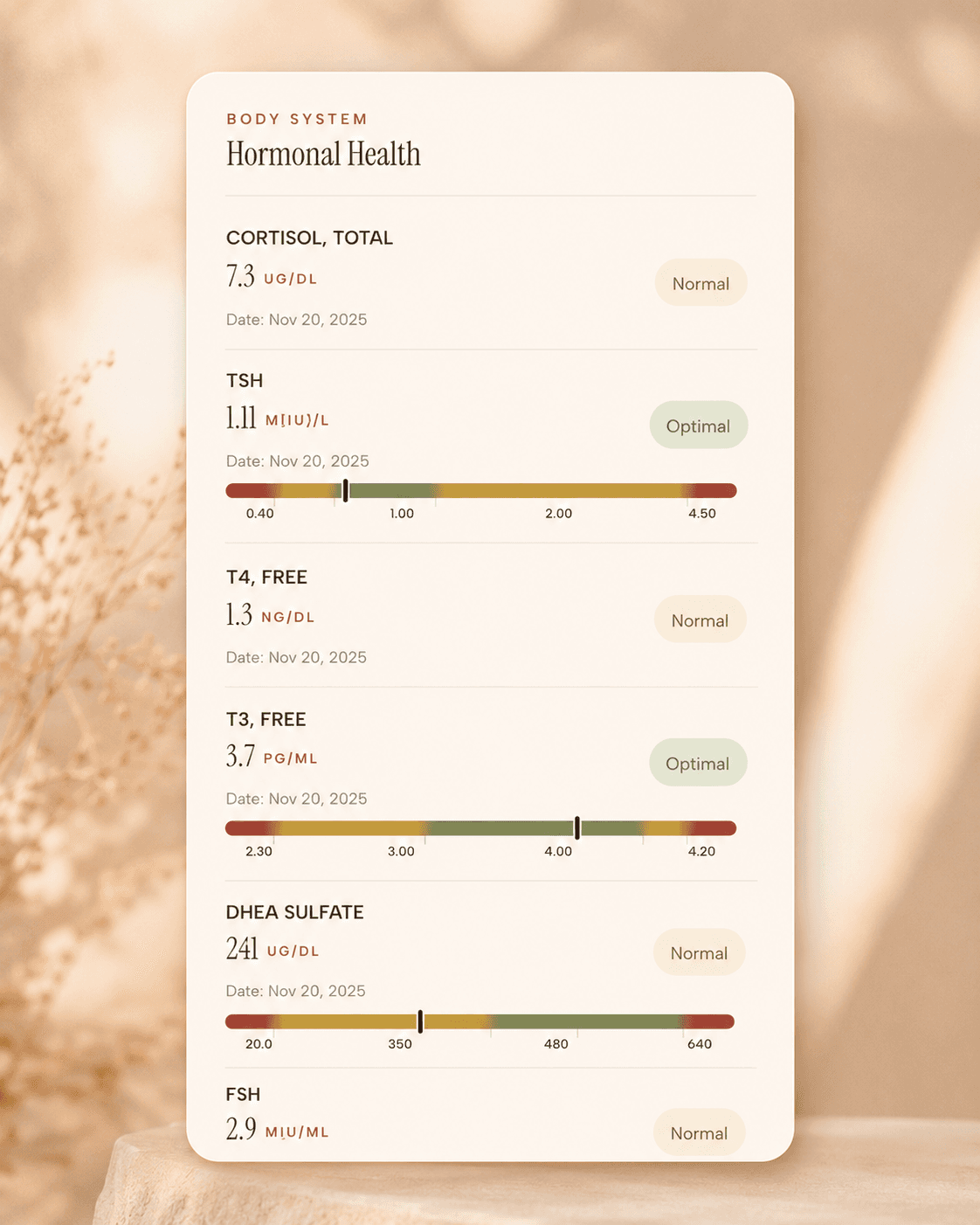
Symptoms of Low Neutrophils: Infection Risk, Causes, and What to Do
Low neutrophils often reflect medication effects or viral illness; normal ANC is ~1.5–7.5 x10^9/L. Track your trend and act fast, no referral needed.




Low neutrophils usually means your body has fewer of its main bacteria-fighting white blood cells available, which can raise your infection risk depending on how low the number is. The most common reasons are medication effects (especially chemotherapy and some immune-suppressing drugs) and recent viral illness, and the “so what” depends on your absolute neutrophil count (ANC) and whether you have fever or symptoms. Neutrophils are the fast-responding immune cells that move into tissues to kill bacteria and help contain infections early. When your ANC drops, you might feel completely normal, but you can also get infections that start subtly and then escalate quickly. This article walks you through why neutrophils fall, what you might notice, what you can do right now to reduce risk and support recovery, and when a low result needs prompt medical attention. If you want help interpreting your exact ANC in context of your meds, recent illnesses, and other blood counts, PocketMD can help you think it through, and VitalsVault makes it easy to retest and track your trend over time.
Why Are Your Neutrophils Low?
Medication effects on bone marrow
Many medicines can temporarily slow down your bone marrow, which is where neutrophils are made. Chemotherapy is the classic cause, but some antibiotics, anti-thyroid drugs, anti-seizure medicines, and immune-suppressing treatments can do it too. If your low ANC started after a new medication or dose change, the timing is an important clue to bring to your clinician.
Recent viral illness
Viruses can suppress neutrophil production for a short period or shift white blood cells in a way that makes neutrophils look low on a snapshot test. This is common after colds, flu, COVID-19, and stomach viruses, even if you are already feeling better. In this situation, the next step is often a repeat CBC in a week or two to confirm the count is rebounding.
Autoimmune attack on neutrophils
Sometimes your immune system mistakenly targets neutrophils or their precursors, which lowers the circulating count. This can happen on its own or alongside autoimmune conditions, and it often shows up as a persistent or recurring pattern rather than a one-time dip. If your ANC stays low and you also have joint pain, rashes, mouth sores, or unexplained inflammation, it is worth asking about an autoimmune workup.
Nutrient deficiencies that limit cell production
Your bone marrow needs key nutrients to build white blood cells, and low vitamin B12, folate, or copper can contribute to low neutrophils. This cause is more likely if you also have anemia, larger-than-usual red blood cells, digestive symptoms, or a restrictive diet. The good news is that counts can improve once the deficiency is identified and treated, but you want the cause of the deficiency addressed as well.
Bone marrow disorders or infiltration
Less commonly, neutrophils are low because the marrow is not functioning normally due to a marrow disorder or because it is crowded out by another process. This is more concerning when neutropenia is persistent and accompanied by other low blood lines, such as low platelets or low hemoglobin, or by symptoms like easy bruising or frequent infections. In that pattern, clinicians usually move beyond “wait and retest” and look for a clear diagnosis.
Normal level of neutrophils (ANC)
Reference intervals differ by laboratory, assay, age, and sex — use your report's own columns as primary.
| Measure | Typical range (adult, general) | Notes |
|---|---|---|
| Absolute neutrophil count (ANC) | 1.5–7.5 x10^9/L (1,500–7,500/µL) | VitalsVault optimal: ~2.0–6.5 x10^9/L for many adults. Mild neutropenia is often 1.0–1.5, moderate 0.5–1.0, and severe <0.5 x10^9/L, which meaningfully increases bacterial and fungal infection risk. |
What You Might Notice When Neutrophils Are Low
Fever that seems out of proportion
When neutrophils are low, your body may not contain bacteria early, so fever can be the first and sometimes only obvious sign. This matters most if your ANC is below 1.0 x10^9/L, and it becomes urgent if it is below 0.5. If you are on chemotherapy or immune-suppressing meds, a fever should be treated as time-sensitive.
Mouth sores or gum infections
Your mouth has a lot of bacteria, and neutrophils normally keep them in check. With neutropenia, you can develop painful mouth ulcers, swollen gums, or dental infections that flare quickly. These symptoms are a practical early warning that your immune defenses are stretched and you should not “wait it out” if they are worsening.
Skin infections that spread faster than usual
Neutrophils are central to controlling skin bacteria, so you may notice boils, infected cuts, or redness that expands beyond what you would expect from a small injury. Sometimes there is less pus than usual because pus is largely made of neutrophils. Any rapidly spreading redness, warmth, or tenderness deserves prompt evaluation when your ANC is low.
Sore throat or sinus symptoms that linger
A low neutrophil count can make common respiratory infections harder to clear, so a sore throat, sinus pressure, or cough can persist or rebound after seeming to improve. The key clue is the pattern: symptoms that keep returning, or that worsen despite rest and fluids. If you are neutropenic, clinicians often have a lower threshold to test and treat because complications can develop faster.
You might feel completely fine
It is very common to have low neutrophils with no symptoms at all, especially with mild neutropenia or a transient dip after a virus. That does not mean the result is meaningless, but it does mean the next step is usually context plus a repeat test rather than panic. Your risk is driven more by the ANC level and trend than by how you feel on a single day.
How to Raise Neutrophils Toward Normal Range
Confirm the ANC and trend it, not just once
Neutrophils can swing day to day, and different labs report either a neutrophil percentage or an ANC, which is the number that best predicts infection risk. If your result is mildly low and you feel well, a repeat CBC with differential is often the most useful “first step” to see if you are recovering. If the ANC is falling or staying low across repeats, the plan shifts from monitoring to finding the cause.
Review medications and timing with your clinician
If a drug is suppressing your marrow, the most effective way to raise neutrophils is adjusting the medication plan, not adding supplements. Do not stop a prescribed medication on your own, especially chemotherapy or immune-suppressing therapy, but do bring your ANC and symptoms to the prescriber quickly. In some settings, clinicians use a growth factor shot (G-CSF) to help your marrow produce neutrophils faster.
Correct B12, folate, or copper deficiencies if present
If testing shows a deficiency, replacing it can support marrow recovery and improve neutrophil production over weeks to a few months. The details matter, because the right dose and route depend on why you are deficient, such as malabsorption after gastric surgery or untreated coeliac disease. If you suspect a deficiency, ask for targeted labs rather than guessing with a supplement stack.
Reduce infection exposure while your count is low
This does not “raise” the number directly, but it lowers the chance that a temporary neutropenia turns into a serious infection. Focus on hand hygiene, avoiding close contact with sick people, and being careful with high-risk foods if your clinician has advised a neutropenic diet during severe neutropenia. If you develop fever, chills, or new localized pain, treat it as a reason to contact care promptly rather than waiting for the next scheduled lab.
Support recovery with sleep, protein, and enough calories
Your immune system and bone marrow are energy-intensive, so under-eating and poor sleep can slow recovery from illness and make it harder to rebuild blood cells. Aim for regular meals with adequate protein, and prioritize sleep during the weeks you are trending your counts. If your low ANC is driven by chemotherapy, autoimmune disease, or a marrow condition, lifestyle support helps your resilience but it will not replace medical treatment.
When to see a doctor
If your ANC is below 1.0 x10^9/L (1,000/µL), you should contact a clinician promptly for a plan, and if it is below 0.5 x10^9/L (500/µL) the infection risk is high enough that new symptoms need urgent evaluation. Seek urgent care the same day for any fever (often defined as 38.0°C/100.4°F or higher), shaking chills, shortness of breath, confusion, or rapidly spreading skin redness, especially if you are on chemotherapy or immune-suppressing medication. A single mild low result without symptoms is often worth a repeat CBC first, but a confirmed downward trend should not be self-managed. On VitalsVault, trending neutrophils alongside lymphocytes, monocytes, and total white blood cell count helps your low ANC land in context.
Frequently Asked Questions
Is low neutrophils (neutropenia) dangerous?
It can be, but the risk depends mainly on how low your ANC is and whether it is temporary or persistent. Mild neutropenia (ANC 1.0–1.5) often causes no problems, while severe neutropenia (ANC <0.5) significantly raises the risk of serious bacterial and fungal infections. If you have fever or you are receiving chemotherapy, treat a low ANC as time-sensitive and contact your care team.
What ANC level is considered severe neutropenia?
Severe neutropenia is typically defined as an ANC below 0.5 x10^9/L (500/µL). At that level, infections can progress quickly and may not produce typical signs like pus. If you are in this range, ask your clinician for a clear fever plan and when to go to the ER.
Can stress or lack of sleep cause low neutrophils?
Stress and poor sleep can affect immune function, but they are not common causes of a clearly low ANC on their own. A recent viral illness, medication effect, or a nutrient deficiency is more likely to explain a low lab flag. If your result is only slightly low, repeating the CBC after recovery and good rest can help confirm whether it was a temporary dip.
How quickly can neutrophils recover after a virus or chemotherapy?
After a routine viral illness, neutrophils often rebound within days to a couple of weeks, which is why clinicians commonly recheck a CBC rather than labeling it a chronic problem right away. After chemotherapy, the lowest point often occurs about 7–14 days after treatment, and recovery timing depends on the regimen and whether growth factor support is used. If you are tracking counts, focus on the trend across repeat tests rather than a single number.
What should I do if I have a fever and low neutrophils?
If you know your ANC is low and you develop a fever (commonly 38.0°C/100.4°F or higher), contact your clinician or oncology team immediately, because you may need urgent evaluation and antibiotics. Do not take fever-reducing medication to “see if it goes away” without guidance, since it can mask a key warning sign. If you cannot reach your care team quickly, go to urgent care or the ER and tell them you are neutropenic.
Research
IDSA clinical practice guideline for antimicrobial prophylaxis in adult patients with cancer-related immunosuppression
ASCO/IDSA guideline update: outpatient management of fever and neutropenia in adults treated for malignancy
NCCN Guidelines: Prevention and Treatment of Cancer-Related Infections (neutropenia risk stratification and management)
Related Pages
Other Tests That Help Explain a Low Neutrophil Result
Folate, Serum
Folate (vitamin B9) is crucial for DNA synthesis, cell division, and one-carbon metabolism. In functional medicine, adequate folate is essential for cardiovascular health, cognitive function, and preventing neural tube defects during pregnancy. Folate works synergistically with B12 and B6 in methylation reactions that affect homocysteine levels, neurotransmitter synthesis, and gene expression. The synthetic form, folic acid, may not be well-utilized by individuals with MTHFR gene variants, making natural folate…
Learn moreVitamin B12
Vitamin B12 (cobalamin) is essential for DNA synthesis, red blood cell formation, neurological function, and energy metabolism. In functional medicine, we recognize that B12 deficiency is surprisingly common, especially in older adults, vegetarians, vegans, and those with digestive issues. B12 deficiency can cause irreversible neurological damage if left untreated. The vitamin is crucial for methylation reactions, which affect cardiovascular health, detoxification, and gene expression. Even subclinical deficienc…
Learn moreWhite Blood Cell Count
White blood cell count (WBC) measures the total number of immune cells and is fundamental for assessing immune system health. In functional medicine, WBC count reflects immune system activity, infection status, and overall health resilience. Low WBC may indicate immunosuppression, nutritional deficiencies, or bone marrow dysfunction. High WBC suggests infection, inflammation, stress, or hematologic conditions. The WBC differential provides detailed information about specific immune cell types and their functions…
Learn moreLab testing
Keeping an eye on your neutrophils over time? Track ANC trends with a full panel at Quest
starting from $99 panel with 100+ tests, one visit
No referral needed
About 1 week
Schedule online — results typically within a week
Clear next steps
Guidance included, with follow-up care available
HSA / FSA
Eligible for pre-tax health spending accounts