Symptoms of Low Cortisol Levels: Causes, Ranges, and What to Do
Low cortisol can reflect adrenal insufficiency or steroid withdrawal—morning cortisol is often ~6–18 µg/dL. Retest with ACTH at Quest, no referral needed.




Low cortisol means your body may not be making enough of its main “get-through-the-day” stress hormone, or that your cortisol is temporarily suppressed after using steroid medications. The most common real-world reasons are adrenal gland underproduction (adrenal insufficiency) and suppression of your hormone system after prednisone or similar steroids. Because cortisol changes by time of day and by illness, one low result needs context before you assume the worst. Cortisol is made by your adrenal glands and helps you maintain blood pressure, blood sugar, energy, and a steady response to physical stress like infection or surgery. When it is low, you can feel wiped out, lightheaded, or unusually unable to handle stressors that you would normally tolerate. In this guide, you’ll learn what causes low cortisol, what symptoms tend to show up, what you can do safely while you’re getting evaluated, and which companion tests help your result make sense. If you want help interpreting your exact number and timing, PocketMD can walk through your report with you, and VitalsVault makes it easy to retest and track trends.
Why Is Your Cortisol Low?
Adrenal glands not producing enough
Sometimes the adrenal glands themselves cannot make enough cortisol, which is called adrenal insufficiency (Addison’s disease). This can happen after autoimmune damage, infection, bleeding into the glands, or other adrenal injury. If your low cortisol is paired with low blood pressure, weight loss, salt craving, or darkening of the skin, clinicians take this cause seriously because it can worsen quickly during illness.
Pituitary signal to the adrenals is low
Your pituitary gland tells your adrenals to make cortisol using a hormone called ACTH. If that signal is low, your adrenals may be capable, but they are not being “asked” to produce, which is called secondary adrenal insufficiency. This can follow pituitary tumors, pituitary surgery, head injury, or long-term opioid use, and it often shows up as fatigue and low stamina without the skin darkening seen in primary adrenal problems.
Steroid medications suppress your cortisol
Prednisone, methylprednisolone, dexamethasone, and even frequent high-dose steroid injections or potent steroid creams can suppress your body’s own cortisol production. Your brain senses the medication and turns down ACTH, so your adrenals “idle” for a while. This is one of the most common explanations for low cortisol in people who have used steroids in the last weeks to months, especially if the dose was high or the course was long.
Timing and test conditions make it look low
Cortisol has a strong daily rhythm, so a sample drawn later in the day can look low even when your morning cortisol is normal. Acute illness, poor sleep, shift work, and recent night shifts can also shift your peak earlier or later. If your result is only mildly low and the draw time was not a true morning sample, a correctly timed repeat test is often the first practical step.
Rare hormone and genetic causes
Less commonly, low cortisol can come from congenital adrenal hyperplasia (a genetic enzyme problem), adrenal tumors that disrupt normal tissue, or medications that interfere with steroid production. These causes are usually investigated when low cortisol is persistent and other clues show up, such as abnormal electrolytes or abnormal sex hormone patterns. The key point is that a “rare” cause becomes more likely when the pattern repeats and symptoms match.
Normal level of cortisol
Reference intervals differ by laboratory, assay, age, and sex — use your report's own columns as primary.
| Measure | Typical range (adult, general) | Notes |
|---|---|---|
| Serum cortisol (morning, ~8 a.m.) | About 6–18 µg/dL (166–497 nmol/L) | Ranges vary by lab and timing. VitalsVault optimal (typical morning): ~10–16 µg/dL. A clearly low morning value (often <3 µg/dL) is more concerning and usually needs prompt follow-up. |
| Serum cortisol (late afternoon/evening) | Lower than morning (lab-specific) | Cortisol naturally falls through the day, so a “low” evening result can be normal. Always interpret with the collection time. |
What You Might Notice When Cortisol Is Low
Unusual fatigue and low stress tolerance
Cortisol helps keep your energy steady by supporting blood sugar and helping your body respond to demands. When it is low, you may feel like you “crash” easily, especially with missed meals, poor sleep, or minor illnesses. This is different from ordinary tiredness because it often feels disproportionate to what you did.
Lightheadedness when you stand up
Cortisol supports blood vessel tone and helps your body maintain blood pressure. If levels are low, you may feel dizzy when standing, especially in the morning or after a hot shower. If you are also dehydrated or low on salt, the lightheadedness can be more noticeable.
Nausea, low appetite, or belly discomfort
Cortisol interacts with your gut and your body’s stress response, so low levels can show up as nausea, reduced appetite, or vague abdominal discomfort. In adrenal insufficiency, these symptoms can worsen during infections or after surgery because your body cannot mount the usual hormone response. If vomiting is persistent, it is a reason to seek urgent care.
Low blood sugar symptoms
Cortisol helps your liver release glucose between meals. When cortisol is low, some people feel shaky, sweaty, anxious, or weak if they go too long without eating, particularly after exercise. This is more likely if you also have diabetes medications on board or you have been eating very little.
Salt craving or muscle cramps
In primary adrenal insufficiency, you can also be low in another adrenal hormone that helps regulate salt and water (aldosterone). That can lead to salt craving, cramps, and dehydration-like symptoms even when you drink enough water. This combination is a clue that the issue may be at the adrenal gland level rather than just timing or stress.
How to Raise Cortisol Toward Normal Range
Start with the right retest: timing matters
If your cortisol was drawn in the afternoon or after a night shift, the most helpful “natural” step is often a properly timed repeat morning cortisol, ideally around 8 a.m. Cortisol can look falsely low when the timing is off, and fixing timing prevents unnecessary worry. If your symptoms are significant, clinicians often pair the repeat with ACTH to see whether the signal from your brain is appropriate.
Do not stop steroids abruptly without a plan
If you have been taking prednisone or another steroid, the safest way to let cortisol recover is a supervised taper when appropriate. Stopping suddenly can leave you with too little cortisol for daily needs, especially during illness. If your low cortisol is likely steroid-related, the “fix” is usually time plus a taper plan, not supplements.
Support stable blood sugar while you’re being evaluated
When cortisol is low, long gaps between meals can trigger shaky, weak feelings because your body has less hormonal backup to keep glucose steady. Eating regular meals with protein, fiber, and healthy fats can reduce those swings and make symptoms more manageable. This does not treat adrenal insufficiency, but it can help you function while you get the underlying cause clarified.
Prioritize sleep consistency over “more sleep”
Your cortisol rhythm is tied to your sleep-wake cycle, so irregular bedtimes, rotating shifts, and frequent all-nighters can flatten the normal morning peak. A consistent wake time, morning light exposure, and limiting late-night caffeine can help your rhythm normalize. If your job forces shift work, talk with a clinician about the best testing window for your schedule so results are interpreted correctly.
Treat the underlying cause if cortisol is truly low
If repeat testing confirms adrenal insufficiency, the way cortisol rises is through medical treatment, usually replacement steroids tailored to your needs. Diet, adaptogens, and “adrenal support” products cannot replace cortisol when your body cannot make it. The practical next step is to confirm the diagnosis with appropriate testing and get a clear sick-day plan so you know what to do during infections or surgery.
Other Tests That Help Explain a Low Cortisol Result
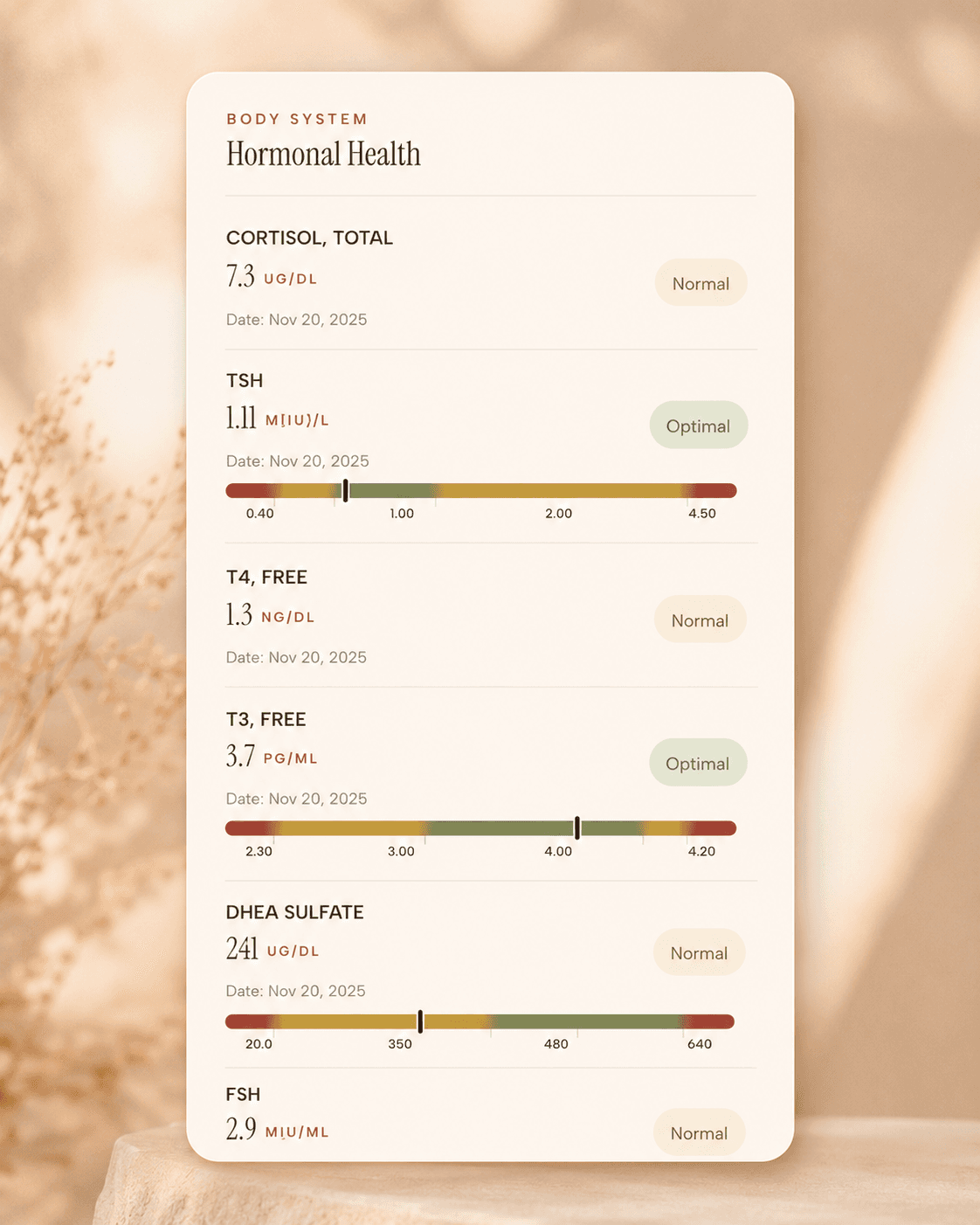
Cortisol, Total
Cortisol is the primary stress hormone that regulates metabolism, immune function, and blood pressure. In functional medicine, cortisol assessment is crucial for understanding stress response and its impact on overall health. Chronic elevation suppresses testosterone production and immune function, while low cortisol indicates adrenal insufficiency. Optimal cortisol rhythm supports energy, mood stability, and hormone balance. Cortisol orchestrates the body's stress response and daily energy rhythms. Balanced cor…
Learn moreDhea Sulfate
DHEA-S levels reflect adrenal function and decline naturally with age. It's used to evaluate adrenal tumors, congenital adrenal hyperplasia, and androgen excess conditions like PCOS. Some consider it a marker of biological aging and stress resilience. DHEA-Sulfate (DHEA-S) is a hormone produced by the adrenal glands that serves as a precursor to sex hormones (testosterone and estrogen). It's the most abundant steroid hormone in the body.
Learn moreInsulin
Insulin is a master metabolic hormone that regulates glucose uptake, fat storage, and numerous cellular processes. In functional medicine, fasting insulin levels are one of the earliest and most sensitive markers of metabolic dysfunction. Elevated insulin (hyperinsulinemia) often precedes diabetes by years or decades and is central to metabolic syndrome. High insulin levels promote fat storage, inflammation, and contribute to numerous chronic diseases including cardiovascular disease, PCOS, and certain cancers.…
Learn moreLab testing
Retest cortisol alongside ACTH and electrolytes to track your trend at Quest
starting from $99 panel with 100+ tests, one visit
No referral needed
About 1 week
Schedule online — results typically within a week
Clear next steps
Guidance included, with follow-up care available
HSA / FSA
Eligible for pre-tax health spending accounts
When to see a doctor
If your morning cortisol is very low (often <3 µg/dL) or you have red-flag symptoms such as fainting, persistent vomiting, severe weakness, confusion, or signs of dehydration, seek urgent medical evaluation because adrenal crisis is a real risk during illness. If you recently used oral or high-dose steroids and feel unwell after stopping, contact a clinician promptly because suppression can require a taper and a sick-day plan. A single mildly low result without symptoms is often worth repeating at the correct time, but a confirmed low trend should be worked up rather than self-managed. At VitalsVault, tracking cortisol alongside ACTH and sodium (and potassium) helps your low value land in context.
Frequently Asked Questions
Is low cortisol dangerous?
It can be, depending on how low it is and why it is low. A clearly low morning cortisol (often under about 3 µg/dL) or low cortisol with fainting, vomiting, or confusion can signal adrenal insufficiency and needs prompt evaluation. Mildly low results drawn at the wrong time of day are often less concerning. If you feel acutely unwell, get urgent care rather than waiting for a retest.
What is the most common cause of low cortisol?
In many people, the most common cause is suppression after taking steroid medications such as prednisone, especially if they were used for weeks or at higher doses. Another common issue is simply timing, because cortisol is highest in the morning and naturally lower later in the day. True adrenal insufficiency is less common, but it matters more clinically when it is present. Check your medication list and the blood draw time before you interpret the number.
Can stress cause low cortisol?
Chronic stress is more often linked with higher cortisol early on, but in real life the relationship is messy because sleep disruption, shift work, and illness can flatten your daily rhythm. A low single cortisol result does not prove “adrenal fatigue,” which is not a formal medical diagnosis. If symptoms are persistent, the useful next step is correctly timed testing and, when appropriate, ACTH-based evaluation. Bring your sleep schedule and any steroid exposure to the conversation.
How do you confirm adrenal insufficiency after a low cortisol test?
Clinicians usually start with a properly timed morning cortisol and ACTH, then use a stimulation test (often an ACTH stimulation test) if results are unclear. The goal is to see whether your adrenals can respond appropriately when prompted. Electrolytes like sodium and potassium can provide supportive clues, especially in primary adrenal insufficiency. If you suspect this, ask specifically about confirmatory testing rather than relying on one random cortisol draw.
How quickly can low cortisol improve?
If low cortisol is due to recent steroid use, recovery can take weeks to months depending on the dose and duration, and it is often guided by a taper plan. If the issue is timing or sleep schedule, a correctly timed retest can look “better” immediately because you are measuring the right peak. If you have confirmed adrenal insufficiency, cortisol typically improves with appropriate replacement therapy, but you still need a long-term plan for illness and stress dosing. The actionable step is to identify which situation you are in before trying to “boost” cortisol.