Symptoms of High Cortisol: Causes, Ranges, and What to Do
High cortisol often means stress, poor sleep, or steroid meds. Morning serum is ~6–18 µg/dL. Retest with Quest panels—no referral needed.






High cortisol means your body is in a “more alert” hormone state than expected for the time of day, which is most often tied to stress, poor sleep, illness, or steroid medications. Many people with a mildly high result feel nothing specific, so your symptoms and your trend over time matter more than one number. The key next step is confirming the timing and type of test (morning blood vs late-night saliva vs 24-hour urine) and checking for common, fixable triggers. Cortisol is a hormone made by your adrenal glands that helps you wake up, keep blood sugar steady between meals, manage inflammation, and respond to stress. It naturally follows a daily rhythm: highest in the early morning and lowest around midnight. That is why a “high” result can mean very different things depending on when you were tested, whether you were sick, whether you slept, and whether you take medications like prednisone or inhaled steroids. Below, you’ll see the most common reasons cortisol runs high, what you might notice, and practical ways to lower it. If you want help interpreting your exact numbers and what to retest, PocketMD can walk through your result in context.
Why Is Your Cortisol High?
Stress and poor sleep timing
Cortisol rises when your brain senses threat or sleep loss, because it helps mobilize energy and keep you alert. If you slept poorly, worked late, traveled across time zones, or had a stressful morning before the draw, your “high” result may reflect a temporary spike. A repeat test done after several nights of consistent sleep often looks very different.
Steroid medications (even inhaled or topical)
Medications related to cortisol (glucocorticoids) can change measured cortisol and also change how your body regulates its own production. Oral prednisone is the classic example, but high-dose inhaled steroids, steroid injections, and potent topical steroids can matter too. If you use any steroid medication, it’s worth asking your clinician which cortisol test is appropriate and whether timing around dosing affects interpretation.
Acute illness, pain, or intense exercise
Cortisol is part of your normal “get through it” response to infection, inflammation, pain, and heavy training. A cold, a flare of a chronic condition, a hard workout, or even a very poor night of sleep can push cortisol up for a day or two. If your result was drawn during a rough week, a calmer retest can help separate a stress response from a persistent problem.
Depression, anxiety, and chronic high arousal
Long-term anxiety or depression can shift your stress system (the HPA axis) so cortisol stays higher than expected, especially in the morning. This does not mean “it’s all in your head”—it’s a body-level hormone pattern that can affect sleep, appetite, and blood sugar. If your symptoms match, treating the underlying mental health condition often improves cortisol rhythm over time.
Cushing syndrome (rare, but important)
Cushing syndrome is a condition where cortisol is high because of an adrenal or pituitary problem or because of long-term steroid use. It is uncommon, but it becomes more likely if cortisol is repeatedly high on the right type of test (often late-night saliva or 24-hour urine), especially with classic signs like easy bruising, muscle weakness, and new high blood pressure or diabetes. If your clinician suspects this, they typically use confirmatory tests rather than relying on a single morning blood cortisol.
Alcohol and blood sugar swings
Alcohol can disrupt sleep and increase nighttime awakenings, which can push cortisol higher the next day. Big blood sugar drops (for example, long fasting with intense exercise, or reactive hypoglycemia after a high-sugar meal) can also trigger cortisol because your body uses it to raise glucose. If your high cortisol comes with shakiness, cravings, or waking at night, checking glucose and insulin patterns can be helpful.
Normal cortisol ranges (timing matters)
Reference intervals differ by laboratory, assay, age, and sex — use your report's own columns as primary.
| Measure | Typical range (adult, general) | Notes |
|---|---|---|
| Serum cortisol (blood), morning draw ~8 a.m. | About 6–18 µg/dL (standard) | Ranges vary by lab and collection time; VitalsVault functional interpretation often flags persistent morning values near the top of range when symptoms are present. |
| Serum cortisol (blood), late afternoon ~4 p.m. | About 2–12 µg/dL | Expected to be lower than morning due to normal daily rhythm. |
What You Might Notice When Cortisol Is High
Trouble falling asleep or staying asleep
Cortisol is supposed to be low at night, so when it stays elevated you can feel “tired but wired.” You might fall asleep and then wake up too early, or wake at 2–4 a.m. with a racing mind. This symptom is common but not specific—sleep disruption itself can also raise cortisol, creating a loop.
Anxiety, irritability, or feeling on edge
Higher cortisol can amplify your body’s stress response, which can show up as restlessness, a shorter fuse, or a sense that you can’t fully relax. Some people notice a faster heart rate or more sensitivity to caffeine. If this is new or severe, it’s worth reviewing medications and screening for thyroid issues as well.
Weight gain around the midsection
Chronically elevated cortisol can increase appetite and make it easier to store fat centrally, especially when sleep is poor and activity drops. This tends to happen over months, not days, and it often travels with insulin resistance. A single high cortisol result does not “explain” weight gain by itself, but it can be one piece of the picture.
Higher blood pressure or headaches
Cortisol affects how your blood vessels respond to stress hormones and can influence fluid balance, which may nudge blood pressure up. You might notice more headaches, facial flushing, or higher readings at the doctor’s office. If your blood pressure is repeatedly elevated, that deserves its own workup regardless of cortisol.
Muscle weakness and slower recovery
When cortisol stays high, your body can shift toward breaking down tissue for quick energy, which may show up as reduced strength, sore muscles that linger, or feeling “deconditioned” despite effort. This is more concerning when paired with easy bruising or thinning skin, which can point toward true cortisol excess rather than everyday stress.
How to Bring Cortisol Back Toward Normal
Protect your sleep window for 2–3 weeks
Because cortisol follows a daily rhythm, consistent sleep and wake times are one of the fastest ways to normalize it. Aim for a fixed wake time, morning light exposure, and a wind-down routine that reduces late-night stimulation. If your high cortisol was driven by sleep debt, you may see improvement on retesting within a few weeks.
Cut back on late-day caffeine and alcohol
Caffeine late in the day can keep your nervous system activated and push cortisol higher the next morning, even if you fall asleep. Alcohol can fragment sleep and increase nighttime awakenings, which also raises cortisol. A practical experiment is a 10–14 day break from alcohol and no caffeine after noon, then reassess sleep and symptoms.
Eat to avoid big blood sugar dips
If you go long stretches without eating, or you crash after high-sugar meals, your body may use cortisol to bring glucose back up. Prioritize protein and fiber at breakfast and lunch, and consider a balanced afternoon snack if you get shaky or anxious between meals. If you suspect this pattern, pairing cortisol with fasting insulin and glucose markers can clarify what’s driving the stress response.
Train smarter, not harder, during high-stress weeks
High-intensity training is healthy, but it is still a stress signal that raises cortisol temporarily. If your life stress and sleep are already strained, swapping a few sessions for lower-intensity cardio, walking, or strength training with longer rest can reduce the “stacking” of stressors. Many people notice better sleep and steadier energy within 1–2 weeks.
Review medications and supplements with your clinician
Do not stop prescribed steroids on your own, but do bring a full list (including inhalers, creams, and injections) to your next visit. Some medications can alter cortisol testing or mimic cortisol effects, and your clinician may choose a different test (like late-night salivary cortisol) for clearer answers. If Cushing syndrome is a concern, the right confirmatory testing matters more than repeating the same morning blood draw.
Other Tests That Give Context to High Cortisol
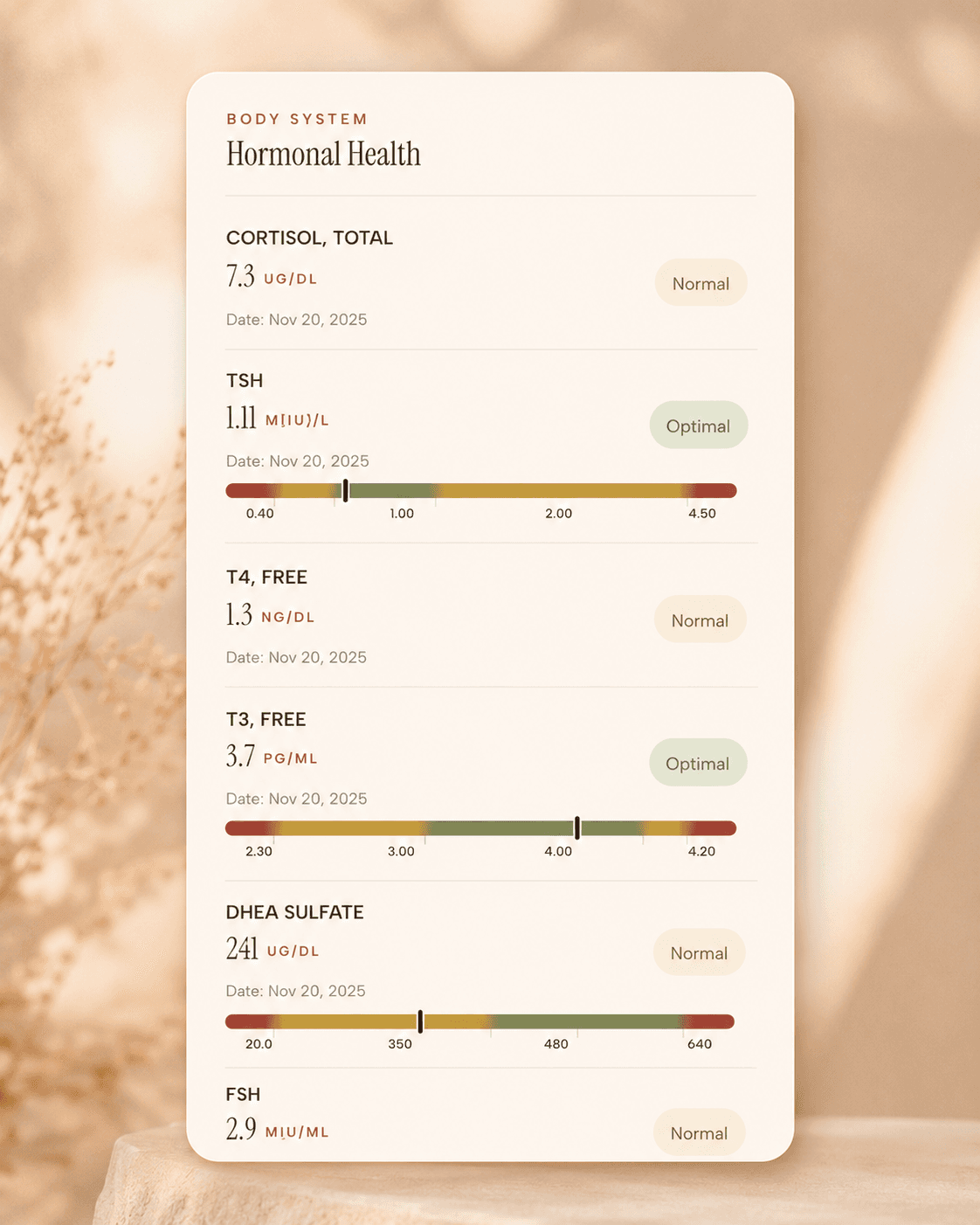
Cortisol, Total
Cortisol is the primary stress hormone that regulates metabolism, immune function, and blood pressure. In functional medicine, cortisol assessment is crucial for understanding stress response and its impact on overall health. Chronic elevation suppresses testosterone production and immune function, while low cortisol indicates adrenal insufficiency. Optimal cortisol rhythm supports energy, mood stability, and hormone balance. Cortisol orchestrates the body's stress response and daily energy rhythms. Balanced cor…
Learn moreInsulin
Insulin is a master metabolic hormone that regulates glucose uptake, fat storage, and numerous cellular processes. In functional medicine, fasting insulin levels are one of the earliest and most sensitive markers of metabolic dysfunction. Elevated insulin (hyperinsulinemia) often precedes diabetes by years or decades and is central to metabolic syndrome. High insulin levels promote fat storage, inflammation, and contribute to numerous chronic diseases including cardiovascular disease, PCOS, and certain cancers.…
Learn moreGlucose
Fasting glucose is a fundamental marker of glucose metabolism and insulin function. In functional medicine, we recognize that even 'normal' glucose levels in the upper range may indicate early insulin resistance. Optimal fasting glucose reflects efficient glucose regulation and insulin sensitivity. Elevated fasting glucose suggests the body's inability to maintain normal glucose levels overnight, indicating hepatic insulin resistance or insufficient insulin production. This marker is essential for early detectio…
Learn moreLab testing
Want to retest cortisol or add companion markers like HbA1c and fasting insulin? Track trends with a Quest visit
starting from $99 panel with 100+ tests, no referral needed
About 1 week
Schedule online — results typically within a week
Clear next steps
Guidance included, with follow-up care available
HSA / FSA
Eligible for pre-tax health spending accounts
Pro Tips
If your cortisol was drawn in the morning, try to retest at the same time of day, because cortisol naturally changes hour to hour.
Avoid a hard workout, heavy alcohol, and a very short night of sleep the day before a retest, since each can raise cortisol temporarily.
Write down any steroid exposures (pills, injections, inhalers, nasal sprays, creams), because they can change both symptoms and test interpretation.
If Cushing syndrome is a concern, ask whether late-night salivary cortisol or a 24-hour urine free cortisol is more appropriate than repeating a single morning blood cortisol.
Look at cortisol alongside blood pressure, waist trend, and glucose/insulin markers, because the pattern often matters more than the isolated value.
When to see a doctor
If your cortisol is repeatedly high on appropriately timed testing, or if you have red-flag features like easy bruising, new muscle weakness, purple stretch marks, new or worsening high blood pressure, or rising blood sugar, schedule a medical evaluation—those patterns can suggest true cortisol excess (including Cushing syndrome) or medication effects that need supervision. If you take any steroid medication, do not stop it abruptly; ask how it affects your testing plan. At VitalsVault, tracking cortisol alongside metabolic markers (like HbA1c and fasting insulin) can help you and your clinician see whether this is mainly a stress/sleep pattern or a broader endocrine issue.
Frequently Asked Questions
Is high cortisol dangerous?
A mildly high cortisol result is often a short-term stress response and is not automatically dangerous. Persistent, clearly elevated cortisol—especially when confirmed with the right tests—can contribute to high blood pressure, higher blood sugar, and bone or muscle loss over time. The safest next step is confirming timing, reviewing medications, and retesting if your clinician agrees.
Can stress alone cause high cortisol on a blood test?
Yes. Poor sleep, anxiety, pain, and even rushing to the lab can raise cortisol, particularly on a morning blood draw. That’s why clinicians often use late-night salivary cortisol or 24-hour urine testing when they need to rule out true cortisol excess. If your life was unusually stressful around the draw, a calmer retest can be informative.
What is a normal cortisol level in the morning?
Many labs list a morning (around 8 a.m.) serum cortisol reference range of roughly 6–18 µg/dL, but the exact interval varies by lab and method. Morning values are supposed to be higher than afternoon or nighttime values because of your circadian rhythm. Always interpret “high” in the context of the collection time shown on your report.
Does high cortisol mean you have Cushing syndrome?
Not usually. Cushing syndrome is uncommon, and diagnosis typically requires specific confirmatory testing (often late-night salivary cortisol, 24-hour urine free cortisol, or a dexamethasone suppression test), not just one morning blood cortisol. It becomes more likely when cortisol is repeatedly abnormal on the right tests and you have classic signs like easy bruising, muscle weakness, and new metabolic problems.
How quickly can cortisol go down if you improve sleep?
Cortisol can change within days, but a steadier rhythm usually takes a couple of weeks of consistent sleep timing and reduced late-night stimulation. If your high result was driven by sleep debt, you may see a noticeable difference on a repeat test in 2–4 weeks. Retest at the same time of day for a fair comparison.